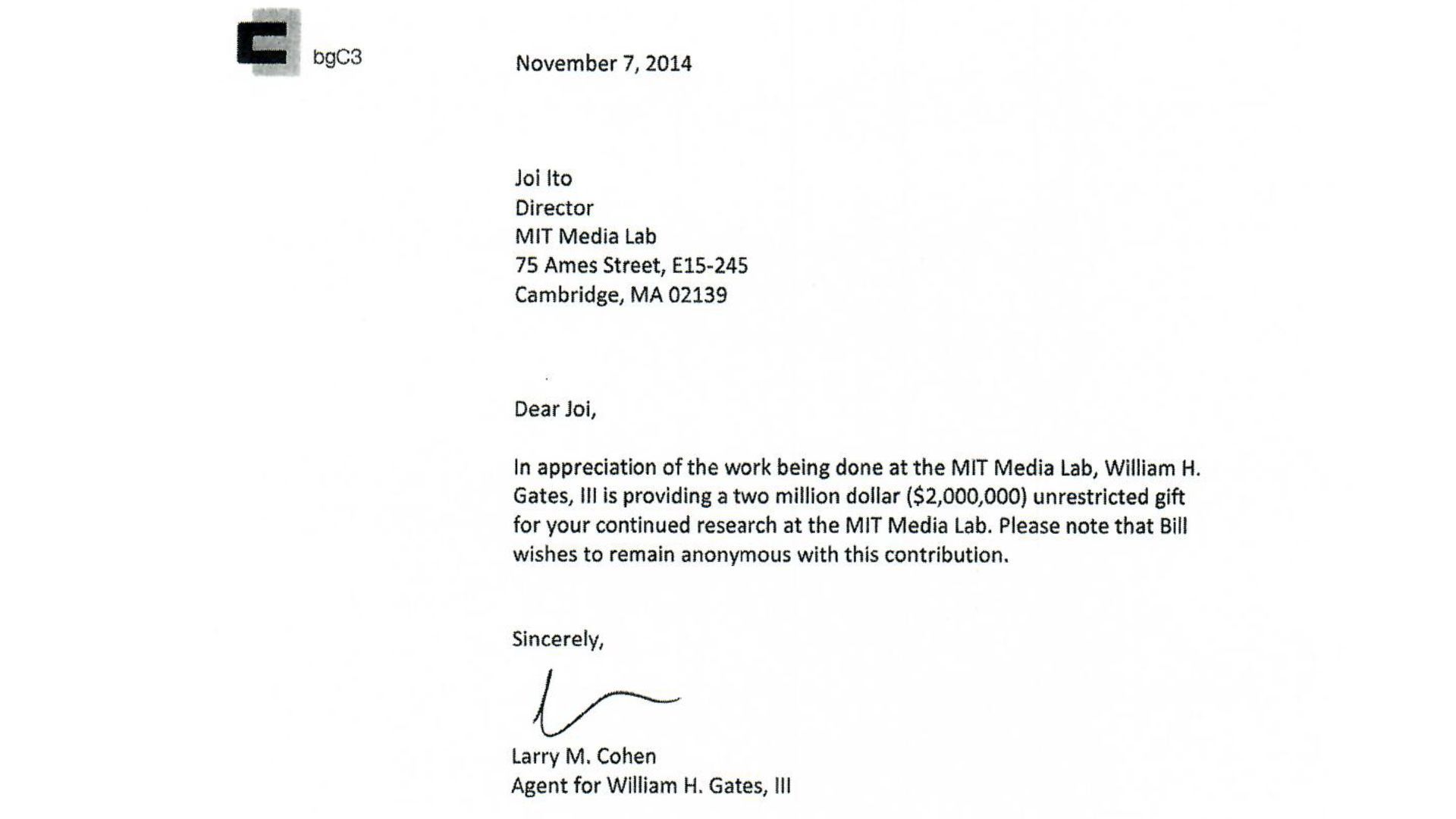
In late September 2014, Jeffrey Epstein typed a one-line email to former MIT Media Lab director Joi Ito saying that Bill Gates wanted "a write up on our one science program."
Less than a month later, Gates informed Ito that he would be making a $2 million donation to the Media Lab. The gift was registered Oct. 17 and was followed up with an official letter from Gates' personal office on Nov. 7. The money arrived even though, as MIT money-raiser Peter Cohen put it, "we did not solicit this money and Joi did not talk with Bill Gates."
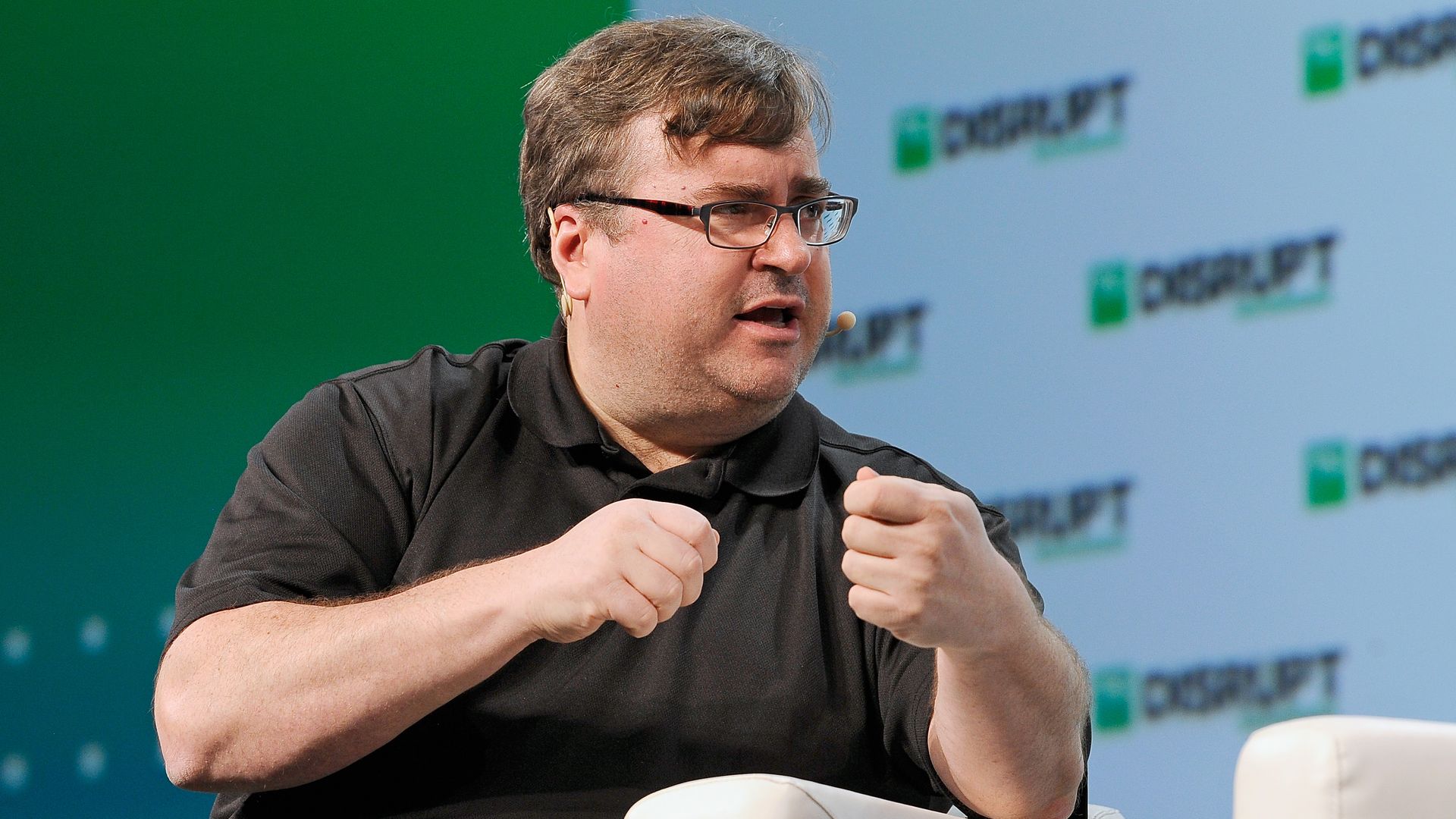
Reid Hoffman, the venture capitalist and LinkedIn founder, appears regretful for his role in enabling Jeffrey Epstein's post-conviction rehabilitation.
What he's saying: In an email to Axios, Hoffman writes, "The abuse described by Jeffery Epstein’s survivors is abhorrent, horrific, and disgusting. I am hopeful survivors can attain justice and support, and the communities damaged by these events can begin healing."
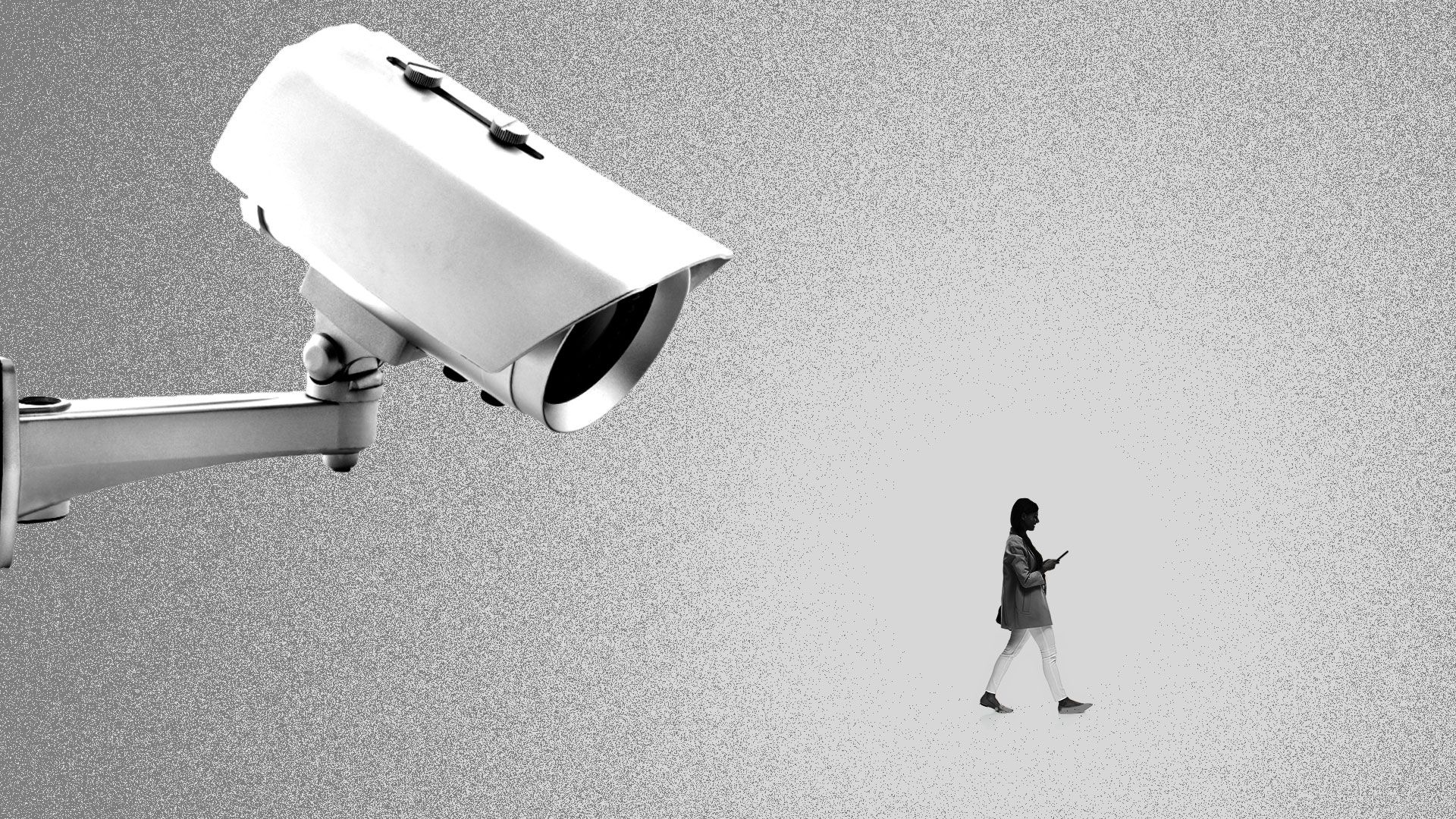
An announcement this week by a major spyware vendor that it aims to embrace human rights is forcing the industry, governments and civil society groups to consider whether the concepts of "human rights" and "spyware" can ever be reconciled.
The big picture: Government-grade spyware has always been abused. In June, David Kaye, the UN special rapporteur on freedom of opinion and expression, determined that commercial spyware had become so vast a problem that the world needs a moratorium on it, for companies and governments to figure out how to protect human rights.
Google said Thursday that it has recently adjusted its algorithms and the guidelines used by the people that rate its search results to elevate original reporting.
Why it matters: The moves aim to provide an incentive for news organizations to focus on fresh reporting as opposed to quick aggregation of other news reports.
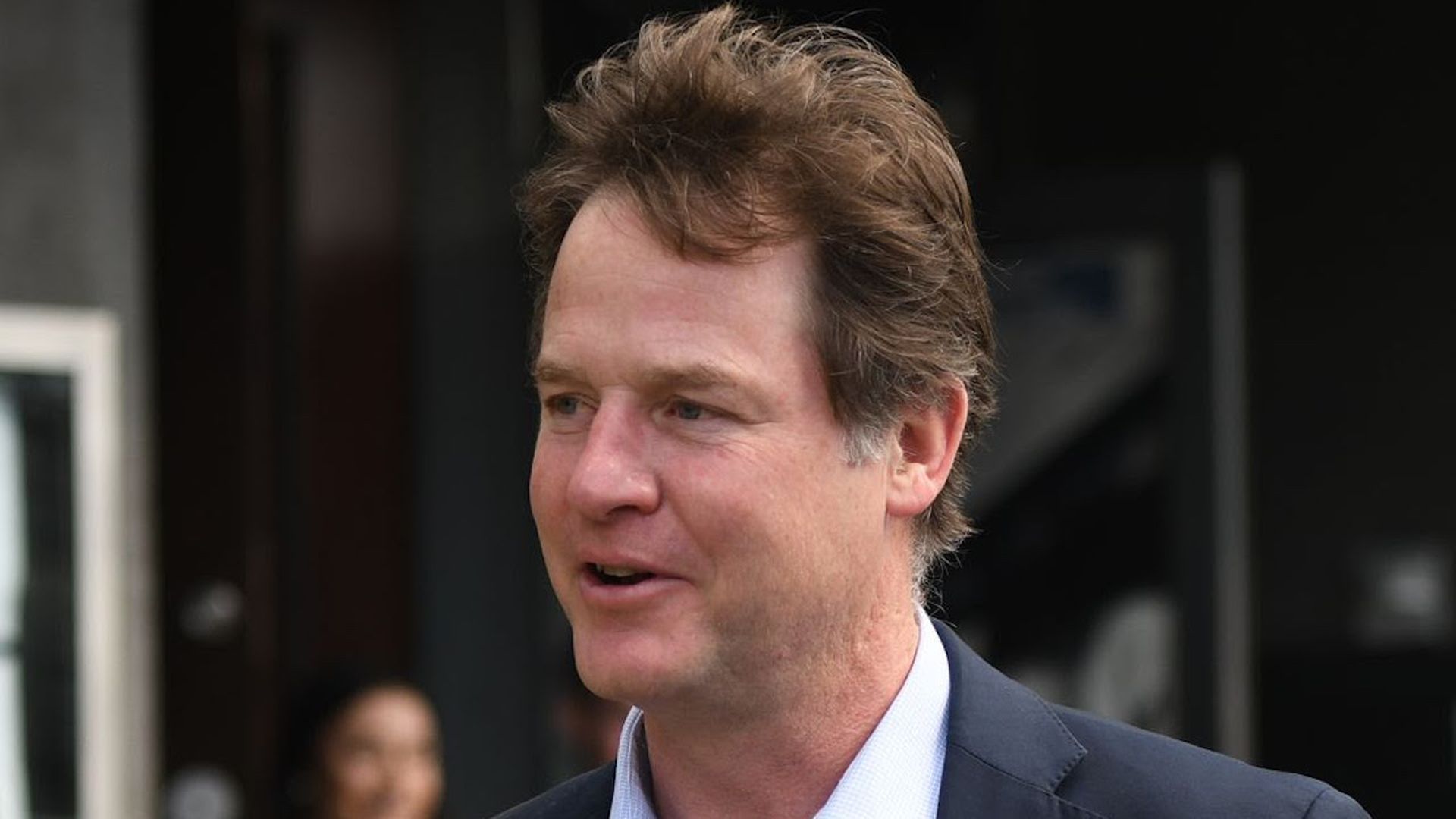
Sir Nick Clegg — former U.K. deputy prime minister, now Facebook V.P. of global affairs and communications — argued in New Delhi on Thursday that government overreach against Big Tech would further balkanize the internet.
What he's saying: "If we in open, democratic societies don’t work together," Clegg said, "we risk sleepwalking into a new era where the internet is no longer a universal space, but a series of silos where different countries set their own rules and authoritarian regimes soak up their citizens’ data."
Hostile powers undermining elections. Deepfake video and audio. Bots and trolls, phishing and fake news — plus of course old-fashioned spin and lies.
Why it matters: The sheer volume of assaults on fact and truth is undermining trust not just in politics and government, but also in business, tech, science and health care as well.
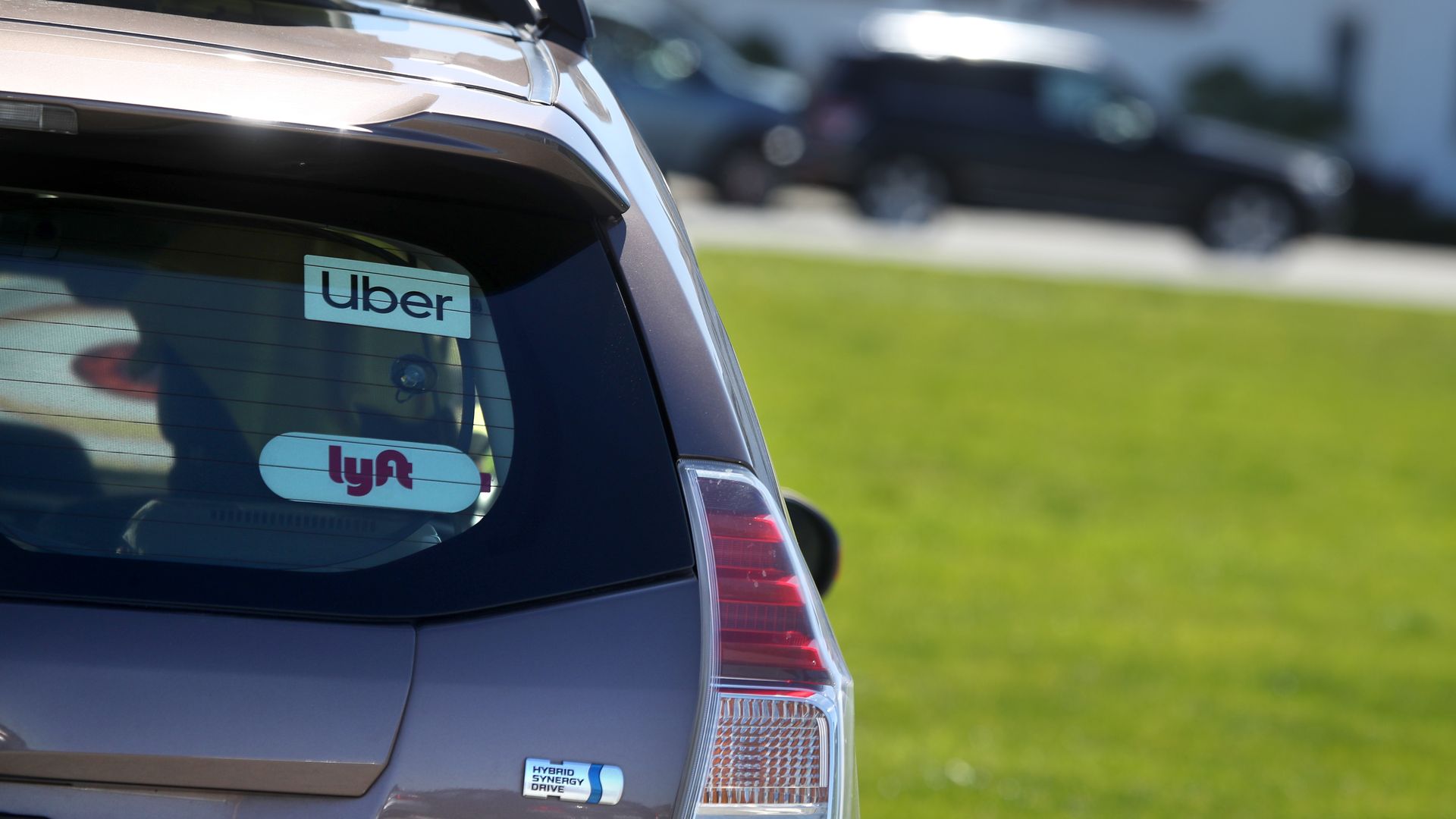
What they're saying: One part of California's new legal test defining contract employment looks at whether a worker's work is "outside the company's usual course of business." Uber general counsel Tony West told reporters Wednesday that Uber believes its main business is building a technology marketplace, not transporting passengers, a familiar refrain from ride-hailing companies over the years.
Having bug guts smeared across your windshield affects visibility, so Ford has developed a self-driving car that's insect-proof.
Why it matters: Self-driving car sensors have the same problem as other vehicles. Dirt, dust, road salt — and yes, insects — can obscure an autonomous vehicle's sensors. An AV that can't clearly "see" its environment won't perform as well.
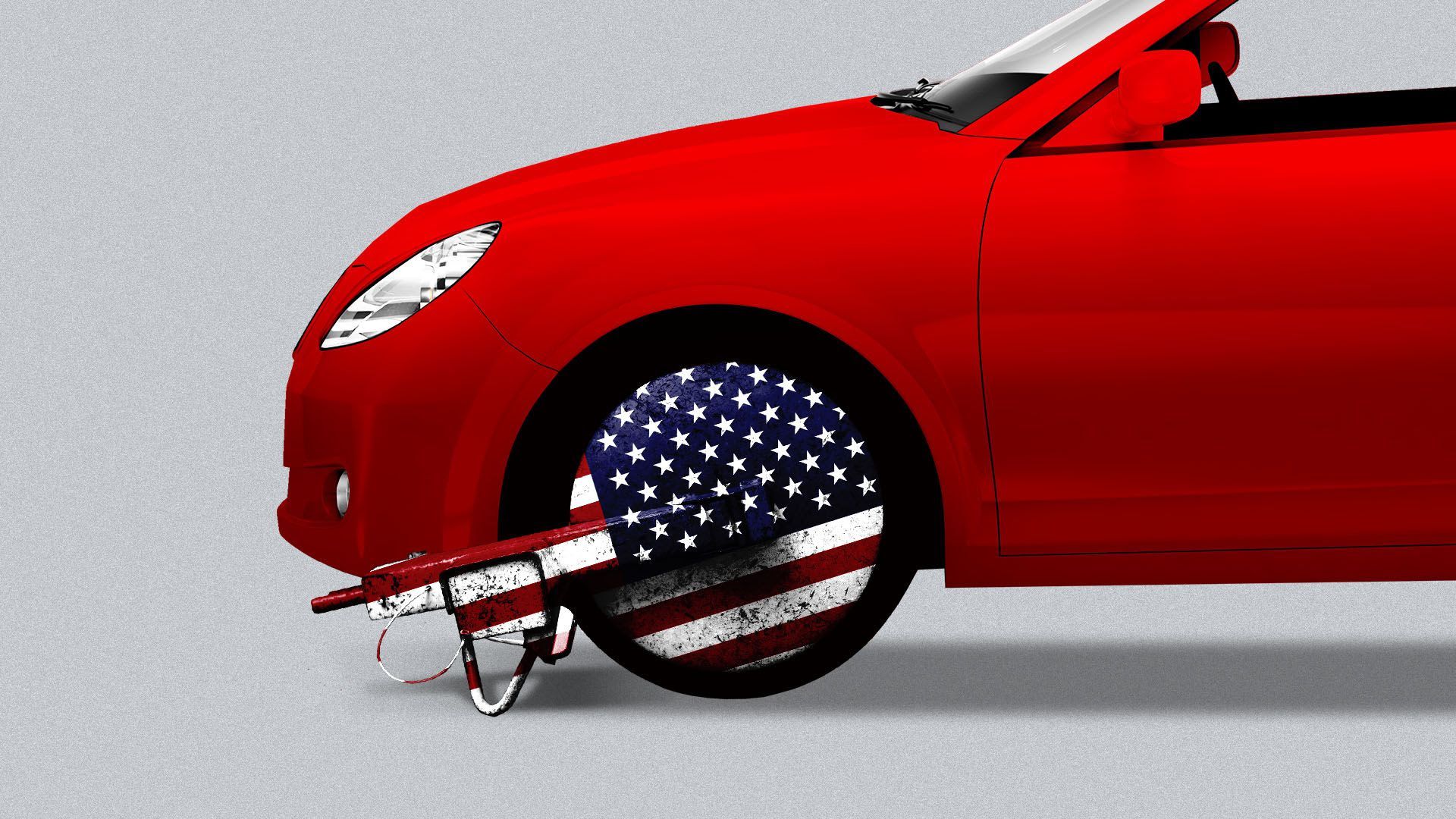
The road to growth for an American driverless shuttle maker is being blocked by regulatory processes that put domestic startups at a disadvantage to foreign rivals.
The big picture: Absent a broad government policy on self-driving cars, most companies must find a way around federal motor vehicle safety standards to test or deploy their autonomous vehicles on public roads.
Apple delivered exactly the iPhones everyone expected on Tuesday — and that's kind of the problem. Instead of "one more thing," Apple's event was more like none more thing.
Driving the news: Not only were there no big surprises, there were actually some disappointments, as the company didn't announce its expected new item-finder tags, nor did the Apple Watch add a widely rumored sleep-tracking feature.
Amidst legislative stalling, a consortium of twelve manufacturers has developed a framework for automotive cybersecurity best practices.
The big picture: At first glance, their guidelines hit the right points — incorporating security into design, developing risk assessment and incident response strategies — but current security solutions are not sufficient against increasingly sophisticated threats.
What they're saying: In Lyft's case, if the bill becomes law as is, the company would have to shift to a smaller pool of full-time drivers, Lyft president John Zimmer said on Tuesday at the Deutsche Bank Technology Conference in Las Vegas.











/2019/09/10/1568153123526.gif?w=3840)