Disney CEO Bob Iger resigned from Apple's board on Tuesday, according to SEC paperwork filed on Friday by Apple.
Why it matters: Presumably, he left due to conflict of interest. Both Disney and Apple are expected to launch rival video streaming subscription services this November.
More than 1,000 accounts across several different social media platforms with suspicious, bot-like characteristics helped push quote tweets, a tweet that is retweeted but additional text is added, from Donald Trump campaign accounts during the third primary debate, according to an analysis provided to Axios by social media intelligence company Storyful. Those tweets accounted for the top 3 most-shared links across several social media platforms, including Facebook, Reddit, etc., during the debate.
Why it matters: Despite attempts by social media companies to weed out malicious behavior online, automated accounts are still driving a large part of the social conversation around political events.
Software designers can work almost anywhere, but writing code for a self-driving car tends to be a hands-on exercise — engineers need to directly experience how a vehicle performs and hone software as needed.
The big picture: Companies that design autonomous vehicles are maturing and beginning to rethink that convention. There's a war for talent across all tech industries, requiring AV companies to get creative to attract the top experts.
As part of its antitrust inquiry into Google, the Justice Department is seeking a variety of documents and information from DuckDuckGo, a privacy-oriented search service that competes with Google, Axios has learned.
Why it matters: The Justice Department appears to be seeking information similar to what was gathered in an earlier EU inquiry — particularly about the types of deals and arrangements that Google and other companies have made to get their services installed by default on various devices and browsers.
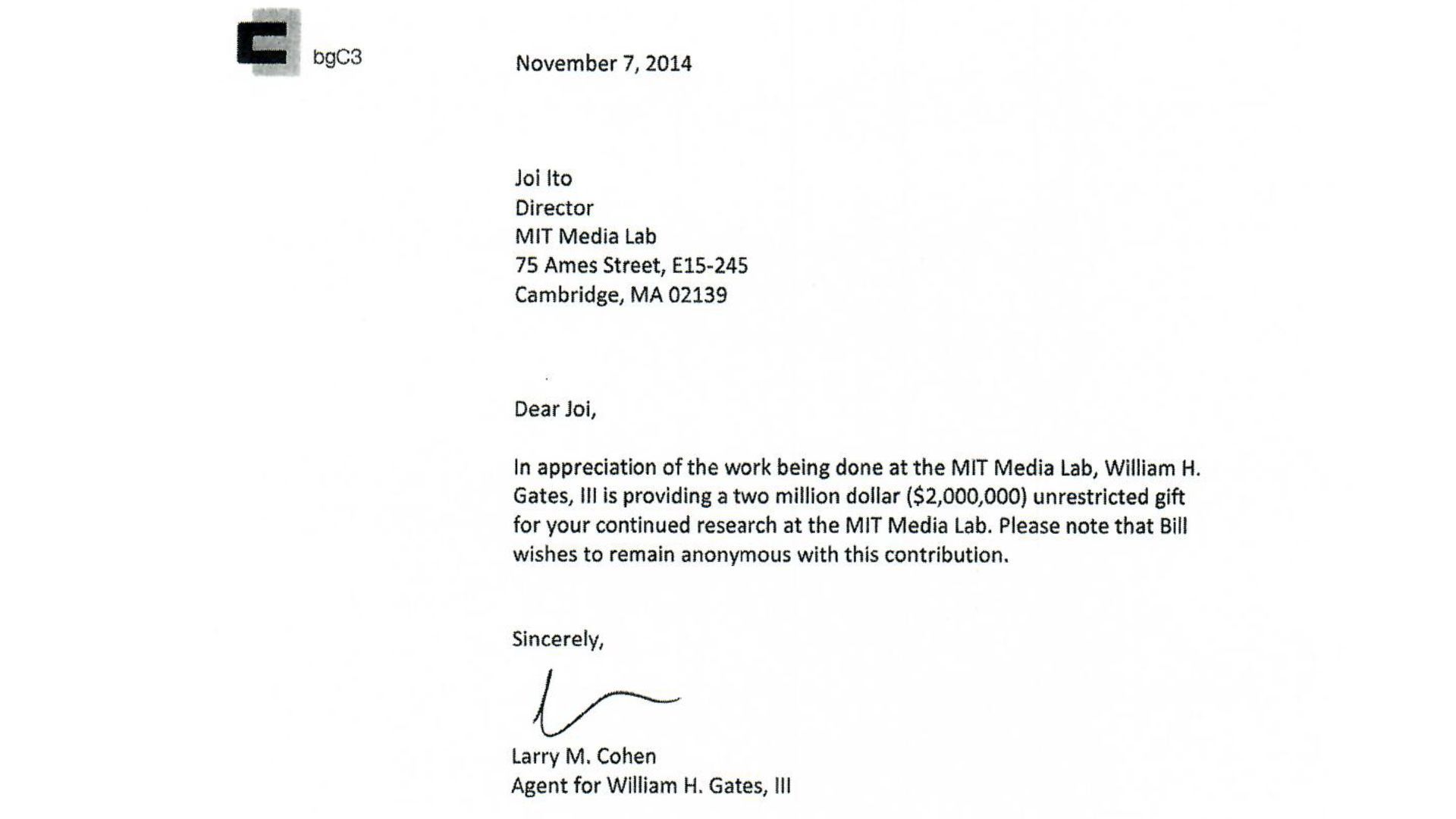
In late September 2014, Jeffrey Epstein typed a one-line email to former MIT Media Lab director Joi Ito saying that Bill Gates wanted "a write up on our one science program."
Less than a month later, Gates informed Ito that he would be making a $2 million donation to the Media Lab. The gift was registered Oct. 17 and was followed up with an official letter from Gates' personal office on Nov. 7. The money arrived even though, as MIT money-raiser Peter Cohen put it, "we did not solicit this money and Joi did not talk with Bill Gates."
Reid Hoffman, the venture capitalist and LinkedIn founder, appears regretful for his role in enabling Jeffrey Epstein's post-conviction rehabilitation.
What he's saying: In an email to Axios, Hoffman writes, "The abuse described by Jeffery Epstein’s survivors is abhorrent, horrific, and disgusting. I am hopeful survivors can attain justice and support, and the communities damaged by these events can begin healing."
An announcement this week by a major spyware vendor that it aims to embrace human rights is forcing the industry, governments and civil society groups to consider whether the concepts of "human rights" and "spyware" can ever be reconciled.
The big picture: Government-grade spyware has always been abused. In June, David Kaye, the UN special rapporteur on freedom of opinion and expression, determined that commercial spyware had become so vast a problem that the world needs a moratorium on it, for companies and governments to figure out how to protect human rights.
Google said Thursday that it has recently adjusted its algorithms and the guidelines used by the people that rate its search results to elevate original reporting.
Why it matters: The moves aim to provide an incentive for news organizations to focus on fresh reporting as opposed to quick aggregation of other news reports.
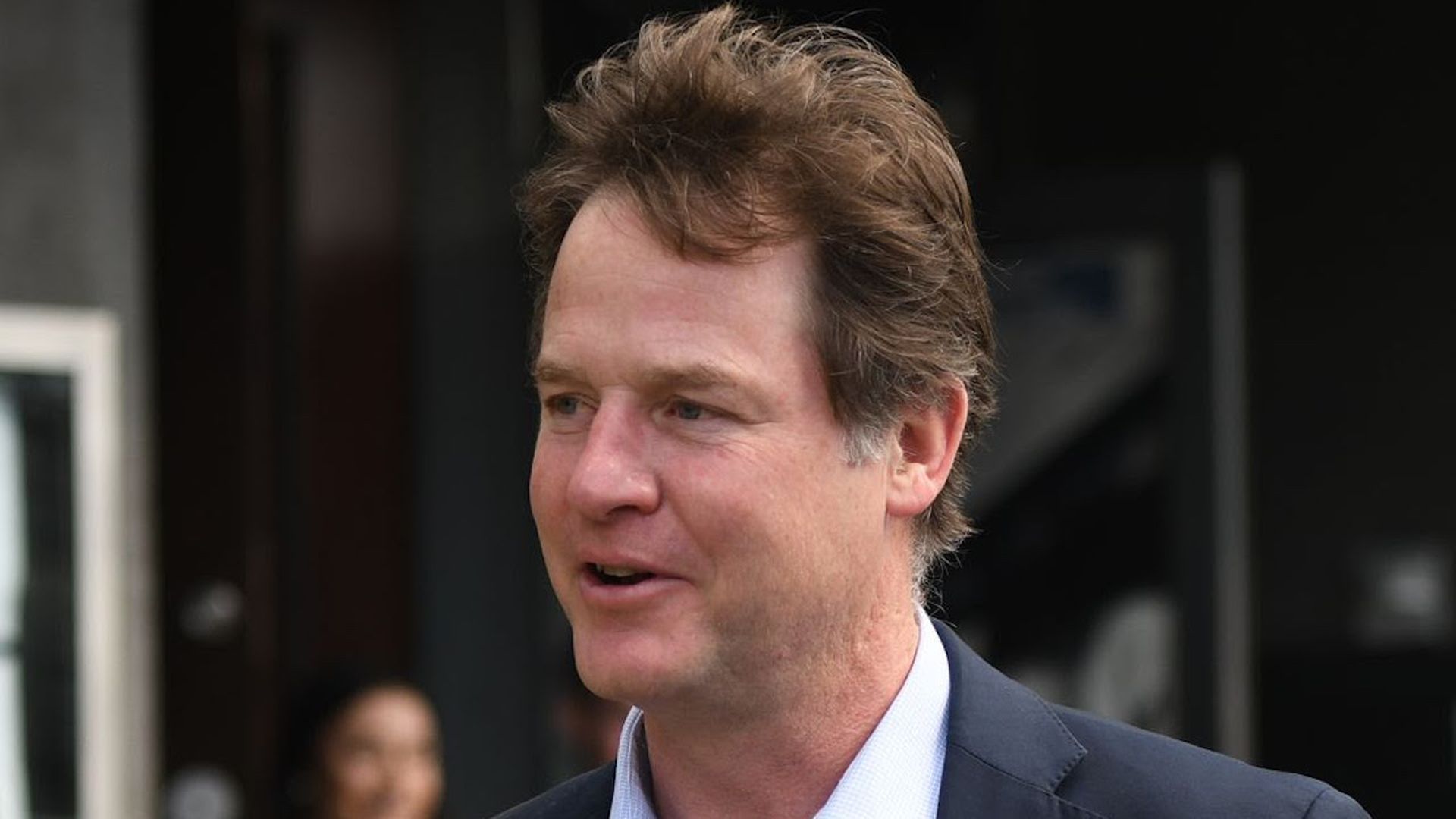
Sir Nick Clegg — former U.K. deputy prime minister, now Facebook V.P. of global affairs and communications — argued in New Delhi on Thursday that government overreach against Big Tech would further balkanize the internet.
What he's saying: "If we in open, democratic societies don’t work together," Clegg said, "we risk sleepwalking into a new era where the internet is no longer a universal space, but a series of silos where different countries set their own rules and authoritarian regimes soak up their citizens’ data."




/2019/09/13/1568387791022.gif?w=3840)