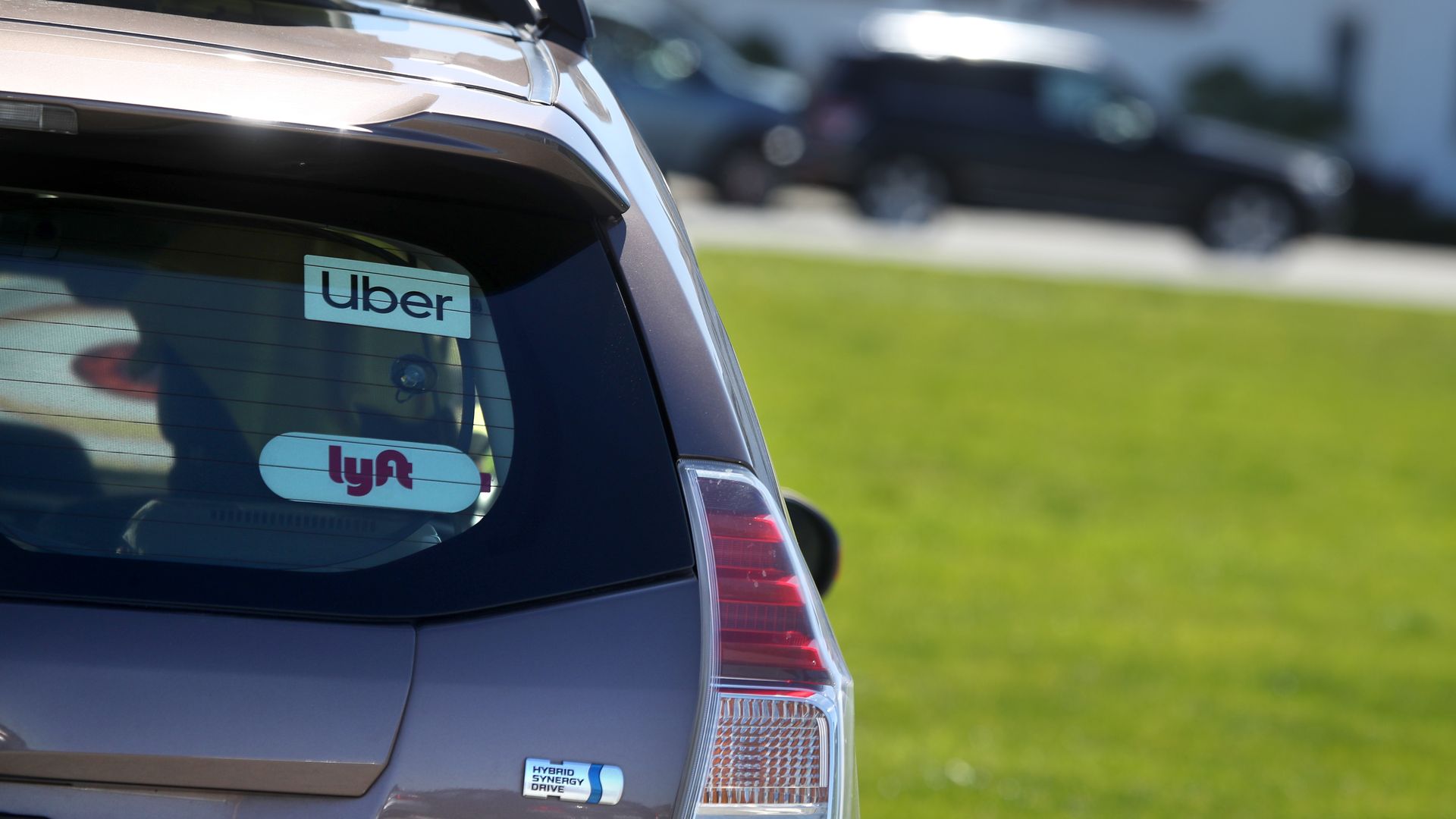
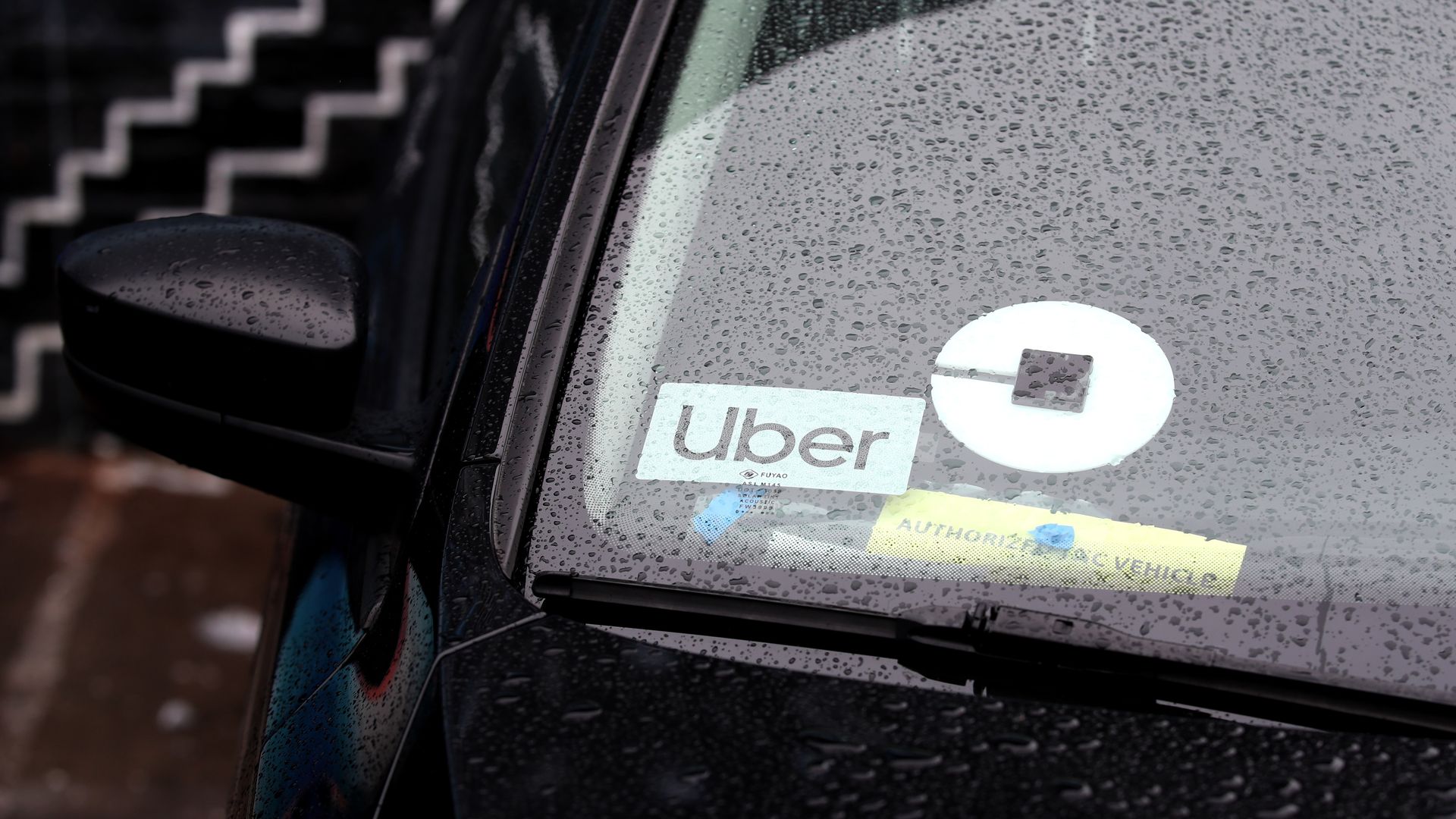
What they're saying: One part of California's new legal test defining contract employment looks at whether a worker's work is "outside the company's usual course of business." Uber general counsel Tony West told reporters Wednesday that Uber believes its main business is building a technology marketplace, not transporting passengers, a familiar refrain from ride-hailing companies over the years.
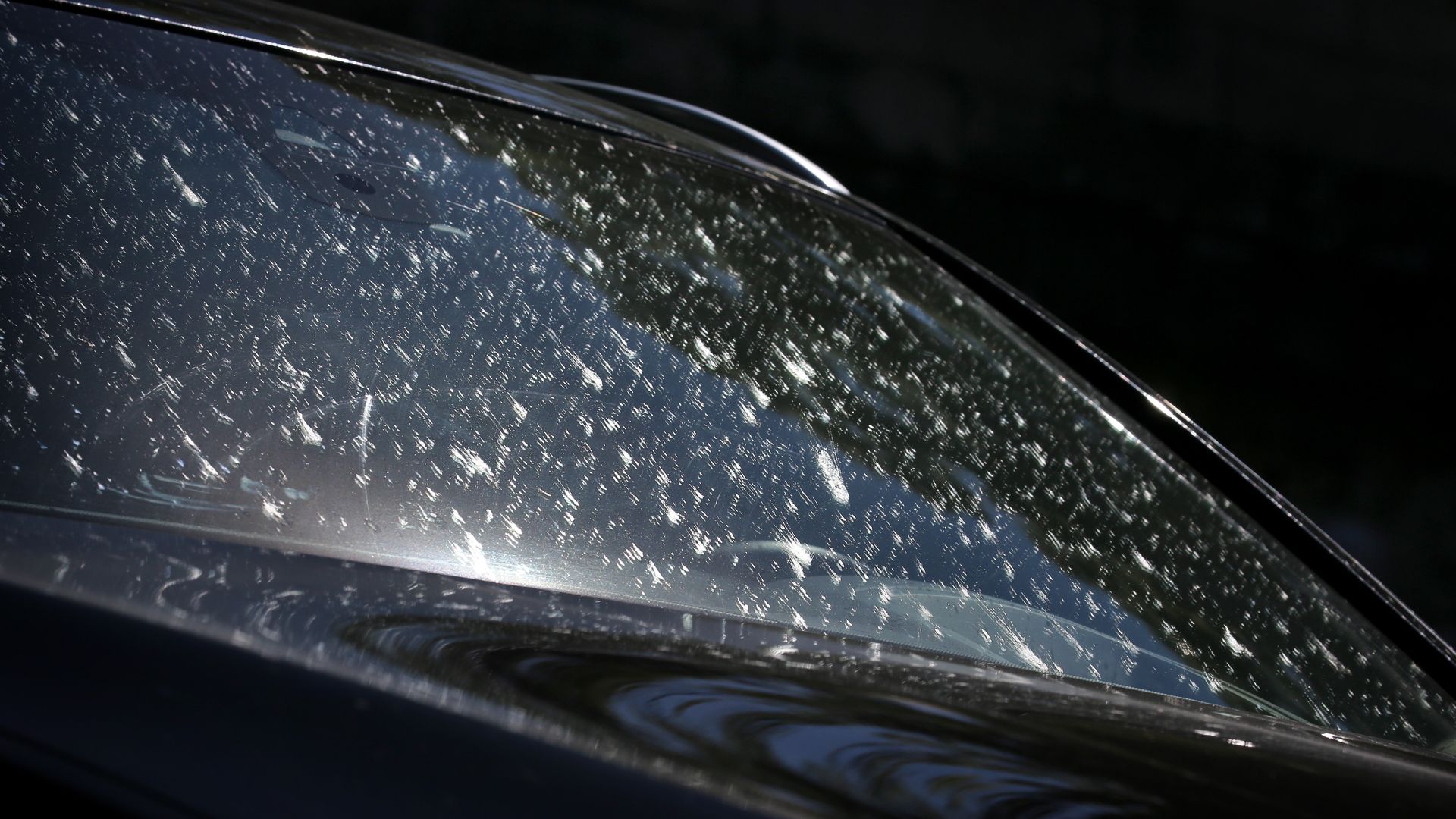
Having bug guts smeared across your windshield affects visibility, so Ford has developed a self-driving car that's insect-proof.
Why it matters: Self-driving car sensors have the same problem as other vehicles. Dirt, dust, road salt — and yes, insects — can obscure an autonomous vehicle's sensors. An AV that can't clearly "see" its environment won't perform as well.
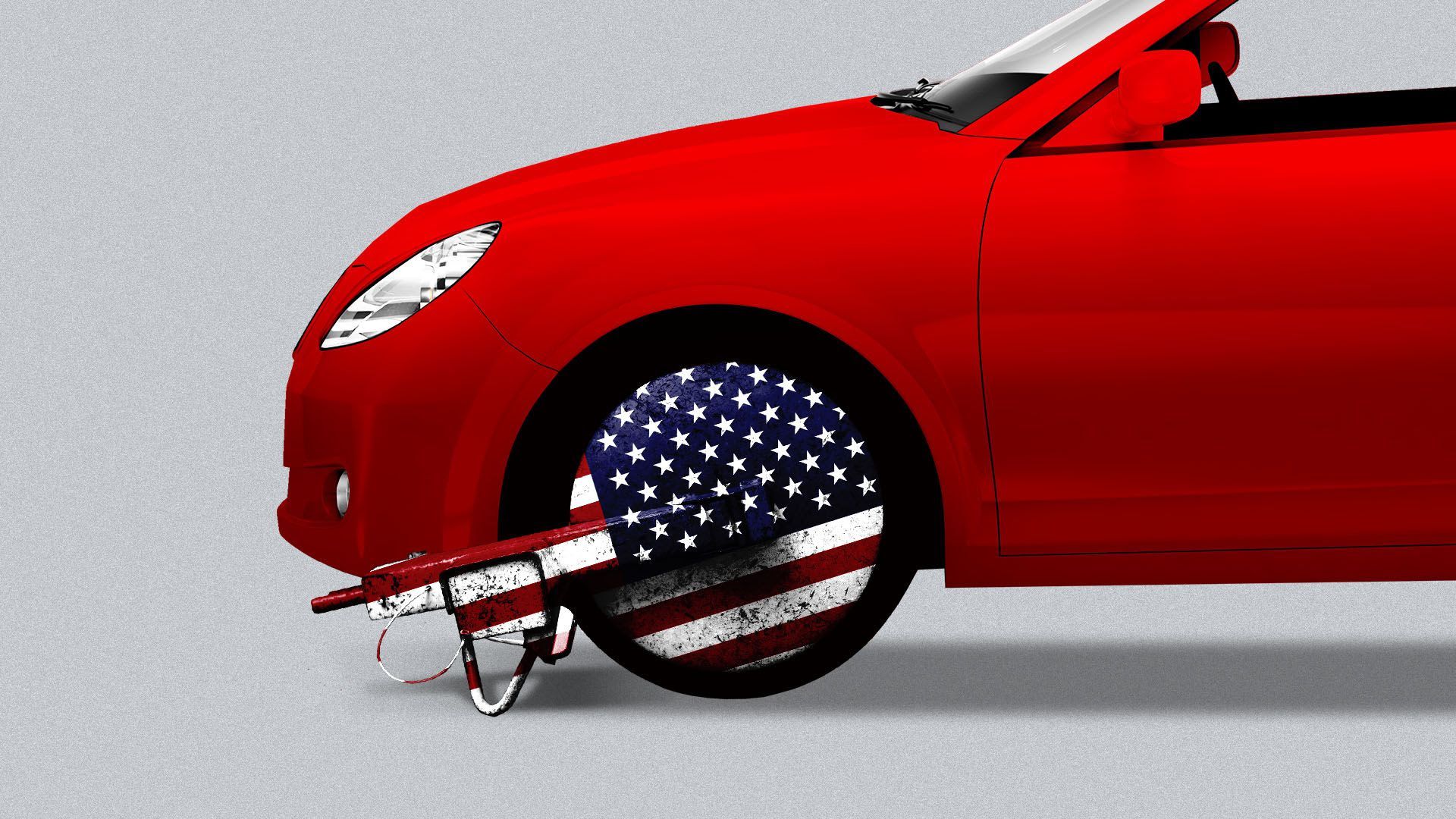
The road to growth for an American driverless shuttle maker is being blocked by regulatory processes that put domestic startups at a disadvantage to foreign rivals.
The big picture: Absent a broad government policy on self-driving cars, most companies must find a way around federal motor vehicle safety standards to test or deploy their autonomous vehicles on public roads.
Apple delivered exactly the iPhones everyone expected on Tuesday — and that's kind of the problem. Instead of "one more thing," Apple's event was more like none more thing.
Driving the news: Not only were there no big surprises, there were actually some disappointments, as the company didn't announce its expected new item-finder tags, nor did the Apple Watch add a widely rumored sleep-tracking feature.
Amidst legislative stalling, a consortium of twelve manufacturers has developed a framework for automotive cybersecurity best practices.
The big picture: At first glance, their guidelines hit the right points — incorporating security into design, developing risk assessment and incident response strategies — but current security solutions are not sufficient against increasingly sophisticated threats.
What they're saying: In Lyft's case, if the bill becomes law as is, the company would have to shift to a smaller pool of full-time drivers, Lyft president John Zimmer said on Tuesday at the Deutsche Bank Technology Conference in Las Vegas.
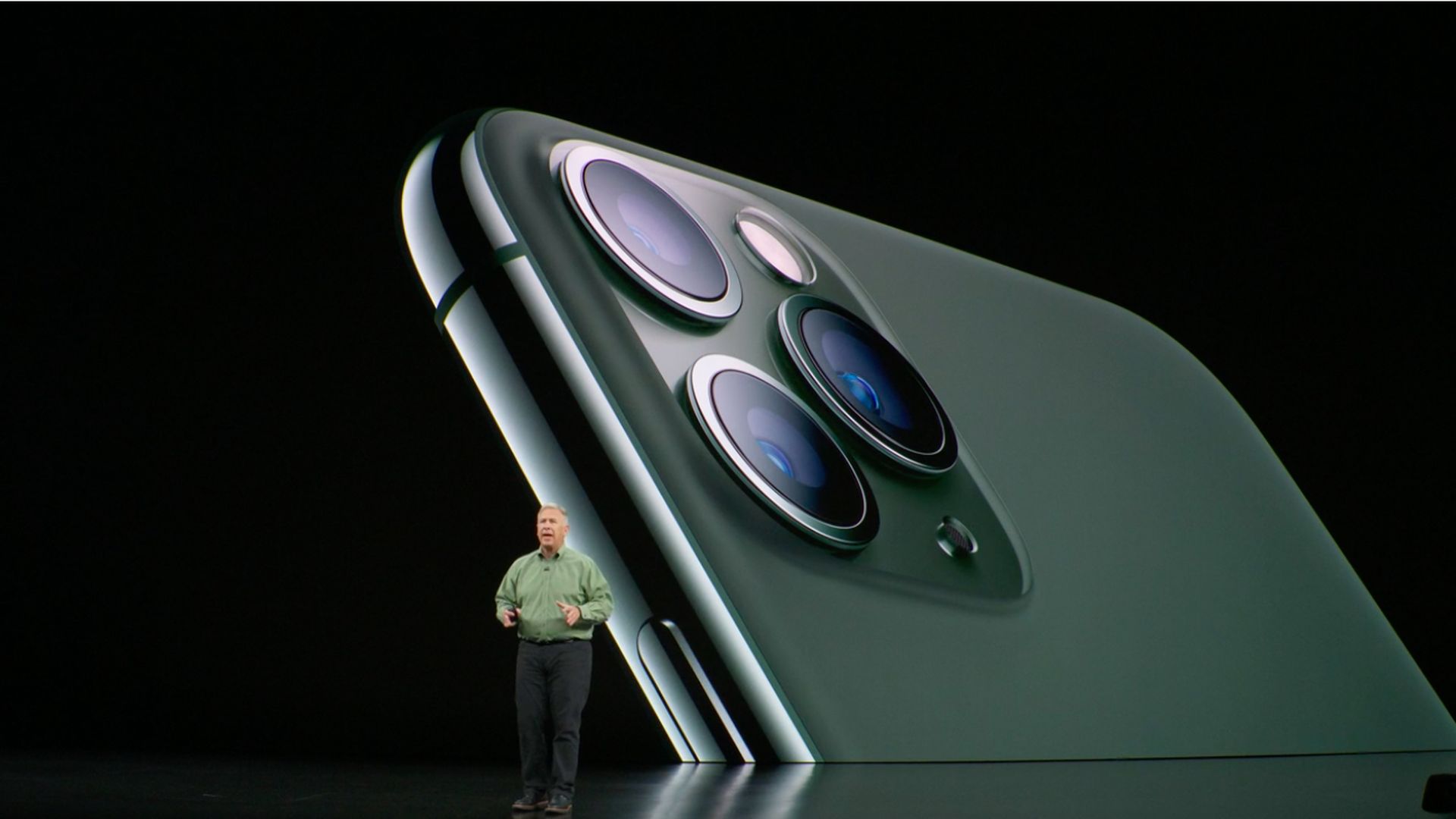
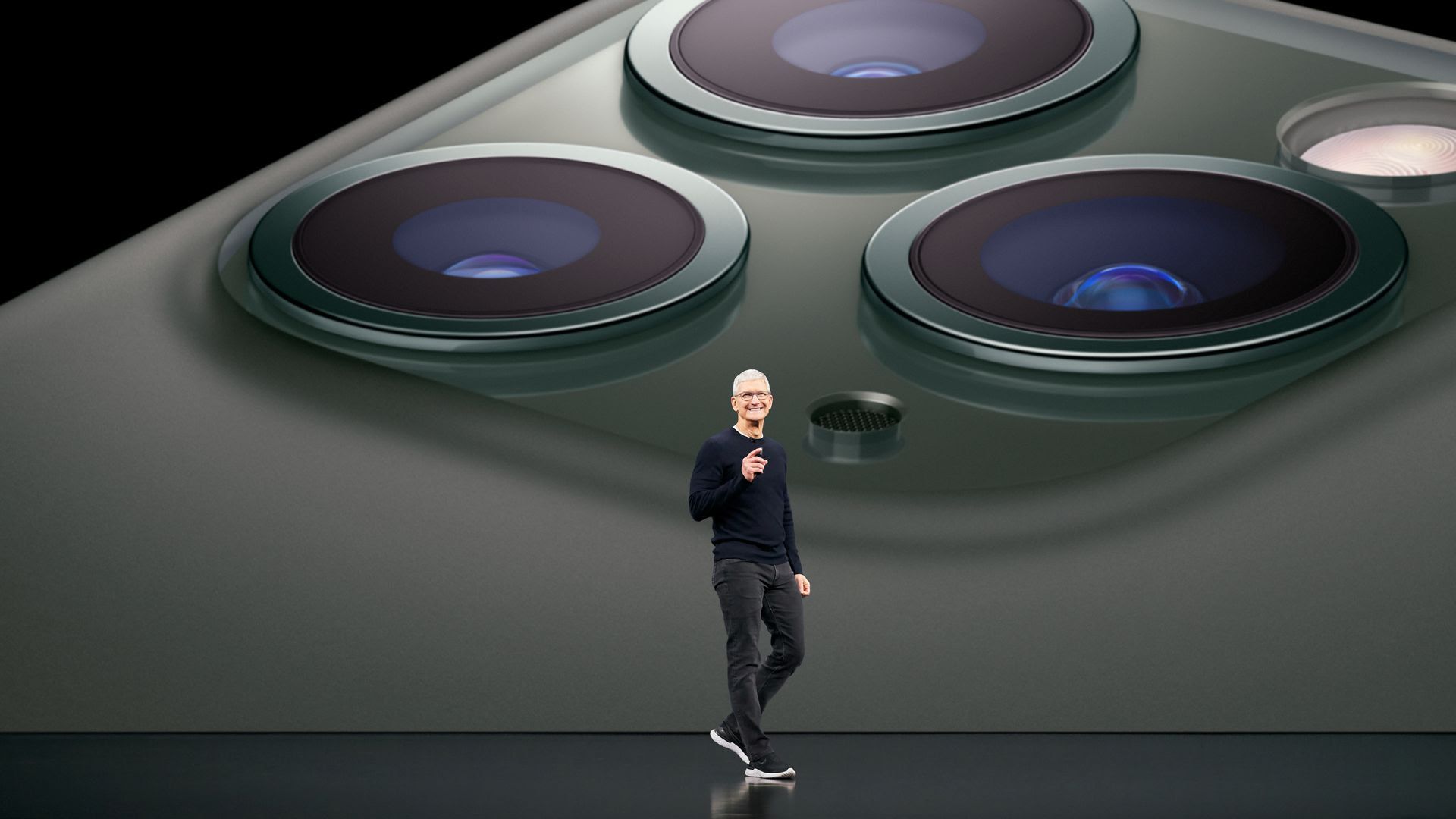
Apple debuted its latest iPhones Tuesday, including a high-end iPhone 11 Pro model with three rear cameras and a mid-range iPhone 11 starting at $699. The company also announced a new version of Apple Watch and a new entry-level iPad, as well as pricing and availability for some of the services it previewed back in March.
Why it matters: The iPhone is Apple's most important product and the latest crop arrives amid a slowing smartphone market.
Why it matters: The company's stock has been on the decline since it went public in May, and it has struggled to show a clear path to profitability. So it comes as no surprise that Uber is working to slim down some of its costs.
From the front, it's very hard to tell the just-introduced iPhone 11 Pro isn't just an iPhone XS, but flip it over, and you can see the phone's main standout feature, a third rear camera.
The bottom line: As impressive as the new images coming from the camera appear to be, it may be tough to convince existing owners that an added camera, faster chip and improved battery life offer enough reasons to upgrade. But have a look for yourself in this video.
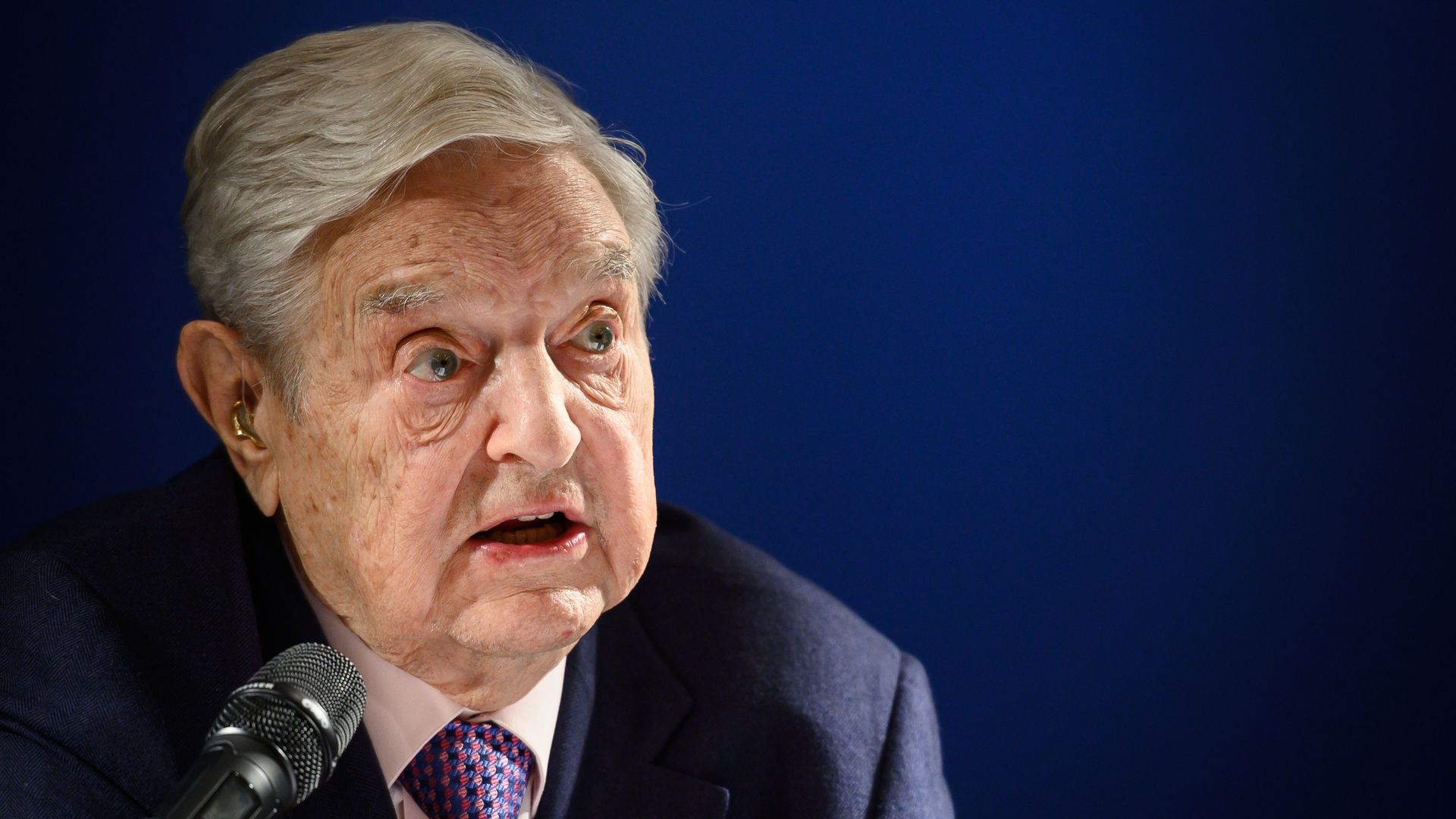
Billionaire George Soros wrote in a Wall Street Journal op-ed on Tuesday that he is worried the Trump administration may use the ban that prevents U.S. companies from doing business with telecom giant Huawei as a bargaining chip in U.S.-China trade talks.
Why it matters: Soros, a longtime target of conservatives, praised Republicans for introducing amendments to prevent the president from removing Huawei as a national-security threat without the consent of Congress. But the legislation is at odds with the president's desire to relax restrictions.
We won't officially know what Apple is announcing at this morning's event for a few hours more. But it's virtually impossible for phone makers — even secretive Apple — to keep much secret these days.
Why it matters: The iPhone remains the heart of Apple's business, and by all accounts it is going into essentially the third year with the design that debuted with the iPhone X. It remains unclear just how many good new reasons Apple can dream up to spur upgrades.
Uber Eats is stepping even more squarely into GrubHub's turf with its latest move: letting restaurants join its service even if they have their own delivery drivers. The option rolled out in Europe and the Middle East last month, and is now available in the U.S.
Uber Eats has also hit the 1 billion food delivery mark.
Why it matters: There's a lot of pressure on Uber Eats to turn a profit to bolster its parent company's business, so it's no surprise Uber is looking to expand the restaurant side of its marketplace.
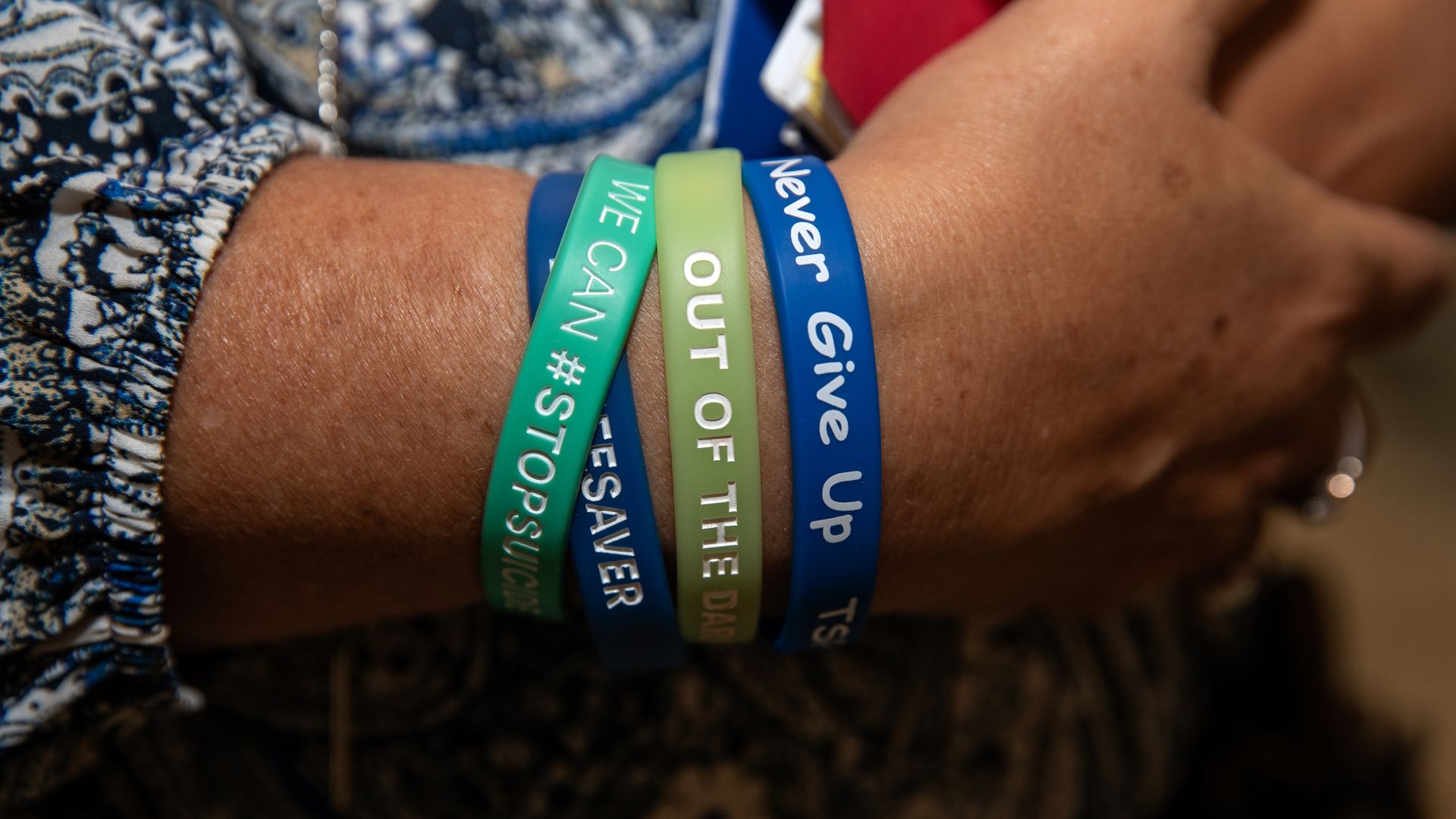
Coinciding with World Suicide Prevention Day, Facebook is announcing a series of policy changes designed to keep users from encouraging self-harm, while also trying to preserve the ability for people to discuss their struggles without shame.
51 Business Roundtable CEOs, including those from Amazon, AT&T and IBM, sent a letter to congressional leaders on Tuesday asking that consumer privacy legislation be fast-tracked into law.
Why it matters: Now more than ever politicians and government agencies are trying to outline how to hold companies accountable when it comes to keeping consumers' data safe. Both Facebook and YouTube settled with FTC regulators over privacy violations recently, setting off a broader reckoning around data privacy in the era of Big Tech.




/2019/09/10/1568153123526.gif?w=3840)