Netflix stock was down more than 10% in after-hours trading Wednesday following the company's announcement that it lost over 100,000 U.S. subscribers last quarter. It was expected to gain roughly 300,000 subscribers.
Why it matters: Analysts weren't expecting the streaming giant to lose subscribers, especially since rival streaming services, like HBO Max, Disney + and NBCUniversal's new service, aren't expected to launch for another year or so.
Big Tech got squeezed from both sides of the Atlantic on Wednesday.
What's happening: The EU will investigate how Amazon creates products that compete with offerings from outside merchants on its site. "Brussels is also poised to conclude a four-year probe into US chipmaker Qualcomm by fining the company for abuse of dominant position." Meanwhile, Republicans and Democrats on Capitol Hill have found common ground: Big Tech is too powerful and needs to be knocked down a peg.
Amazon HQ2 in Arlington, Virginia, is just getting started — with a smattering of employees and a new campus construction — but the surrounding housing market is already experiencing a boom in anticipation of the new demand.
Between the lines: As housing prices climb and inventory drops, experts predict lower-income residents will be priced out of their neighborhoods, just as they were in Amazon's Seattle. In Virginia, one of the most vulnerable pockets is the Latinx community in Arlandria — just two miles from HQ2.
The triumph of rich cities may hog the demographic headlines, but midsize cities' turnaround struggles under the shadow of automation will shape the urban future in the U.S., according to the author of a new McKinsey Global Institute report.
Why it matters: While 2 dozen high-performing cities are poised to pull further ahead of the rest of America, the cities to watch are those in between the mega-cities and the low-growth rural areas — the places McKinsey calls "niche cities" and the "mixed middle," according to report author Susan Lund.
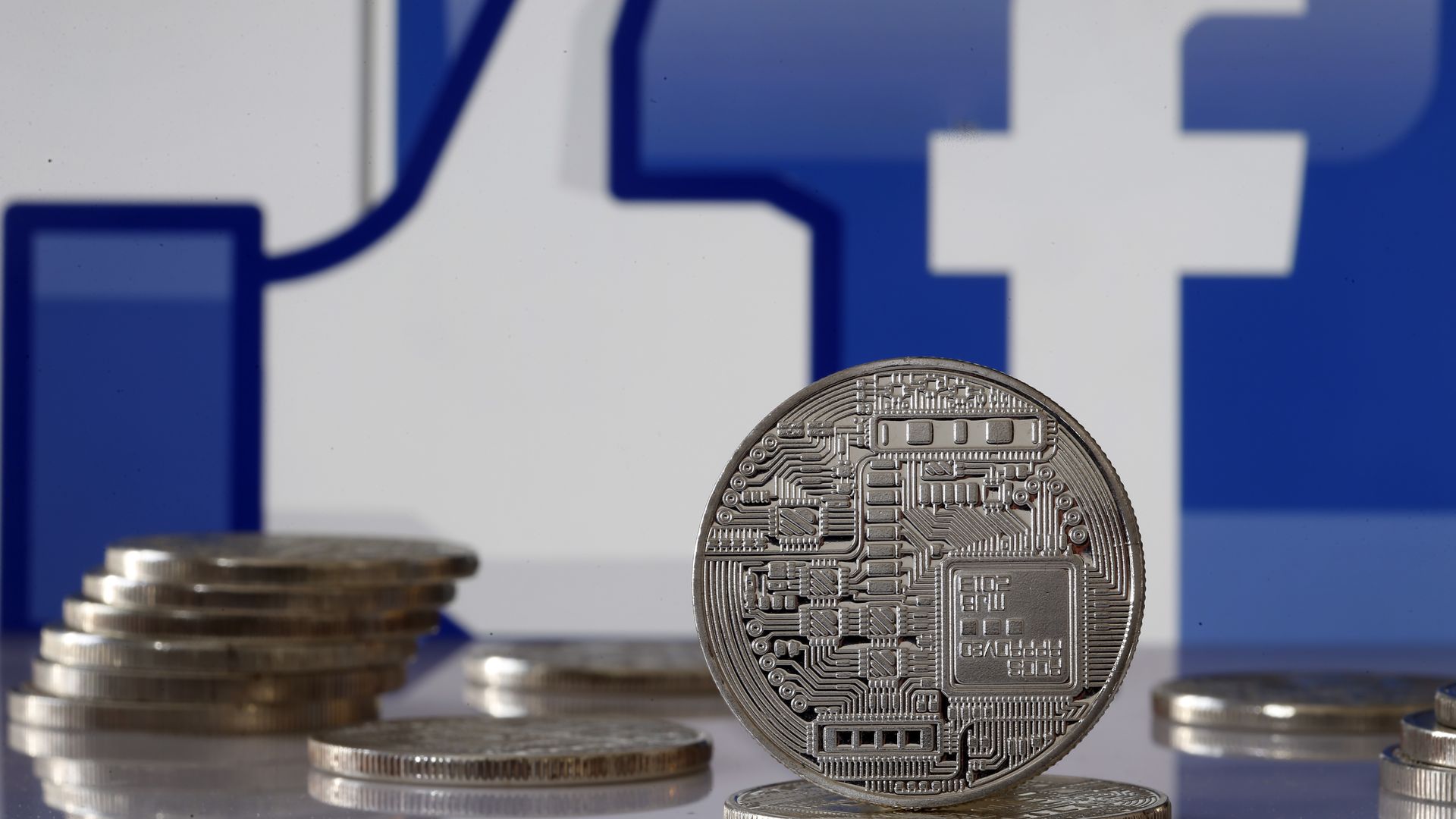
Given Facebook's multitude of missteps and scandals over the past two years, it's no surprise that legislators are skeptical of the company's plans to launch a new cryptocurrency called Libra.
Why it matters: Facebook faces a host of legal and regulatory issues around the globe amid concerns over privacy, data sharing and money laundering.
Republicans and Democrats on Capitol Hill who no longer seem able to agree on the color of the sky found common ground Tuesday across three committee hearings in both houses of Congress: Big Tech is too powerful and needs to be knocked down a peg.
Why it matters: While it's not out of the "all talk" stage yet, regulation of tech is starting to seem like something both parties can agree on — and that should worry Silicon Valley.
Today is World Emoji Day, and the good news is that the digital encapsulations of our world are starting to better reflect the world itself.
What's happening: New icons allow couples of all races and genders to better represent themselves, with dozens of new skin tone and gender combinations. There has also been work to make depictions of various professions more gender inclusive.
The shift towards automation in transportation and mobility is expected to eliminate jobs, but it could also create opportunities, like training the artificial intelligence that powers machines.
The big picture: Members of the workforce who will be impacted need to be trained in the key areas of data literacy, higher cognition decision making and emotional skills — but currently there are few organizations providing that training.
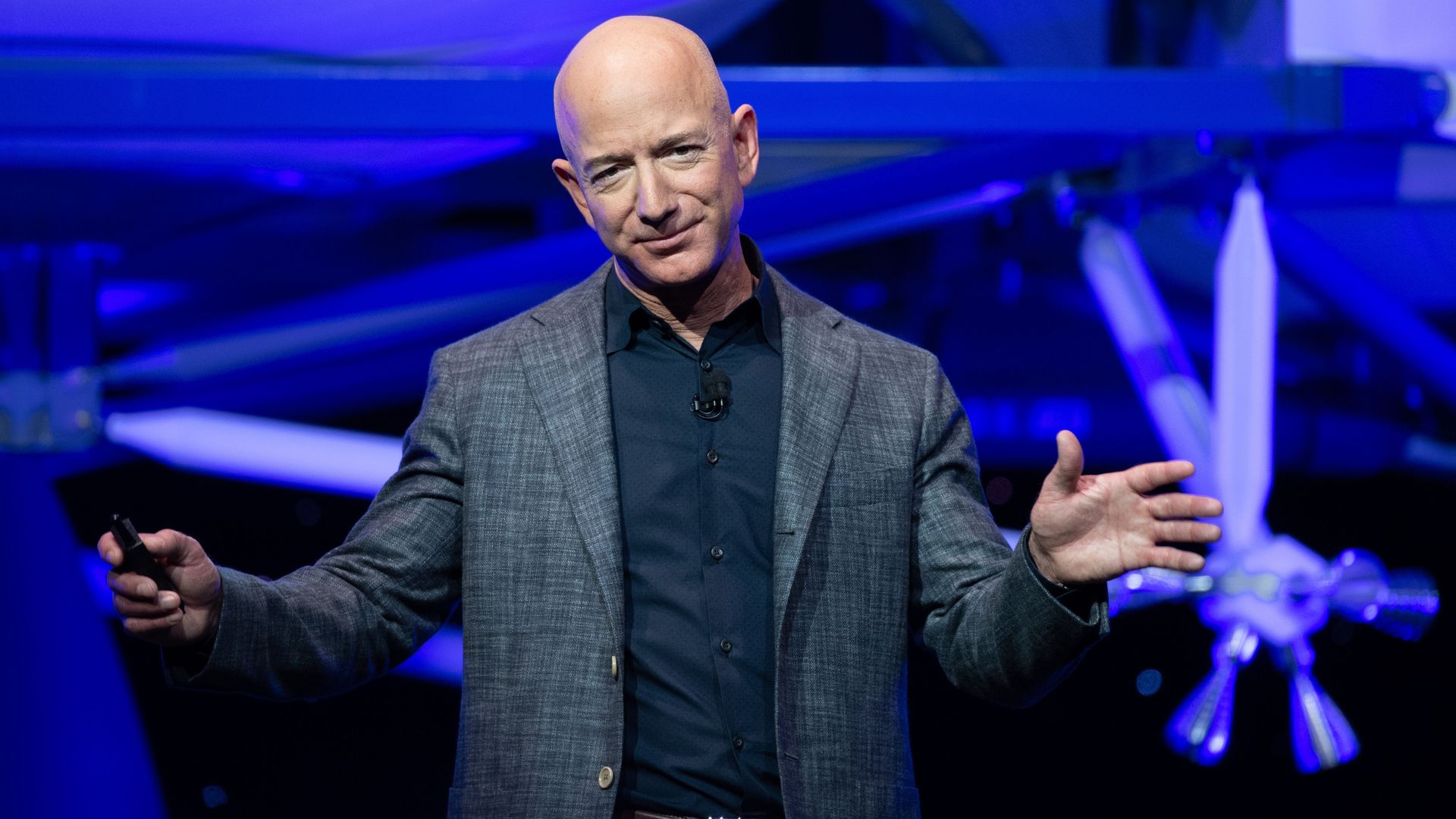
The EU said Wednesday it would investigate how Amazon creates products, like AmazonBasics batteries or Solimo brand razors, that compete with offerings from outside merchants on its site.
Why it matters: It's a major new wave of scrutiny for the retail giant at a time when it is also under fire in the U.S.
Four of the biggest companies in tech defended themselves Tuesday from charges they’ve become monopolies, choking small business and hurting consumers in the process.
Why it matters: The hearing in the House Judiciary Committee’s antitrust subcommittee previewed how Facebook, Amazon, Google and Apple will make their case should regulators come knocking with the threat of lawsuits or breakups.
Google faced stern words from both sides of the aisle at a Senate Judiciary subcommittee hearing about its power over online content Tuesday afternoon.
Why it matters: As new privacy regulations and antitrust initiatives aimed at Big Tech build momentum, everyone on Capitol Hill seems to have their own set of gripes with the companies, leaving them little political safe harbor.
As automation gnaws at the economy, Fortune 500 companies have come out with training programs to prepare their workers for a future in which their jobs change significantly — or cease to exist at all.
Why it matters: Alongside those programs, a for-profit, training-as-a-service industry is emerging —firms that will come into your company and train everyone for you. Amazon, with its troves of data and cash, may be best positioned to dominate this new reskilling-in-a-box business.
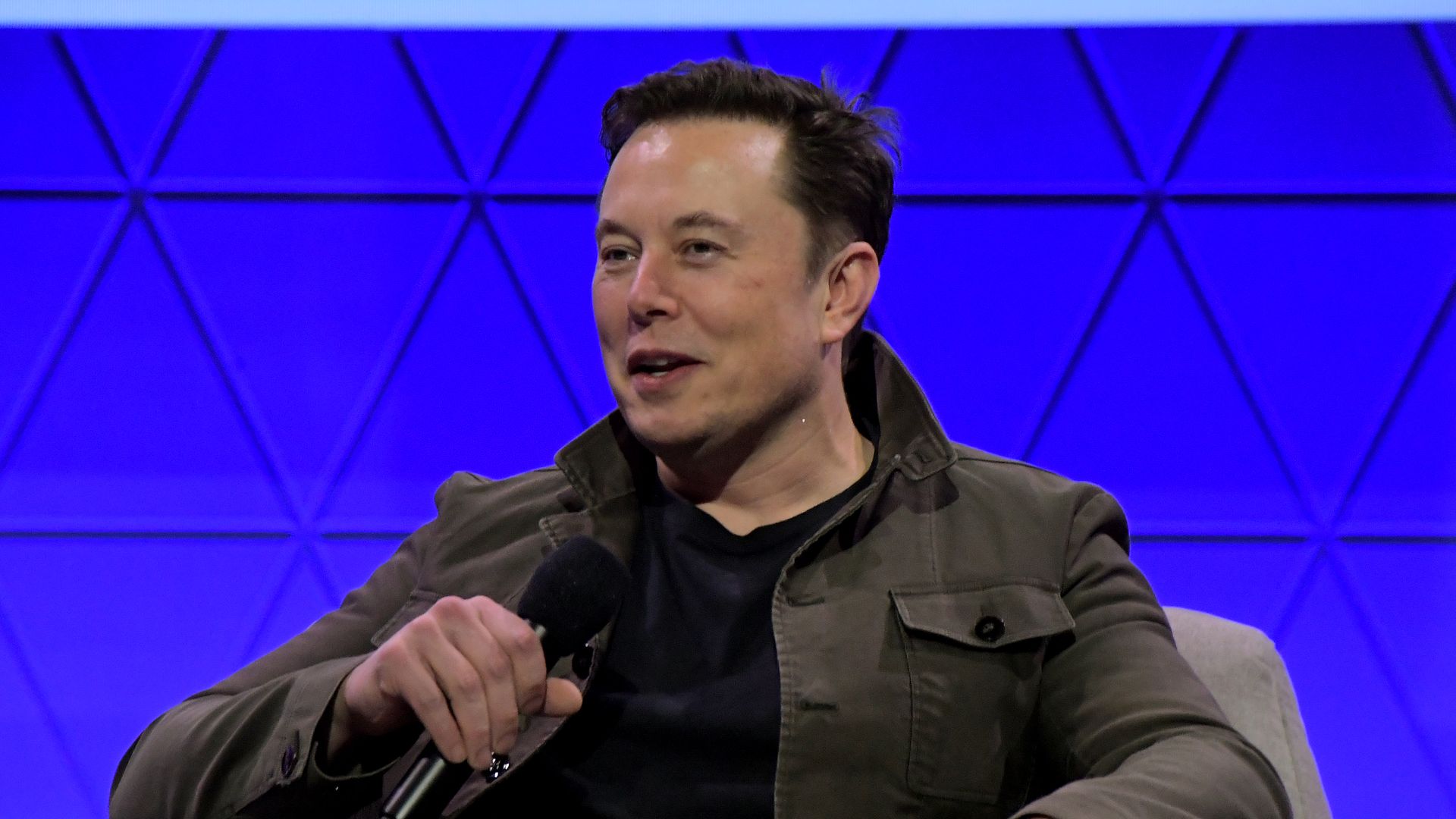
Elon Musk said Tuesday night his company Neuralink "aspirationally" hopes to start trials next year on directly connecting people's brains to computers.
Details: Musk said at the live-streamed San Francisco event that the team had begun testing the brain-reading "threads" on animals. "A monkey has been able to control the computer with his brain," he said. A key goal of the team is to one day effectively treat brain disorders with a chip.



/2019/07/17/1563368466186.gif?w=3840)