UbiquitiLink has raised $5.2 million from Revolution's "Rise of the Rest" Seed Fund and Blazar Ventures, Axios has learned, bringing the commercial space startup's total funding to $12 million.
Why it matters: Falls Church, Va.-based UbiquitiLink is testing the first "cell towers in space" to provide satellite-powered internet service — directly to consumers' cellphones — in rural and unserved areas. According to FCC data, 31% of rural residents don't have fixed broadband service.
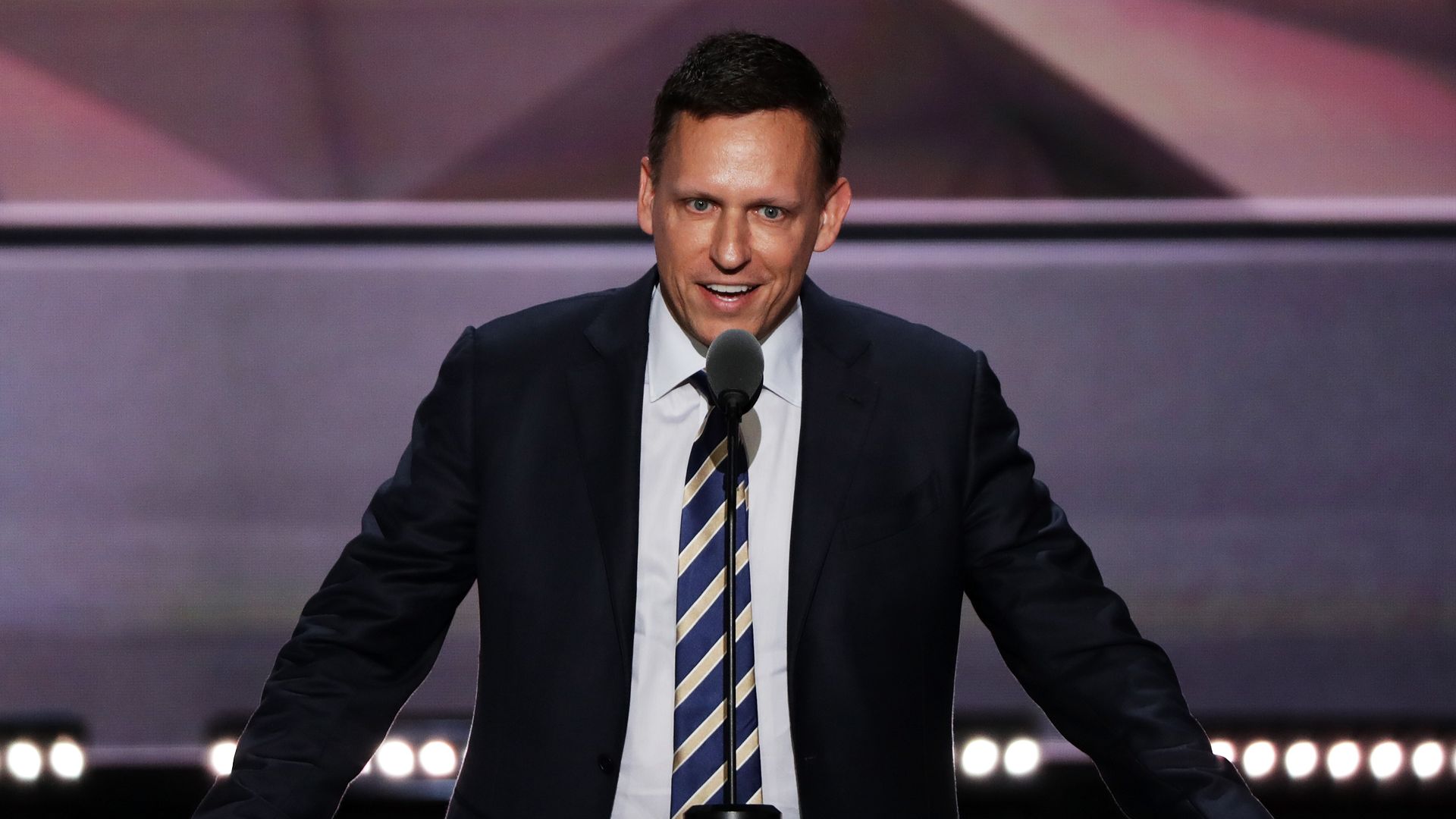
Investor Peter Thiel's charge Sunday that Google is in bed with China apparently wasn't a one-off attack. It's increasingly looking like the first shot on a new front in the war between Trump's Washington and Silicon Valley.
Why it matters: Tech companies are already defending themselves against charges of privacy invasion, political bias and monopoly power. Now, they're being accused of being unpatriotic — and even treasonous.
New reports suggest that YouTube, the incumbent king of internet video, is losing ground to newer upstarts like TikTok and Twitch that are capturing the attention of young consumers and brands.
The big picture: YouTube's market problems are being compounded by intense scrutiny from regulators and advertisers — challenges that until recently have landed more in Facebook's lap.
President Trump tweeted Tuesday that his administration "will take a look" at billionaire tech investor Peter Thiel's statement over the weekend that Google should be federally investigated for allegedly aiding the Chinese military.
Why it matters, per Axios' David McCabe: Thiel is the tech industry's highest-profile Trump supporter, and one of the most powerful players in Silicon Valley.
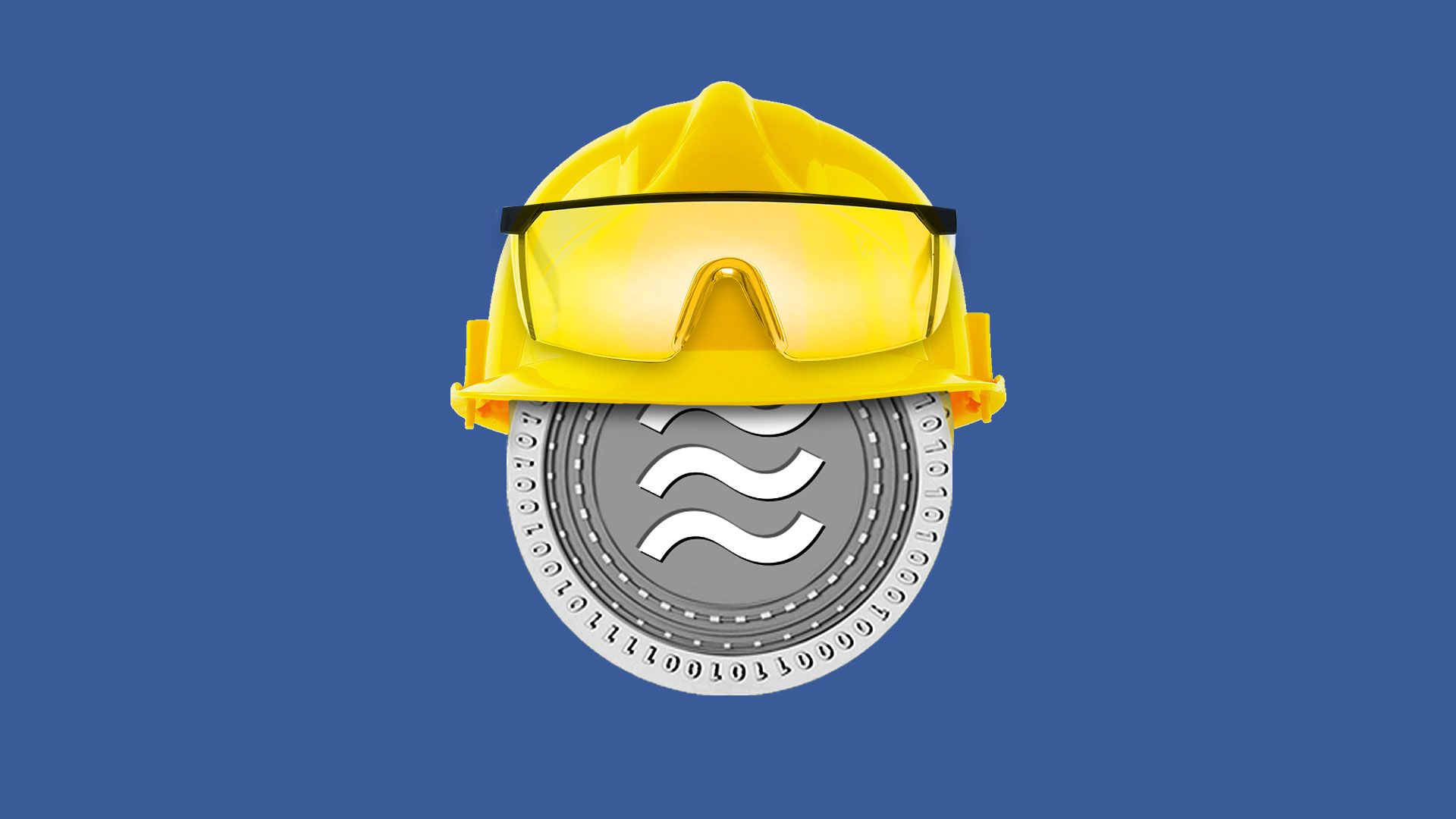
Thanks to Facebook entering the space, the grown-ups have come in to turn on the lights and throw cold water on the cryptocurrency party.
The big picture: Facebook's dive into cryptocurrency with its Libra project has put digital payments squarely in the bullseye of government regulators, just as Bitcoin and other cryptos had started to rebound in value.
Machines may be better than humans at a critical part of the drug-discovery process — and billions of dollars are riding on their abilities.
Driving the news: Google's DeepMind recently "beat seasoned biologists at predicting the shapes of proteins, the basic building blocks of disease," Bloomberg reports. Startups, big biotech companies and venture capital firms are all starting to take notice.
Facebook’s cryptocurrency plans will face scrutiny in two Congressional hearings this week, during which company exec David Marcus will attempt to abate lawmakers’ concerns.
The big picture: Facebook’s foray into cryptocurrency has caught the attention of Congress like no previous cryptocurrency. As Fed chairman Jerome Powell said last week, any problems with Libra "would arise to systemically important levels just because of the mere size of the Facebook network."
Snap Inc. has hired Laura Nichols, formerly head of communications of National Geographic Partners, as vice president of communications, Axios has learned. Nichols will be based in Washington D.C. and will lead communications around Snap’s global policy, social impact, and its content arm, Discover.
Why it matters: It's the first time Snap is hiring someone to manage its policy communications in Washington D.C. It's also the first key hire made by Snap's chief communications officer Julie Henderson since she joined the company in late 2018.
Domestically, automation is often viewed with trepidation for its potential to kill jobs and bring on social unrest. But when you are talking tech competition among nations, political leaders suddenly become nationalists. Right now, the latter is the commanding position.
What's going on: Trump has made a policy cornerstone out of his trade war with China, elevating the automation-breeds-competitiveness argument. Companies could be propelled toward faster automation and accelerate a coming topsy-turvy future of work.
Much of the discussion around the future of work focuses on what is already disappearing: jobs in factories, on farms, and in restaurants.
But coming automation-fueled job losses and changes will reverberate far beyond — and eventually reach seemingly safe workers in Silicon Valley and on Wall Street.
If you're an optimist about the robotic future, you likely hear talk that we're all going to lose our jobs or suffer a big pay cut, and tell friends to relax — the new technology revolution is going to turn out like all the others since the dawn of the Industrial Age.
But if history is your best hope, you should probably think again: The pessimists have a strong case.
Dan and Axios tech reporter David McCabe discuss venture capitalist Peter Thiel's attacks on Google, just days after a White House airing of grievances over perceived social media bias.
News that Facebook reached a $5 billion settlement with the Federal Trade Commission had critics fuming and Facebook shareholders breathing a sigh of relief.
Driving the news: The New York Times and the Wall Street Journal both reported on Friday afternoon that the FTC had voted 3-2 along party lines to approve a deal, with Democrats reportedly holding out for tougher conditions.
The optimism usually radiating from billionaire Bill Gates when it comes to climate change is starting to fade on one of his biggest technology bets: nuclear power.
Driving the news: The Microsoft co-founder has focused much of his time lately on climate change and energy innovation. In an exclusive interview with Axios, Gates said that setbacks he is facing with TerraPower, a nuclear technology firm he co-founded in 2006, has got him questioning the future of that entire energy source.
Peter Thiel, billionaire investor and Facebook board member, on Sunday night said that Google should be federally investigated for allegedly aiding the Chinese military.
Why it matters: Thiel is the tech industry's highest-profile Trump supporter, and one of the most powerful players in Silicon Valley.






/2019/07/15/1563231562217.gif?w=3840)

/2019/07/15/1563215416228.gif?w=3840)