Get ready for a debate over the role of private security cameras, particularly the doorbell cameras used in services like Ring and Nest, owned by Amazon and Google, respectively.
What's happening: Law enforcement and cities actively subsidize Ring cameras, in exchange for potential access to the footage, the AP reports. And some departments use Ring’s Neighbors app, which encourages residents to share videos of suspicious activity.
At least 8 browser extensions sold extremely sensitive data about their users to a data broker, who then sold access to that data in real time to unknown buyers, according to a report from researcher Sam Jadali.
Why it matters: The broker sold a continuously updated list of what sites users visited, including page titles, location and computer information about the user. That data, viewed in near real time, can severely hamper user privacy and security.
The government of Kazakhstan has started intercepting all of the secure HTTPS traffic within its borders.
Why it matters: The move is yet another example of the Balkanization of the once-global internet, as different countries seek to monitor or restrict what citizens can see. Authorities in China, Russia and other parts of Asia and Africa have all considered or imposed restrictions on their citizens' internet access.
This week I'm driving the 2019 Mazda3 hatchback, which starts at $23,600, but with the premium all-wheel-drive package, sells for $28,900.
What's new: The hatchback's Polymetal Gray is a newly developed exterior paint option that fuses the hard appearance of metal with the glossy smoothness of plastic for a unique look.
Tesla is beginning to behave like the Detroit Three carmakers during their most desperate days.
Why it matters: By pumping incentives and slashing prices, the electric car manufacturer is signaling that it prioritizes vehicle deliveries and cash generation over margins.
In December 2013, President Obama was meeting with a group of tech leaders, each urging the government to limit its increasingly widespread digital surveillance activities.
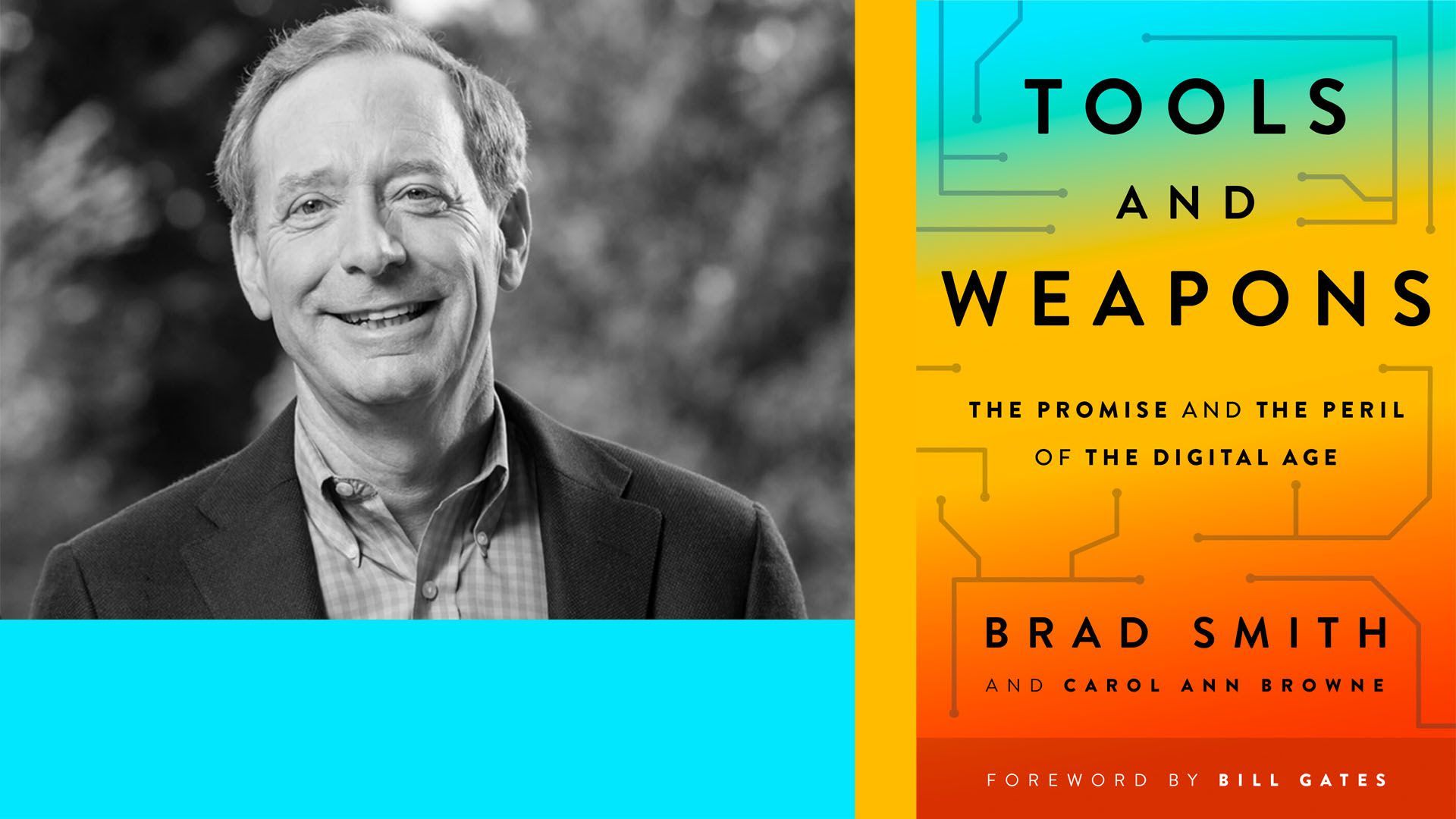
What happened: Obama, while addressing concerns, also made the prescient suggestion that the tech industry might want to prepare for questions of its own about the gathering and use of data. "I have a suspicion the guns will turn," Obama said, according to one of the participants, Microsoft president and longtime attorney Brad Smith.
In the first signs of a mounting threat, criminals are starting to use deepfakes — starting with AI-generated audio — to impersonate CEOs and steal millions from companies, which are largely unprepared to combat them.
Why it matters: Nightmare scenarios abound. As deepfakes grow more sophisticated, a convincing forgery could send a company's stock plummeting (or soaring), to extract money or to ruin its reputation in a viral instant.
Imagine a convincing fake video or audio clip of Elon Musk, say, disclosing a massive defect the day before a big Tesla launch — the company's share price would crumple.
Elon Musk on Tuesday revealed new details about Neuralink, his brain-computer interface company that first aims to help those with brain injuries and then protect humanity from AI. Dan and Axios' Kaveh Waddell discuss.
A viral photo-filter app that lets people see older versions of themselves is highlighting concerns about handing personal information to overseas-developed apps, as well as any app that has vague privacy policies.
What's new: FaceApp, which has gone viral before, has re-emerged as the most popular iPhone app as people flock to post their digitally aged selves on social media. The app, owned by Russia's Wireless Lab, has risen to the top of Apple's App Store and #FaceAppChallenge has exploded on social media.



/2019/07/19/1563510383172.gif?w=3840)


/2019/07/18/1563477066850.gif?w=3840)

