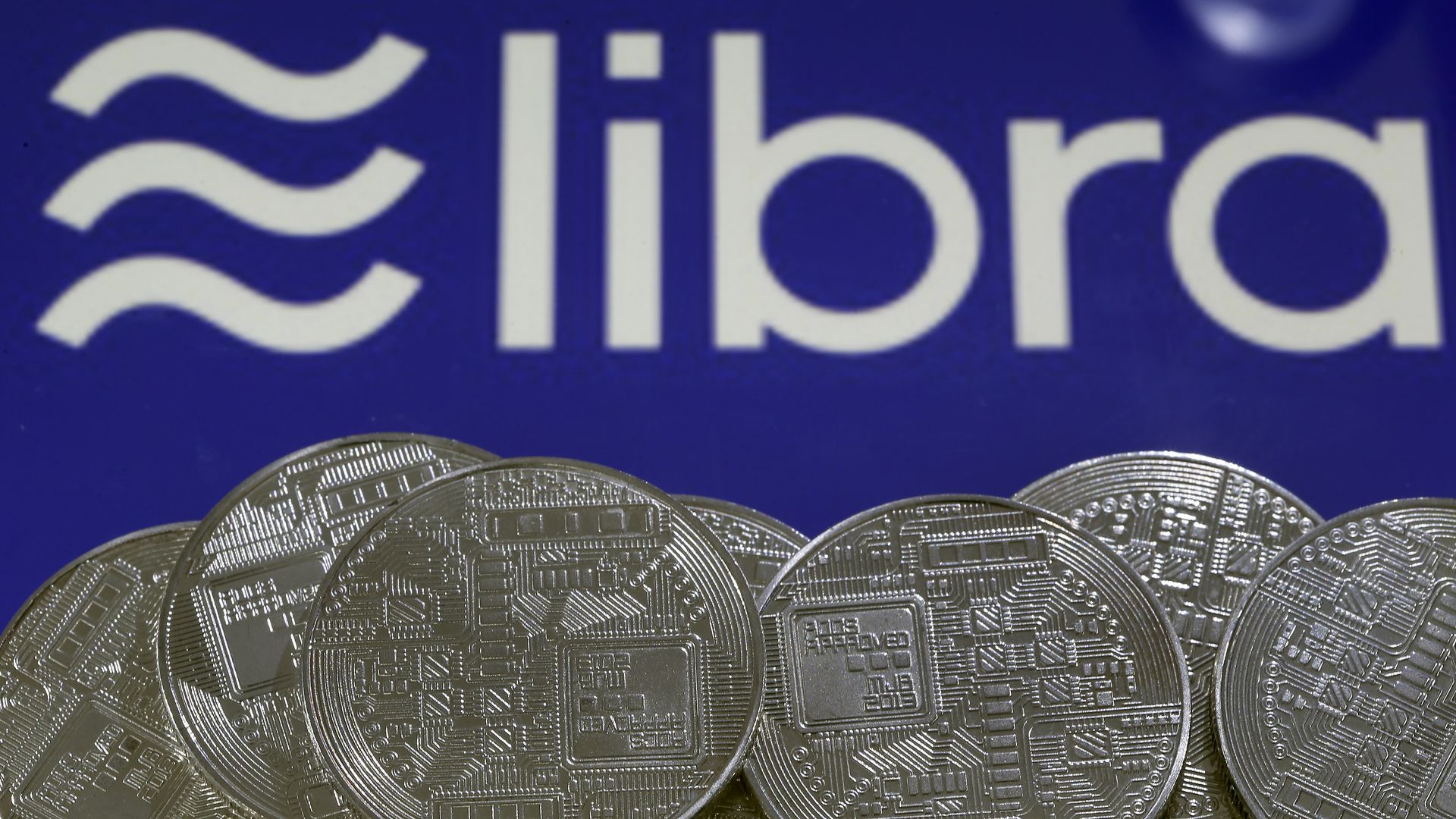
With Facebook's announcing its Libra cryptocurrency, scammers have flocked to purchase domains that could easily be mistaken for legitimate Libra sites, say threat intelligence group Digital Shadows.
The big picture: Not all of the roughly 250 Libra and 100 Calibra sites that were registered within 24 hours of Facebook's June 18 announcement are scams.
"A lot of them are parked domains," said Digital Shadows' Harrison Van Riper, but the company has already found several sites deliberately trying to trick consumers into giving up cash.
This week I'm driving the sweet Audi RS 5 Sportback, a high-performance sedan with room for 5 and plenty of cargo. It's a car that is somehow practical and exhilarating at the same time.
The big picture: Gearheads will rave about its performance — the power of the 444-hp, 2.9-liter twin-turbo V6 engine, the sprint from 0 to 60 mph in 3.8 seconds, and the precision handling on tight turns.
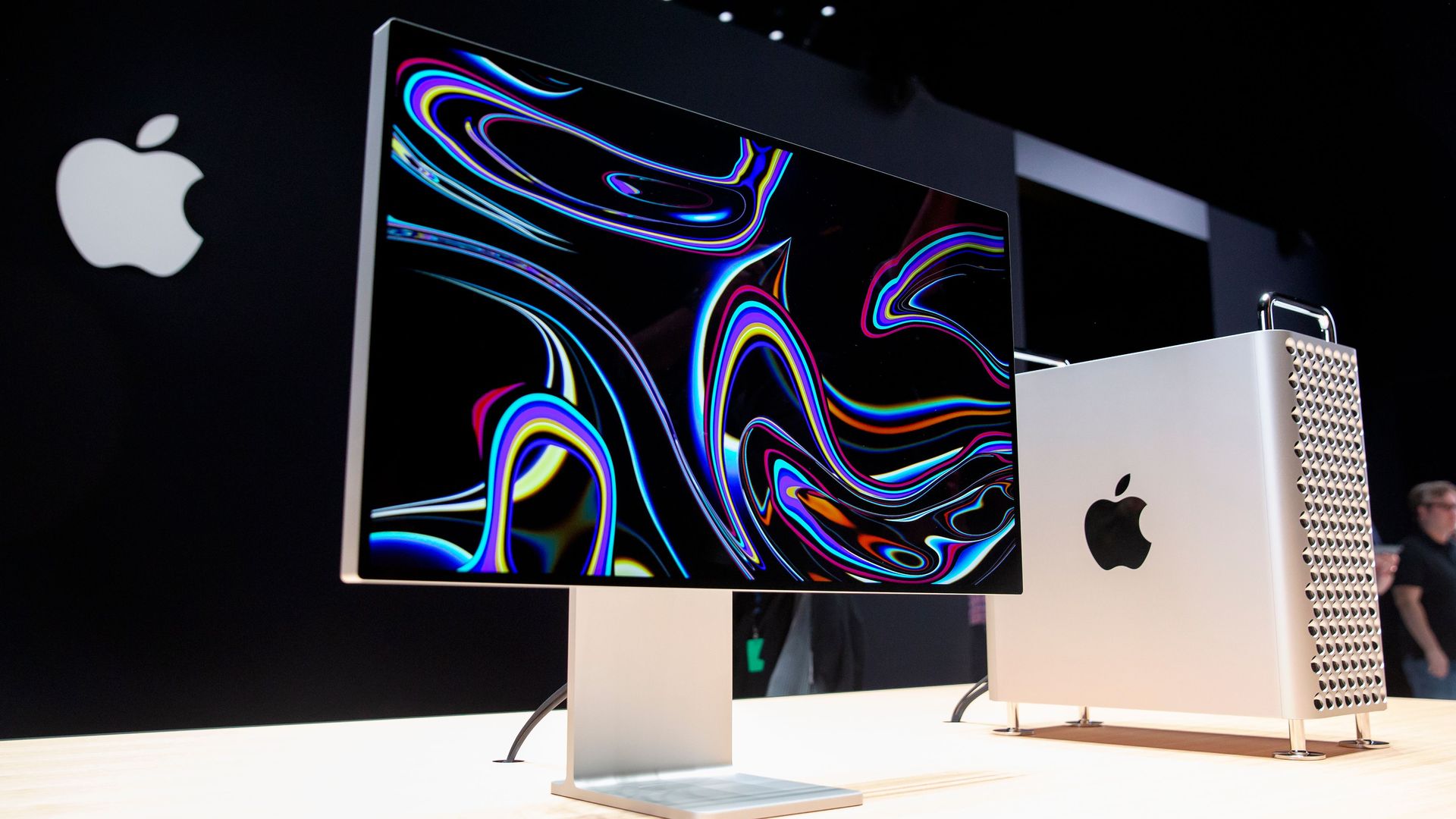
Apple is moving the production of its Mac Pro desktop from the U.S. to China — even as trade tensions grow between the 2 countries, the Wall Street Journal reports.
Why it matters: The company has invested hundreds of millions of dollars into manufacturing the computer in the U.S., and that money will now be going to China, says the WSJ. An Apple spokesperson told the WSJ that all products are still designed and engineered in the U.S., and some components are U.S.-made.
The big picture: The WSJ reports that although the Mac Pro isn't one of Apple's biggest products, the decision has outsized importance. Its dependence on Chinese manufacturers has become a sore point with President Trump as his trade war with China continues. Trump's tariff threats against China could raise the cost of Apple's products, such as the iPhone.
Apple invested $100 million in Austin, Texas, in 2013 to manufacture the computer following backlash over outsourcing to China, per WSJ.
Within the last 2 years, Apple announced a second campus in Austin for customer support and operations, but not plans for new manufacturing plants in the U.S.
Details: WSJ says shipping costs will be lower for Apple because of the proximity of the Apple facility in Shanghai to their other suppliers in Asia.
Sophisticated sensor technology can be misled by the way lidar beams reflect off of something as mundane as a puddle.
Why it matters: Semi autonomous and fully autonomous vehicles are largely expected to reduce accidents, but aspects of the tech stack can introduce risk. Simulation is one way to discover scenarios that may fool sensors and train perception algorithms accordingly.
Reports of poor working conditions at Facebook contract facilities are casting a fresh spotlight on Silicon Valley's longstanding yet risky reliance on a two-tiered workforce.
Driving the news: Contract workers issued a letter on an internal forum Thursday calling for better pay and changes to non-disclosure agreements to ensure they can talk to outside therapists about issues they encounter at work. And those protests have been building for a while.
Casinos and gambling websites, already adept at tilting long-term odds in their favor, are getting a leg up from technology that could inject even more certainty into their profit calculations.
The catch: Experts worry that tweaks nudging gamers to play more — and bet bigger — could propel some toward excess and addiction.
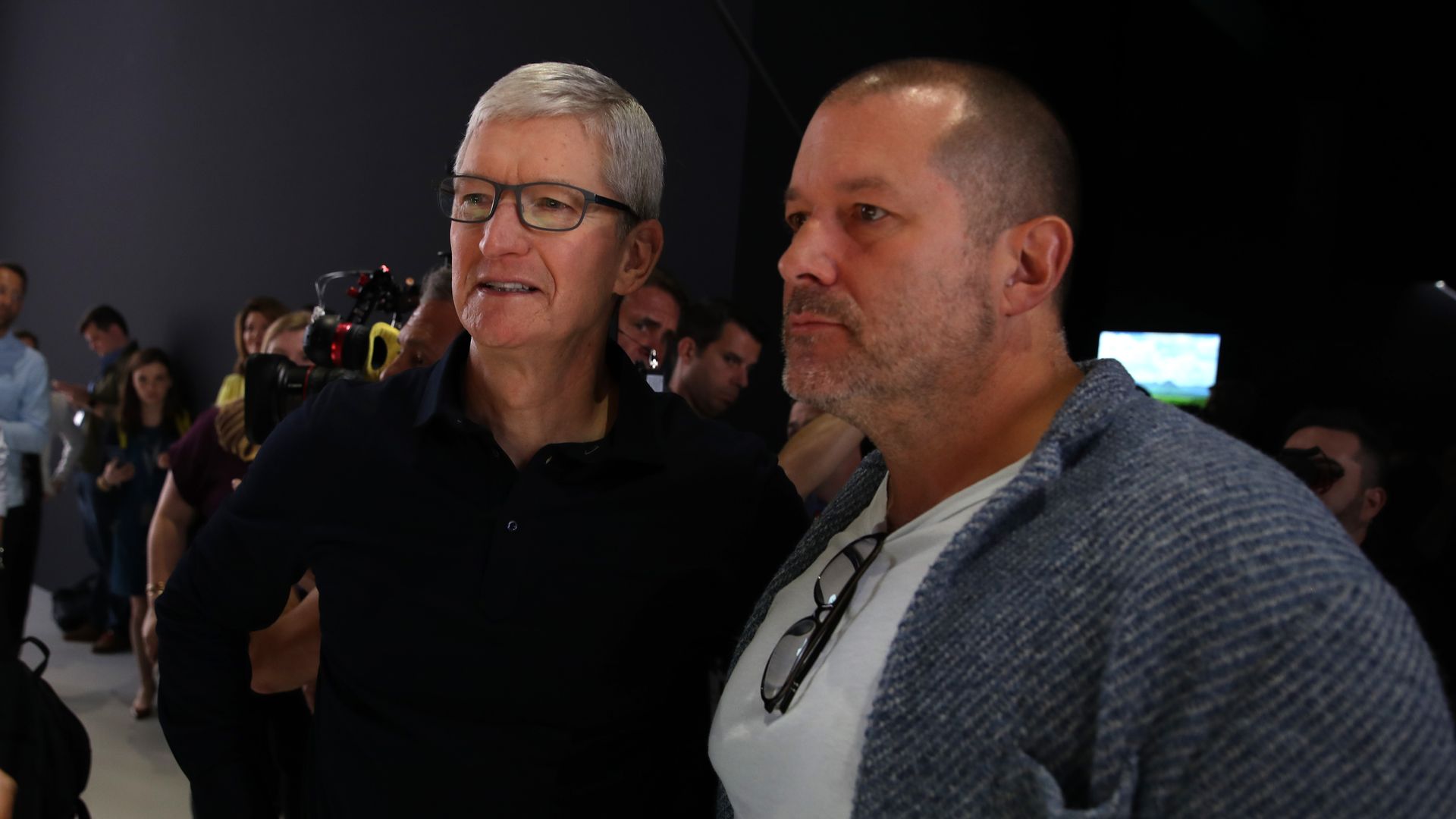
Longtime Apple design head Jonathan Ive will leave the company later this year and set up his own design shop, with Apple as one of its clients.
Why it matters: Ive has led Apple's product conception efforts for more than two decades and has been involved with nearly all of the company's iconic products, from the iMac to the iPod and iPhone. He is also seen as the Apple executive most closely aligned to the product vision of the late Steve Jobs.
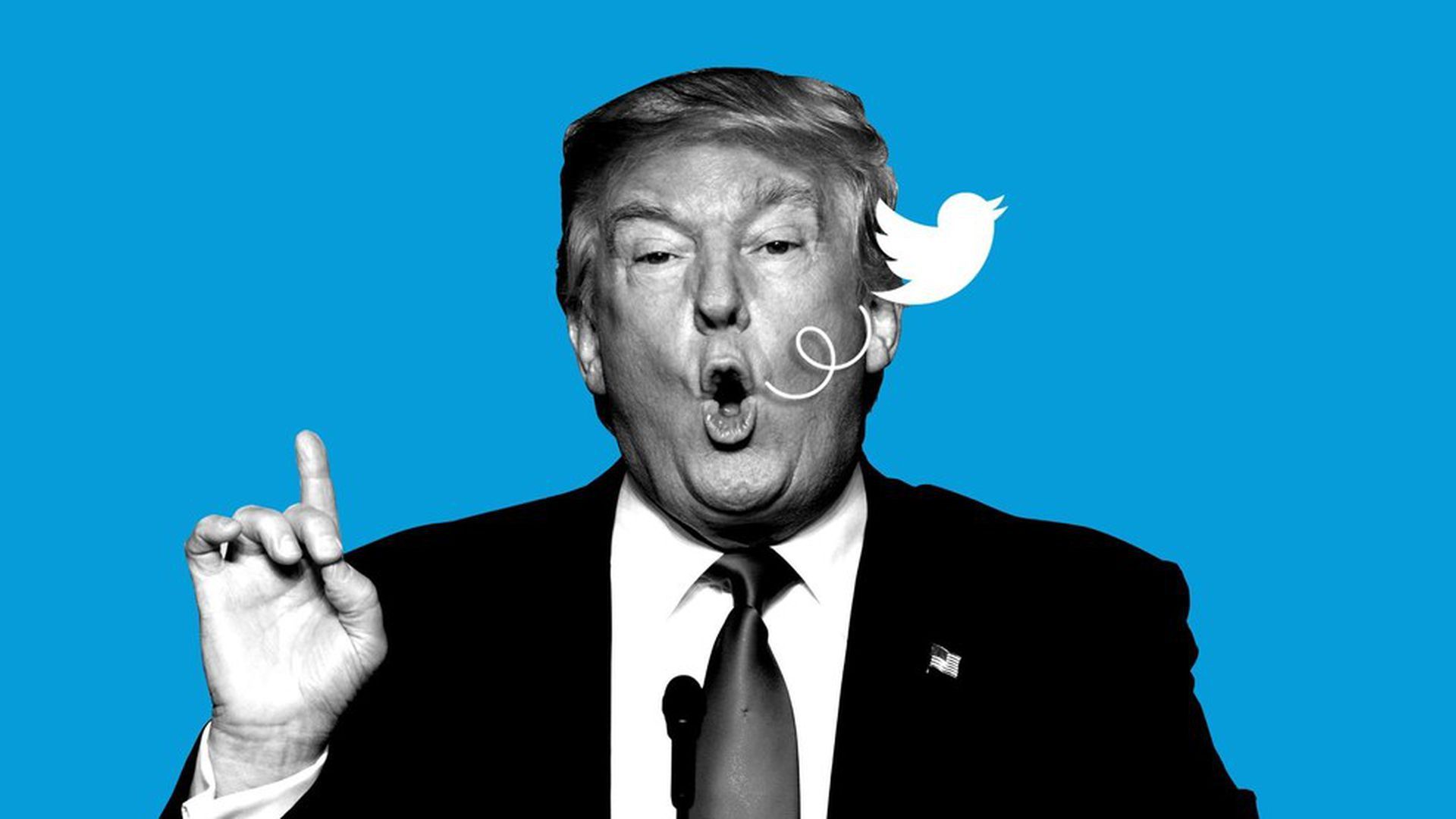
Twitter announced Thursday that it will add warning screens to tweets that violate the platform's rules, but that aren't being taken down because the service determines they are "a matter of public interest."
Between the lines: As the 2020 elections ramp up, Twitter will likely become a hotbed for political attacks, especially by President Trump — whose previous tweets targeting certain individuals have prompted petitions to have him removed from the platform. The flags add a new level of accountability to online content, abusive behavior and misinformation in politics.
Bitcoin prices have swung wildly this week, but the real crypto news has been around so-called "stablecoins" like the Facebook-backed Libra. Another new stablecoin effort is called Decentral, and includes the involvement of Stephen Moore, who was nearly nominated to the Fed by President Trump. He joins Dan on today's podcast.
Facebook is taking the next step in its effort to create an independent review board to make calls on what content should be allowed on the site.
Our thought bubble: Establishing such an oversight entity is super complicated, and the feedback shows that even experts are split over how to handle the mechanics. Also, Facebook will have to really be willing to empower the board and support its independence or it will be easily undermined.
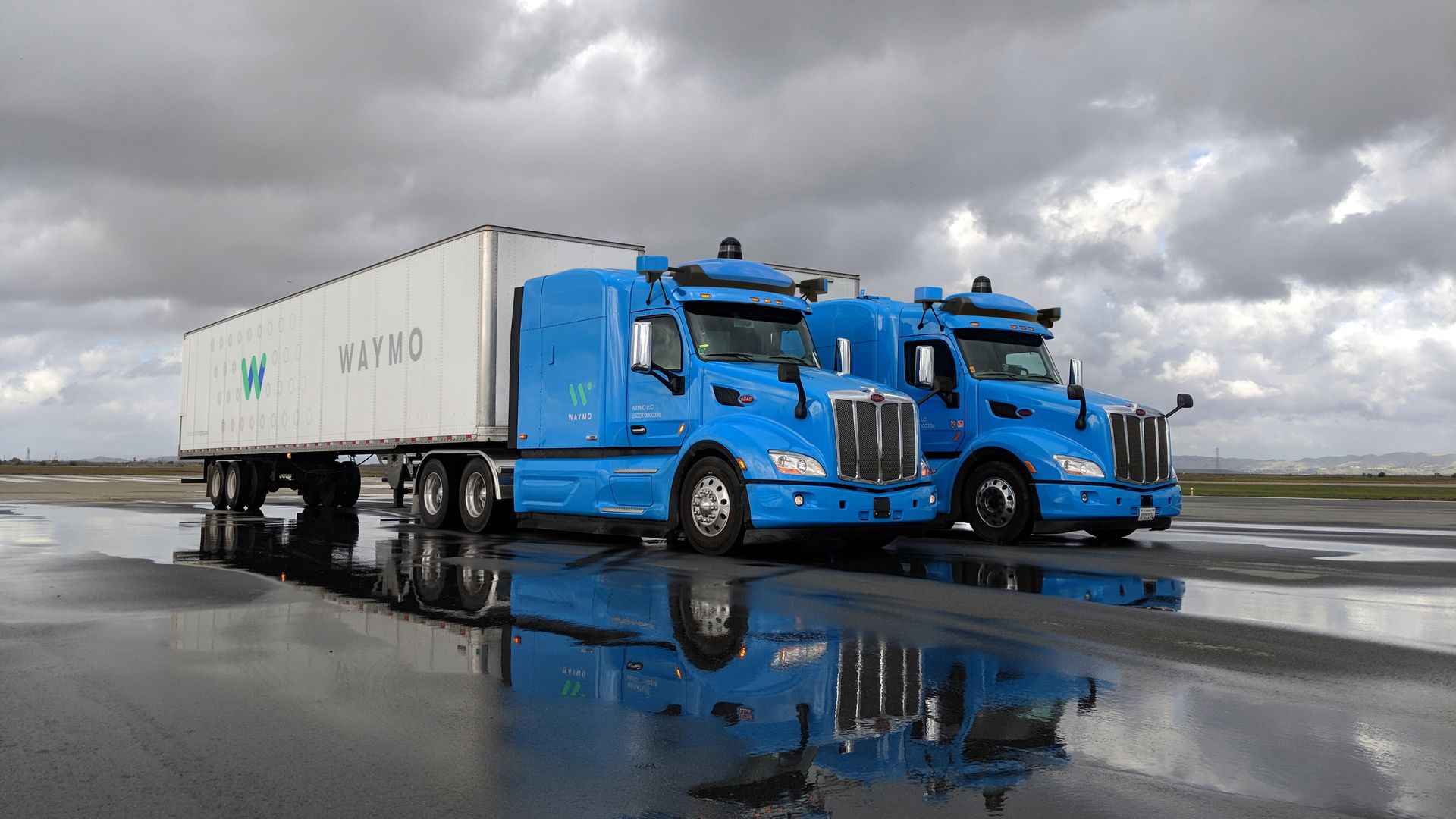
In one fell swoop, Waymo hired 13 robotics experts from defunct consumer robot maker Anki, including co-founder and former CEO Boris Sofman, to lead its nascent trucking initiative.
Why it matters: Waymo, a leader in robo-taxi development, wants to adapt its self-driving technology to other platforms, including commercial trucks. The hiring of Sofman and his all-star engineering team from Anki could accelerate that effort.
A new app aims to address a key unsolved issue of the smartphone era: a replacement for paper business cards.
Why it matters: Two decades after the Palm Pilot allowed people to beam their contact info to one another, there still isn't a great replacement for the old-fashioned paper business card.
Facebook CEO Mark Zuckerberg, whose public posture since the 2016 election has been defensive, is making a deliberate effort to show more of himself, and to be proactive about calling for Congress to regulate privacy and data.
Why it matters: With the techlash gaining momentum around the world, and 2020 Democrats targeting Big Tech, Zuckerberg is trying to get out in front of the inevitable by calling for regulation that Facebook can live with.
Less than a decade after Amazon broke into the logistics industry, it has become its own biggest shipper.
Why it matters: While the world has fixated on Amazon's moves into books, groceries and cloud computing, perhaps most formidable of all has been its swift break into a different business — package delivery.
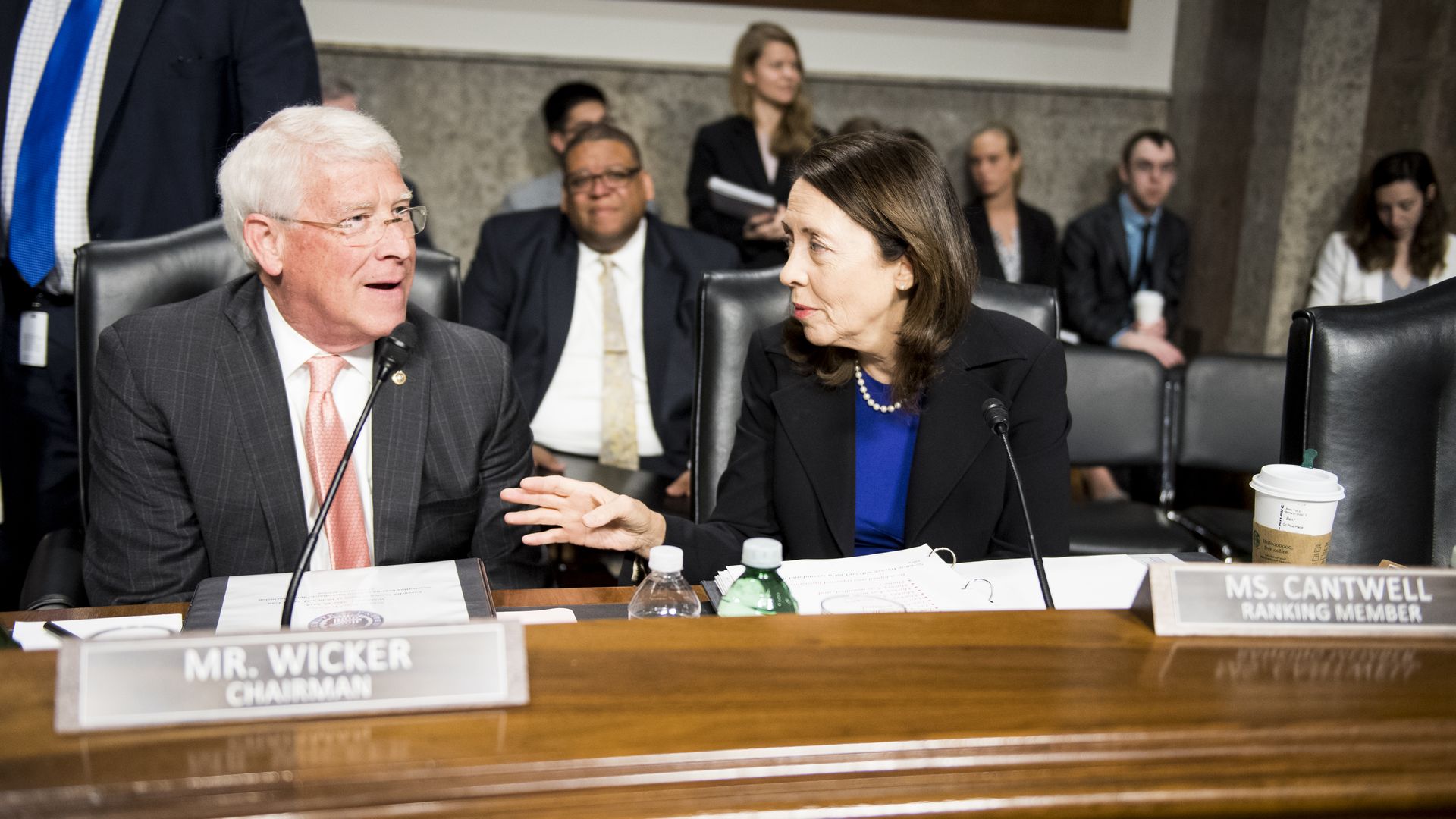
Concerns about how a possible bipartisan privacy bill in the Senate is being negotiated have complicated talks in recent days, according to multiple people familiar with the matter.
Why it matters: The talks between six members of the Senate Commerce Committee are seen as one of the more serious efforts to create a national privacy law that can address consumer concerns about data collection by companies like Google and Facebook.