Las Vegas has awarded a $48.7 million contract to Elon Musk's Boring Company to build a high-speed autonomous shuttle underneath the city's remodeled convention center, per multiple reports.
Why it matters: Sin City is the first paying customer for Musk's hyperloop idea, which was "joke-tweeted" into existence two and a half years ago, Wired magazine writes. The transit system would shorten what would be a 15-minute walk to a one-minute ride.
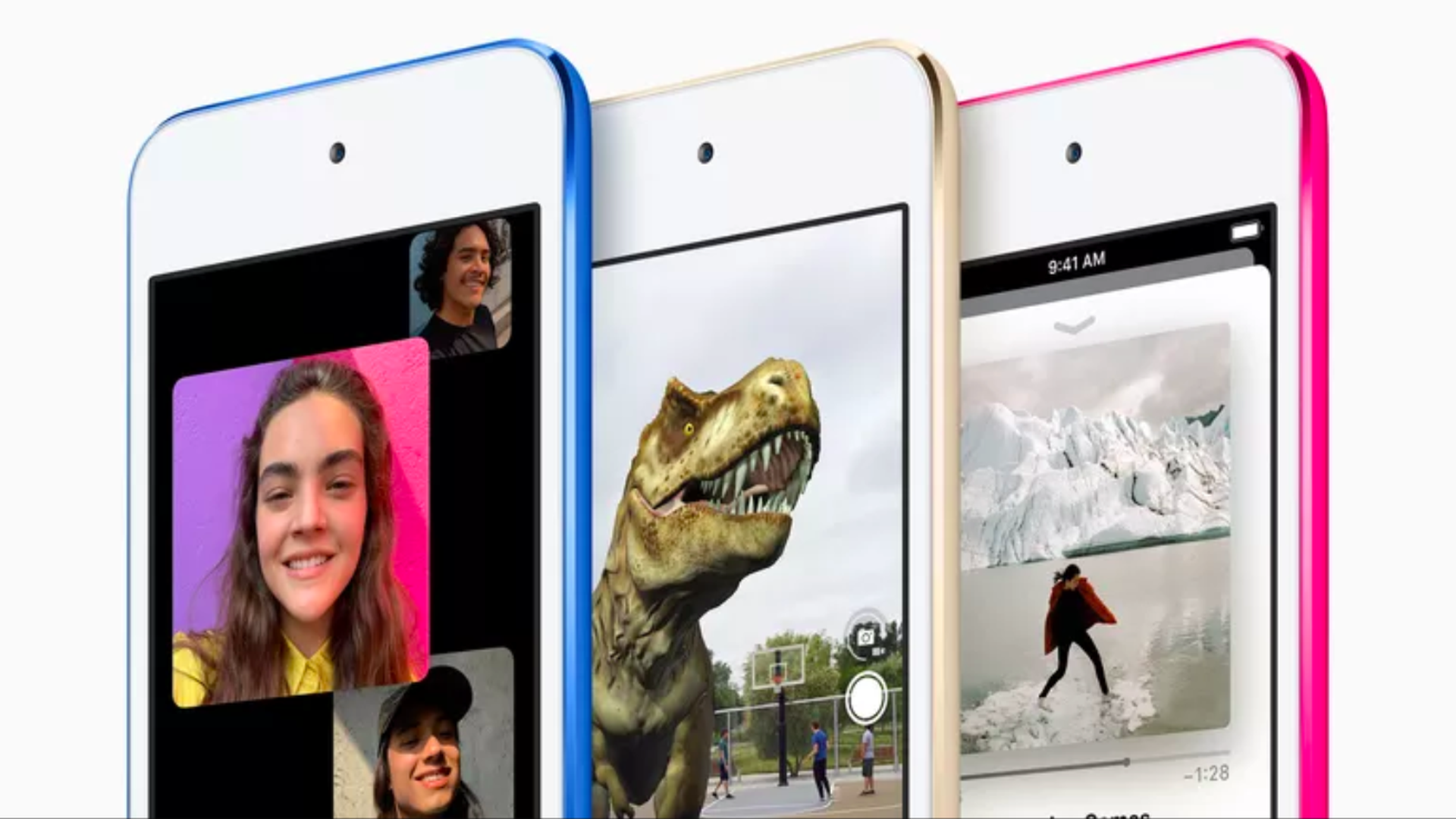
Apple updated its iPod Touch on Tuesday with a faster processor (albeit the same A10 chip that powers the iPhone 7) and support for augmented reality and group FaceTime chat.
Why it matters: It's the first update since 2015, CNN notes. The iPod Touch is no longer a top seller for Apple, but still serves a valuable role, especially as an introduction to mobile devices for kids whose parents aren't ready to get them their first iPhone. The new iPod Touch starts at $199 for a 32GB model and goes up to $399 for a model with 256GB of memory.
If you file taxes with TurboTax, use the budgeting app Mint, or run a small business with QuickBooks, Intuit — the parent company of all of these services — knows as much about you as your bank does, if not more.
Why it matters: The company can cross-sell its own products as well as products and services from third parties — like a Capital One Platinum Credit Card or a loan from Lending Club — based on what it knows about you.
Ships are the latest mode of transportation to see electric upgrades as the maritime industry faces increased pressure to reduce the greenhouse gas emissions associated with fossil-fuel propulsion.
The big picture: Passenger ferries are ideal for electric propulsion using current battery technology, which can reduce water and air pollution while providing a quiet, vibration-free trip. Short routes with frequent stops along populated shorelines offer ample opportunities to charge the battery packs.
Car companies aren’t just big business, they’re national champions. And sovereign governments are increasingly driving the evolution of the industry.
Why it matters: Carmakers are pooling resources to make expensive bets on electrification, automated vehicles and shared mobility. But with jobs and a reputation for innovation at stake, every country wants to see their homegrown industry lead the way into the future.
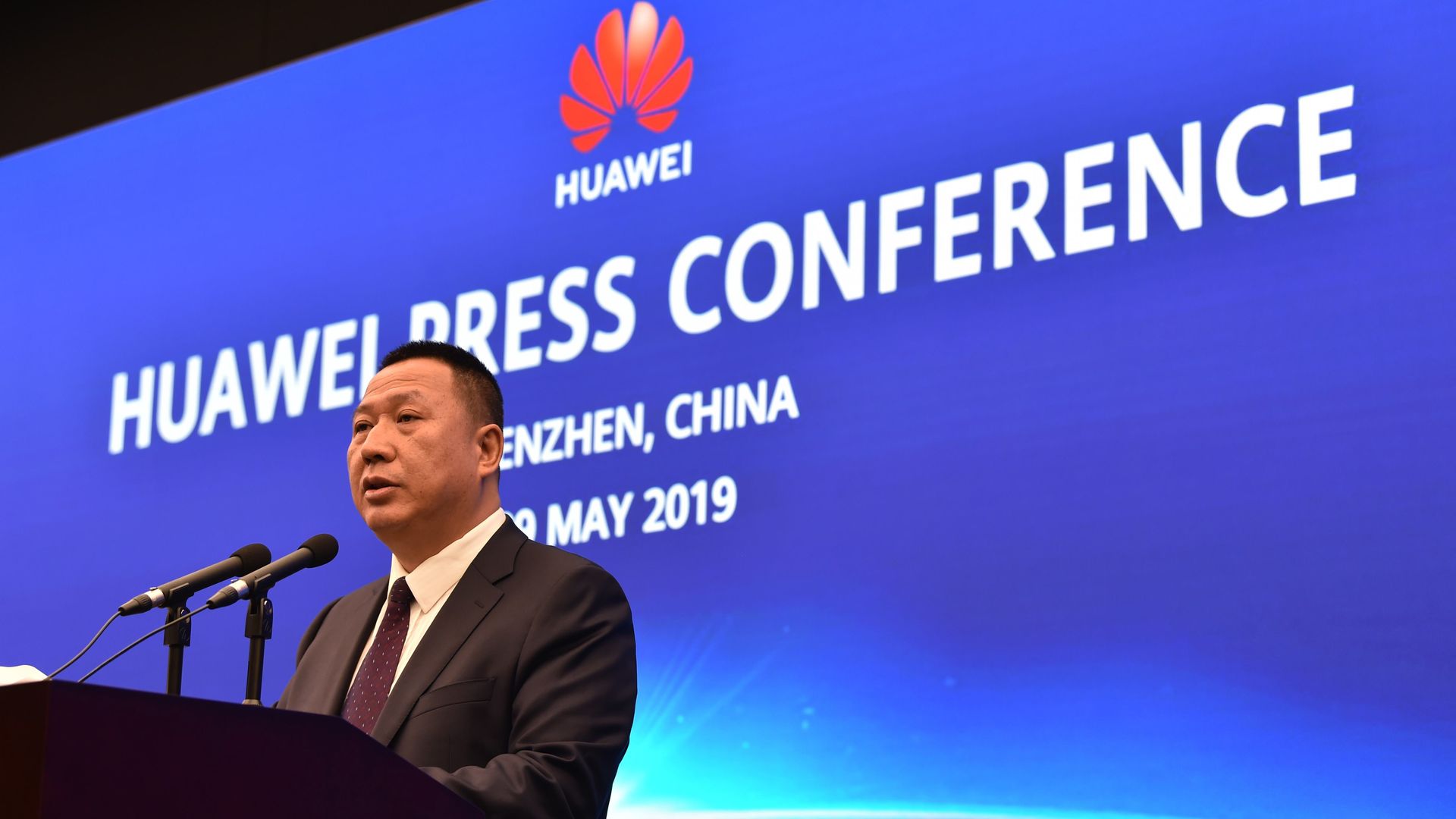
Chinese tech giant Huawei said Wednesday it had filed a motion in a U.S. court seeking to challenge United States legislation that places it on a trade blacklist, which it called "illegal."
Politicians in the U.S. are using the strength of an entire nation to come after a private company. This is not normal. Almost never seen in history."
— Huawei chief legal officer Song Liuping statement
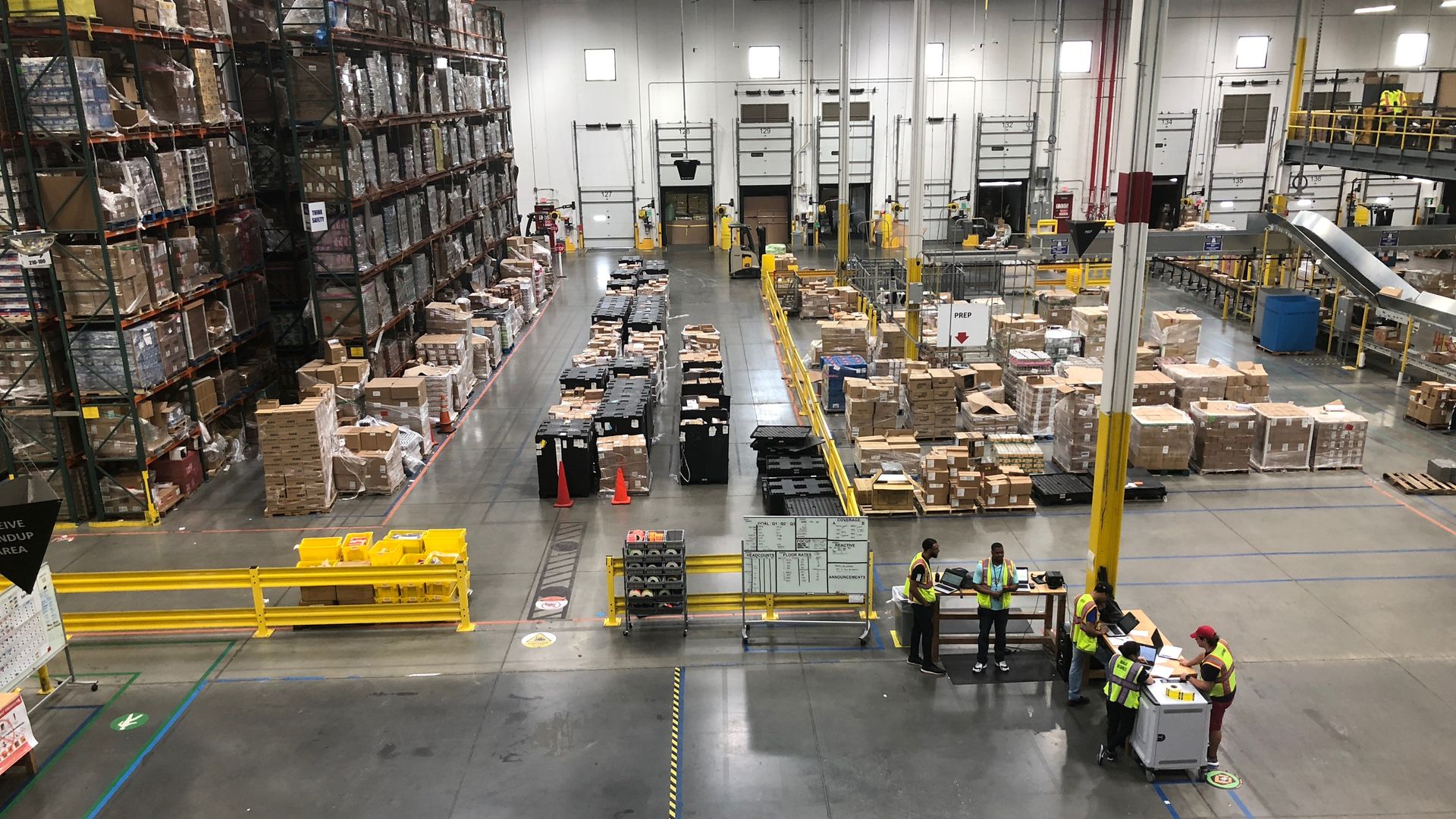
In yet another win for bigness and big companies, Amazon may be leaving the small suppliers who rely on its platform in the dust.
What's happening: Amazon is culling its supplier list, getting rid of small players in favor of big brands and conglomerates like Procter & Gamble, Sony and Lego, which offer wholesale prices, reports Bloomberg.
The Transportation Security Administration is now allowing passengers to bring Epidiolex, an FDA-approved marijuana-based drug, and some forms of cannabidiol (CBD) oil onboard aircraft.
Details: On Sunday, the TSA updated its "What Can I bring?" list, having learned of Epidiolex, which is used to treat seizures in children with epilepsy. "[A]s long as it is produced within the regulations defined by the law," some CBD oils are acceptable in checked and carry-on luggage. That does not include cannabis-infused products and CBD oils with THC, the psychoactive chemical that makes people feel high. The TSA will refer all questionable products to law enforcement.
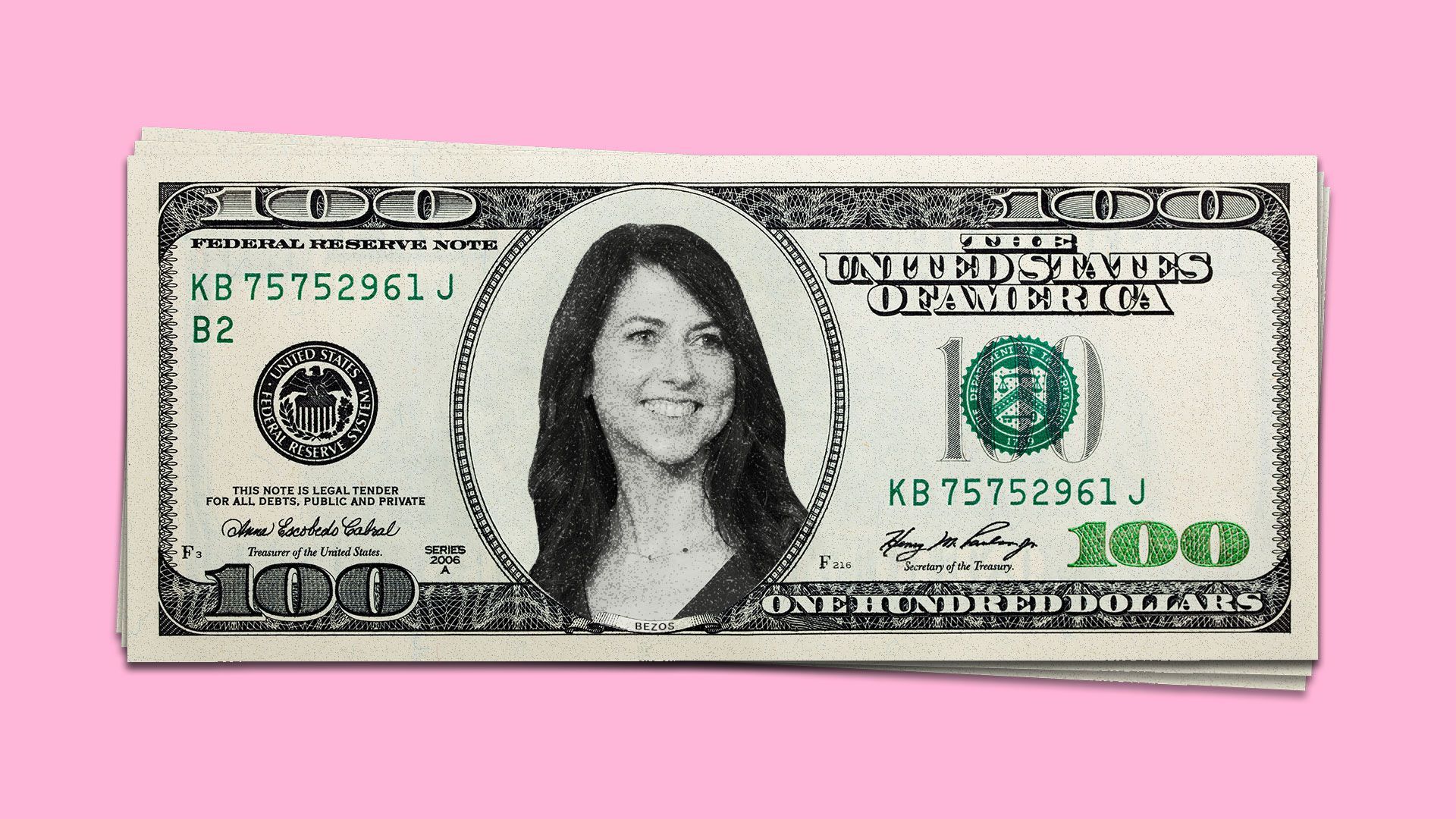
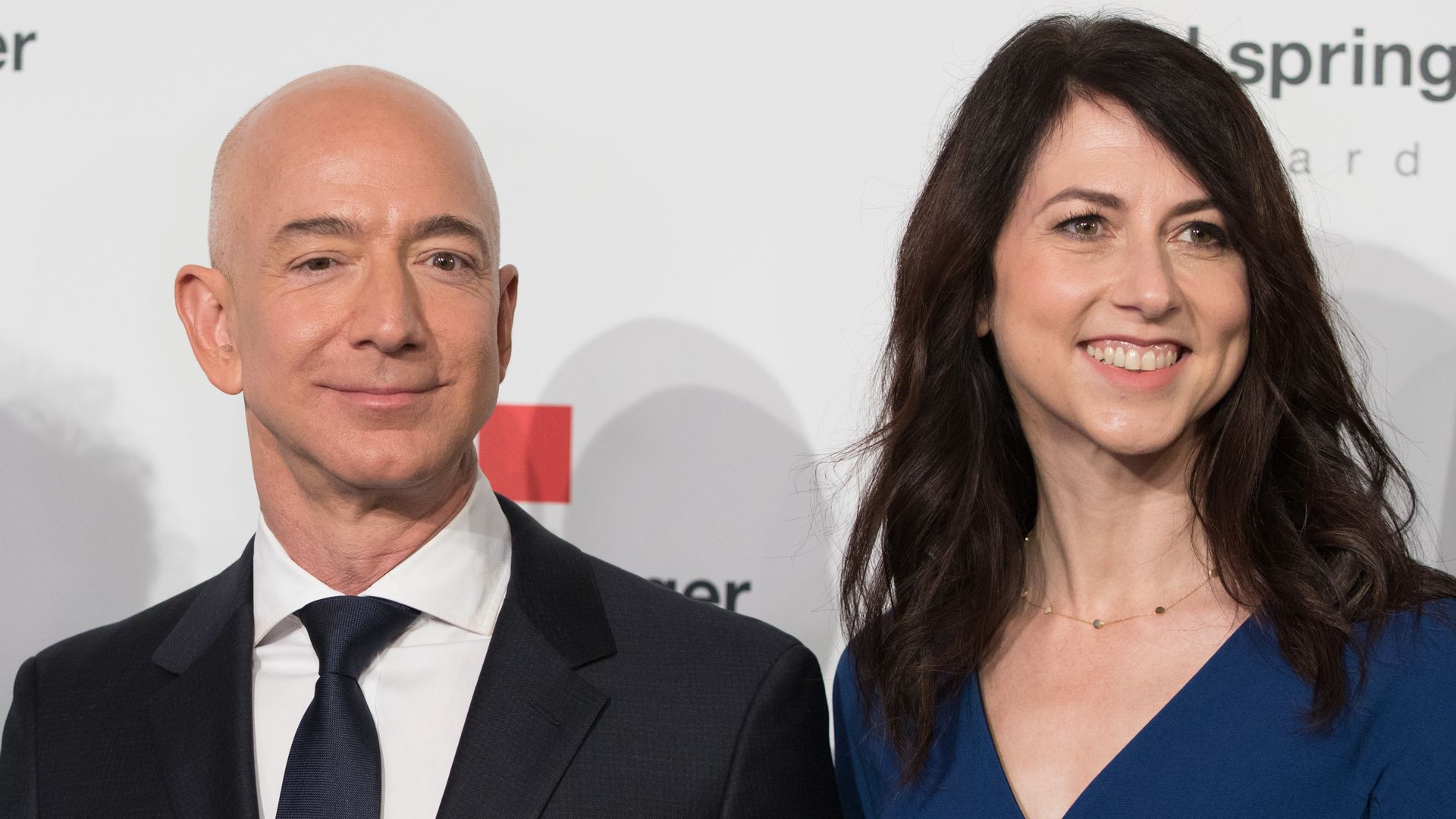
MacKenzie Bezos is part of the latest tranche of billionaires to sign on to the Giving Pledge, which commits participants to giving away at least half of their fortunes.
Why it matters: Bezos is estimated to be worth more than $35 billion after her divorce from Amazon founder Jeff Bezos. Her move opens her up to criticism over how the mega-wealthy use philanthropy.
Facebook announced Tuesday it had removed 51 accounts, 36 pages, 7 groups and 3 Instagram accounts that it said originated in Iran and were responsible for "coordinated inauthentic behavior."
Why it matters: The announcement comes as tensions between the U.S. and Iran have escalated in the wake of the Trump administration's withdrawal from a multinational agreement aimed at controlling Iran's nuclear program.
It's been a year since Europe's strict new privacy law, known as GDPR, went into effect.
What's happening: Ireland, which is tasked with investigating potential violations by most of the U.S. tech giants, has launched 19 cross-border probes, including 11 against Facebook, according to the BBC.
A new startup has acquired the assets of defunct augmented reality headset maker Meta. Meta View, as the new company is known, has hired some of the old employees but plans to use the wide-field-of-view headset technology for a particular vertical market (which it isn't identifying).
Why it matters: The once-promising technology has a new home, but its vision of a desktop computer on your face has died with the original Meta. Meta, which had developed two generations of its AR headset, abruptly closed its doors earlier this year.
MacKenzie Bezos, the ex-wife of Amazon founder Jeff Bezos, announced Tuesday that will give half of her personal fortune to charity as a part of Warren Buffett and Bill Gates' Giving Pledge:
"We each come by the gifts we have to offer by an infinite series of influences and lucky breaks we can never fully understand. In addition to whatever assets life has nurtured in me, I have a disproportionate amount of money to share."
By the numbers: After the couple's divorce in April, MacKenzie Bezos retained 25% of their jointly owned shares in Amazon, making her worth an estimated $36.6 billion.
Today's tech giants achieved success and scale by promoting their openness, but the industry's open doors are shutting, one by one.
Why it matters: Being "open" allowed tech innovators and companies to claim a sort of moral high ground. Without it, they are increasingly vulnerable to legal and regulatory restraint and popular disaffection.
Mutual funds and hedge funds have spent the past several years investing in privately-held tech startups, primarily to establish relationships that could help them get more shares when those companies go public.
What's new: Some of these same firms now seem more interested in capturing gains while tech startups are still private, with IPO optionality a secondary concern — thus bolstering fears that retail investors are often shut out of tech's most lucrative area of value creation.













/2019/05/28/1559051663174.gif?w=3840)




/2019/05/28/1559010207074.gif?w=3840)