Uber on Thursday reported first-quarter revenue of $3.1 billion, which was near the high end of an estimated range in the company's IPO registration papers — sending shares higher in aftermarket trading.
The bottom line: The company has not been able to revisit its $45 per share IPO price since going public on May 10, closing trading today at $39.76 per share.
Dan and Axios' Sara Fischer dig into how Russian Internet trolls seek to undermine American institutions by spreading disinformation — a big point made yesterday by Robert Mueller, but one that got overshadowed by impeachment talk.
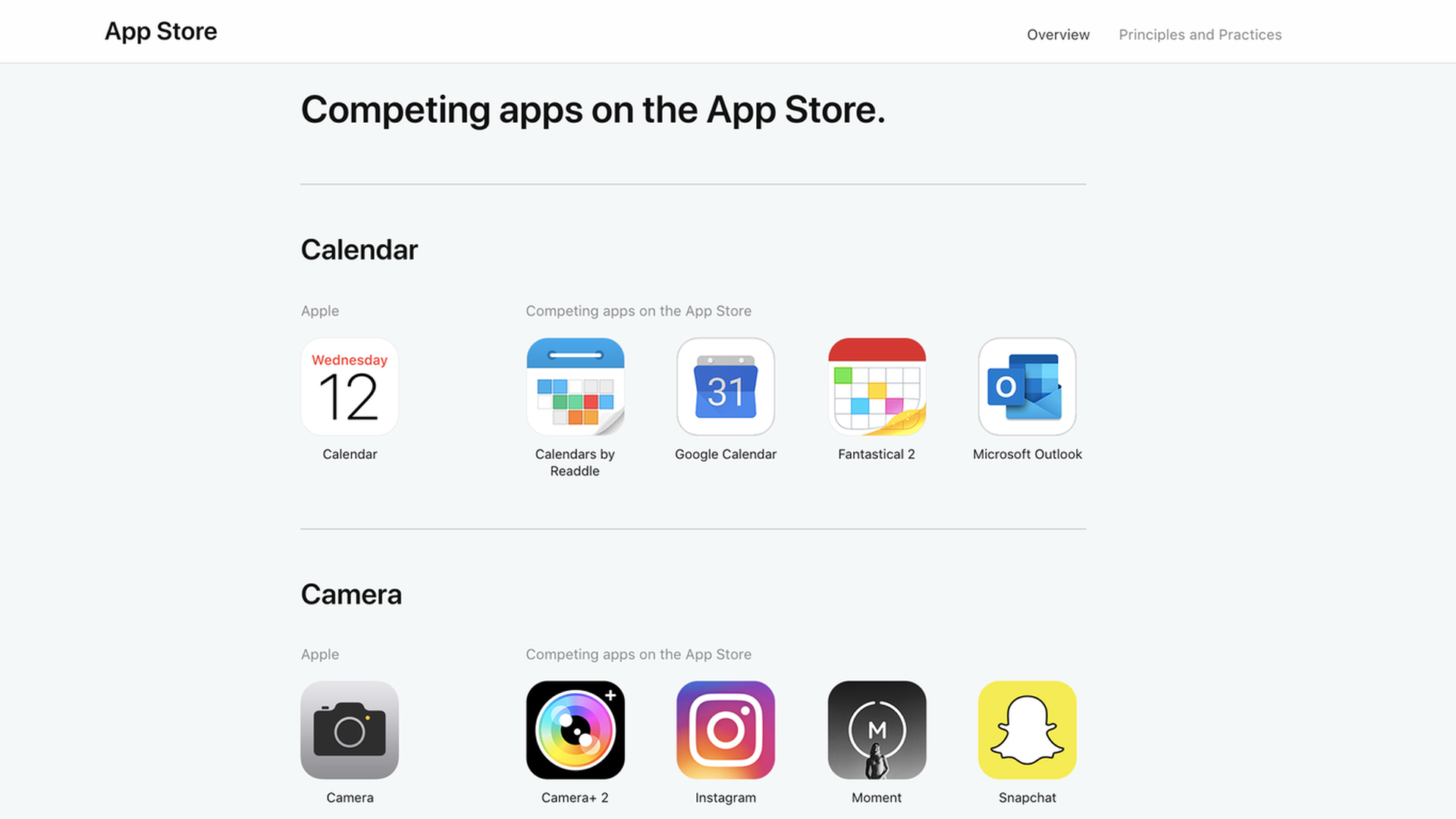
Facing antitrust complaints from Spotify and others, Apple published a chart aiming to show all the ways in which its homegrown apps face competition.
Why it matters: Apple hopes the chart — and new website — will help convince regulators and others that its App Store offers a fair and level playing field. The company touts the many apps it says compete with the iPhone's calendar, camera, browser and other built-in apps.
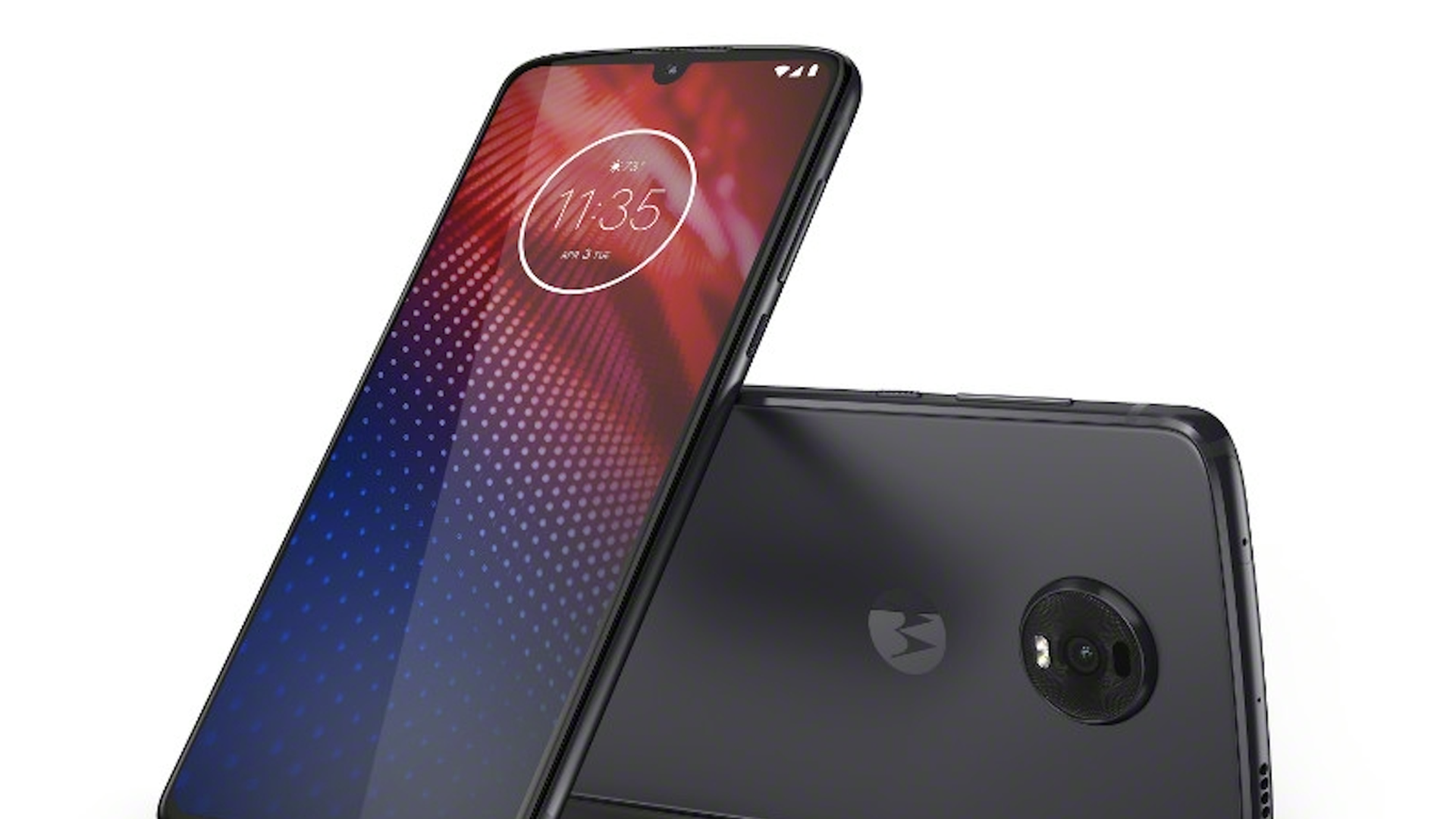
There's a lot to love about Lenovo's Moto Z line, which is now on its fourth iteration.
What's new: It's the one semi-successful effort at a modular smartphone, functioning as a perfectly good smartphone on its own, with the ability to add features like a better camera, smart speaker or projector via "Moto Mods."
North American bus company Greyhound was put up for sale Thursday by U.K.-based FirstGroup, Reuters reports.
Why it matters, via Axios' Dan Primack: Greyhound remains an integral part of North American travel, with around 17 million riders per year, but has struggled to combat competition from low-cost airlines and cheap automobile gas.
Why it matters: While members of Congress negotiate behind closed doors on a comprehensive bill that the public has yet to see, state lawmakers are forging ahead on their own.
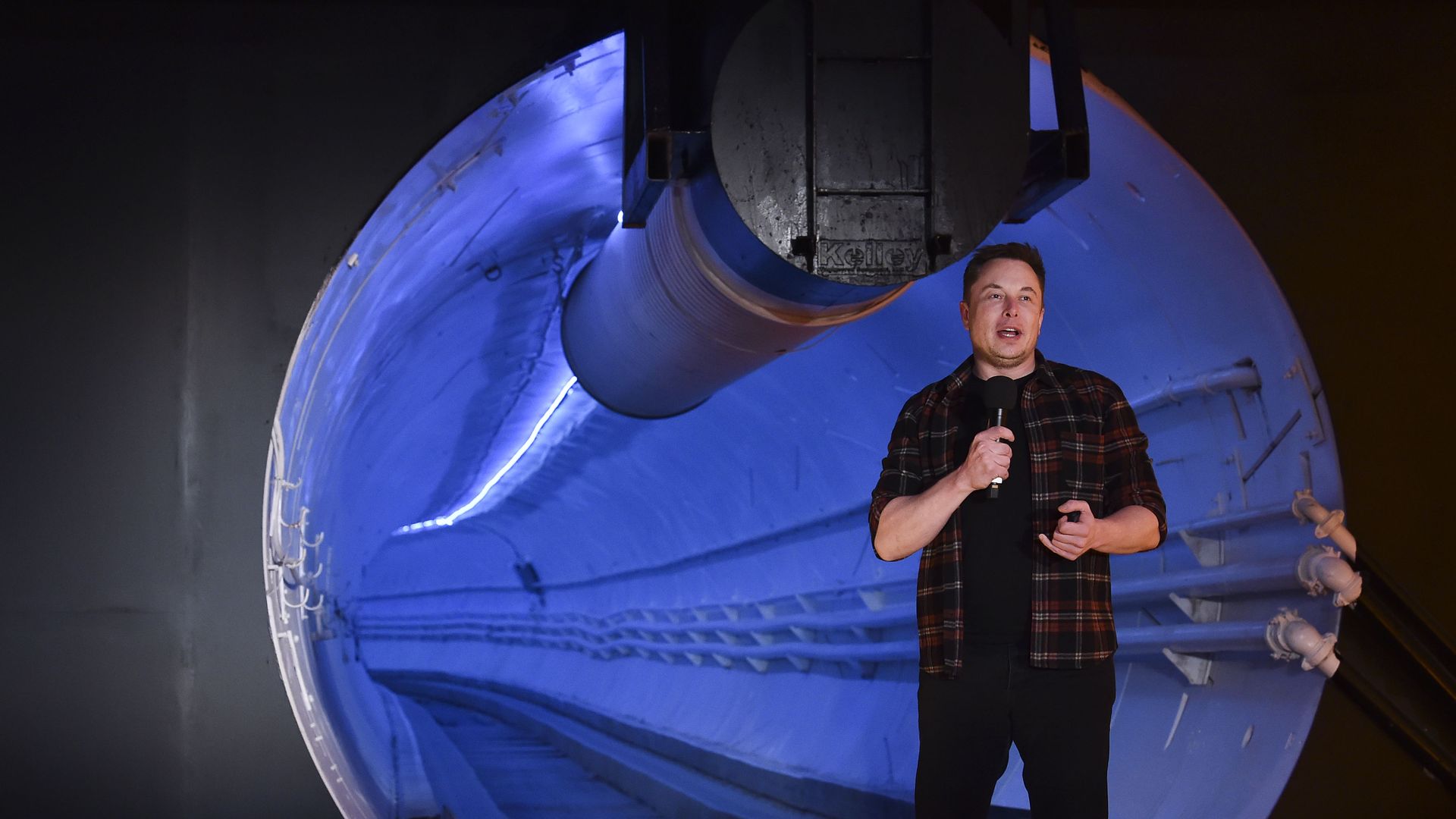
Las Vegas has awarded a $48.7 million contract to Elon Musk's Boring Company to build a high-speed autonomous shuttle underneath the city's remodeled convention center, per multiple reports.
Why it matters: Sin City is the first paying customer for Musk's hyperloop idea, which was "joke-tweeted" into existence two and a half years ago, Wired magazine writes. The transit system would shorten what would be a 15-minute walk to a one-minute ride.
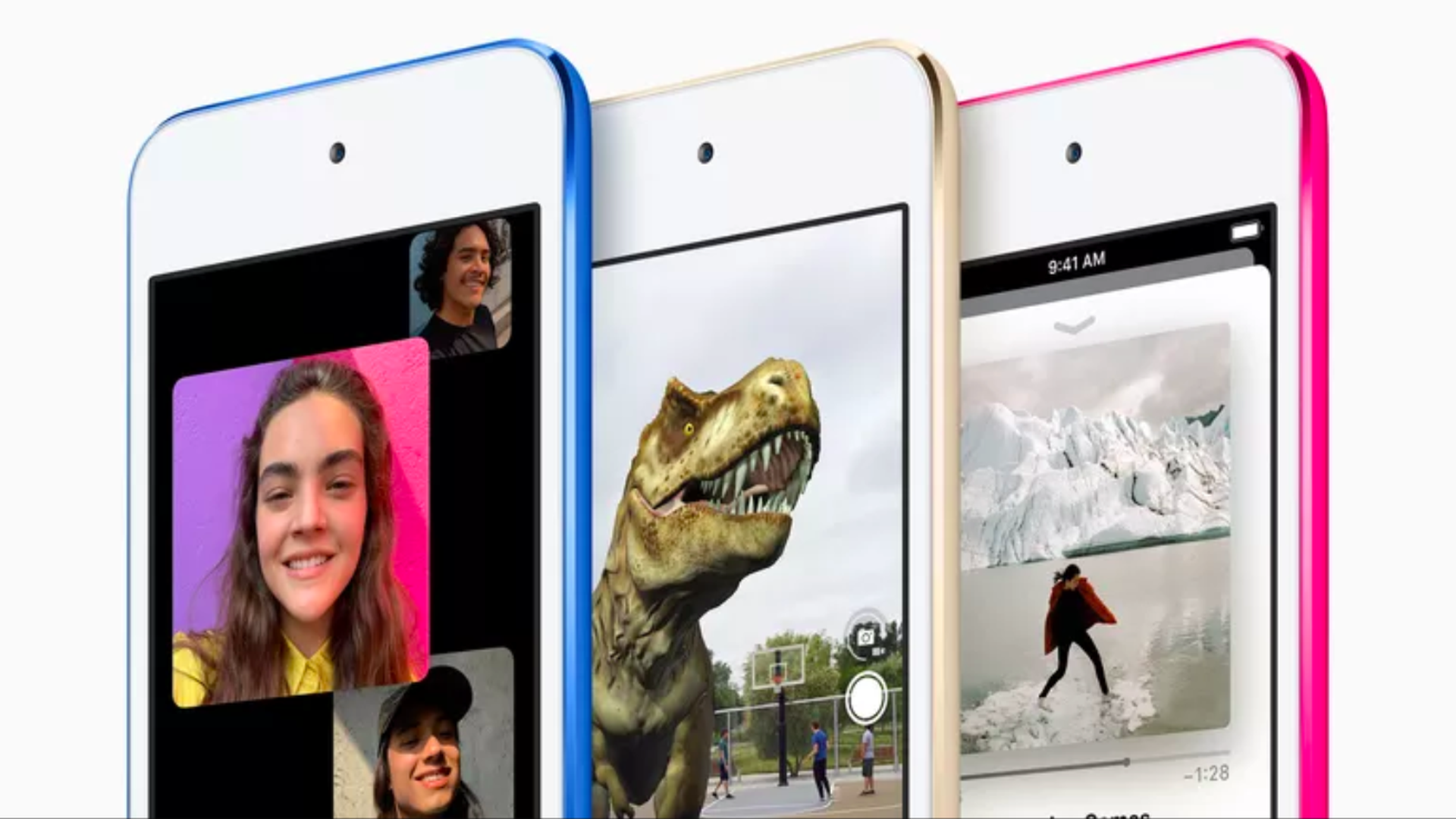
Apple updated its iPod Touch on Tuesday with a faster processor (albeit the same A10 chip that powers the iPhone 7) and support for augmented reality and group FaceTime chat.
Why it matters: It's the first update since 2015, CNN notes. The iPod Touch is no longer a top seller for Apple, but still serves a valuable role, especially as an introduction to mobile devices for kids whose parents aren't ready to get them their first iPhone. The new iPod Touch starts at $199 for a 32GB model and goes up to $399 for a model with 256GB of memory.
If you file taxes with TurboTax, use the budgeting app Mint, or run a small business with QuickBooks, Intuit — the parent company of all of these services — knows as much about you as your bank does, if not more.
Why it matters: The company can cross-sell its own products as well as products and services from third parties — like a Capital One Platinum Credit Card or a loan from Lending Club — based on what it knows about you.
Ships are the latest mode of transportation to see electric upgrades as the maritime industry faces increased pressure to reduce the greenhouse gas emissions associated with fossil-fuel propulsion.
The big picture: Passenger ferries are ideal for electric propulsion using current battery technology, which can reduce water and air pollution while providing a quiet, vibration-free trip. Short routes with frequent stops along populated shorelines offer ample opportunities to charge the battery packs.
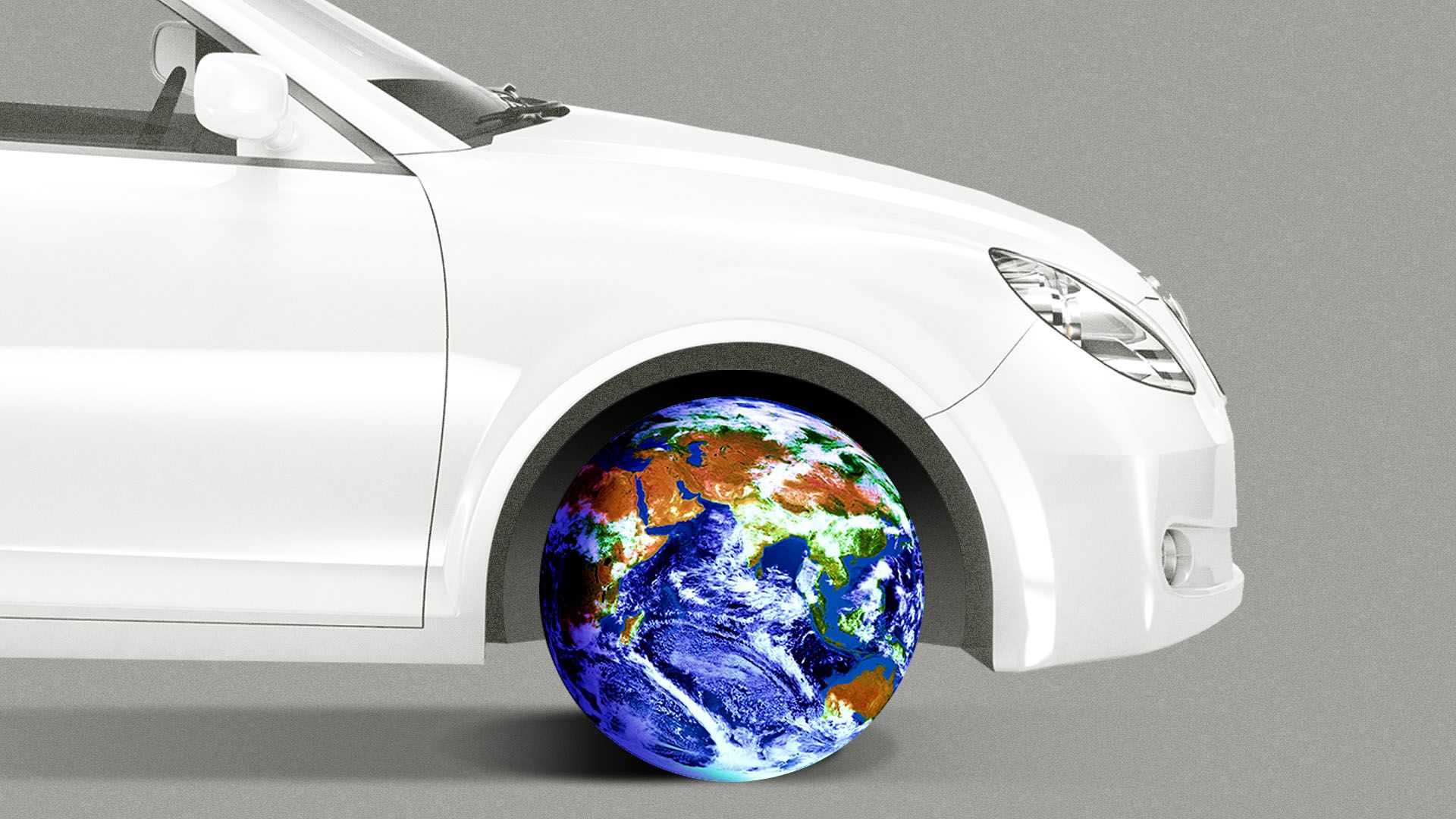
Car companies aren’t just big business, they’re national champions. And sovereign governments are increasingly driving the evolution of the industry.
Why it matters: Carmakers are pooling resources to make expensive bets on electrification, automated vehicles and shared mobility. But with jobs and a reputation for innovation at stake, every country wants to see their homegrown industry lead the way into the future.
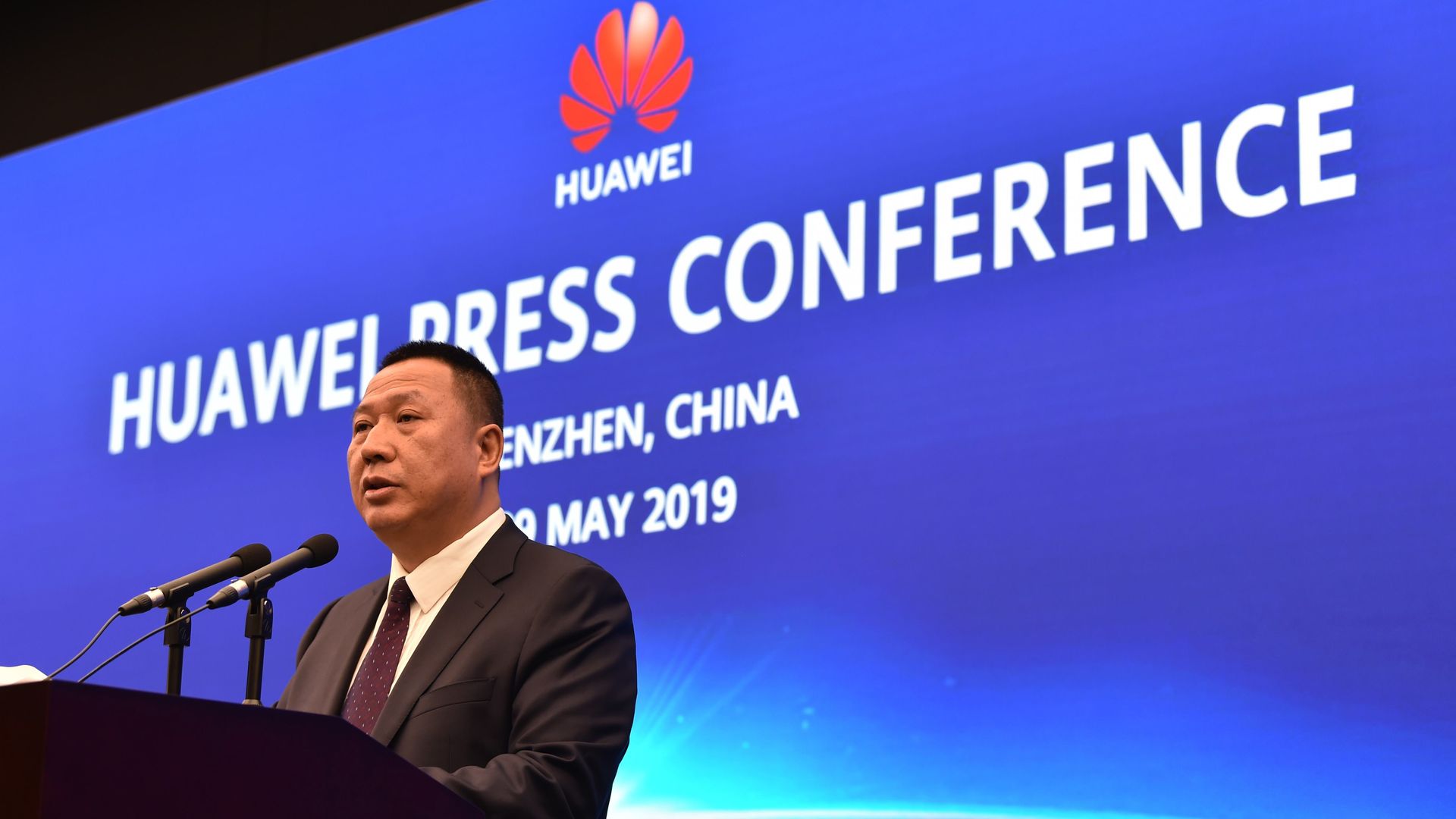
Chinese tech giant Huawei said Wednesday it had filed a motion in a U.S. court seeking to challenge United States legislation that places it on a trade blacklist, which it called "illegal."
Politicians in the U.S. are using the strength of an entire nation to come after a private company. This is not normal. Almost never seen in history."
— Huawei chief legal officer Song Liuping statement