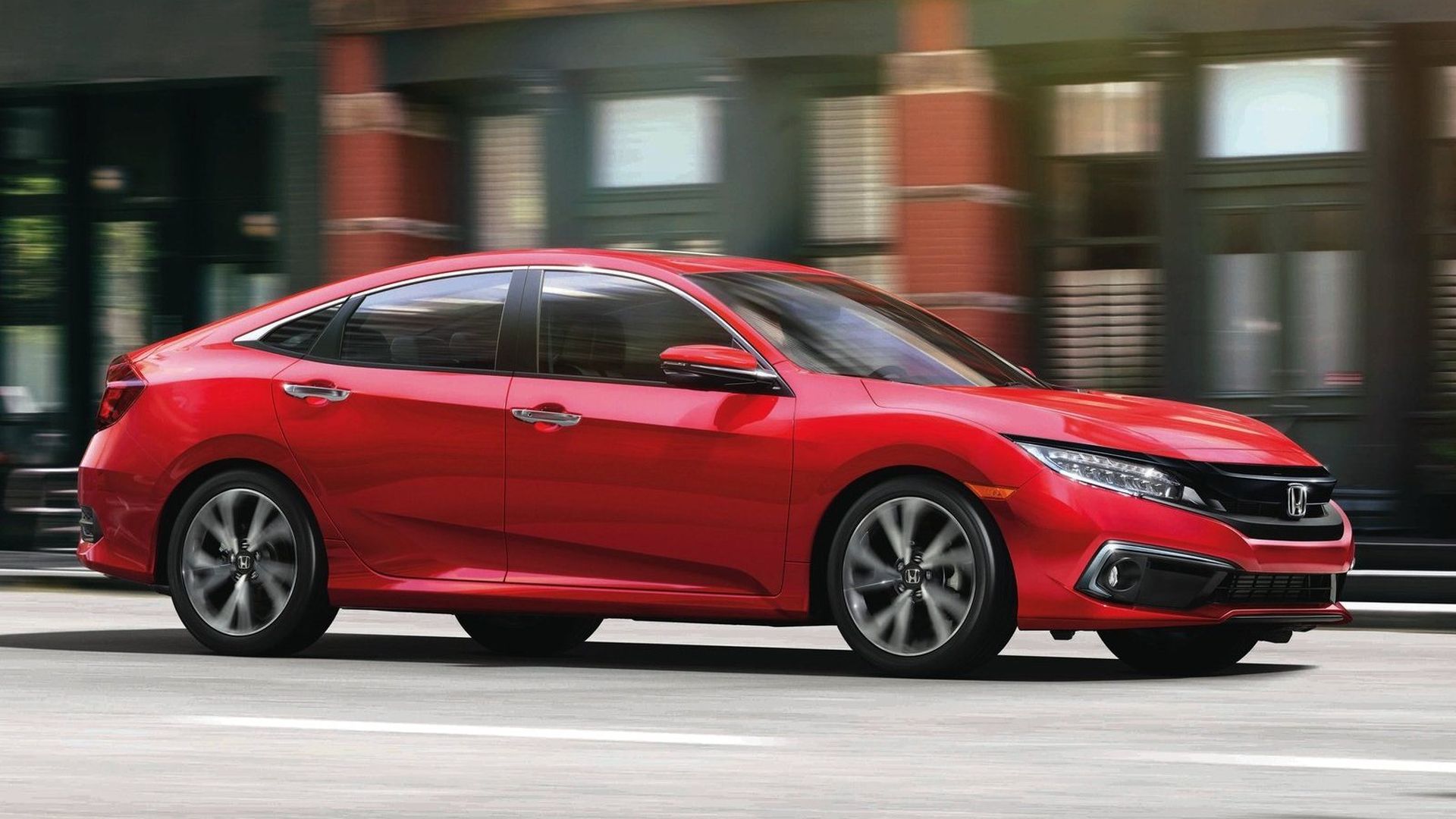
After a string of high-end German luxury cars, this week I'm driving the 2019 Honda Civic Touring edition, with an appealing price tag of $27,300.
Why it matters: The Civic comes with standard safety and assisted-driving features that are similar to those found in the German luxury models. Like Toyota, Honda has made assisted-driving features standard across its lineup for no extra cost.
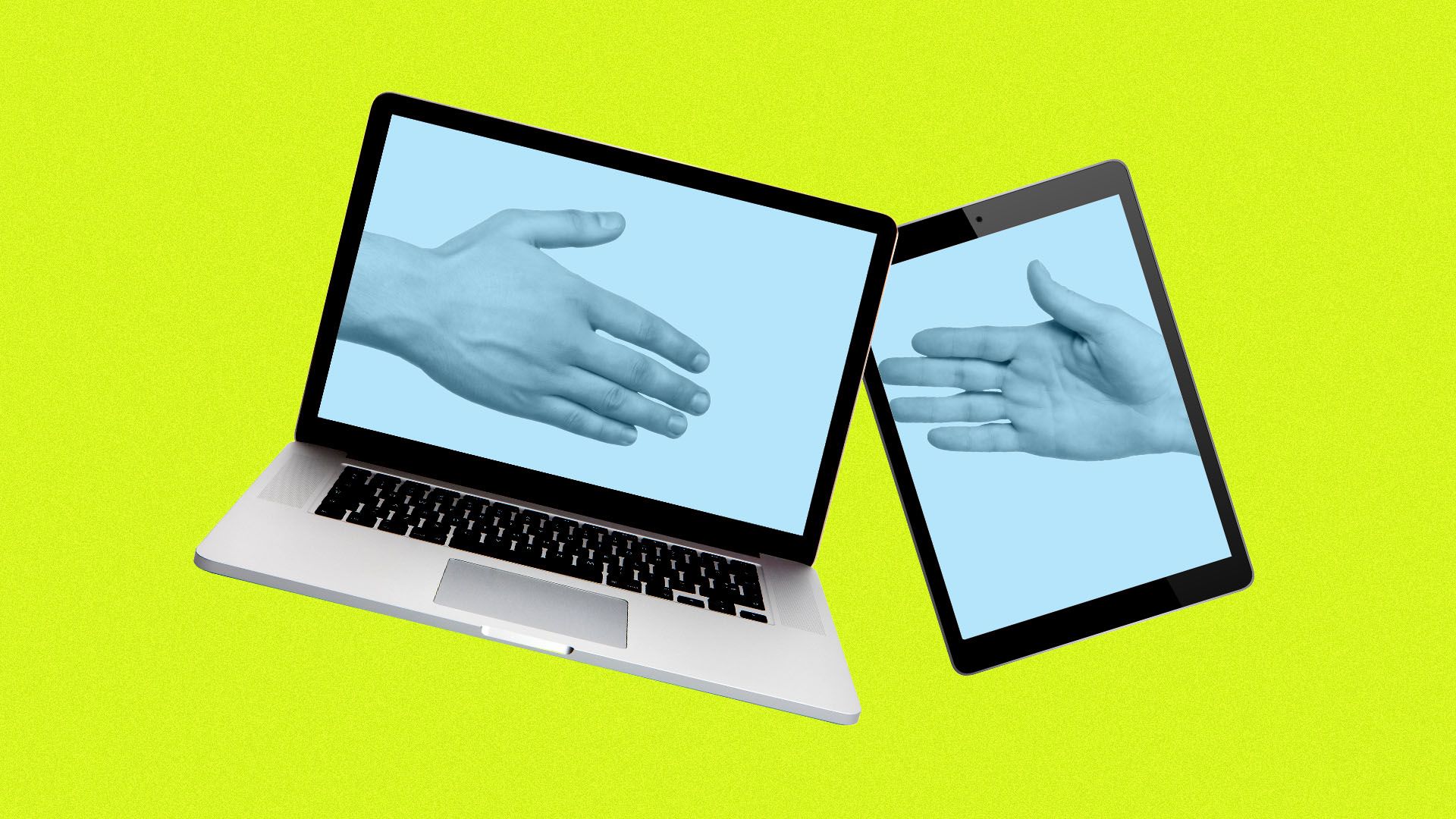
It's pretty much a given that next week's Apple Worldwide Developer Conference will bring new versions of MacOS and iOS. The real question is just how much convergence there will be between the 2 operating systems.
Why it matters: The Mac remains popular even as the bulk of Apple's business is now selling phones and tablets, both of which have been increasing in computing power.
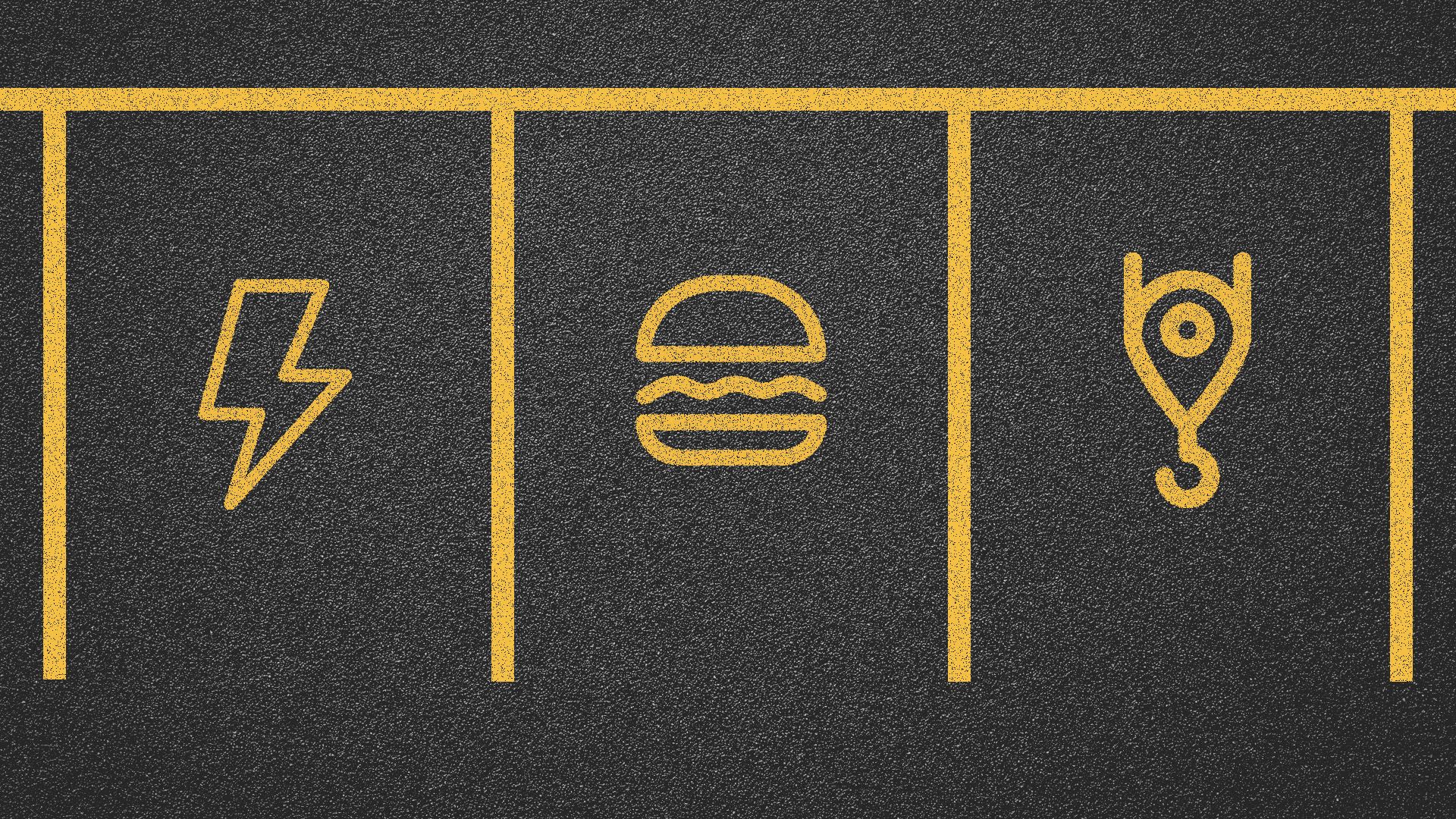
If the future of personal transportation is scooters and self-driving cars that are most always on the go, that will leave a lot of empty parking spaces open for new uses, like redevelopment, food delivery hubs or vehicle recharging centers.
Why it matters: The disruption in urban transportation is creating opportunities for innovative entrepreneurs who see value in repurposing the lowly parking space for the digital era.
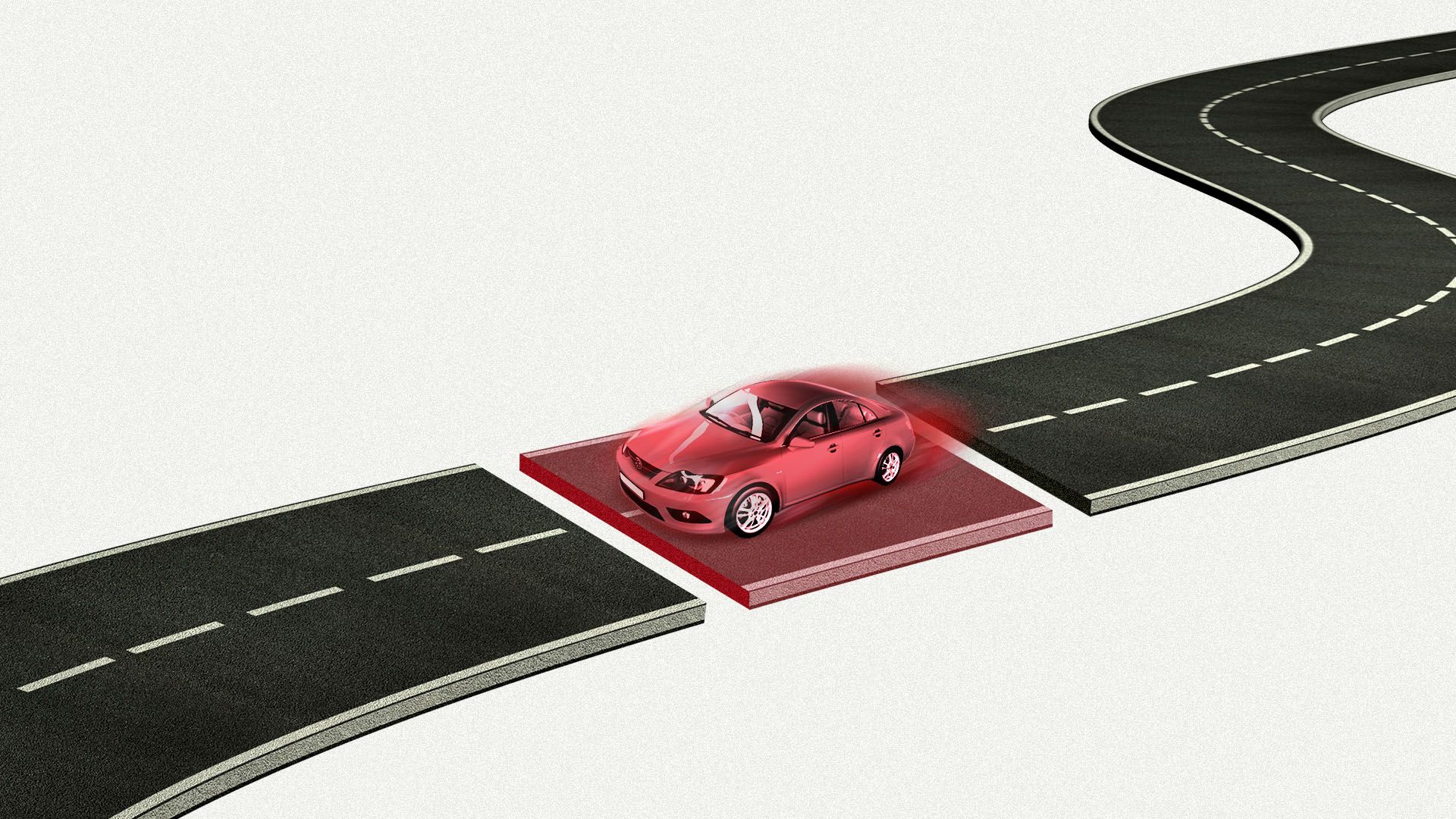
More large U.S. cities are seeing their outer reaches turn into transit deserts, where demand for transportation vastly exceeds supply.
The big picture: Economic inequality and urban sprawl have contributed to the problem, which generates barriers to health care access, employment and even everyday shopping. Connecting public transit systems with automated vehicles — whether in ride-sharing or shuttle services — could offer one solution.
The future of American philanthropy, according to former Google CEO Eric Schmidt, is massive contributions to computer science education — and to artificial intelligence in particular.
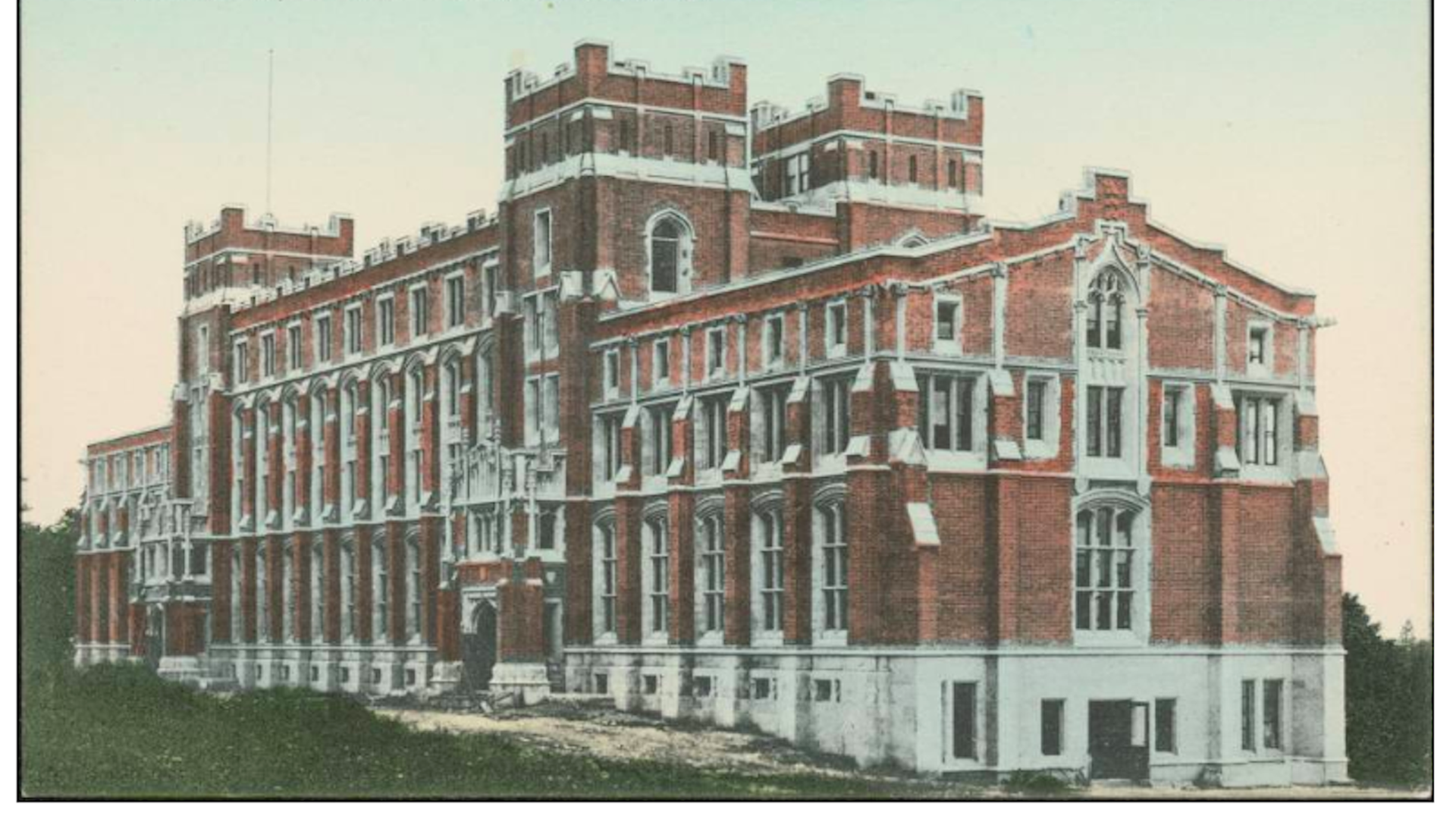
Driving the news: Schmidt and his wife, Wendy, donated an unspecified amount to Princeton to create a single, large computer science building.
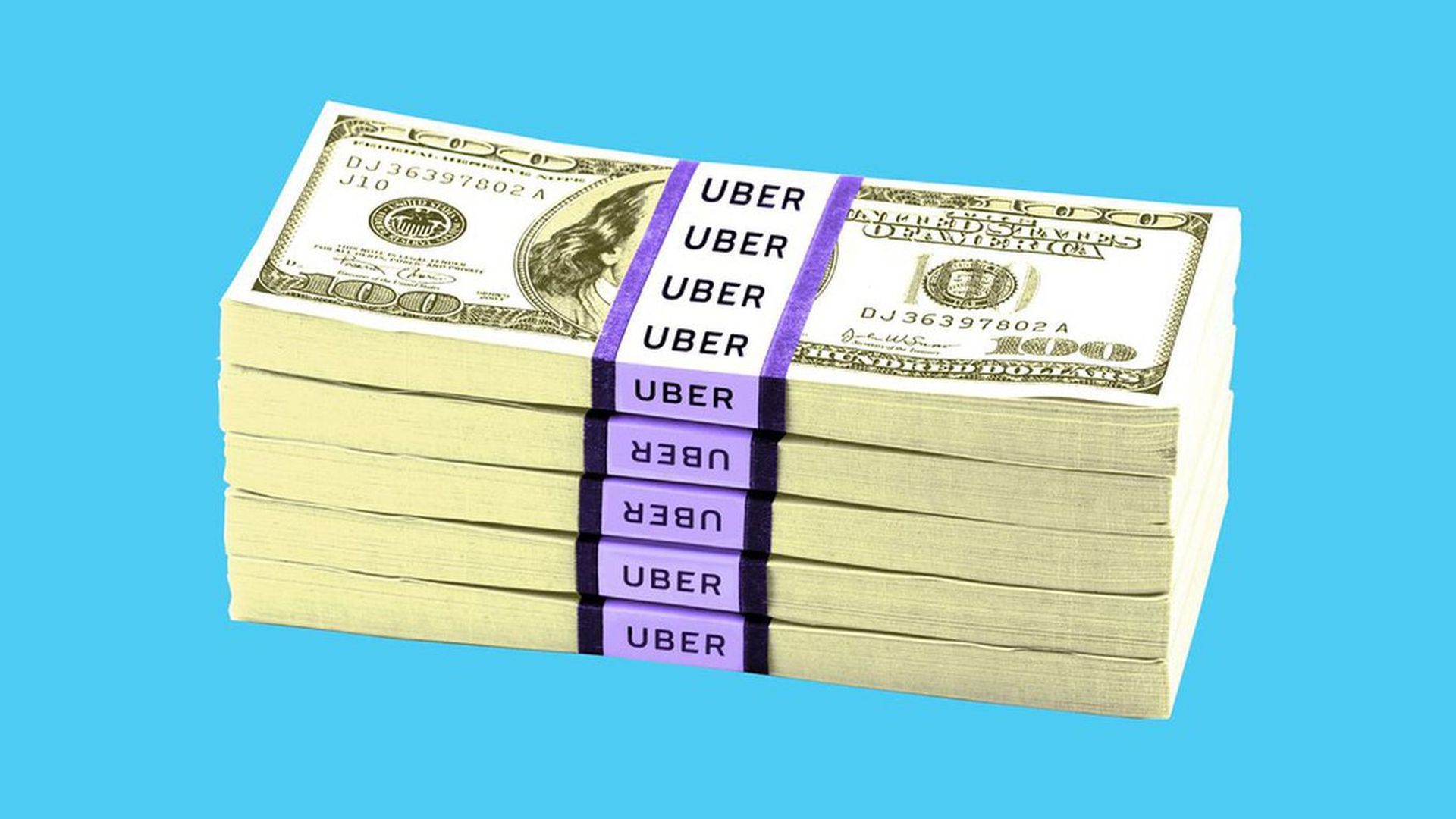
Uber on Thursday reported first-quarter revenue of $3.1 billion, which was near the high end of an estimated range in the company's IPO registration papers — sending shares higher in aftermarket trading.
The bottom line: The company has not been able to revisit its $45 per share IPO price since going public on May 10, closing trading today at $39.76 per share.
Dan and Axios' Sara Fischer dig into how Russian Internet trolls seek to undermine American institutions by spreading disinformation — a big point made yesterday by Robert Mueller, but one that got overshadowed by impeachment talk.
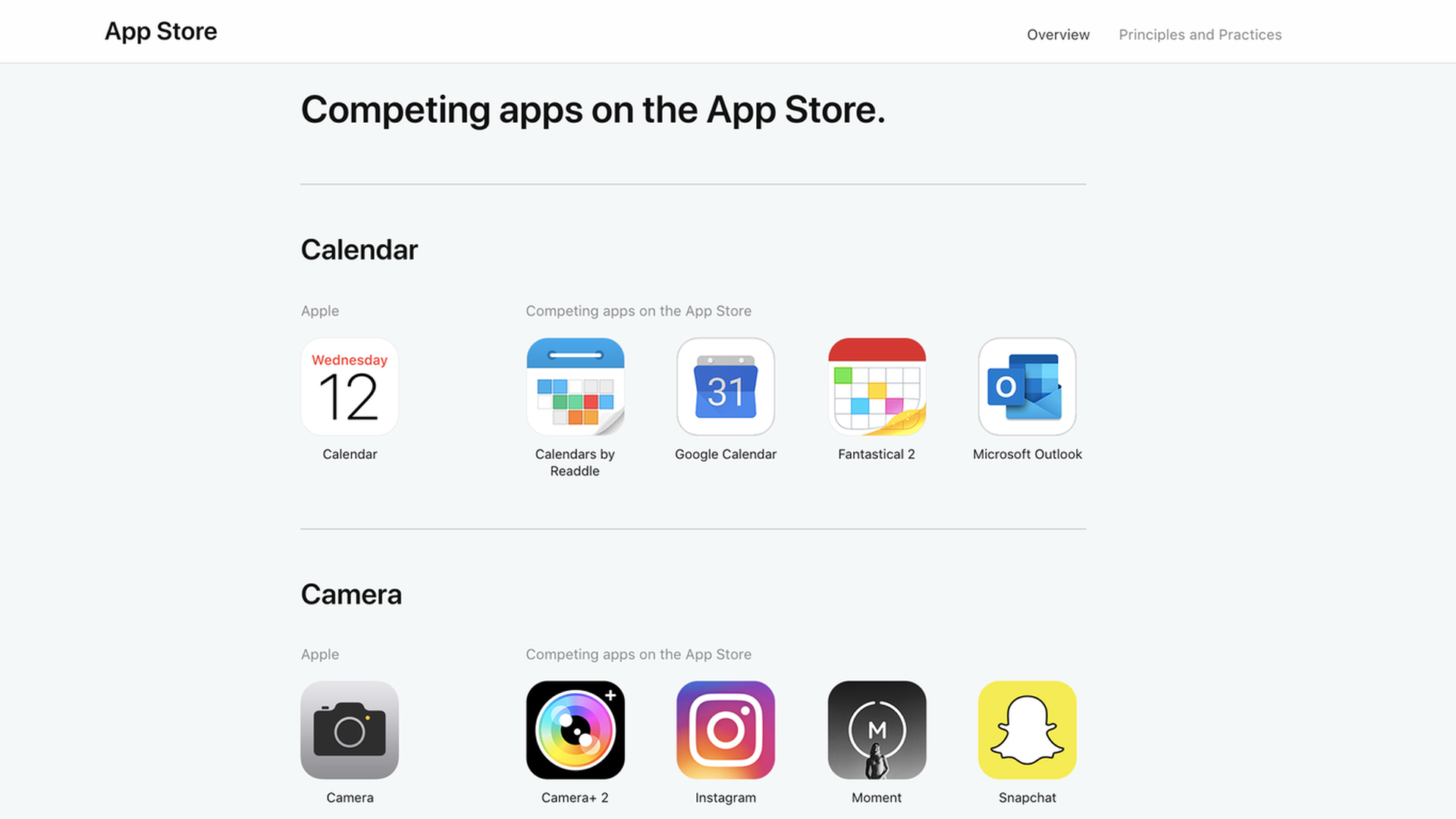
Facing antitrust complaints from Spotify and others, Apple published a chart aiming to show all the ways in which its homegrown apps face competition.
Why it matters: Apple hopes the chart — and new website — will help convince regulators and others that its App Store offers a fair and level playing field. The company touts the many apps it says compete with the iPhone's calendar, camera, browser and other built-in apps.
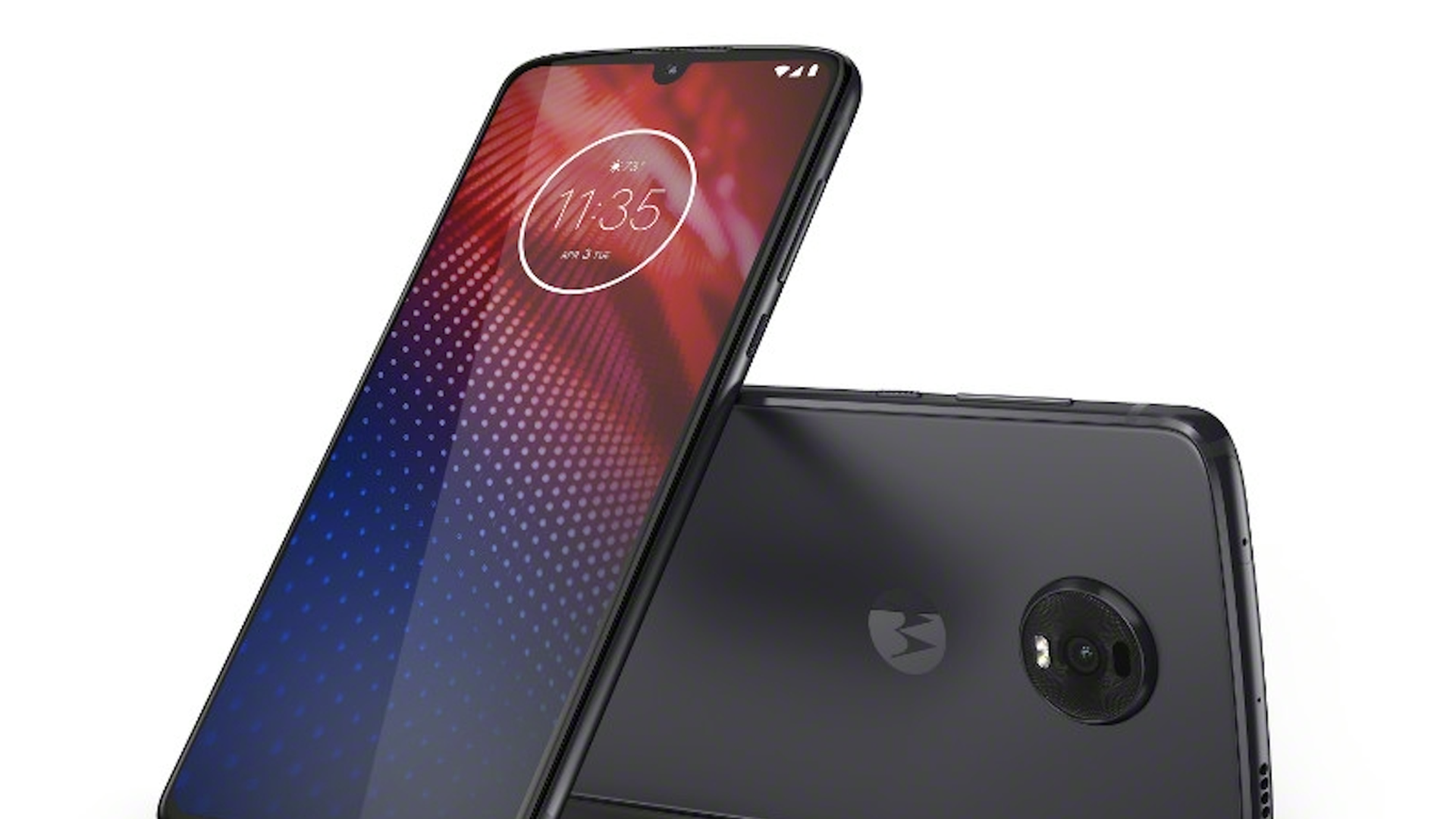
There's a lot to love about Lenovo's Moto Z line, which is now on its fourth iteration.
What's new: It's the one semi-successful effort at a modular smartphone, functioning as a perfectly good smartphone on its own, with the ability to add features like a better camera, smart speaker or projector via "Moto Mods."
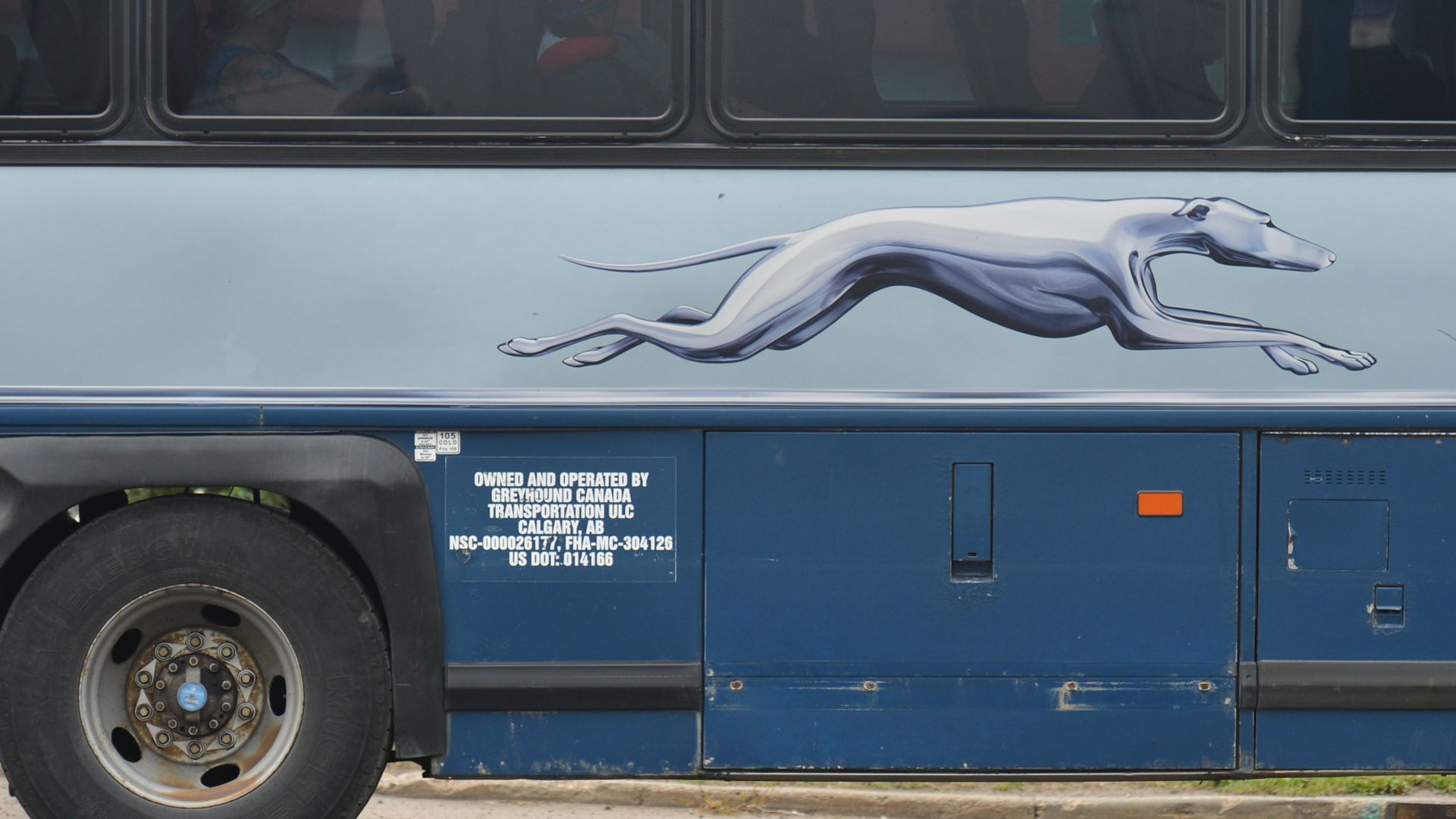
North American bus company Greyhound was put up for sale Thursday by U.K.-based FirstGroup, Reuters reports.
Why it matters, via Axios' Dan Primack: Greyhound remains an integral part of North American travel, with around 17 million riders per year, but has struggled to combat competition from low-cost airlines and cheap automobile gas.
Why it matters: While members of Congress negotiate behind closed doors on a comprehensive bill that the public has yet to see, state lawmakers are forging ahead on their own.