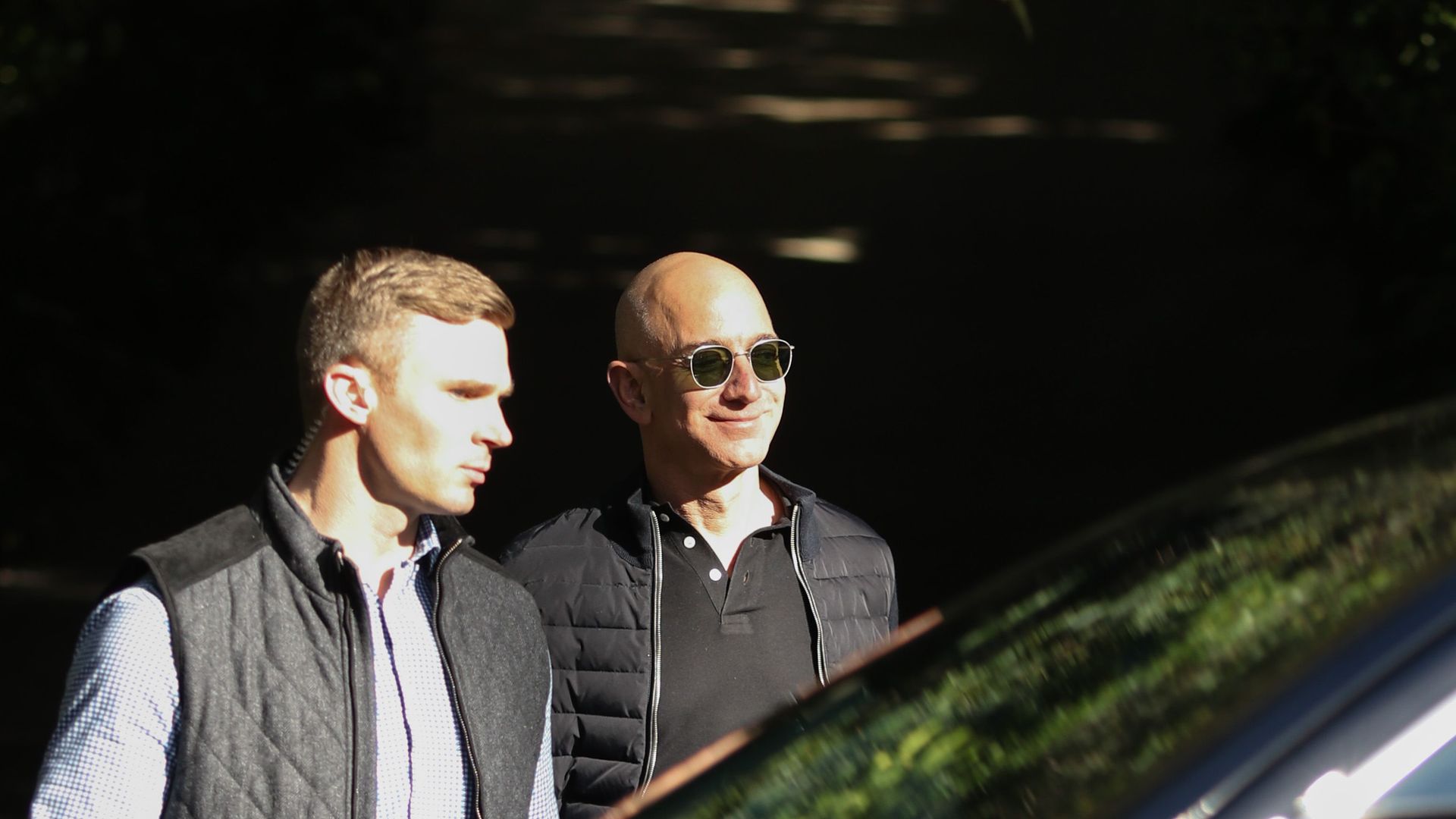
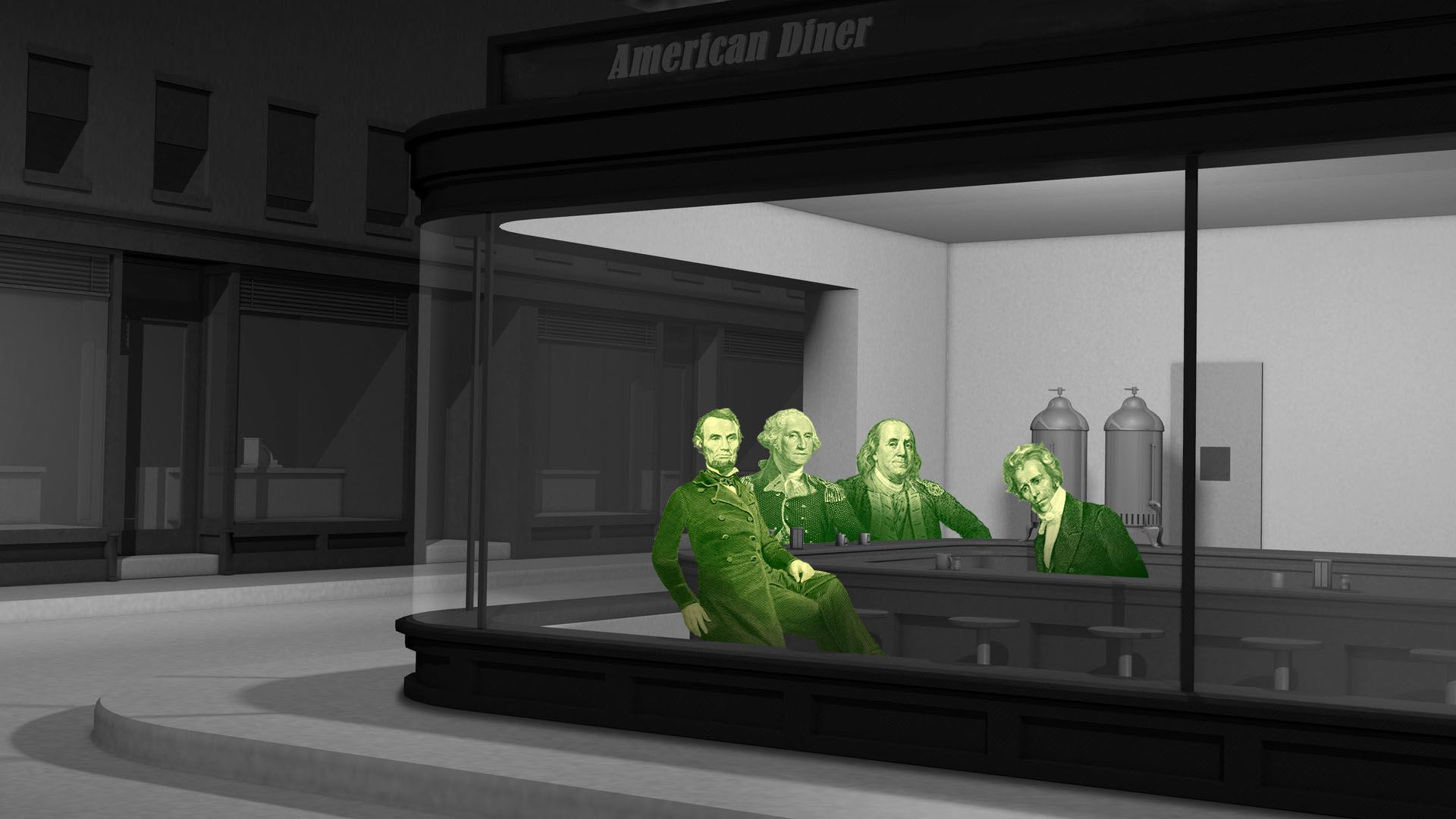
"Jeff Bezos amassed the world’s greatest fortune by relying on what he has called a 'regret minimization framework.' He built an $800 billion company with 14 codified principles," the New York Times' Amy Chozick writes."But then Mr. Bezos went to Hollywood."
Amazon has reportedly begun to eliminate its library of anti-vaccine documentaries from its Amazon Prime Video streaming services, only hours after Rep. Adam Schiff (D. Calif.) wrote an open letter to Amazon's CEO Jeff Bezos, expressing concern, according to CNN.
Driving the news: Wired recently reported that vaccine doubt is growing globally, indicating that public trust in science is diminishing. Amazon's recommendation algorithms has pushed people toward its anti-vaxx content and while its film list is shrinking, a collection of anti-vaxx books remains available for purchase on Amazon.com.
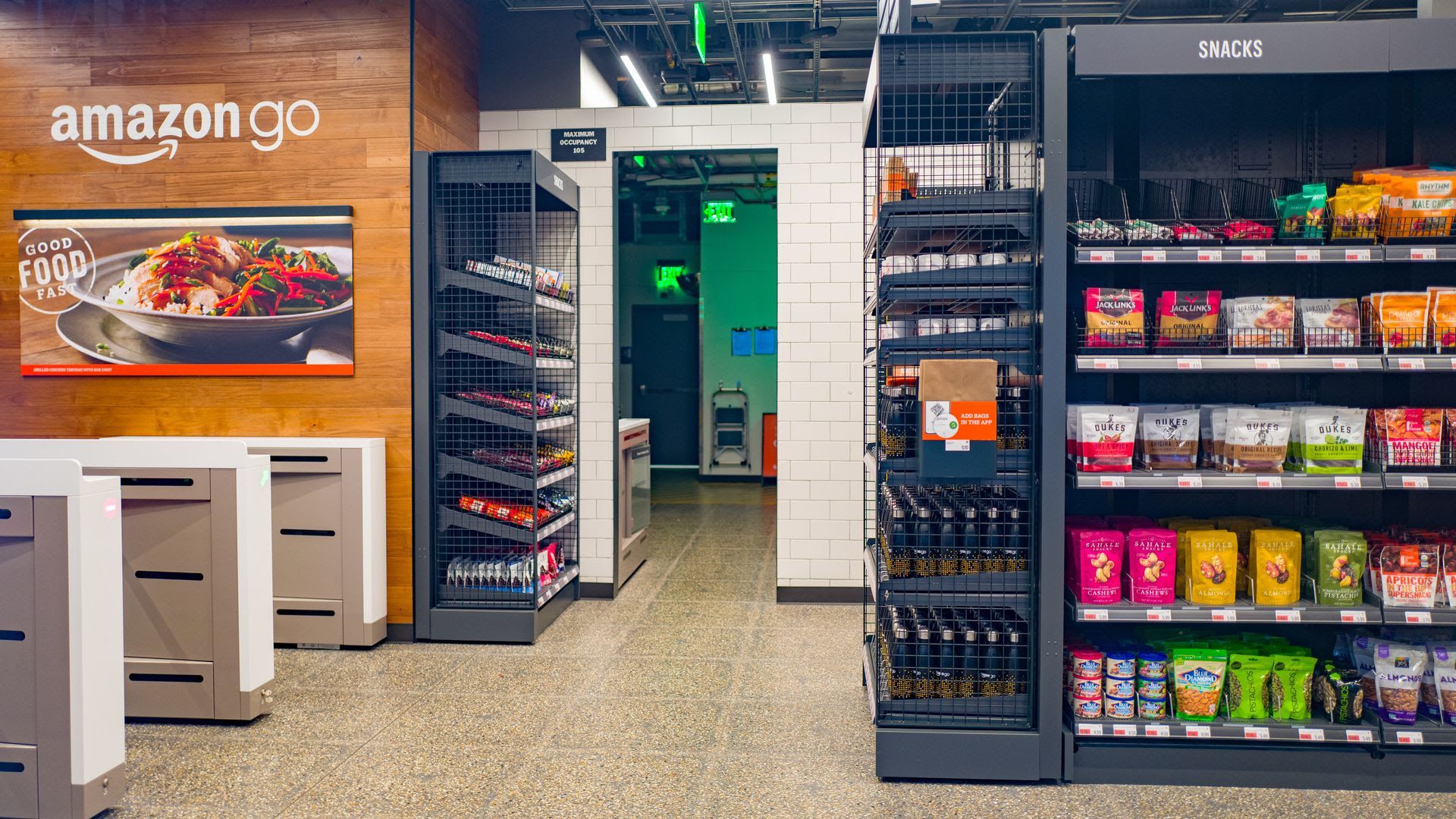
Led by big chains like Amazon Go, Sweetgreen, and Shake Shack, U.S. retailers are fast eliminating cash sales. But cities and states across the country are fighting back.
The big picture: They're moving to outlaw cashless stores because, they say, they discriminate against millions of Americans, mostly the poor, elderly and immigrants, who don't use credit cards.
In an example of the power of Big Tech, as Philadelphia moved to ban cashless stores, Amazon lobbyists went to work and won a carveout that makes an exception for its Go stores — but still outlaws the competition.
Facebook and Instagram filed a lawsuit late Friday in U.S. federal court against 4 companies and 3 people based in the People's Republic of China for the production and promotion of fake accounts, likes and followers on both platforms.
Details: The company's lawsuit also aims to prevent trademark infringement on its sites, and the use of Facebook branded domain names to operate on their websites — a practice called cyber squatting. Ultimately, the motivation for the suit is to stress that such fraudulent actions are unacceptable.
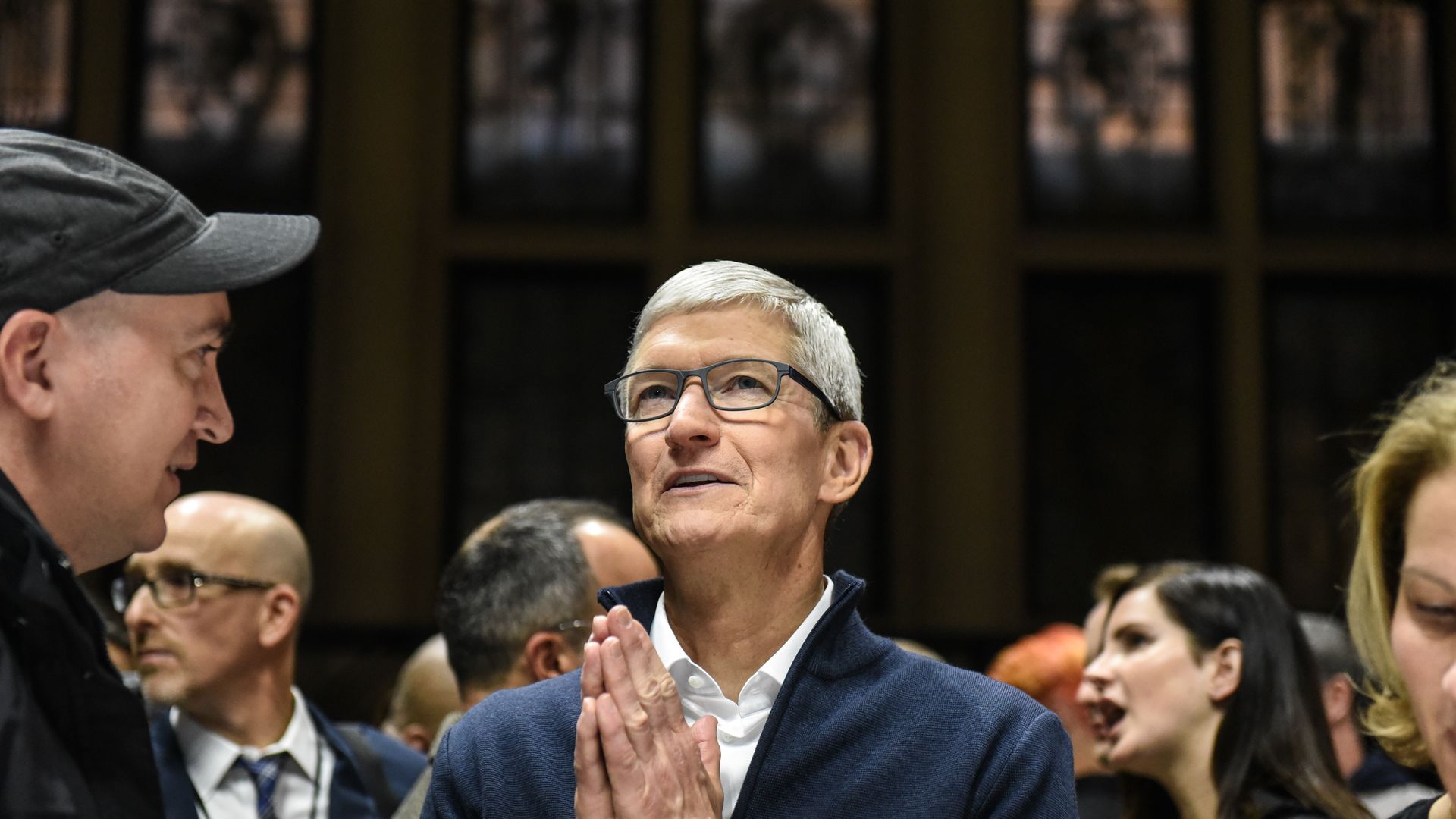
At Apple's yearly meeting on Friday, CEO Tim Cook said the company intends to lower the price of its MacBook Air, add supplemental health features to its smartwatch and ramp up its augmented reality, reports Bloomberg.
Between the lines: Cook repeated his expectation that the tech company is on track to double revenue by adding services to its fleet of offerings within the next year. But Apple investors eagerly await the company's next success story as interest in the iPhone wanes and the company just endured its first holiday sales slump in 17 years.
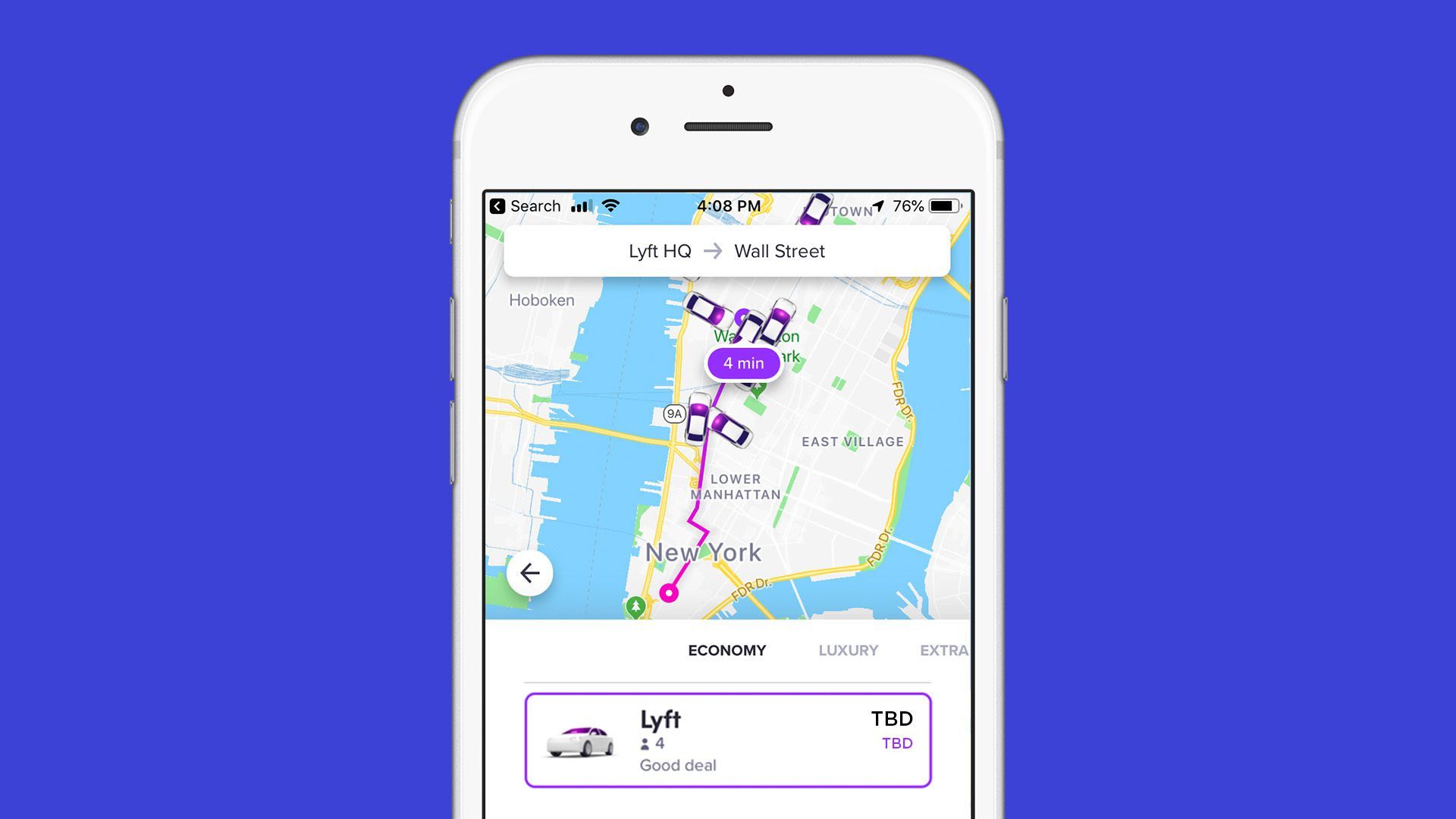
An exit is on the way for one of Silicon Valley's highest-profile minotaurs, as Lyft filed today for an IPO.
By the numbers,via Axios' Kia Kokalitcheva: In 2018, Lyft had $8.1 billion in bookings, $2.2 billion in revenue, $911.3 million in losses, and more than 1 billion total rides. It had 30.7 million riders and 1.9 million drivers. Lyft roughly doubled its revenue per rider over the past 2 years, from $18.53 to $36.04. The share of ride revenue Lyft keeps has grown over time, hitting 28.7% in Q4 2018.
Canada is set to begin proceedings that will allow Huawei CFO Meng Wanzhou to be extradited to the U.S., per an announcement from the Canadian Department of Justice on Friday.
Details: There will be a court hearing on March 6 that will then schedule the date for her extradition hearing.Meng was arrested in December on fraud charges alleging that her actions caused several financial institutions to violate sanctions on Iran. U.S. authorities have been investigating Huawei, the Chinese telecom giant, for alleged tech and trade secret theft from American companies.
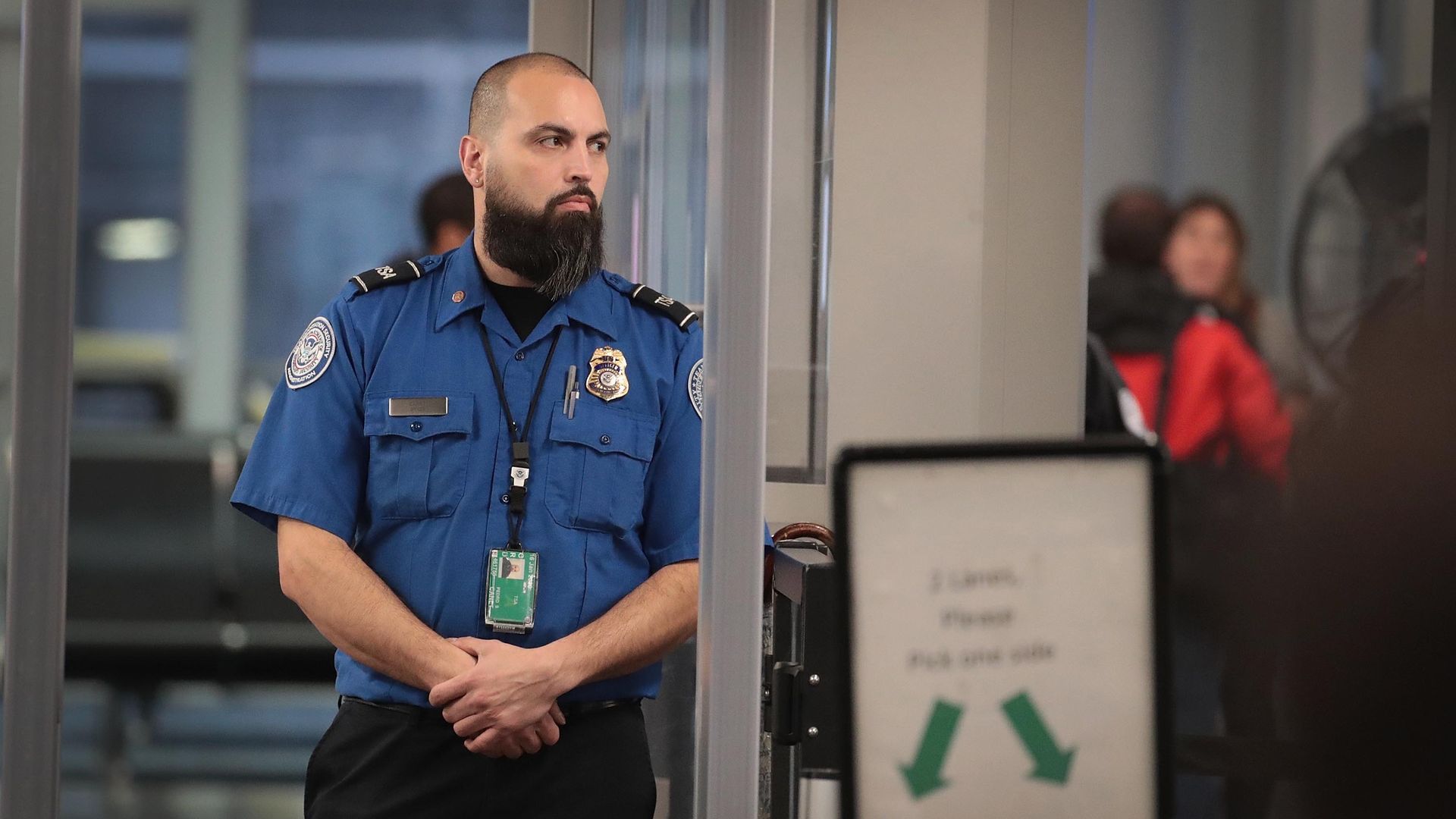
The bottom line: TSA provided partial paychecks to its employees during the shutdown, which could be the cause of this delay as the agency scrambles pay employees the accurate amount. TSA airport screener absences hit 10% 30 days into the shutdown, signaling the financial hardship on employees.
"It appears as though their effort to partially pay people screwed things up and they are still getting their act together."
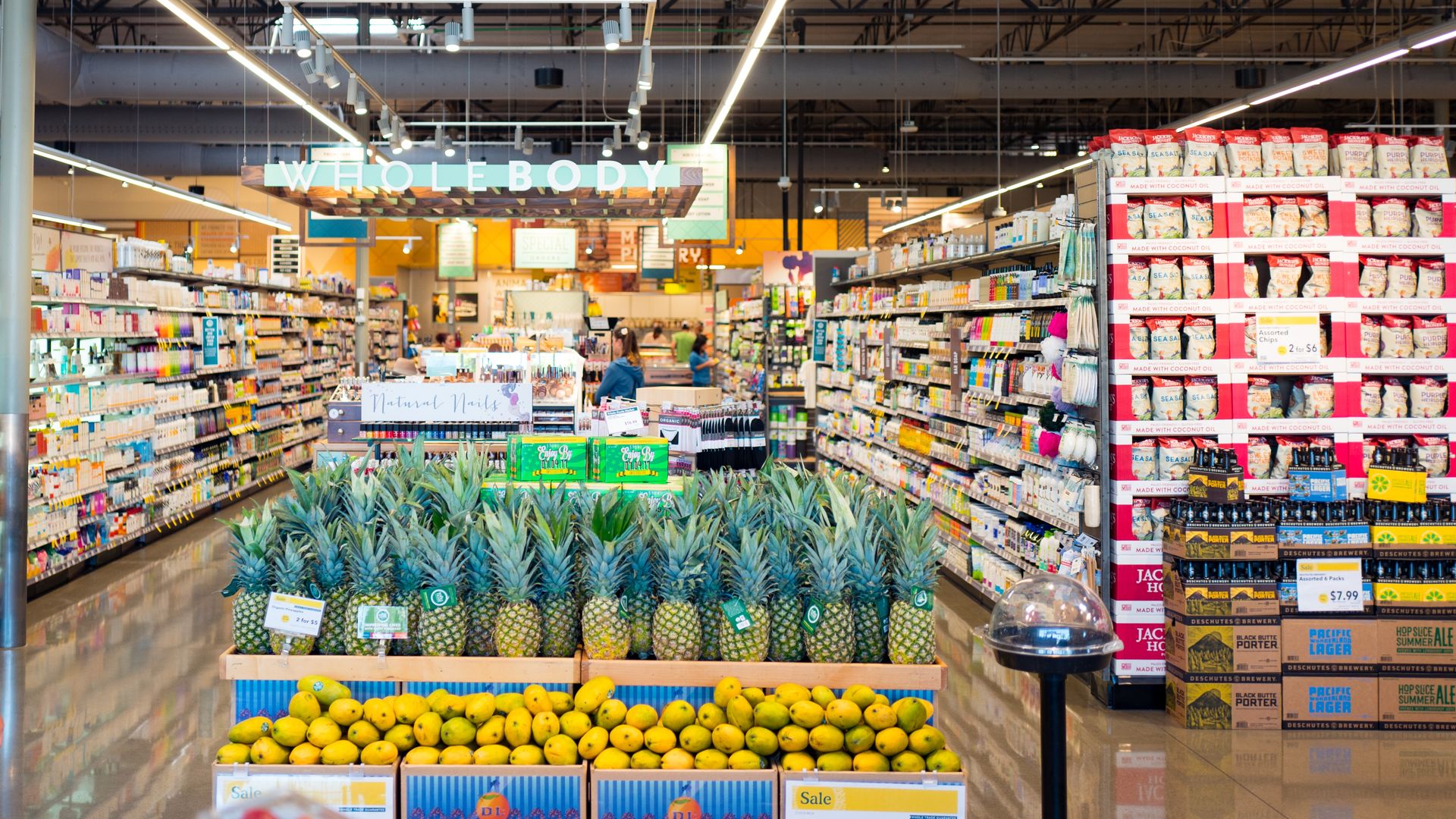
Amazon is plotting to open several dozen grocery stores across major U.S. cities, reports the Wall Street Journal, citing people familiar with the plans. Amazon declined to comment to Axios.
The big picture: When Amazon bought Whole Foods in 2017, it spurred panic among America's big grocers, but Whole Foods — with 470 high-end locations compared to Walmart's 4,700 — gave Amazon a relatively small footprint in the food business. With its own network of stores, Amazon could attract shoppers looking for cheaper prices than Whole Foods and dramatically expand its brick-and-mortar reach.
Rivals BMW and Daimler are the latest automakers to start pooling resources in order to stay competitive while they push toward full autonomy.
The big picture: Once there was a race among auto and tech companies to develop self-driving cars, but now there's a shared belief that it's frustratingly hard and incredibly expensive to do so at scale.
Automakers are increasingly creating proprietary software that can manage car-sharing and ride-sharing fleets, the customer services involved, and customer payment.
Why it matters: Automakers want to ensure they maintain control of their relationships with consumers—and more important, the data and revenue streams that can come from it—rather than relinquishing them to Uber, Lyft and other mobility-related startups with their own transportation apps.
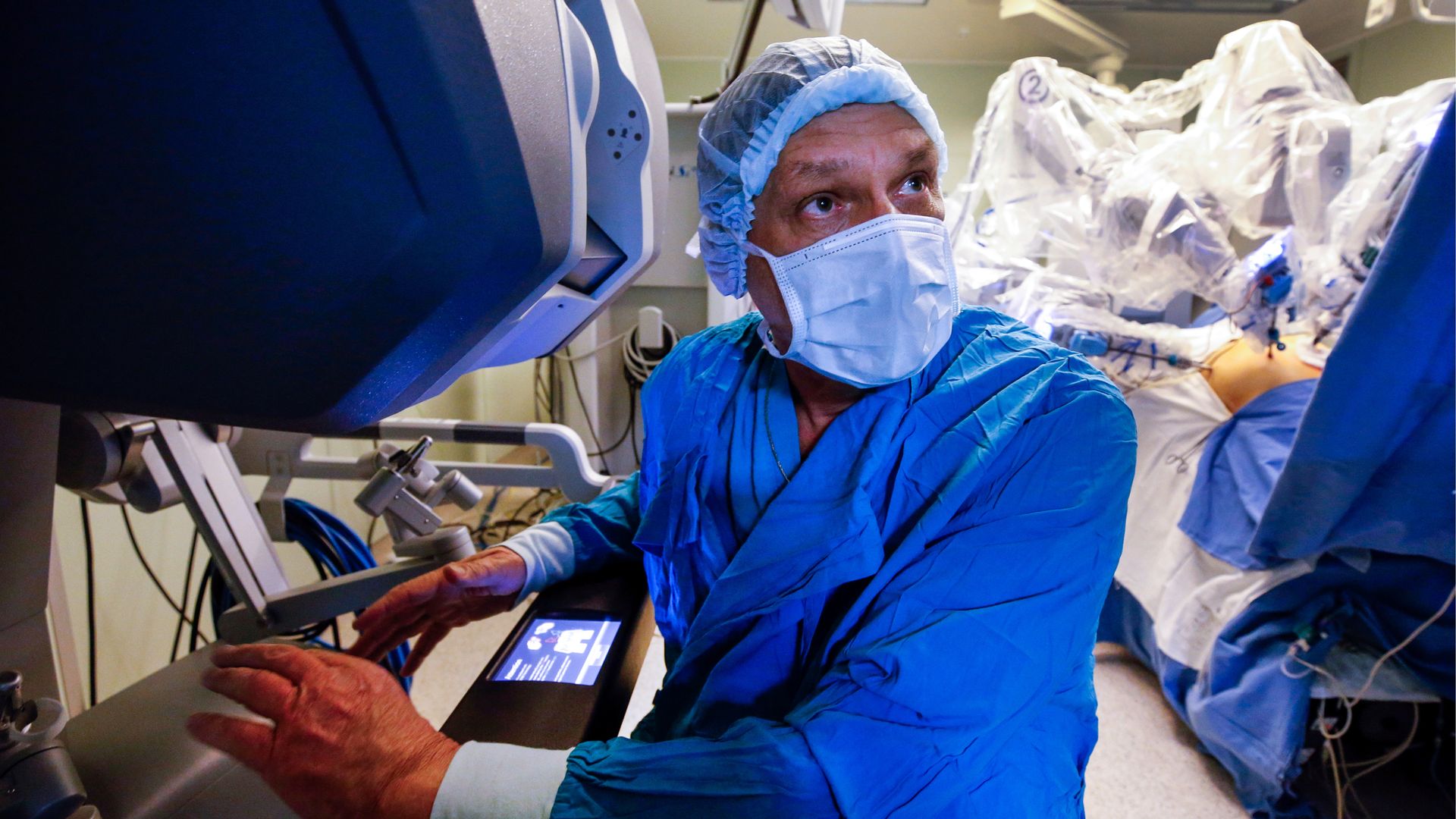
Researchers have long been skeptical about whether surgical robots lead to better clinical outcomes than traditional surgical techniques. And now the FDA wants to make sure more patients and surgeons are aware of the pitfalls.
What they're saying: Surgical robots have not been officially labeled as safe or effective "in mastectomy procedures or the prevention or treatment of cancer," the FDA wrote Thursday in a public safety notice.
In a challenge to the narrative of a declining American advantage in the global tech race, U.S. factories are installing record numbers of robots — and elite universities, endowed with huge new contributions, are adding vast centers to study artificial intelligence.
Why it matters: As we have reported previously, China has a massive global lead in the absolute number of new factory robots, and is pouring large sums into developing AI. But the twin U.S. trendlines — a surge in university research spending and the spike in robots — suggest a still-robust competition to dominate technologies of the future.






/2019/03/01/1551454658575.gif?w=3840)