A new report from CNN finds that a search for "vaccine" on Amazon yields a results page dominated by anti-vaccination books and movies. Some include sponsored posts, or ads for the anti-vaccine content. CNN notes that a number of anti-vaccination movies are also available for free viewing on Amazon's streaming video service Prime Video.
Why it matters: Amazon has until now avoided the "fake news" drama that its rivals Google and Facebook have faced, in part because it's considered a hub for products, not a platform for ideas. This example underscores the fact that any platform that takes contributions from the public can be susceptible to manipulation, which can lead to the spread of misinformation.
The adoption of AI technologies over the coming decade is likely to eliminate work, and in some cases entire jobs, currently being done by more than 130,000 federal agency employees in more than 80 occupations.
The big picture: Re-training hundreds of thousands of other federal government employees will take time and resources that haven't yet been allocated on a large-scale.
YouTube announced Thursday it is disabling all comments on videos of young children to deter a pattern of behavior by pedophiles originally reported on by WIRED.
Between the lines: Google-owned YouTube can't rely on simply rooting out “bad” content, since many of the videos pedophiles are exploiting can seem innocuous to human ratings teams, per WIRED. For example, many of the offending comments sections are on videos of children doing gymnastics or dancing. Some of the comments are seemingly innocent as well — such as “swimsuit” or “nice” — and may not get flagged as inappropriate.
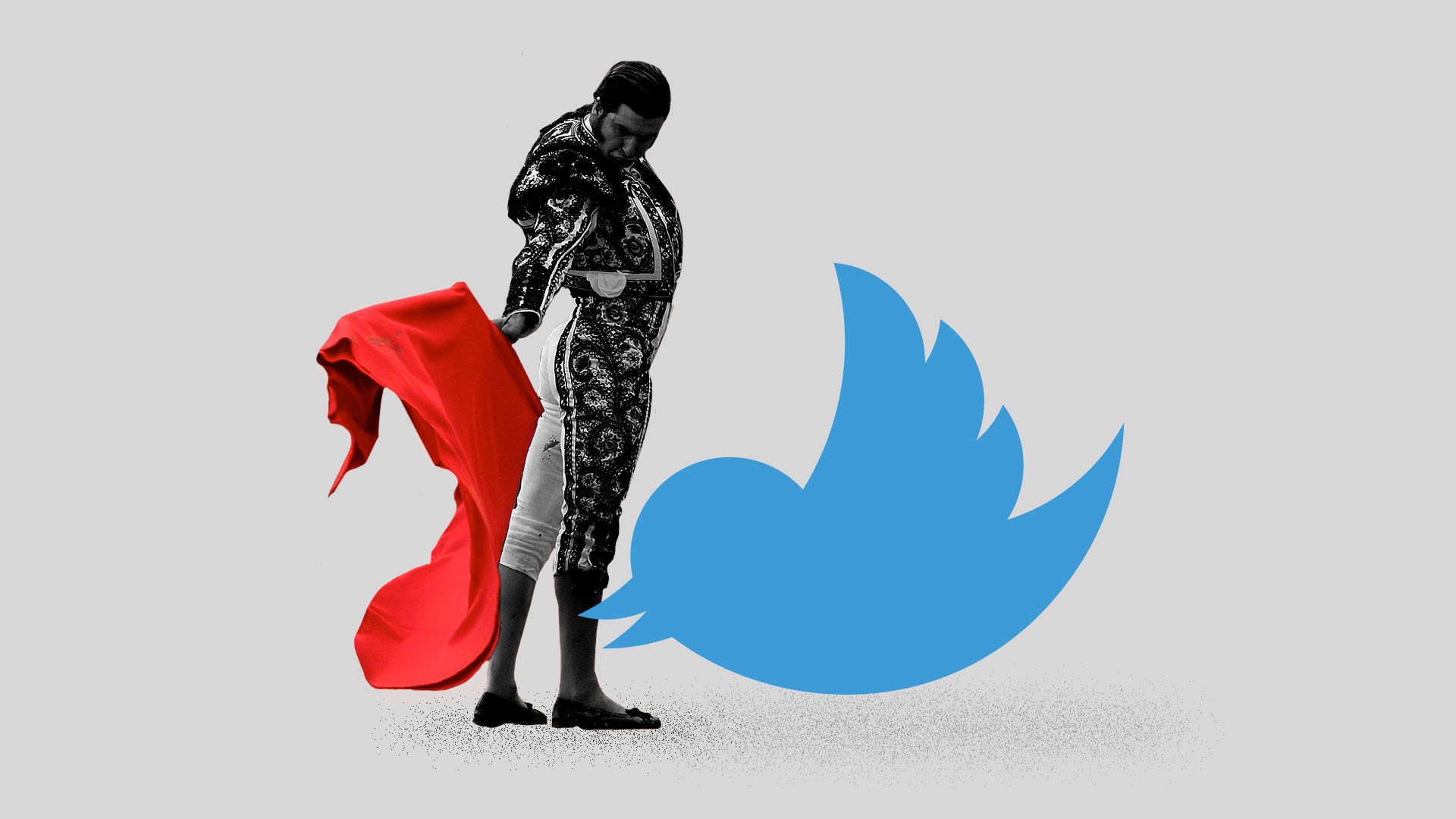
BlackBerry on Wednesday sued Twitter, alleging it infringes on several messaging-related patents.
The big picture: Having seen its once-popular BBM service fade from the messaging scene, BlackBerry has launched a series of lawsuits against today's leaders. Last March, BlackBerry sued Facebook, along with Facebook-owned Instagram and WhatsApp. A month later, it sued Snapchat's parent company.
Most people say it's important to have a clear understanding of a company's privacy policy before signing up for its service online — but in practice, most people skip right to the "I agree" box on a privacy policy without actually reading it, according to an Axios-SurveyMonkey poll.
Why it matters: Consumers are increasingly aware that companies share and sell their personal data in exchange for free services, but consumers' privacy concerns aren't translating into concrete action to protect their data.
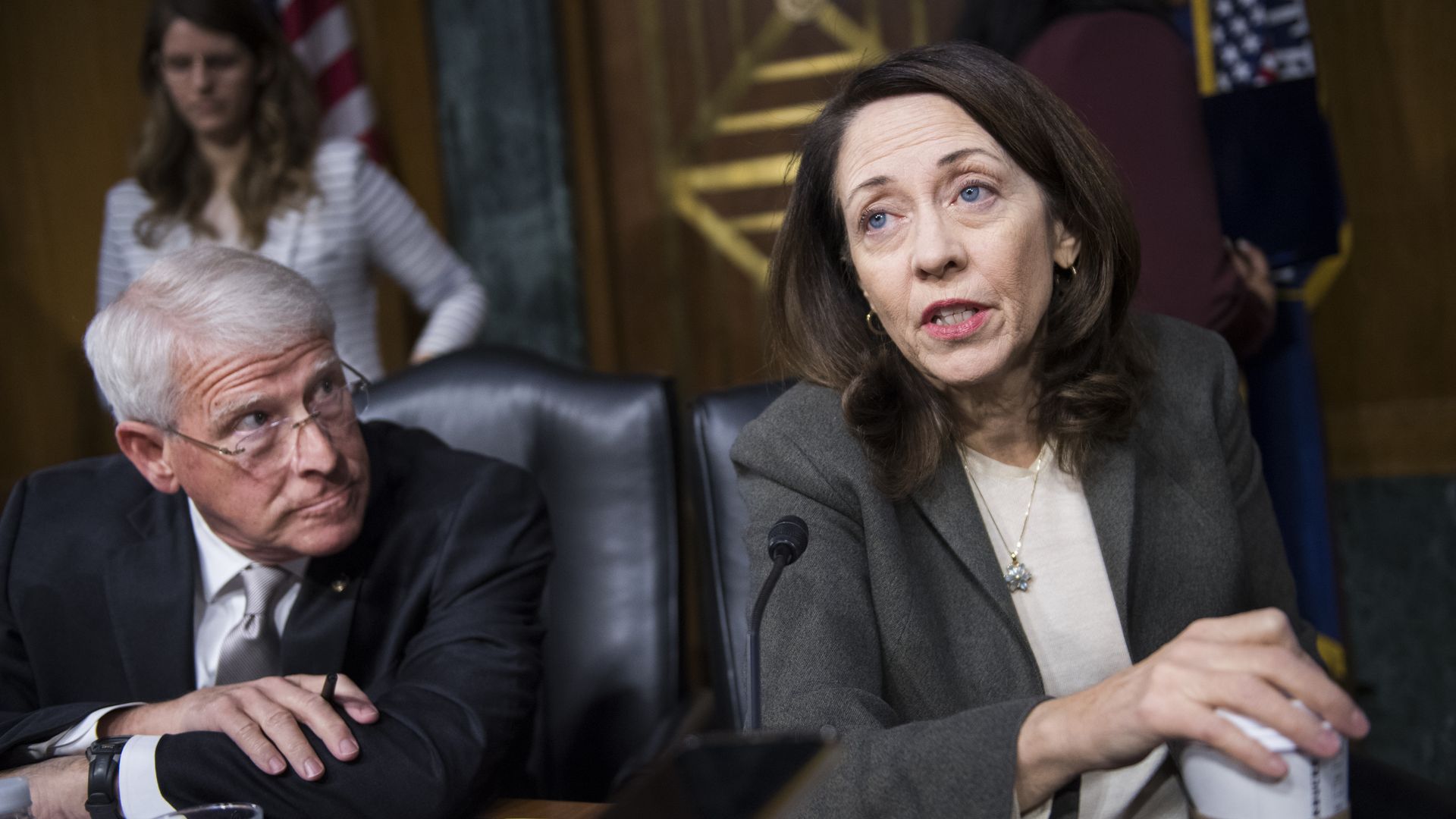
Federal preemption of state laws will be the sticking point to watch as the debate over national privacy rules proceeds in Congress, lawmakers made clear this week.
Why it matters: State lawmakers aren’t waiting for the feds to get their act together. There are many privacy bills floating around statehouses nationwide — and next year California will implement a sweeping law it has already passed.
Spooked by misinformation campaigns in the 2016 election, companies — concerned that coordinated attacks could drag their reputations through the mud — are hiring consultants to stave off politically motivated Twitter and Facebook mobs.
The catch: But their effort is rife with risks of its own, rooted in the hard-to-decipher difference between legitimate grassroots campaigns and online fraudsters who create the illusion of vast protest movements.
TikTok,a short-form video app owned by Chinese tech giant Bytedance, has agreed to a $5.7 million settlement with the U.S. Federal Trade Commission for illegally collecting personal data from children.
Why it matters: It's the largest settlement from a violation of The Children's Online Privacy Protection Act (COPPA) in the law's 20+ year history. While $5.7 million may seem small, it's significantly larger than the next biggest COPPA violation, which resulted in a $3 million settlement by Disney-owned social games studio Playdom in 2011.
As new transportation options like bike and scooter rental services proliferate, ride-hailing companies are rushing to outfit their mobile apps with as many services as possible, including public transit.
Yes, but: They still have to compete with Google Maps, the 800-pound gorilla in this realm —which is also their business partner.
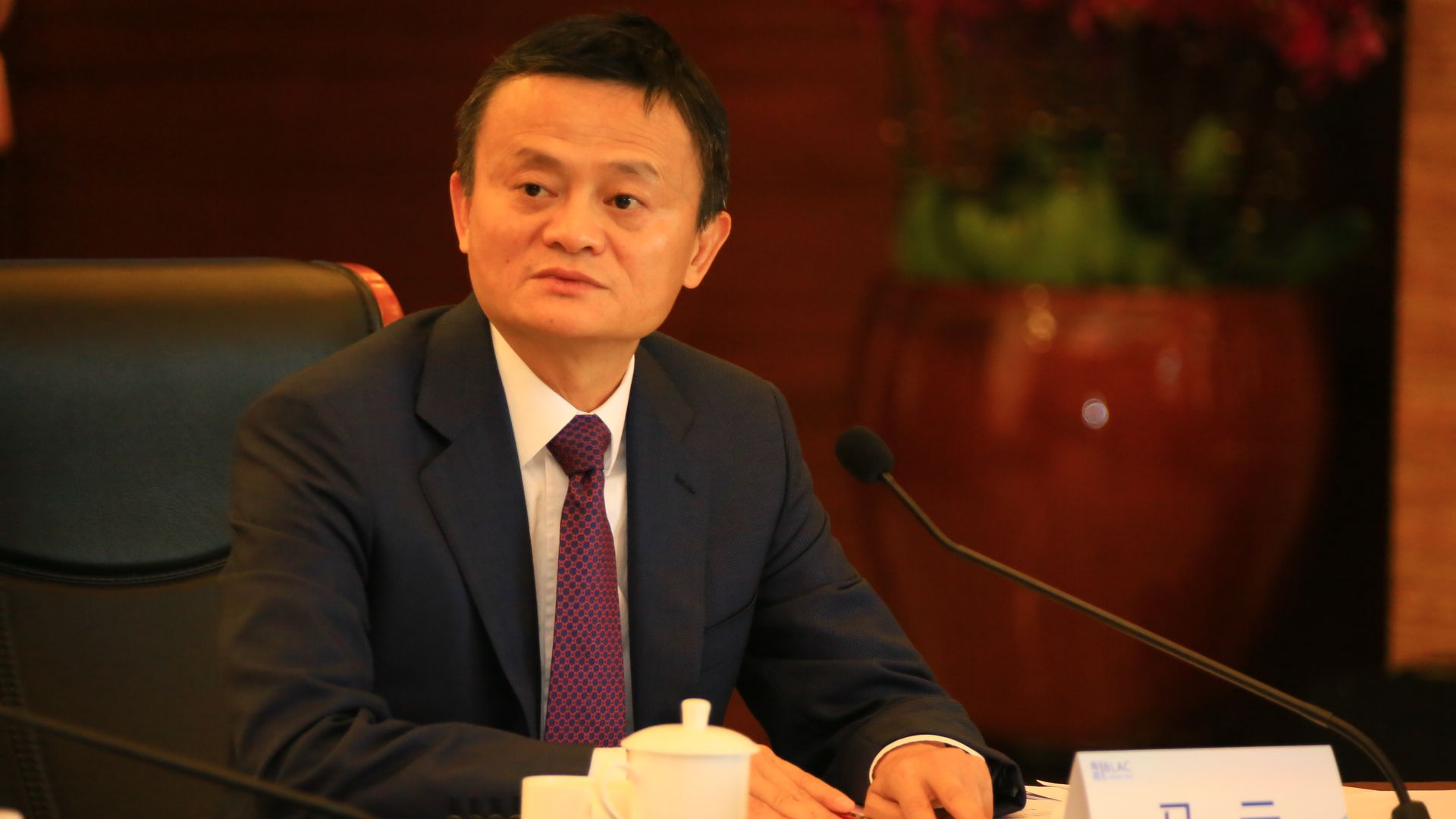
Beijing was the city with the most billionaires in 2018, at 103, followed by New York at 92 and Hong Kong with 69, according to wealth compiler Hurun Report, China's version of the Forbes rich list.
By the numbers: China had 658 billionaires; the U.S. had 584; the world had 2,470, per the AP. The bulk of the wealth last year poured in from the technology, media and telecom sectors. Despite China's overall strength in numbers, Amazon CEO Jeff Bezos and Microsoft co-founder Bill Gates — both Americans — held the top two spots in the list.
The Federal Trade Commission said Tuesday it was setting up a task force that could review already-approved tech mergers.
Why it matters: It reflects a new level of federal scrutiny for a tech sector dominated by companies like Google, Facebook and Amazon — each of which made major acquisitions along the way to becoming a giant.
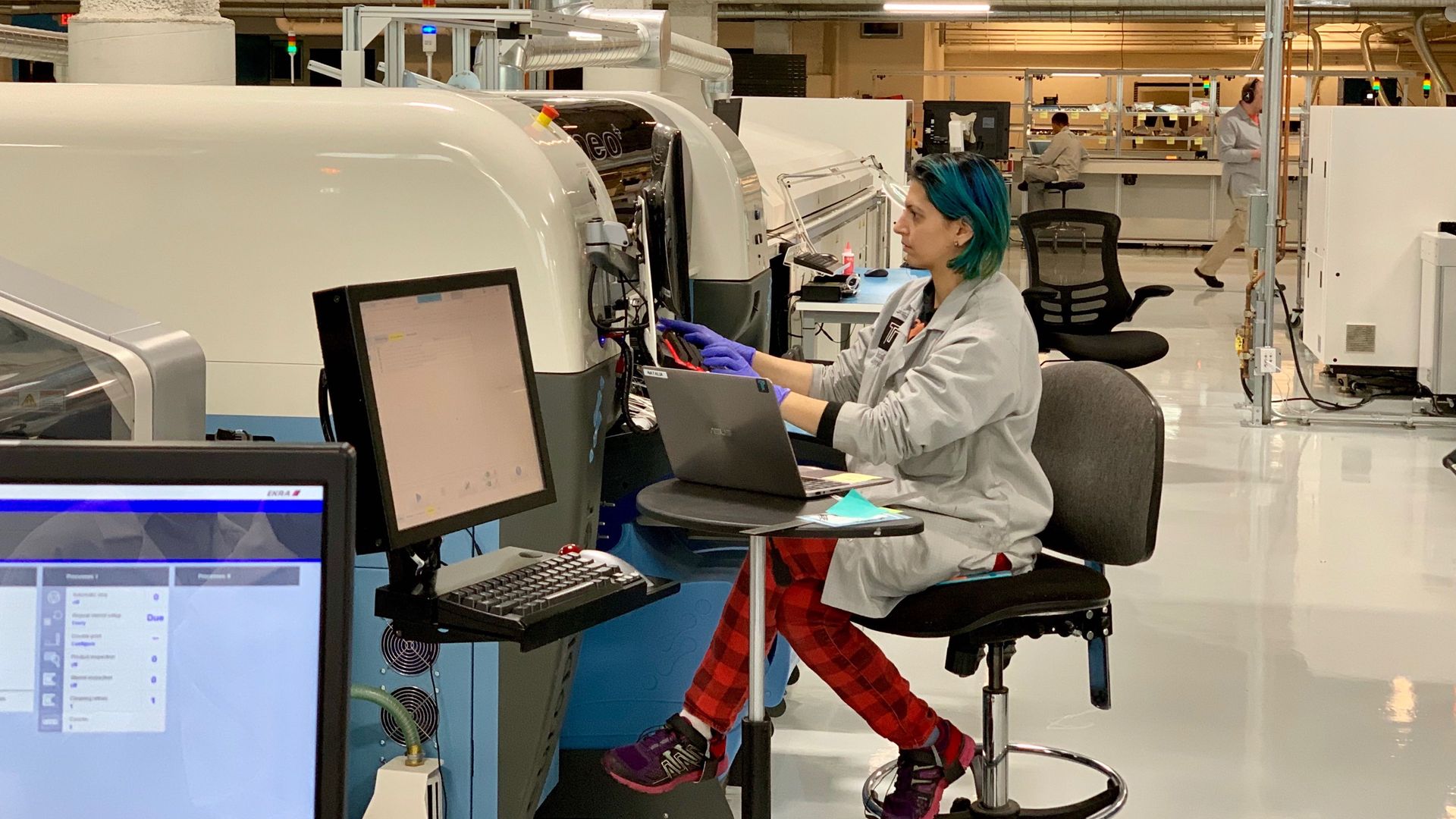
China and its neighbors dominate electronics manufacturing, a key part of Beijing's aggressive push to become the globe's tech leader. But, in a surprising turn, a vital part of the lucrative industry has remained in the U.S.: boutique factories that build prototype circuit boards.
A buzzy example: Tempo Automation is pumping out small batches of circuit boards for top tech and defense companies — attracted by its partially automated assembly line — from a squat white building tucked beneath a highway in the warehouse district of San Francisco.