Last week, Germany and the U.K., 2 key U.S. allies, shrugged at Washington's call to ban Huawei 5G products from their networks.
The big picture: Neither country particularly wants to be spied on. But the U.S. has apparently failed to make a strong enough case to its partners that Huawei can't be trusted.
The past week has seen some eye-popping new technology, including foldable phones from Samsung and Huawei and the HoloLens 2 mixed reality headset from Microsoft. But these breakthroughs have also come with equally jaw-dropping price tags.
Why it matters: Tech innovations often start out at prohibitively high prices. The fact that the technology exists in a commercially deliverable form practically guarantees that it will become affordable in a few years.
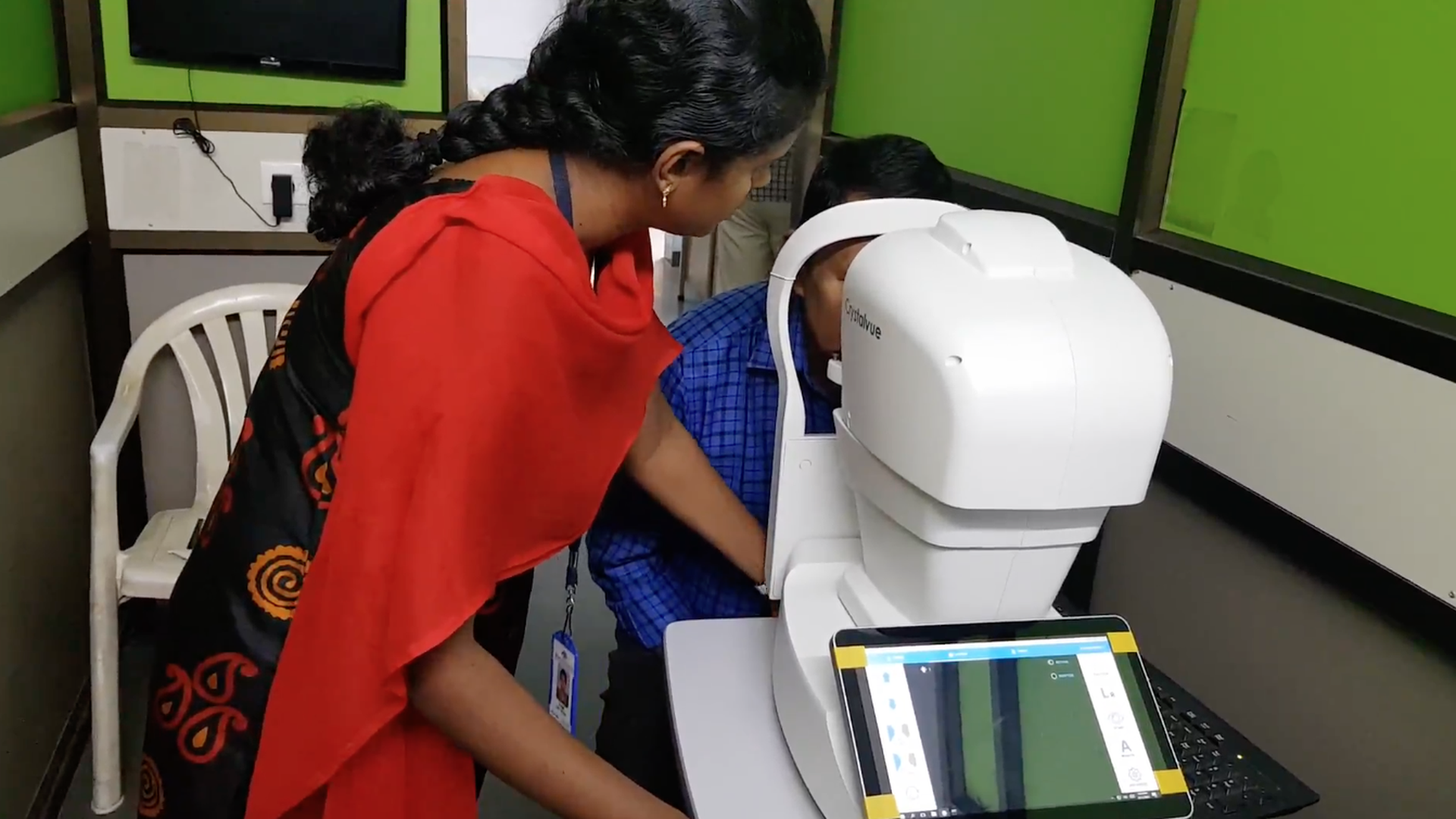
Google — along with its health care-focused sister company, Verily — has taken an artificial intelligence tool out of the lab and into real doctors' offices.
Why it matters: So far, AI tools in the health care world have mostly been useful for things like quickly reading and synthesizing a lot of medical literature — a few steps removed from clinical practice. Using a system like this for actual treatment is a big jump.
Lawmakers who will play key roles in writing a national privacy law may tip their hands at a series of hearings this week.
Why it matters: Industry groups have been pushing Congress to take action that would override a growing number of state privacy laws, led by regulations set to go into effect in California next year.
Long before the start of the "techlash," LinkedIn founder Reid Hoffman presciently predicted that “social networks do best when they tap into one of the seven deadly sins." In today’s episode of his own Masters of Scale podcast, Reid talks more about that philosophy.
Amazon has appointed Indra Nooyi, who stepped down as CEO of PepsiCo in October, as the 11th member of its board of directors, per an SEC filing.
Why it matters: As the fifth woman and second person of color on the current board, Nooyi adds diversity to Amazon's leadership at a time when big companies are under scrutiny for employing overwhelmingly white, male decision-makers. Former Walmart executive and current Starbucks COO Rosalind Brewer, who is a woman of color, was appointed earlier this month, and the first person of color to join Amazon's board was Myrtle Potter, a former Merck executive, who served from 2004–2009.
Editor's note: This story was corrected to show that Myrtle Potter was the first person of color to serve on Amazon's board of directors.
A dozen current and former employees who moderated disturbing and traumatic content for Facebook at a third-party contractor in Arizona told The Verge that their experiences caused PTSD-like symptoms amid difficult working conditions.
Why it matters per Axios' David McCabe: Facebook has spent over a year promising regulators, media and the public that it will address the flood of malicious content on its platform. Workers in Phoenix and at other content moderation sites are a key part of that effort — and both Facebook and its contractor, Cognizant, told The Verge that adequate support for employees was provided at the site — but their struggles are far less visible than the lives of executives and engineers at Facebook's Silicon Valley HQ.
A full 81% of consumers say that in the past year they've become more concerned with how companies are using their data, and 87% say they've come to believe companies that manage personal data should be more regulated, according to a survey out Monday by IBM's Institute for Business Value.
Yes, but: They aren't totally convinced they should care about how their data is being used, and many aren't taking meaningful action after privacy breaches, according to the survey. Despite increasing data risks, 71% say it's worth sacrificing privacy given the benefits of technology.
Genetic testing companies that trace customers' ancestry are amassing huge databases of DNA information, and some are sharing access with law enforcement, drug makers and app developers.
Why it matters: At-home DNA testing kits are soaring in popularity, but many consumers who take the tests to learn more about their family trees may not realize how that data is being shared for other purposes.














/2019/02/16/1550350117343.gif?w=3840)