TikTok,a short-form video app owned by Chinese tech giant Bytedance, has agreed to a $5.7 million settlement with the U.S. Federal Trade Commission for illegally collecting personal data from children.
Why it matters: It's the largest settlement from a violation of The Children's Online Privacy Protection Act (COPPA) in the law's 20+ year history. While $5.7 million may seem small, it's significantly larger than the next biggest COPPA violation, which resulted in a $3 million settlement by Disney-owned social games studio Playdom in 2011.
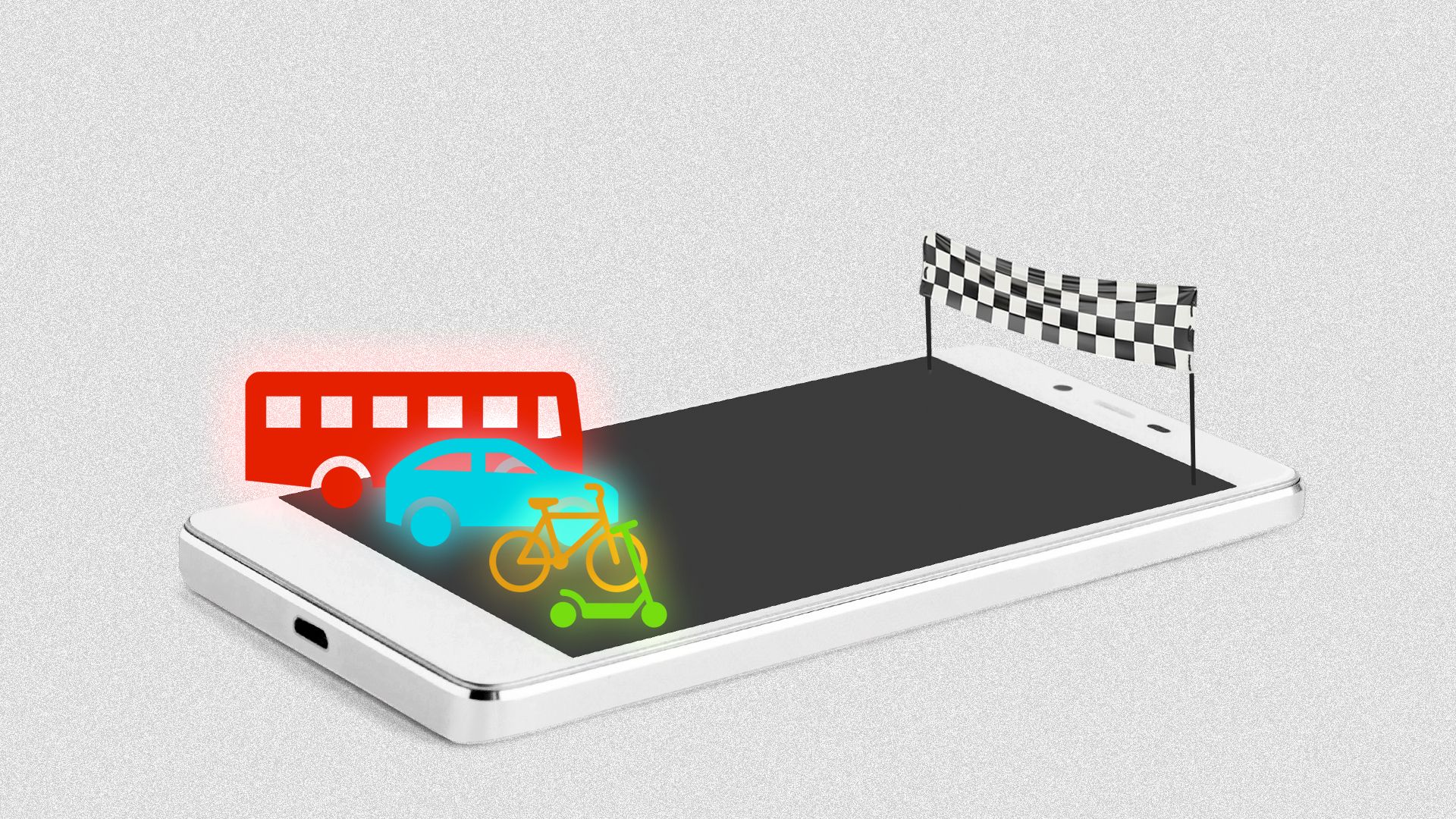
As new transportation options like bike and scooter rental services proliferate, ride-hailing companies are rushing to outfit their mobile apps with as many services as possible, including public transit.
Yes, but: They still have to compete with Google Maps, the 800-pound gorilla in this realm —which is also their business partner.
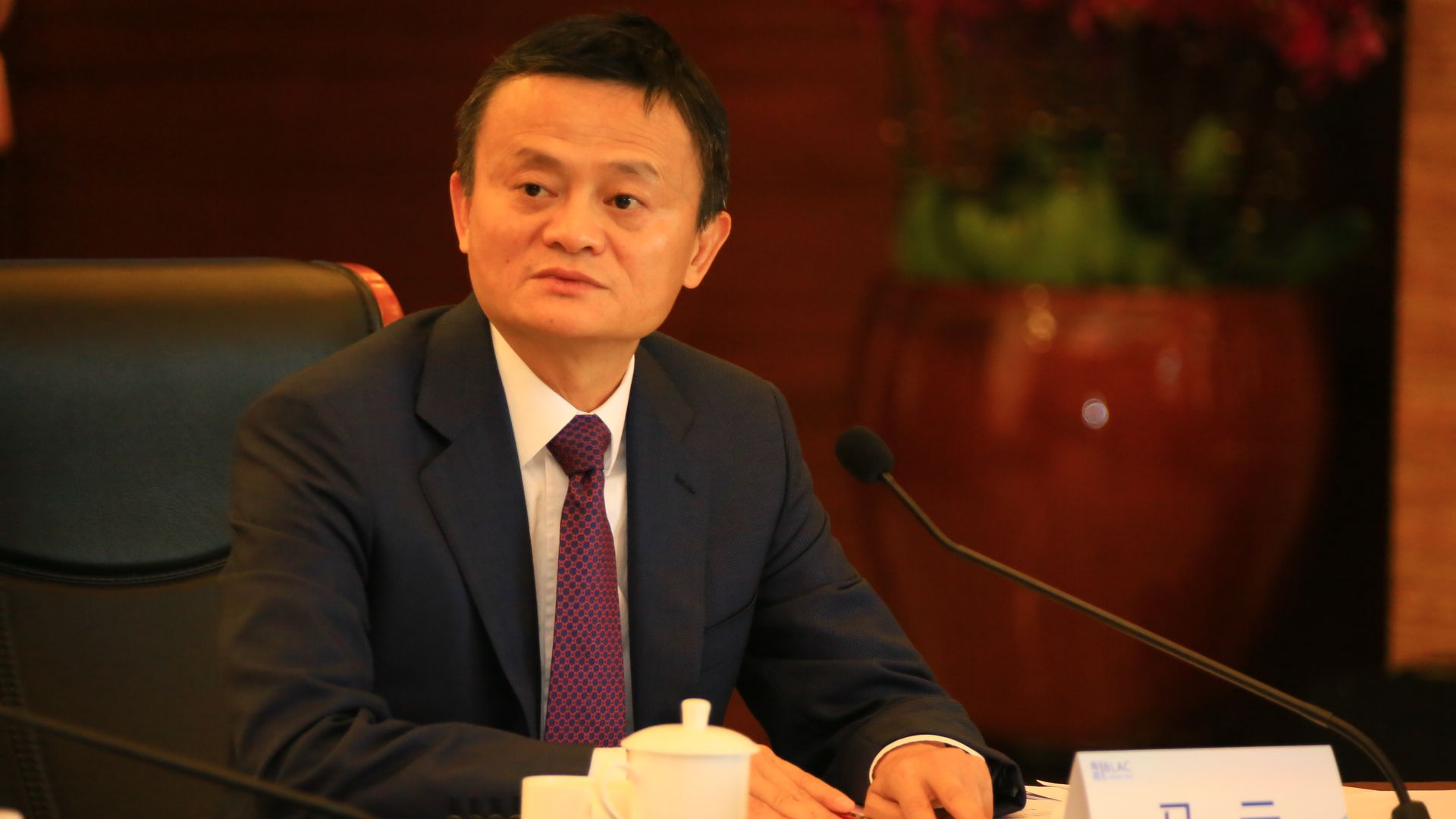
Beijing was the city with the most billionaires in 2018, at 103, followed by New York at 92 and Hong Kong with 69, according to wealth compiler Hurun Report, China's version of the Forbes rich list.
By the numbers: China had 658 billionaires; the U.S. had 584; the world had 2,470, per the AP. The bulk of the wealth last year poured in from the technology, media and telecom sectors. Despite China's overall strength in numbers, Amazon CEO Jeff Bezos and Microsoft co-founder Bill Gates — both Americans — held the top two spots in the list.
The Federal Trade Commission said Tuesday it was setting up a task force that could review already-approved tech mergers.
Why it matters: It reflects a new level of federal scrutiny for a tech sector dominated by companies like Google, Facebook and Amazon — each of which made major acquisitions along the way to becoming a giant.
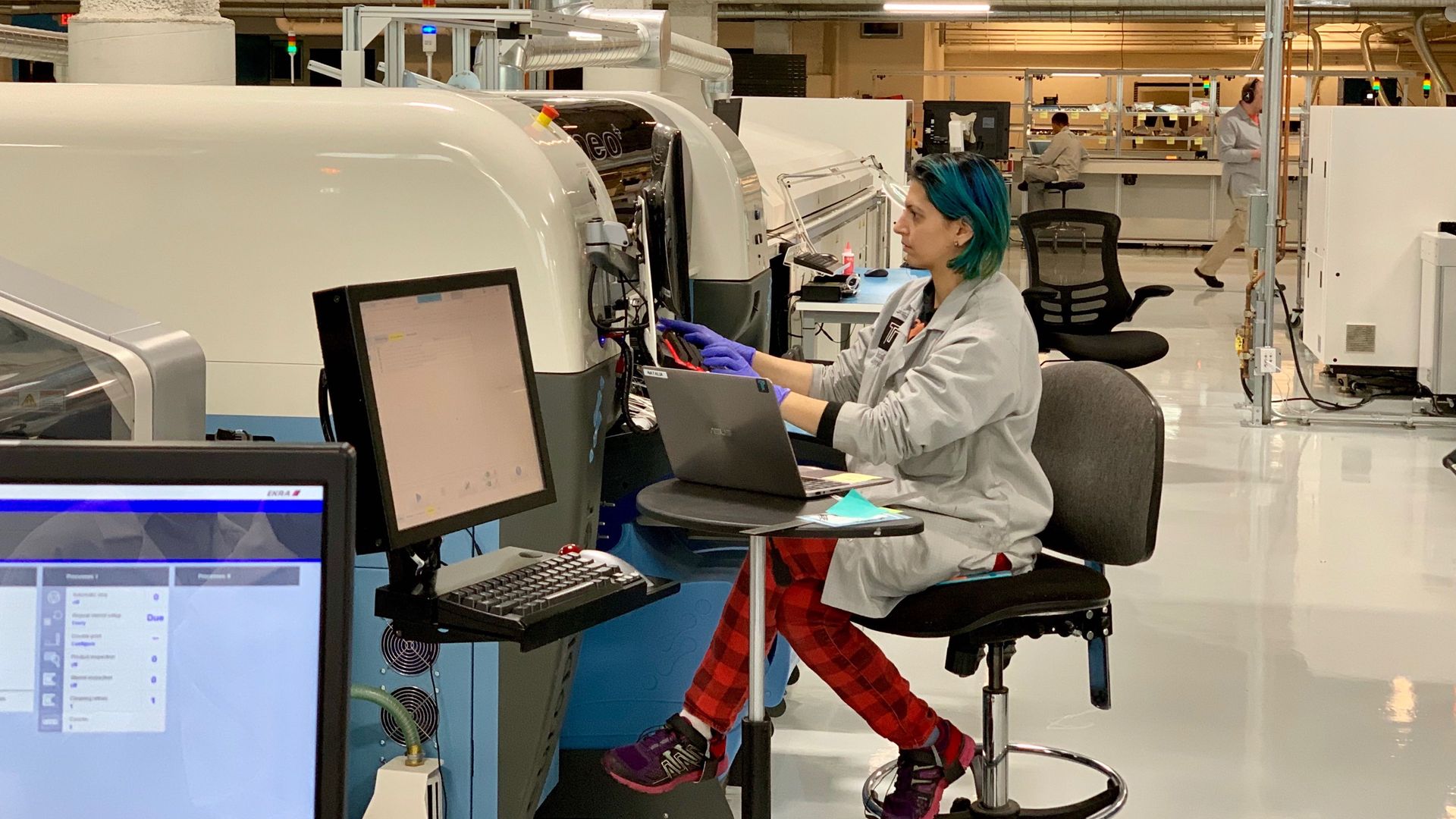
China and its neighbors dominate electronics manufacturing, a key part of Beijing's aggressive push to become the globe's tech leader. But, in a surprising turn, a vital part of the lucrative industry has remained in the U.S.: boutique factories that build prototype circuit boards.
A buzzy example: Tempo Automation is pumping out small batches of circuit boards for top tech and defense companies — attracted by its partially automated assembly line — from a squat white building tucked beneath a highway in the warehouse district of San Francisco.
Last week, Germany and the U.K., 2 key U.S. allies, shrugged at Washington's call to ban Huawei 5G products from their networks.
The big picture: Neither country particularly wants to be spied on. But the U.S. has apparently failed to make a strong enough case to its partners that Huawei can't be trusted.
The past week has seen some eye-popping new technology, including foldable phones from Samsung and Huawei and the HoloLens 2 mixed reality headset from Microsoft. But these breakthroughs have also come with equally jaw-dropping price tags.
Why it matters: Tech innovations often start out at prohibitively high prices. The fact that the technology exists in a commercially deliverable form practically guarantees that it will become affordable in a few years.
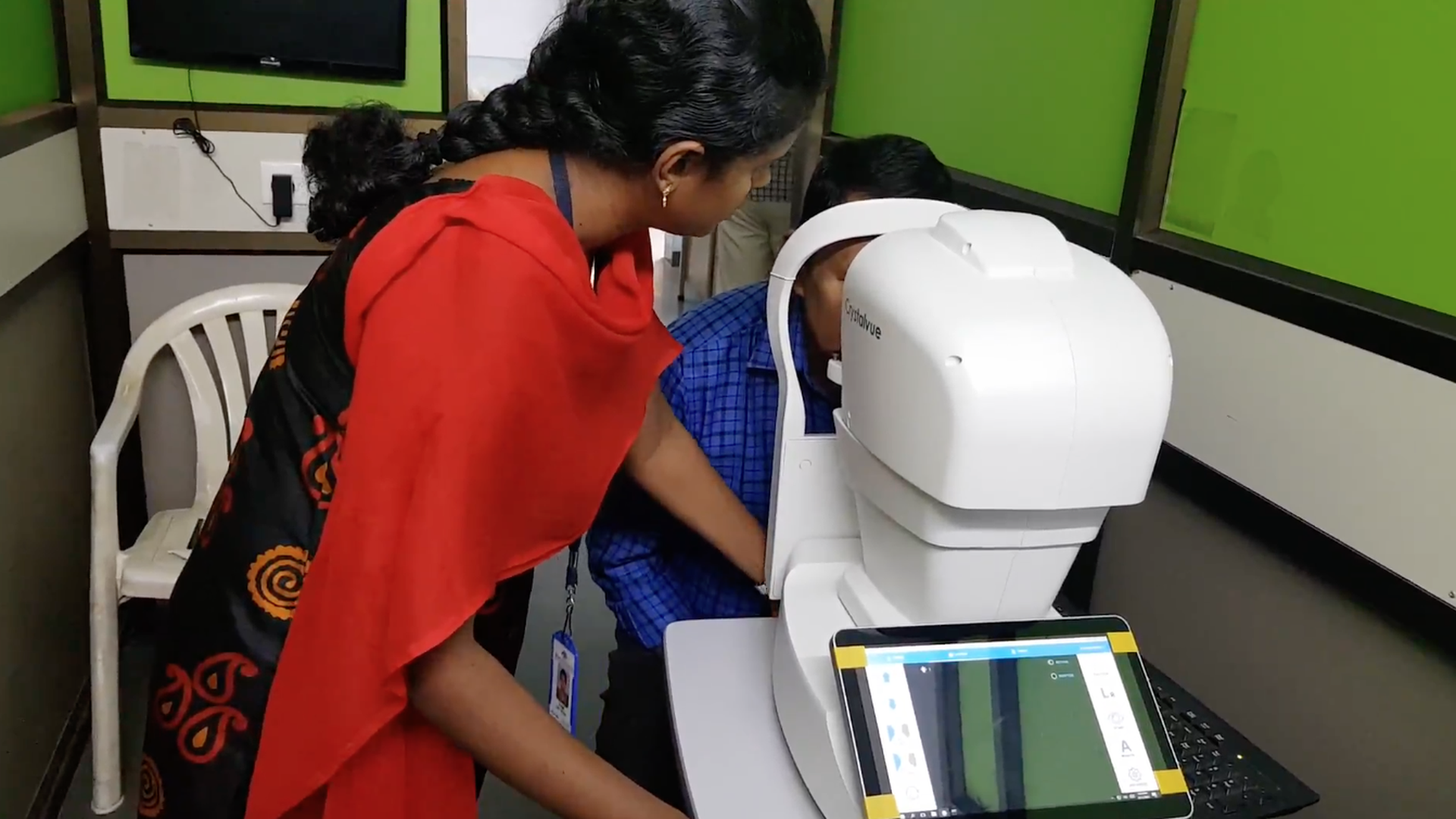
Google — along with its health care-focused sister company, Verily — has taken an artificial intelligence tool out of the lab and into real doctors' offices.
Why it matters: So far, AI tools in the health care world have mostly been useful for things like quickly reading and synthesizing a lot of medical literature — a few steps removed from clinical practice. Using a system like this for actual treatment is a big jump.
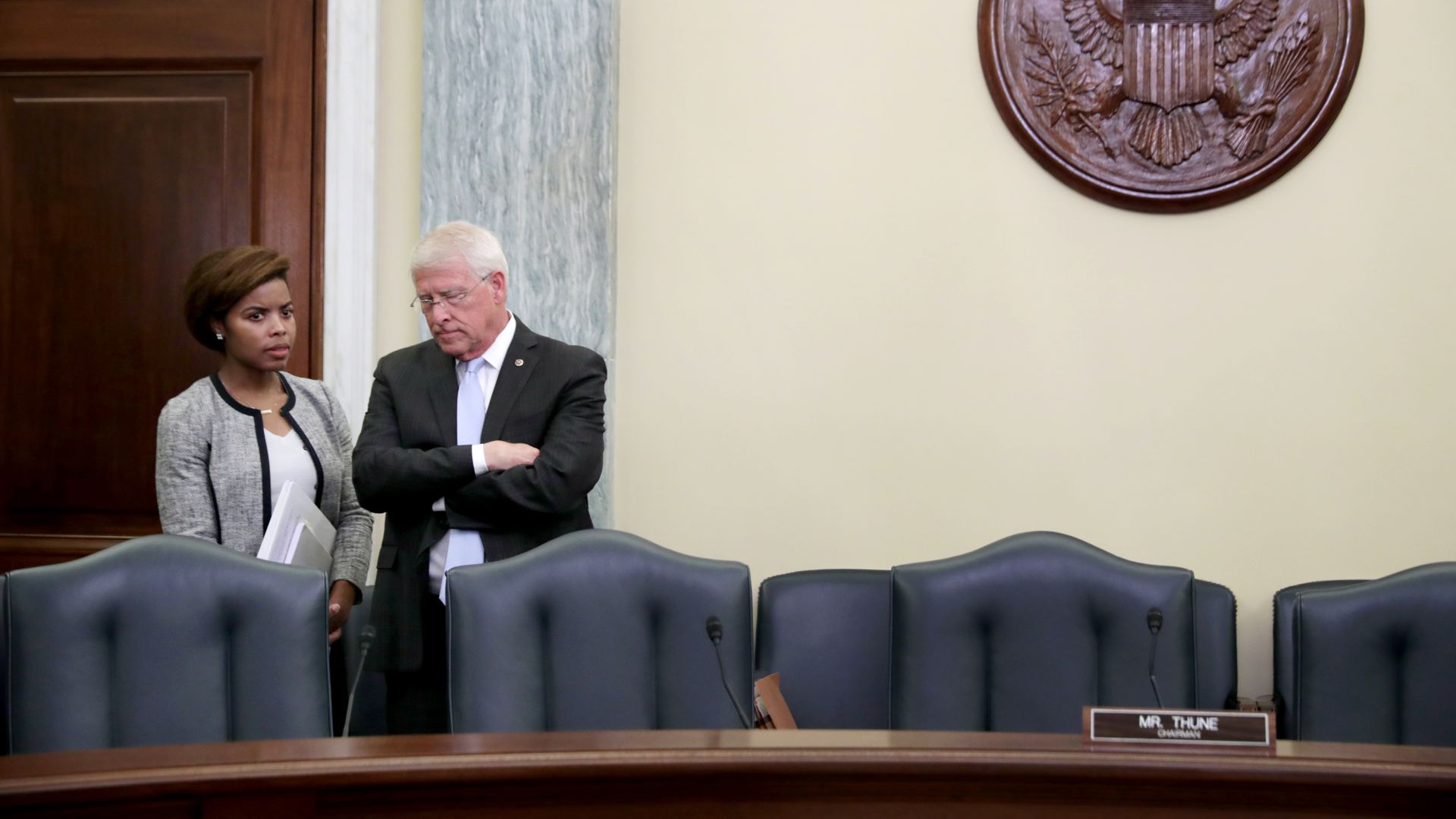
Lawmakers who will play key roles in writing a national privacy law may tip their hands at a series of hearings this week.
Why it matters: Industry groups have been pushing Congress to take action that would override a growing number of state privacy laws, led by regulations set to go into effect in California next year.