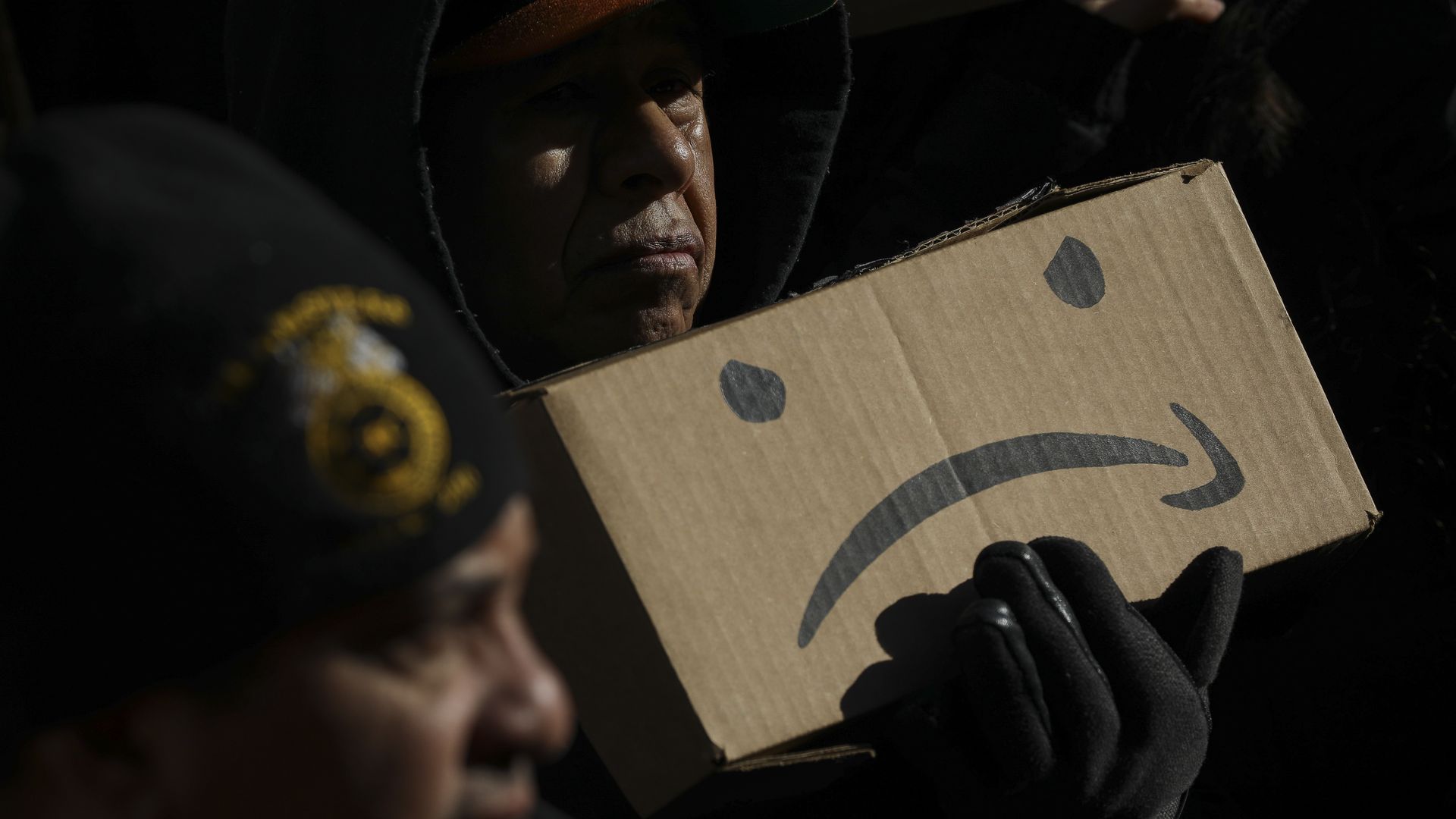
Amazon is rethinking its plans to bring 25,000 jobs and a second headquarters to Long Island City in Queens after local activists and state lawmakers voiced staunch opposition to the company's deal with New York, reports the Washington Post, citing two people familiar with Amazon's thinking.
The backdrop: While Amazon has had smooth processes in Virginia and Tennessee — the other sites for HQ2 — the company has fielded harsh criticism for the $3 billion tax breaks it is expected to receive from New York. The state's progressive legislature recently nominated Sen. Michael Gianaris, an opponent of the HQ2 deal, to a state board that has veto power over the agreement.
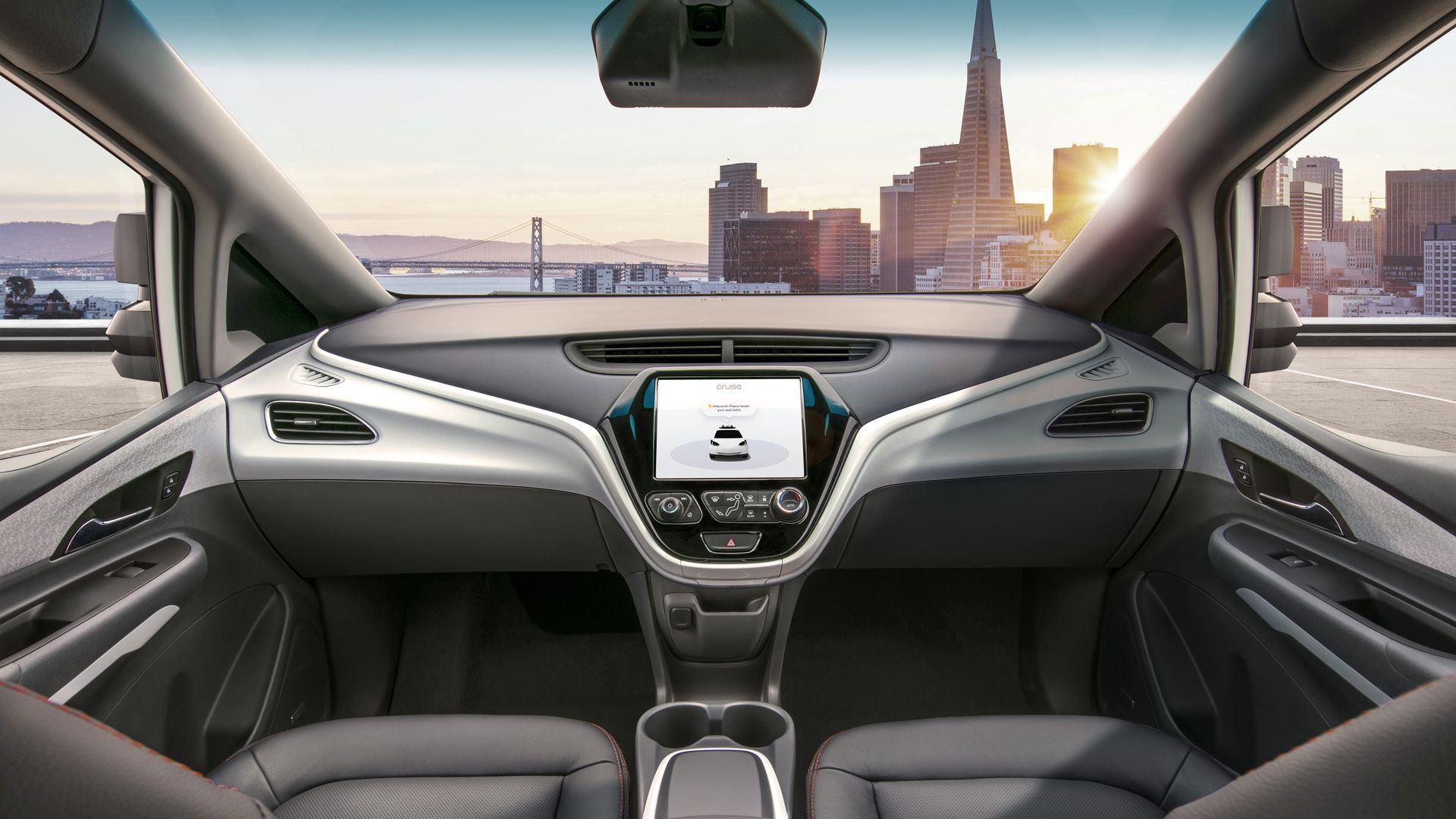
Autonomous vehicles don't just use cameras to help steer themselves. To keep improving, they're also capturing and storing images of everything that surrounds them — which means they might catch you on camera if you're in the vicinity.
Why it matters: This is a big issue that privacy experts are just starting to think about. It's not clear who else might see those images — and without concrete rules on how data collected outside the vehicle may be used, bystanders' privacy could be at risk.
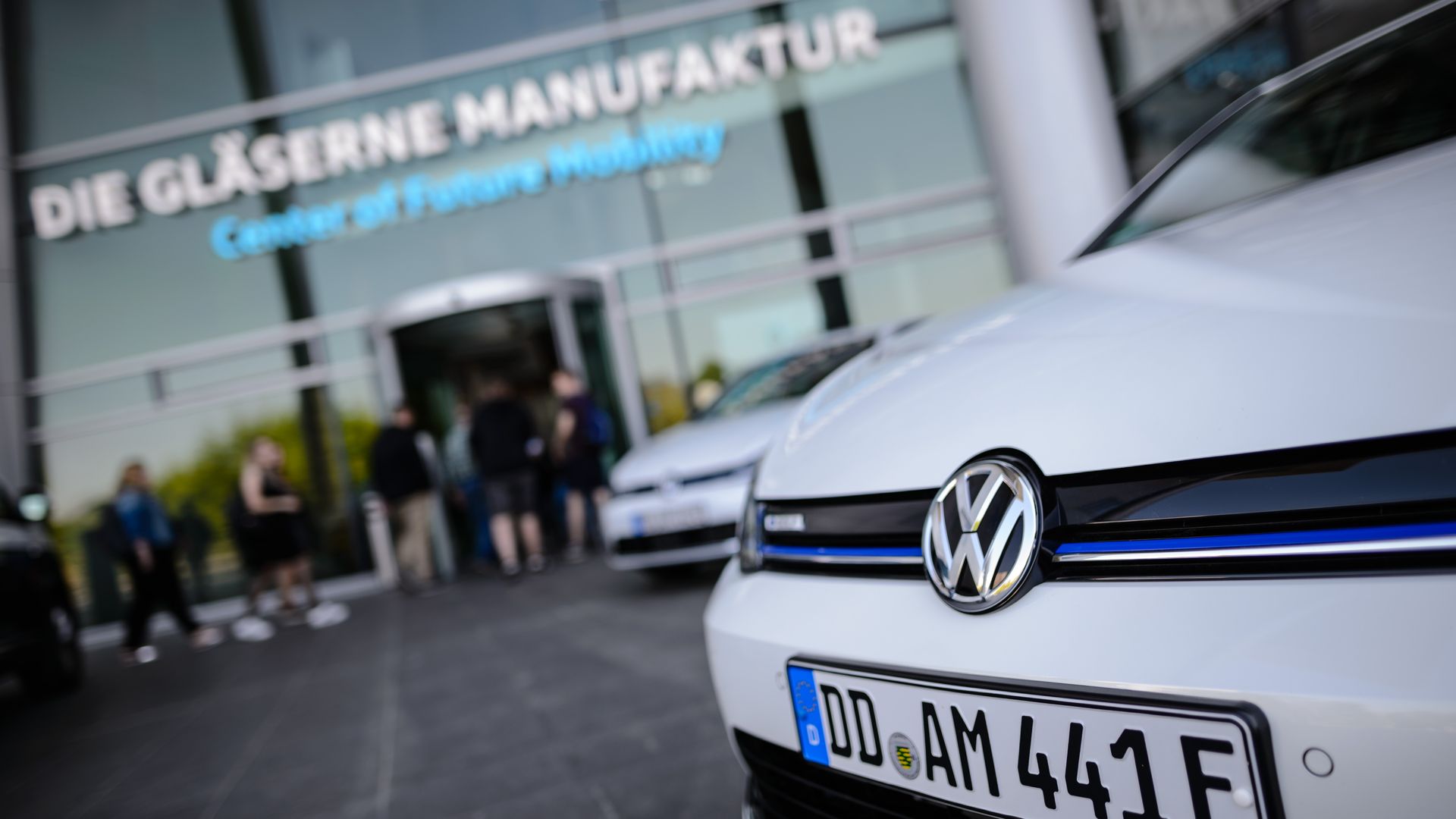
Toyota, Renault, and VW have announced concept AVsthat could be wheelchair accessible, but American automakers have yet to share wheelchair accessible design concepts.
Why it matters: If American auto manufacturers cede leadership on accessibility, they could end up forfeiting leadership on AV design more broadly and minimizing the role their cars can play in ridesharing long-term.
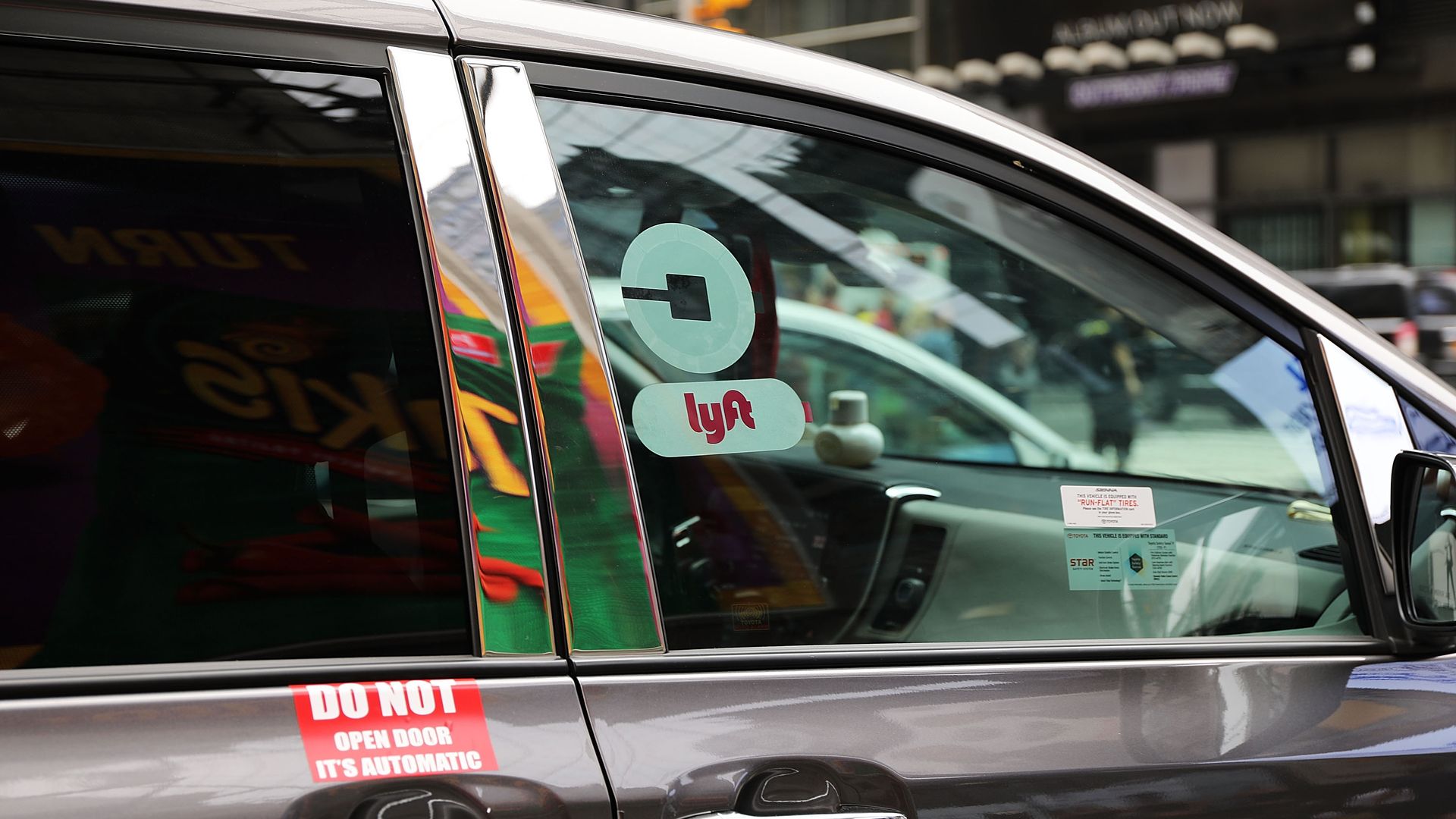
Ride-hailing companies like Uber, Lyft and China's Didi have dominated the emerging mobility market and are now investing in autonomous technology, which Goldman Sachs projects would accelerate growth and increase profitability by eliminating driver subsidies.
The big picture: Even with AV fleets, however, ride-hailing companies may struggle to improve their bottom lines without addressing other inefficiencies in their business model. The time ride-hailing vehicles spend empty (traveling 2.8 miles for every mile in service) only exacerbates the role they have played in slowing city traffic, by up to 20% in New York and 51% in San Francisco.
A reportedly seven-figure book deal for two New York Times journalists based on an investigation of Facebook's privacy scandals portends a new era of brutal scrutiny for Silicon Valley's giants.
Why it matters: The intense focus on tech companies' troubles comes not just from policymakers and investigative reporters, but also from our culture's storytellers in New York and Hollywood — book publishers, TV producers, and movie directors. And unlike their past infatuations with the tech world, this time they're taking a much tougher view.
Ten years ago, Axon started using robots to assemble cartridges for its flagship product, the Taser. Automation helped the Arizona-based giant bring production back into the U.S. and boosted its output by four times.
The big picture: This is why factory automation is predicted to be worth nearly $370 billion worldwide by 2025, up from $191 billion in 2017. Robots build quickly and cheaply, and they don't make mistakes or get tired.
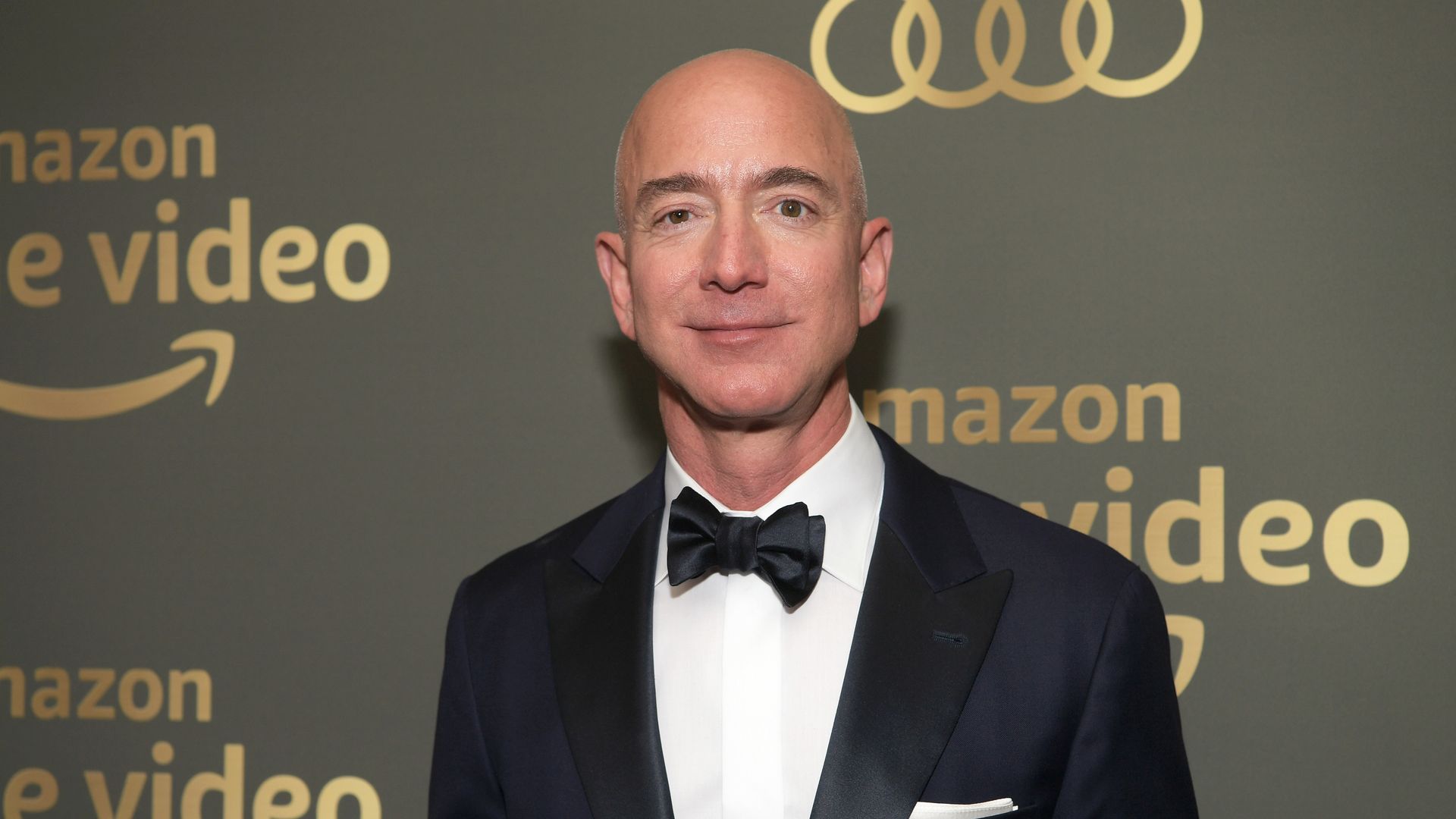
Amazon founder Jeff Bezos on Thursday published a lengthy Medium post alleging that the National Enquirer threatened to publish nude photos of him and Lauren Sanchez, a journalist with whom he was alleged to have had an affair.
Details: Bezos notes that David Pecker, the owner of the National Enquirer and its parent company AMI, is suspected of using the publication for political purposes. After the National Enquirer published intimate texts between Bezos and Sanchez, Bezos launched an investigation into the magazine's motives, including actions it has taken on behalf of the Trump administration and the Saudi government. This prompted an email from AMI chief content officer Dylan Howard — which Bezos posted — in which Howard described lewd photos of Bezos that the Enquirer had allegedly obtained during the course of its reporting.
Cisco called for a different kind of privacy regulation debate in the U.S in a blog post on Thursday.
The big picture: Other companies have called for privacy regulations before — Facebook and Apple come to mind. But the debate has focused in no small part on Facebook and Google-style business models involving data brokerages and ads. Cisco's new call is largely concerned with everything else.
Apple released an iOS update Thursday with a remedy for the group FaceTime bug that allowed people to see and hear the people they were calling even before the recipient answered, reports CNBC.
Details: Apple, which prides itself on its privacy record, publicly apologized last week after a 14-year-old discovered the problem. The tech giant temporarily deactivated FaceTime's group calling function while it worked on the fix. It also said in a statement that it had issued other fixes to the app after a security audit, including "a previously unidentified vulnerability in the Live Photos feature."
Cybersecurity stakeholders are pushing U.S. lawmakers to rescue WHOIS, a tool for identifying internet domain ownership that's been hamstrung by the EU's privacy regulations.
Why it matters: WHOIS has been a public address book for domain owners since the earliest days of the internet. A bevy of online investigators — from law enforcement authorities to human rights groups to cybersecurity researchers — have long relied on its data. But the EU's General Data Protection Regulation (GDPR) deems the information in WHOIS to be too personal to share without a thorough consent agreement.
Germany's competition regulator moved Thursday to ban Facebook from collecting certain types of consumer data without users' consent within the country, saying its data gathering was an "abuse" of its market power.
Why it matters: The decision isn't final but nonetheless represents the first major antitrust action against the social giant. It shows how questions about Facebook's dominance are tied to concerns about its users' privacy.
If you've got a decent background in math, you can learn how to program a self-driving car through a new online program offered by Coursera in partnership with the University of Toronto, a leading hub for AV research.
Why it matters: Coursera aims to get more people interested in AV engineering and claims, "The next big job boom is right around the corner."
Automakers like GM and Ford are banking on the the assumption that if they can lower the cost per mile of self-driving taxis to $1 or less, demand will skyrocket. But a new analysis in the Harvard Business Review suggests their model may be flawed.
Why it matters: Carmakers are tearing apart their traditional businesses — exiting underperforming markets, closing factories and laying off workers — while diverting investment into future mobility technologies. But if self-driving taxi fleets don't take off as expected, their financial plans could be at risk.
For a few moments last week it might have looked like the tech industry's very own World War III was breaking out, as Apple briefly kicked iPhone users who work at Facebook and Google off much of their own software as part of a privacy dispute.
Why it matters: Hostilities ended as quickly as they began — but the flareup reminded the world of just how completely, and complexly, the technologies and businesses of these giants are connected.
In New York, official scrutiny is triggering doubts about the future of Amazon's much-publicized $3 billion in concessions to build a new headquarters employing tens of thousands. And in Wisconsin, Foxconn has created uncertainty about whether it will fulfill promises to build a huge new factory employing 13,000 people.
Why it matters: Together, the deals cast unwanted new attention on breaks granted to big companies that pledge to hire thousands, often renege, and demand contracts that block disclosure of the arrangements.
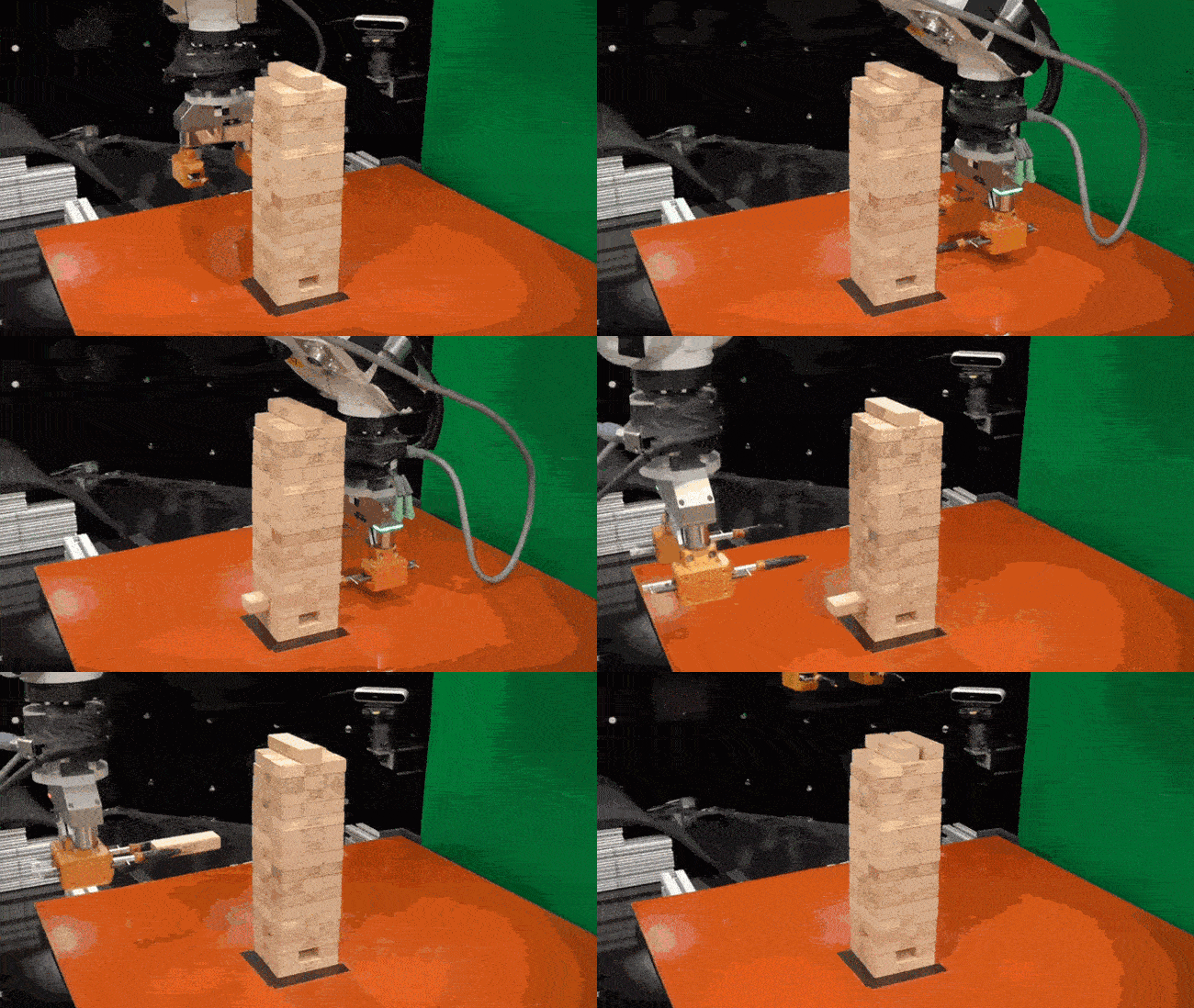
MIT researchers are using a wooden Jenga tower in a new effort to accomplish one of the hardest challenges in robotics — to build a bot that can grab, pack and assemble things with the dexterity of a human hand.
Video: MIT/YouTube
The MIT robot arm brings bots closer to assembling or packing finicky objects in a factory — jobs that, for now, can only be done by people. The robot can gingerly poke out block after block from the tower, relying on feedback from a camera and — in a novel twist — its own sense of touch.