With its 2.3 billion active users, Facebook is entering the online dating market.
What's new: The service hasn't been widely released yet but Facebook will soon add the ability for users to share a date's location with friends, an idea generated from user feedback.
The West is hobbled by blind spots when it comes to China’s ambitions to dominate next-generation technologies like AI, robotics and quantum computing. This leads to bad assumptions — for example, that U.S. military superiority will carry over into the coming era of autonomous warfare.
But experts say its history makes the U.S. uniquely ill suited to navigate this seismic shift.
Apple told developers Thursday that they need to either stop using third party code that records what people do within their apps, or at the very least warn users they are being recorded. The statement followed a TechCrunch report that apps were using data-capturing code from a company called Glassbox.
Why it matters: This is the second time in as many weeks that Apple has been caught unawares as to how its platform was being misused.
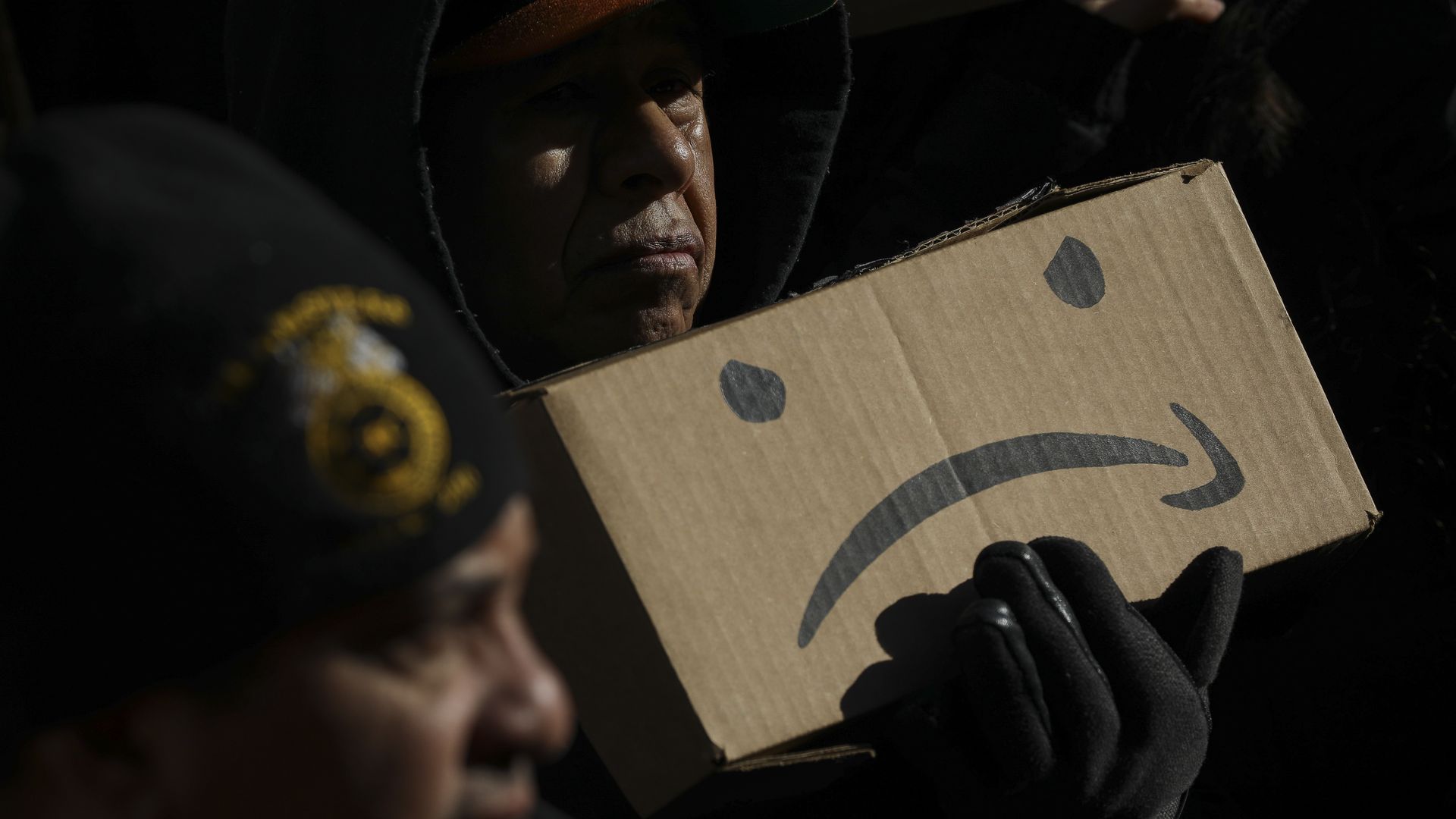
Amazon is rethinking its plans to bring 25,000 jobs and a second headquarters to Long Island City in Queens after local activists and state lawmakers voiced staunch opposition to the company's deal with New York, reports the Washington Post, citing two people familiar with Amazon's thinking.
The backdrop: While Amazon has had smooth processes in Virginia and Tennessee — the other sites for HQ2 — the company has fielded harsh criticism for the $3 billion tax breaks it is expected to receive from New York. The state's progressive legislature recently nominated Sen. Michael Gianaris, an opponent of the HQ2 deal, to a state board that has veto power over the agreement.
Autonomous vehicles don't just use cameras to help steer themselves. To keep improving, they're also capturing and storing images of everything that surrounds them — which means they might catch you on camera if you're in the vicinity.
Why it matters: This is a big issue that privacy experts are just starting to think about. It's not clear who else might see those images — and without concrete rules on how data collected outside the vehicle may be used, bystanders' privacy could be at risk.
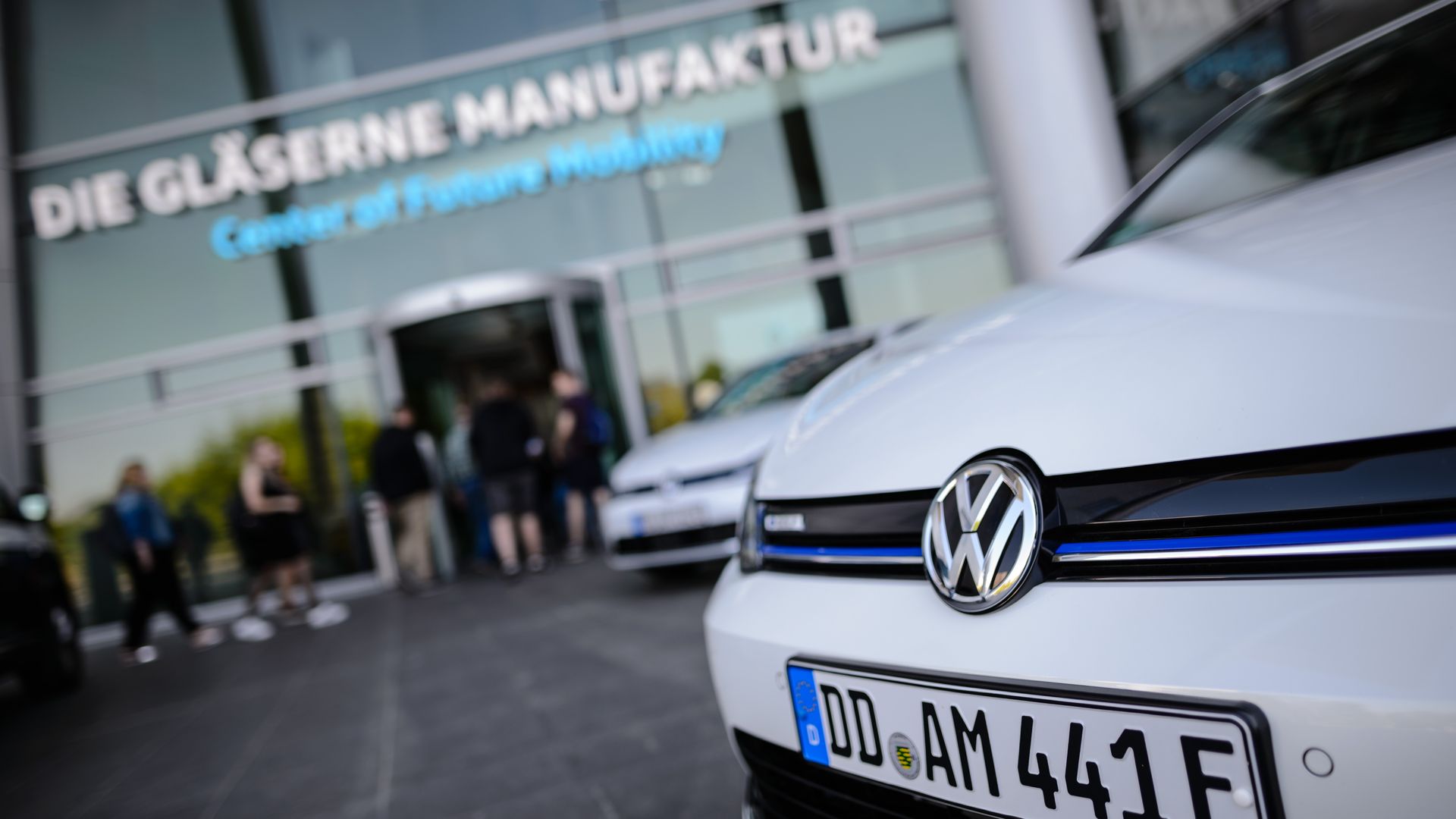
Toyota, Renault, and VW have announced concept AVsthat could be wheelchair accessible, but American automakers have yet to share wheelchair accessible design concepts.
Why it matters: If American auto manufacturers cede leadership on accessibility, they could end up forfeiting leadership on AV design more broadly and minimizing the role their cars can play in ridesharing long-term.
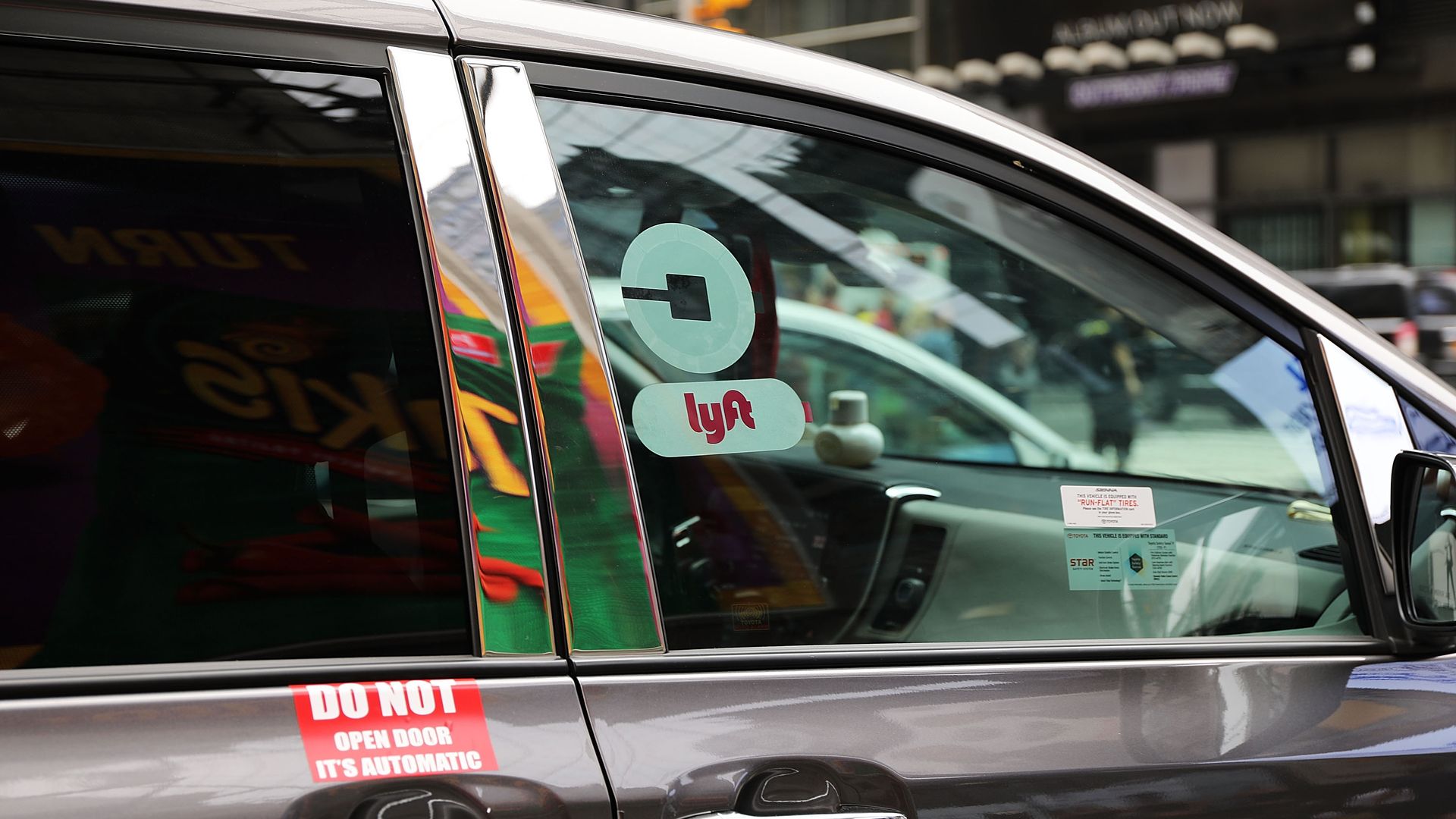
Ride-hailing companies like Uber, Lyft and China's Didi have dominated the emerging mobility market and are now investing in autonomous technology, which Goldman Sachs projects would accelerate growth and increase profitability by eliminating driver subsidies.
The big picture: Even with AV fleets, however, ride-hailing companies may struggle to improve their bottom lines without addressing other inefficiencies in their business model. The time ride-hailing vehicles spend empty (traveling 2.8 miles for every mile in service) only exacerbates the role they have played in slowing city traffic, by up to 20% in New York and 51% in San Francisco.
A reportedly seven-figure book deal for two New York Times journalists based on an investigation of Facebook's privacy scandals portends a new era of brutal scrutiny for Silicon Valley's giants.
Why it matters: The intense focus on tech companies' troubles comes not just from policymakers and investigative reporters, but also from our culture's storytellers in New York and Hollywood — book publishers, TV producers, and movie directors. And unlike their past infatuations with the tech world, this time they're taking a much tougher view.





/2019/02/08/1549644605899.gif?w=3840)