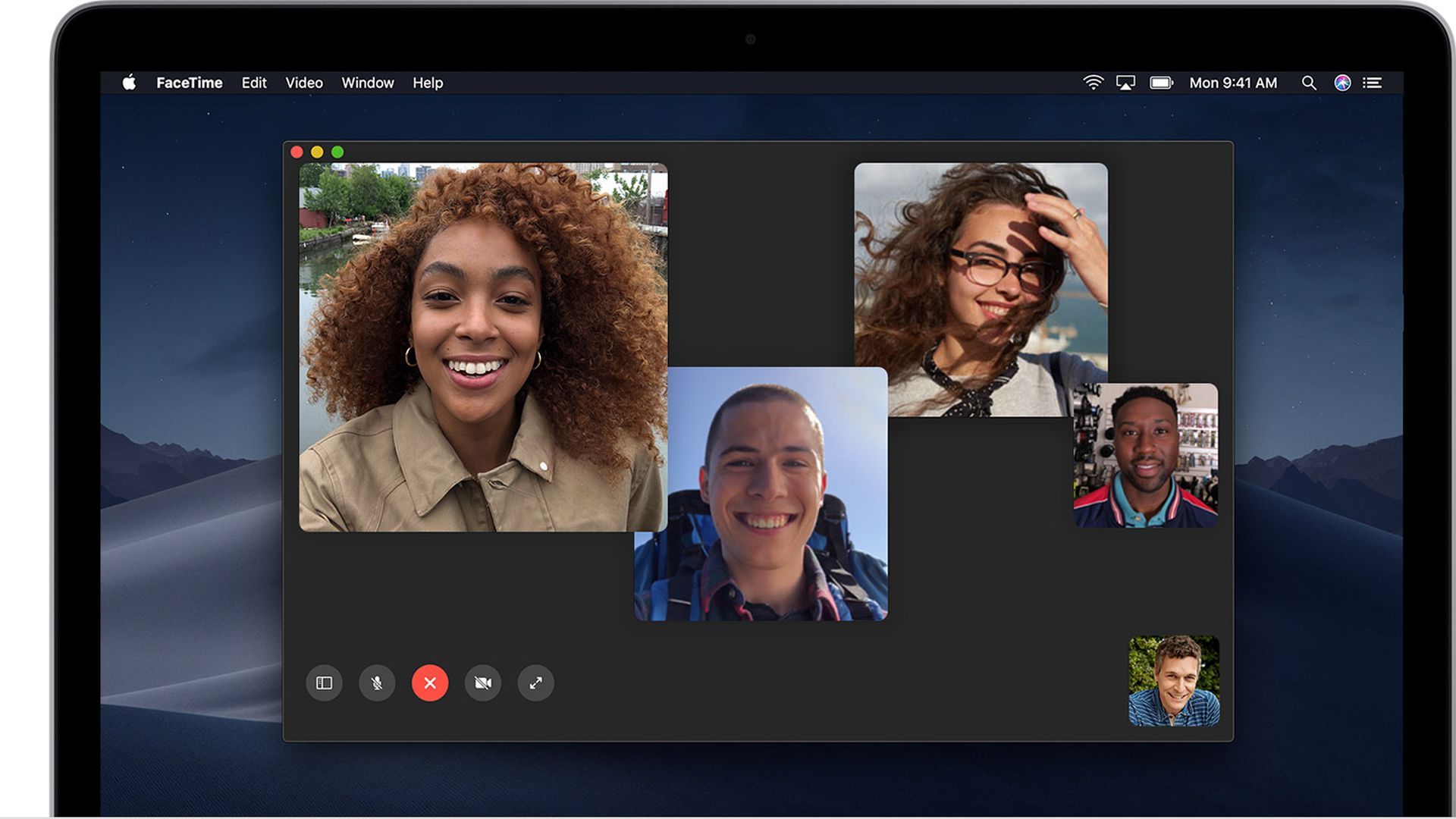
Apple apologized Friday for a glitch that allowed group FaceTime users to see and hear the people they were calling even before a recipient answered. The company said it has fixed the issue on its servers and will issue a software update next week to re-enable group calling.
Why it matters: The bug was a black eye for the company, which prides itself on offering better privacy options than its rivals.
The "trolley problem" sets up a quandary: whether to let a trolley stay the course and hit numerous people, or redirect it and hit just one person. Recently, researchers have designed similar thought experiments around AVs.
Why it matters: AVs are being taught to drive safely and avoid harm entirely, just as human drivers are. But media coverage of these experiments, which assume unrealistic expectations for AV technology and suggest that AVs really could face such choices, may be contributing to public distrust in AVs.
Tesla recently began construction on its first gigafactory in China, suggesting that foreign automakers may be eyeing new opportunities in China following the country's decision to dismantle its requirement that foreign automakers create joint ventures with Chinese firms to make and sell vehicles there.
The big picture: The rule relaxation, which applied to EVs immediately and will cover all vehicles by 2020, could increase incentives for EV and AV companies to develop and sell vehicles there. But removing the joint venture requirement doesn't remove all risks.
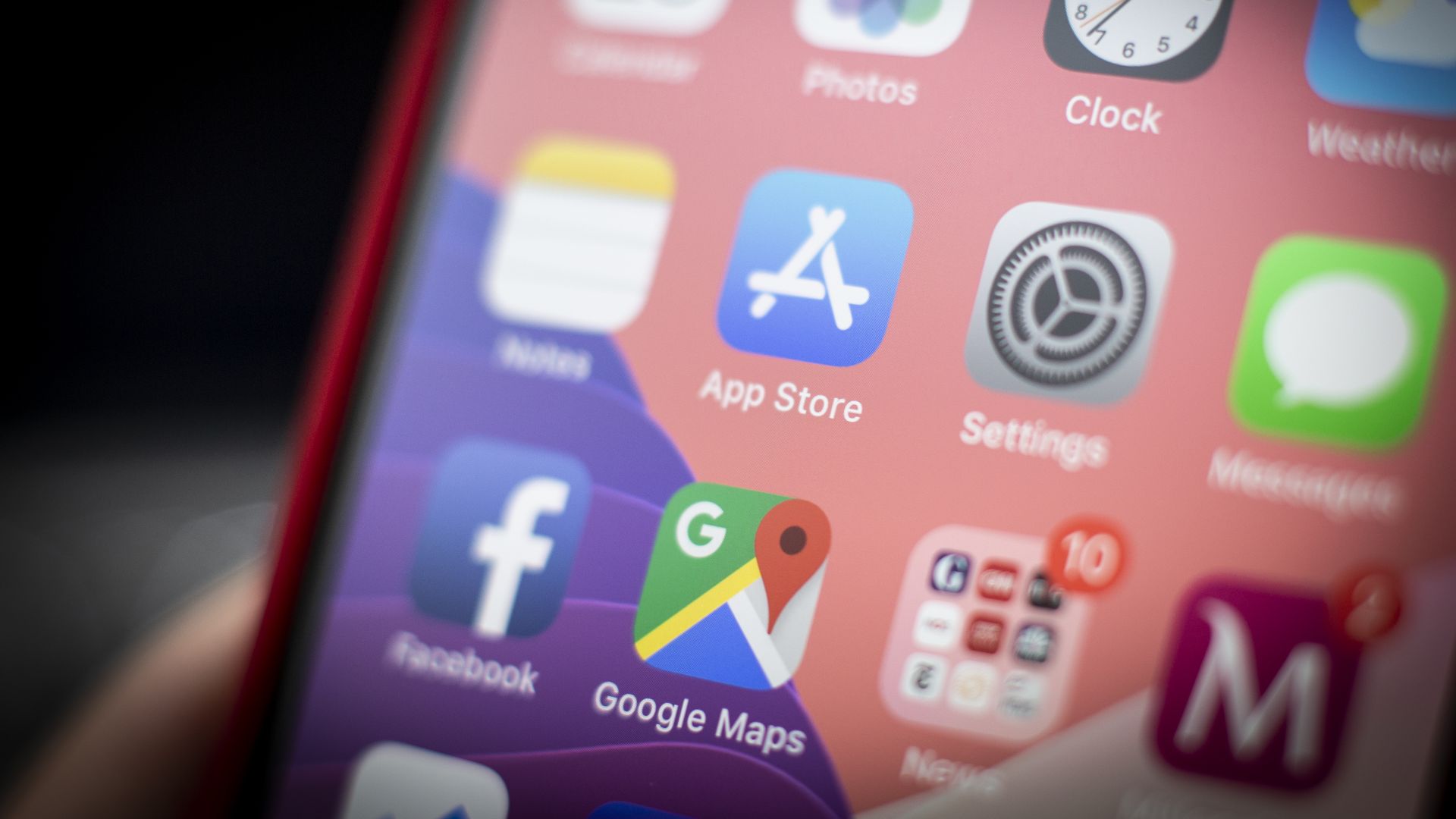
Apple's move this week to lock out Facebook and Google employees from internal versions of their own iPhone apps was a strong stand on behalf of user privacy. At the same time, it was a stunning display of the absolute control Apple has over what runs on the phones it makes.
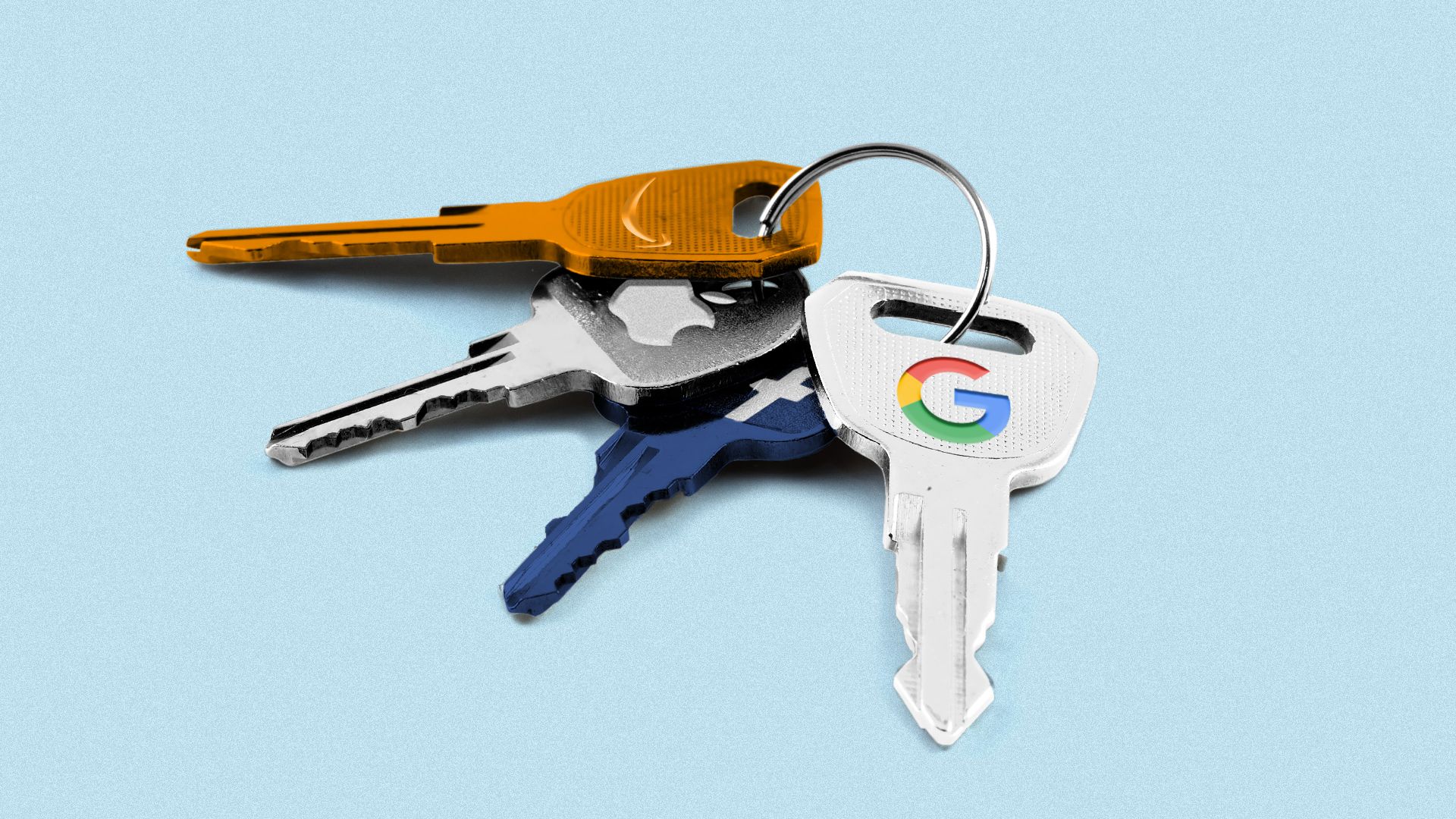
Why it matters: The squabble reminds us that all these companieshave become gatekeepers with enormous power. One way to map the contours of their turfs is to examine where each can say "no."
We're on the cusp of the most dramatic shift in transportation in a century, but red flags from a series of experts warn that America's workforce is not prepared to meet the needs of the digital mobility era.
Why it matters: The advent of self-driving and electric cars will require a workforce with new, advanced skills to create, manage and maintain them. But there's likely to be a serious shortage of people with those skills — so experts say governments, corporations and educational institutions need to work together to create modern training programs to fill the gaps.
If you're not a teen with an Instagram account, you may not know that a stock photo of an egg recently received the most-ever likes on the platform.
Why it matters: That virtual egg may be worth $10 million. That's what Nik Sharma, an executive at VaynerMedia, tells The Atlantic's Taylor Lorenz. The anonymous Instagram account has been posting images of the egg with spidering cracks, suggesting that it will soon break open. And brands, nonprofits and even political campaigns are jockeying for the privilege to hatch from the viral egg.
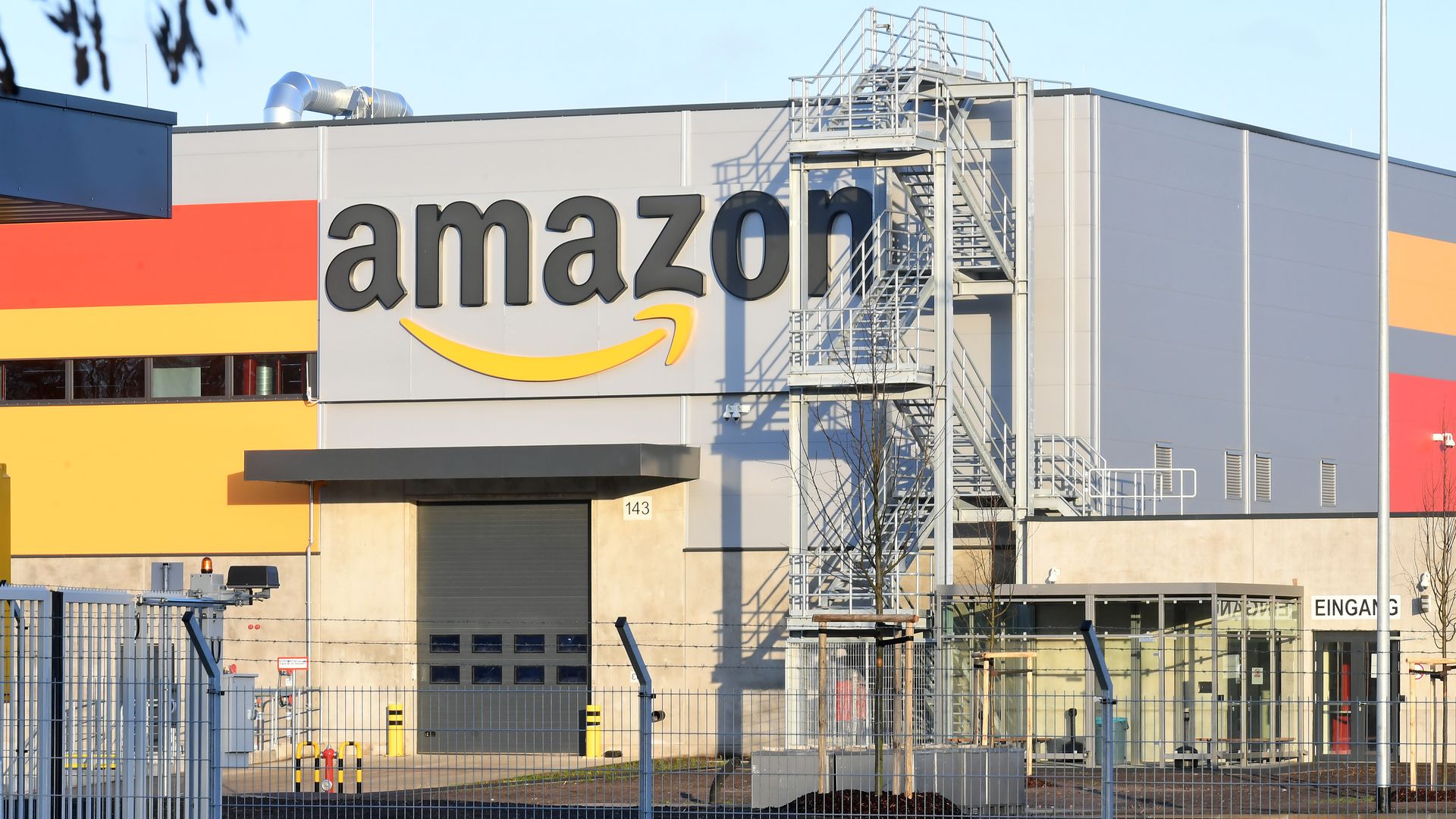
Amazon's share price fell in after-hours trade this evening despite a third straight quarter of record profit, as its model of selling more of its own online merchandise took a hit in India, a key future growth market.
What's happening: Starting tomorrow, both Amazon and Walmart have to drop any merchandise sold by companies in which they have an equity stake or an exclusivity deal. The new Indian rules are meant to promote local businesses and prevent the kind of retail destruction that the two big U.S. retailers have wreaked elsewhere.
For decades, economists have forecast that pooling people in big cities will lead to improved productivity in developing countries and, ultimately, middle-income wealth. But the rise of automation has begun to short-circuit that path, as robots can take the place of low-cost labor.
What's happening: Poorer countries are starting to lookfor other routes to economic growth, but it's not yet clear that they can achieve the same economic record as has been built using traditional low-wage manufacturing.
Apple appears to have hit Google with a similar punishment as Facebook for misusing a program designed to let companies internally test new iOS apps: both companies have had their ability to use the tools revoked.
Why it matters: The move severely limits both companies' ability to test new and updated apps as well as use iOS programs developed solely for internal employee use.
Amazon announced quarterly sales rose 20% from the same quarter a year ago, to $72 billion, in an earnings report that beat analyst's revenue predictions, with a total of $3 billion profit for the quarter, or $6.04 per share, compared to an average analyst target of $5.56.
The big picture: The growth of Jeff Bezos' e-commerce behemoth shows no sign of slowing down.
Facebook announced Thursday it was removing 783 pages, groups and accounts from Facebook and Instagram that were part of an apparent Iranian influence campaign.
Why it matters: The accounts were pursuing what Facebook calls "coordinated inauthentic behavior" and focused on influencing opinion in a bevy of countries, including the U.S.
In choosing to make an end-around Apple's rules for its market research app, Facebook was playing with fire.
Driving the news: Facebook took a program designed to let businesses internally test their own app and used it to monitor most, if not everything, a user did on their phone — a degree of surveillance barred in the official App Store.
Facebook reported stellar earnings Wednesday, despite a scandal-ridden end to 2018. It beat estimates on revenue, earnings and user growth and said it's making far more money per user than analysts expected, much more than it ever has before.
Why it matters: The company is facing unprecedented scrutiny from policymakers, business partners and privacy advocates, but strong growth — particularly overseas — demonstrates that users and advertisers are largely unfazed by the corporate drama.
Deepfakes — digitally forged videos that can be impossible to detect — are called the end of truth, a threat to democracy and a potential disruption to society. Everyone agrees on the danger, but no one has figured out what to do about it.
But now Congress and several states are considering the first legislation against AI-altered videos and audio — suggesting a coming barrage of such laws.

















/2019/01/31/1548946432832.gif?w=3840)

/2019/01/30/1548868336586.gif?w=3840)