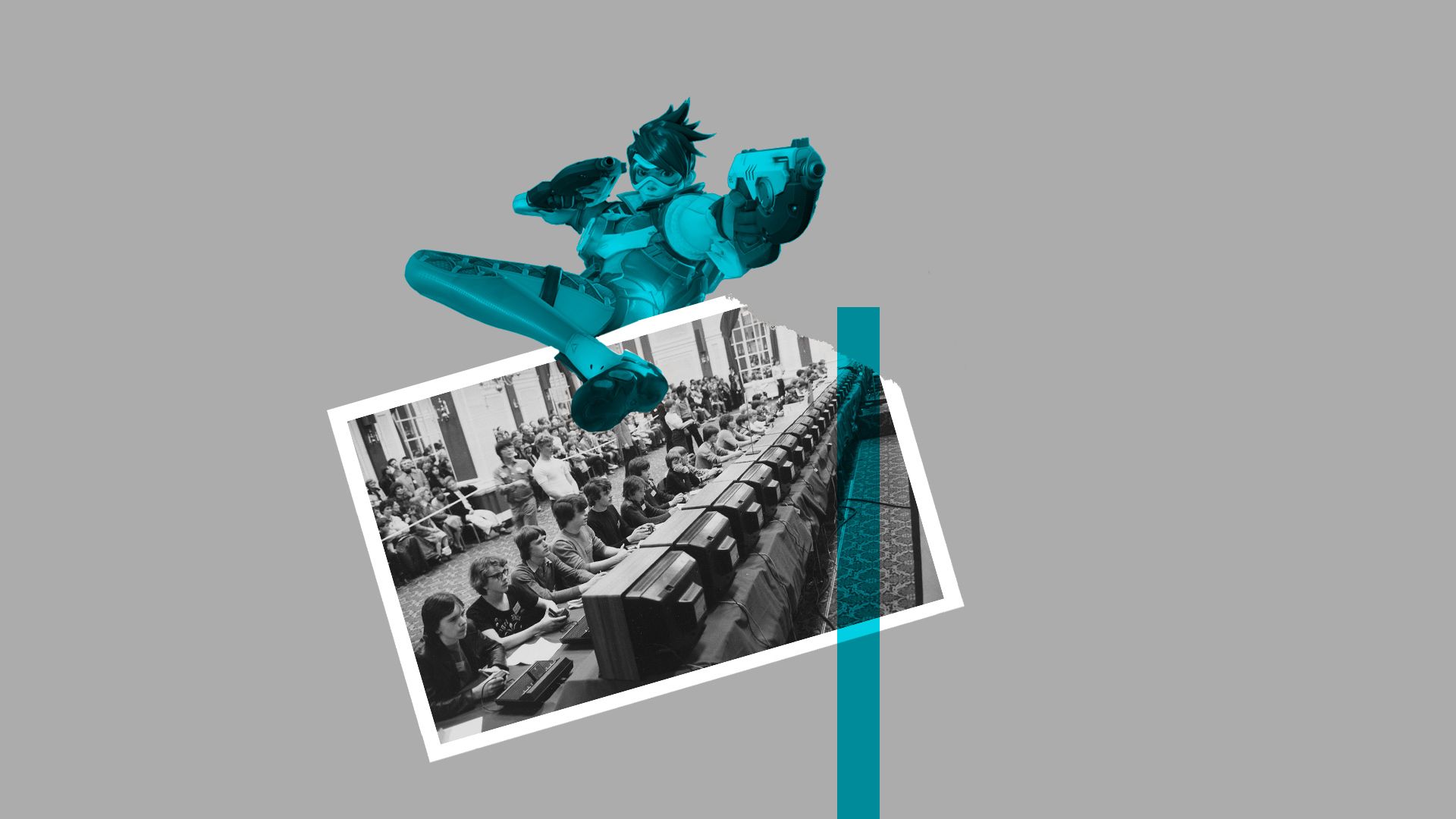
It was a bit of a head-scratcher when Amazon announced it was spending nearly $1 billion in cash to buy Twitch, but it turns out that once again the retailer was ahead of the curve, realizing that a lot of people wanted to watch other people play video games.
Why it matters: Twitch is now the most popular streaming platform for gamers, with 15 million daily users watching 2.2 million broadcasters. (80% of them are male.)
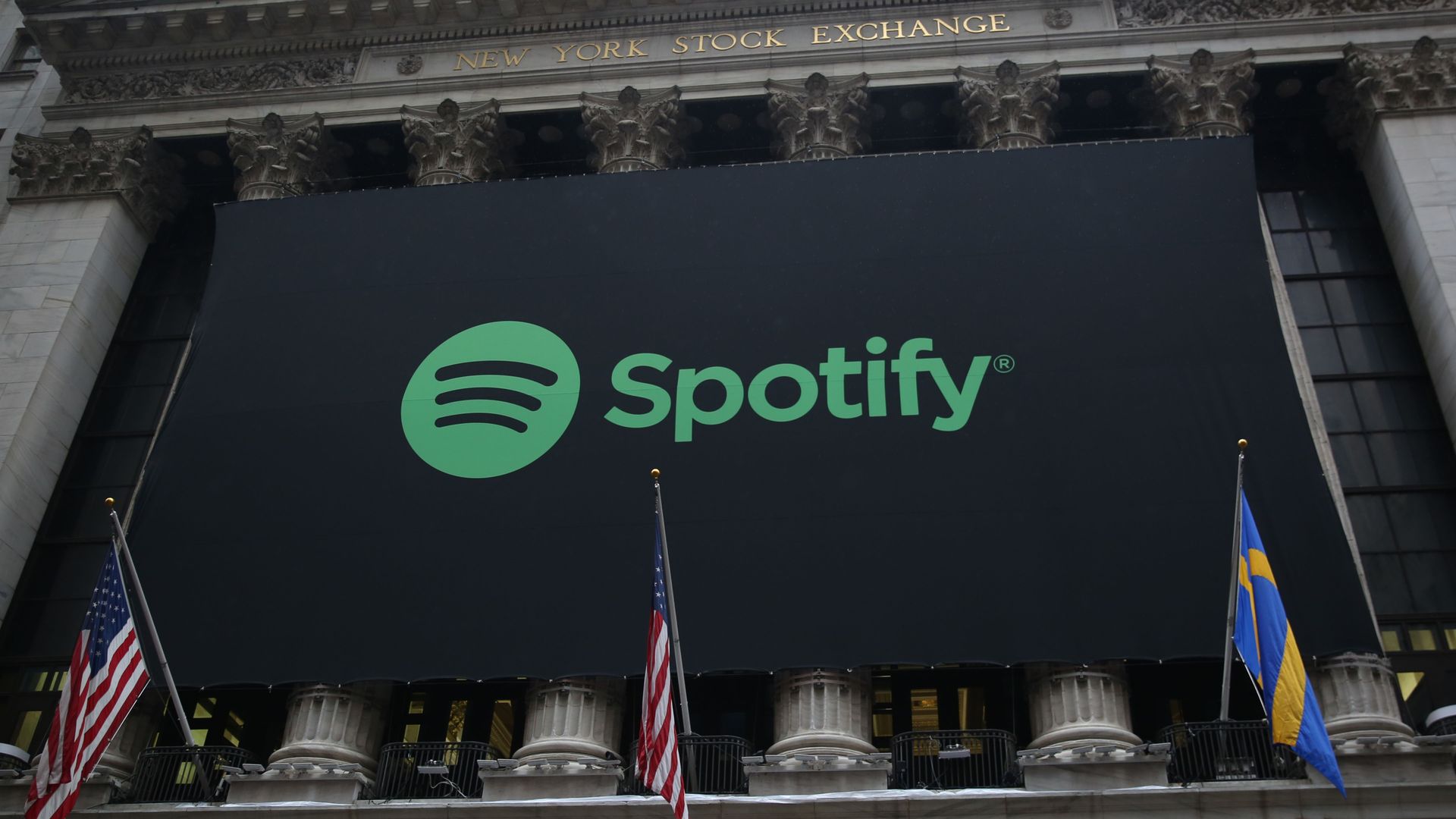
Spotify is in talks to buy Gimlet Media — a Brooklyn-based podcasting company co-founded by former “This American Life” producer Alex Blumberg — for more than $200 million, Recode first reported and the WSJ confirmed.
The big picture: Apple dominates podcast distribution right now. And while Spotify has been promoting podcasts to its base of 200 million users in recent months, this would be the company's first big move into podcasting, as it works to enhance its narrative-audio offerings. It would also mark Spotify’s first purchase of a content production and distribution company.
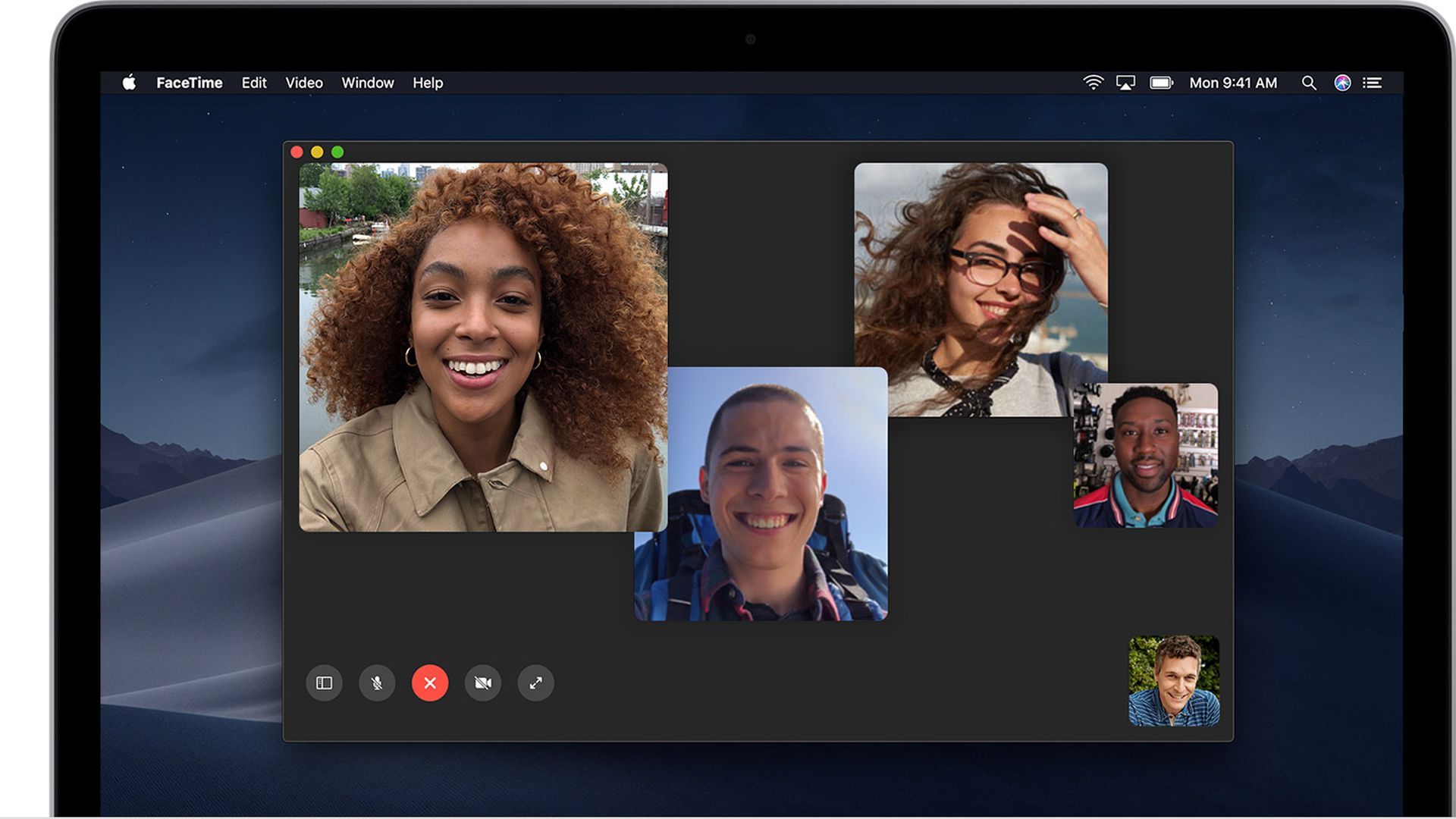
Apple apologized Friday for a glitch that allowed group FaceTime users to see and hear the people they were calling even before a recipient answered. The company said it has fixed the issue on its servers and will issue a software update next week to re-enable group calling.
Why it matters: The bug was a black eye for the company, which prides itself on offering better privacy options than its rivals.
The "trolley problem" sets up a quandary: whether to let a trolley stay the course and hit numerous people, or redirect it and hit just one person. Recently, researchers have designed similar thought experiments around AVs.
Why it matters: AVs are being taught to drive safely and avoid harm entirely, just as human drivers are. But media coverage of these experiments, which assume unrealistic expectations for AV technology and suggest that AVs really could face such choices, may be contributing to public distrust in AVs.
Tesla recently began construction on its first gigafactory in China, suggesting that foreign automakers may be eyeing new opportunities in China following the country's decision to dismantle its requirement that foreign automakers create joint ventures with Chinese firms to make and sell vehicles there.
The big picture: The rule relaxation, which applied to EVs immediately and will cover all vehicles by 2020, could increase incentives for EV and AV companies to develop and sell vehicles there. But removing the joint venture requirement doesn't remove all risks.
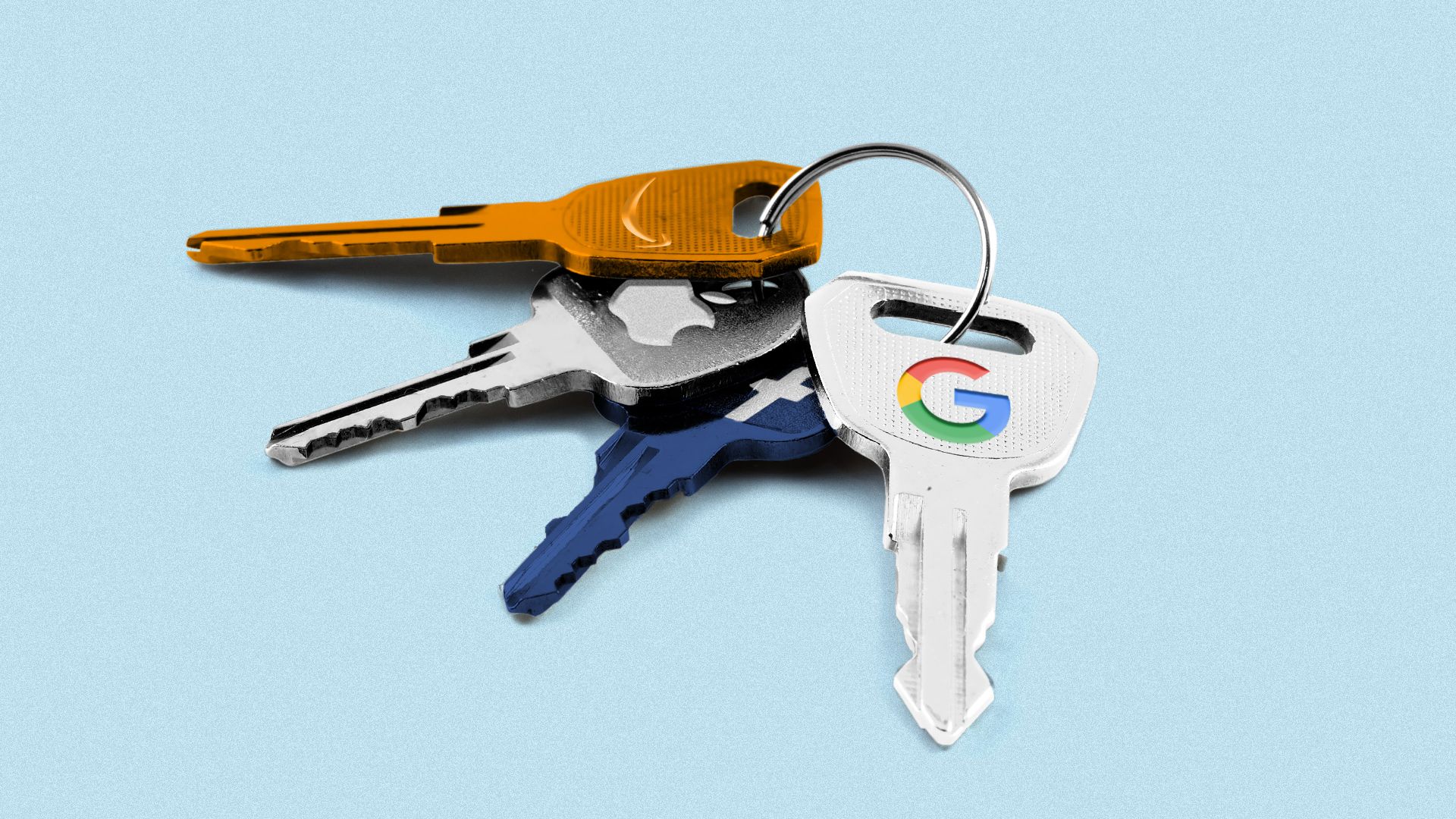
Apple's move this week to lock out Facebook and Google employees from internal versions of their own iPhone apps was a strong stand on behalf of user privacy. At the same time, it was a stunning display of the absolute control Apple has over what runs on the phones it makes.
Why it matters: The squabble reminds us that all these companieshave become gatekeepers with enormous power. One way to map the contours of their turfs is to examine where each can say "no."
We're on the cusp of the most dramatic shift in transportation in a century, but red flags from a series of experts warn that America's workforce is not prepared to meet the needs of the digital mobility era.
Why it matters: The advent of self-driving and electric cars will require a workforce with new, advanced skills to create, manage and maintain them. But there's likely to be a serious shortage of people with those skills — so experts say governments, corporations and educational institutions need to work together to create modern training programs to fill the gaps.
If you're not a teen with an Instagram account, you may not know that a stock photo of an egg recently received the most-ever likes on the platform.
Why it matters: That virtual egg may be worth $10 million. That's what Nik Sharma, an executive at VaynerMedia, tells The Atlantic's Taylor Lorenz. The anonymous Instagram account has been posting images of the egg with spidering cracks, suggesting that it will soon break open. And brands, nonprofits and even political campaigns are jockeying for the privilege to hatch from the viral egg.
Amazon's share price fell in after-hours trade this evening despite a third straight quarter of record profit, as its model of selling more of its own online merchandise took a hit in India, a key future growth market.
What's happening: Starting tomorrow, both Amazon and Walmart have to drop any merchandise sold by companies in which they have an equity stake or an exclusivity deal. The new Indian rules are meant to promote local businesses and prevent the kind of retail destruction that the two big U.S. retailers have wreaked elsewhere.