As intelligent machines begin muscling into daily life, a big issue remaining is how deeply people will trust them to take over critical tasks like driving, elder or child care, and even military operations.
Why it matters: Calibrating a human's trust to a machine's capability is crucial, as we've reported: Things go wrong if a person places too much or too little trust in a machine. Now, researchers are searching for ways of monitoring trust in real time so they can immediately alter a robot's behavior to match it.
Apple cut off iPhone-using Facebook employees' access to their employer's internal apps Wednesday as fallout spread from yesterday's report of a cash-for-data "research" program by Facebook that broke Apple's rules.
Why it matters: Apple could have simply shut off the controversial research app, but it took the tougher line on Facebook here, emphasizing both the seriousness of the violation and its own determination to brand itself as the more privacy-oriented of the tech giants.
Facebook's stock was up nearly 7% in after-hours trading Wednesday after the company beat investor expectations for earnings, user growth and revenue.
Why it matters: The positive earnings show, as they have many times over the past two years, that the company can still sell ads despite being dogged by major scandals.
Cars might not be able to drive themselves just yet, but they can already park themselves in some cities.
Why it matters: Automated parking, just now being rolled out as a way to save space and money in crowded cities, will become increasingly important once plug-in autonomous vehicles hit the streets by giving them a place to stop and recharge between rides.
There's a growing realization on Wall Street that self-driving cars are still many years away. That pessimism is weighing far more heavily on traditional automakers than technology companies.
The big picture: Investors are betting the real value of AV companies will come from the estimated 4 terabytes of data each car will generate per day. And based on the way they’re valuing the major AV players, Wall Street seems to think tech companies have a better shot than Detroit at capitalizing on that data.
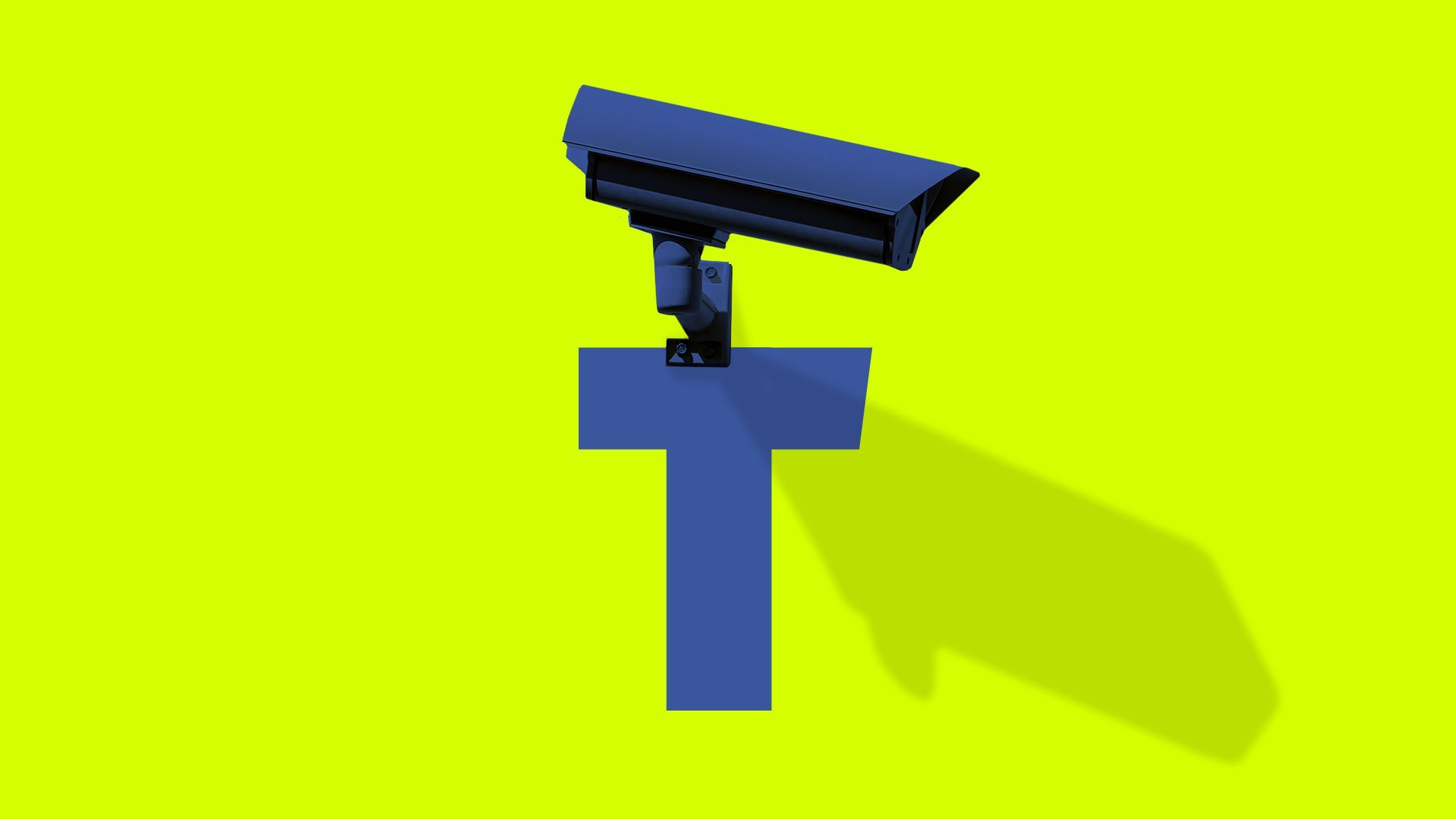
TechCrunch reported late Tuesday that Facebook had paid users, some of them teenagers, $20 a month to install software on their iPhones giving Facebook detailed access to everything taking place on the device.
Why it matters: We're all losing count of Facebook's privacy controversies, but this one is even more sensitive because it involves teens.
Tech and entertainment companies are rolling out infotainment concepts for AVs that could offer passengers personalized services, but require collecting data on their streaming usage, location and more.
Why it matters: The collection, analysis and distribution of technology users' data has become a massive industry. AVs could end up effectively aggregating extensive passenger information from the cars and passengers' cell phones that could then be shared with third parties — exacerbating issues around privacy and security.
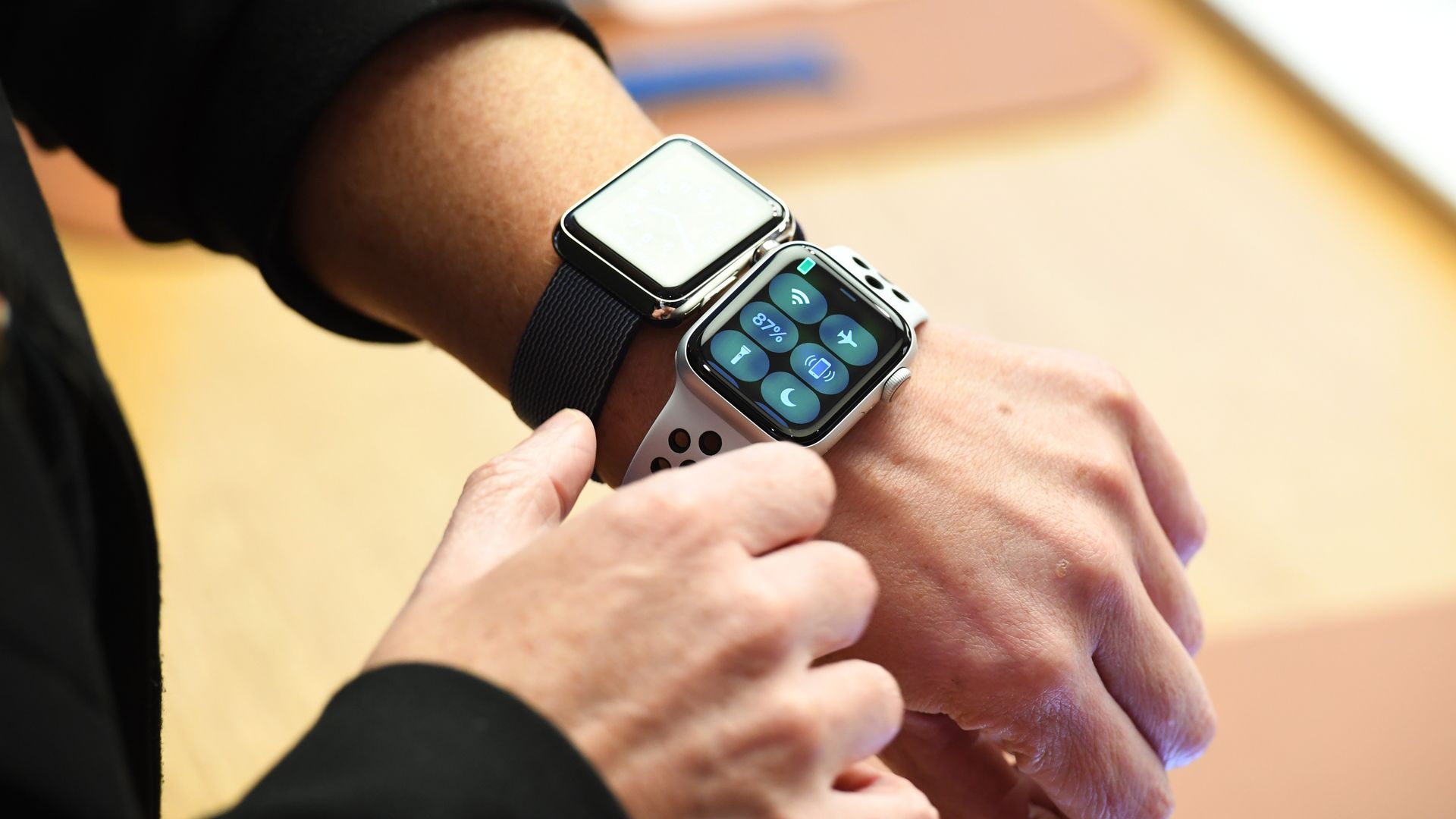
Apple’s steady march into consumer health care continues: It’s partnering with Aetna to fold Apple Watches and iPhones into the insurer’s wellness programs, CNBC’s Christina Farr reports.
The big picture: Apple’s health care goals seem clear, and it has picked its spots at least as well as any other tech company looking for a slice of the health care system. It’s focused squarely on patient data, and on partnerships with big, established players.
Why it matters: AV ride-sharing could help to efficiently bridge gaps between other forms of transportation services, from public transit to bikes and scooters. This could reduce congestion and enable more travelers to complete their trips more quickly, though cities and companies may need to offer incentives to spur adoption.







/2019/01/30/1548820758949.gif?w=3840)