Every year, it becomes less and less likely that a human being composed the upbeat jingle you just heard in the background of a video.
What's happening: Simple online tools have turned music generation into a matter of a dozen clicks, and can crank out pleasant if somewhat boring background music in a few seconds. These algorithmically generated ditties end up in product videos, news clips and occasionally even on musicians' albums.
The Federal Aviation Administration has begun to limit flights to New York City's LaGuardia Airport along with Newark and Philadelphia, citing staff shortages for air traffic controllers.
Why it matters: TSA and air traffic control workers are calling out sick at higher numbers than usual, since they're not being paid as a result of the partial government shutdown. Friday's delays are the first time air traffic control staffing has affected flights. Per Axios' Jonathan Swan, Republican members of leadership have been privately speculating that it would take an airport crisis to break the shutdown impasse.
AV companies are understandably focused on trying to perfect their technology to address trust issues among the general public, but meanwhile, they're working on designs for those who could benefit most from mobility technology — the elderly and people with disabilities.
Why it matters: AVs will need to have accessible control panels, chassis modifications that accommodate wheelchairs, and advanced human-machine communication technology, not only to realize industry promises around mobility access, but also to be ADA-compliant once they begin to operate as commercial transportation services.
Technological advances are set to transform not only vehicles — as they take on more autonomy and connectivity — but also transportation infrastructure.
Why it matters: Developing technology for AVs to communicate with other vehicles as well as infrastructure like streets, traffic lights and road signs could both improve safety and decrease congestion.
The field is wide open for autonomous vehicle developers, making it hard to predict winners and losers. But look closely: the ones inching toward commercialization are quietly putting important building blocks in place.
Why it matters: There are many brilliant teams working on driverless car technology. But enabling a robot vehicle to drive from Point A to Point B is just the start—commercializing AVs will take a lot more work. To scale up, companies need the right leaders and experienced partners.
Jason Oxman, who has for years led a lobbying group for payment technology companies, will be the new CEO of ITI, a major tech trade group.
Why it matters: ITI's members include internet companies like Google, Facebook and Amazon, as well as large enterprise technology firms. It has been especially involved in opposing the Trump administration's restrictive trade policies.
The midwestern counties hit hardest by previous waves of job-market turbulence will again bear the brunt of the next round of automation-fueled disruptions.
Why it matters: As middle- and low-wage jobs in the American heartland disintegrate further, the national anger and polarization fueled by an urban–rural divide will only deepen.
Intel shares fell more than 7% in after-hours trading Thursday after the chipmaker's quarterly sales and forecast fell short of what investors were expecting.
Why it matters: Intel is one of the leading technology component vendors and its outlook highlights challenges facing a broad swath of the industry.
An Axios study shows that very few news organizations — around 6% of a broad sample — successfully use a critical technology that guarantees emails they send are authentic.
The big picture: We've written before about the Department of Homeland Security's struggle to get federal agencies and the White House to implement DMARC, a security protocol that prevents someone from successfully sending an email using someone else's email address. It's only fair to turn that lens on our own industry.
After years of reducing the smartphone to as much a pure thin screen as possible, the industry is finally ready to start experimenting again.
What's happening: Foldable phones are expected from a number of device makers, while others are experimenting with clamshell and other abandoned but once-popular configurations.
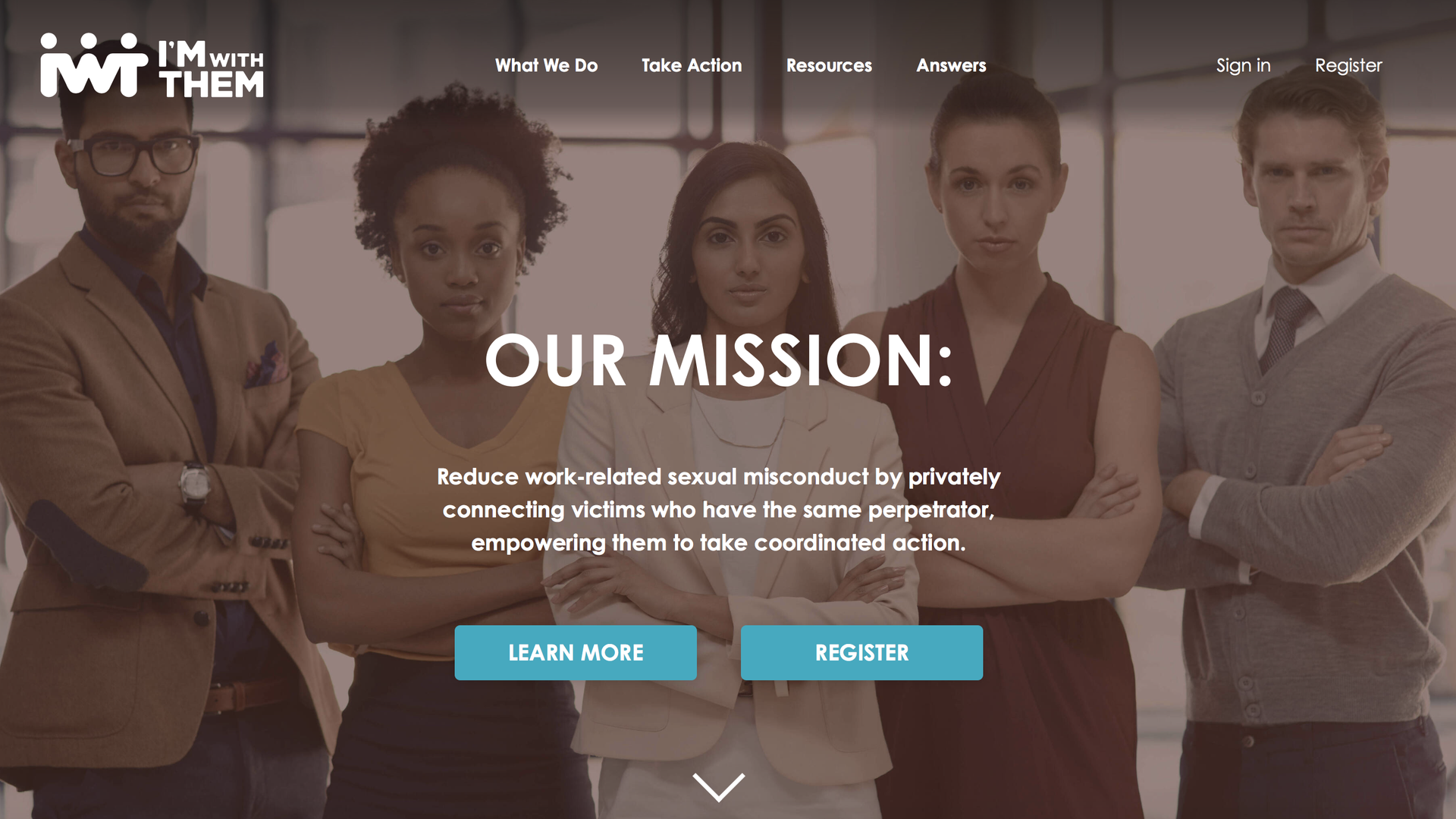
Former Broadcom CEO Scott McGregor and his wife, consumer and victims advocate Laurie Girand, are backing a new nonprofit effort to help band together people who are victims of workplace misconduct by the same perpetrator.
Details: I'm With Them aims to address the issue that people are reluctant to be the only one speaking out — it allows a private way for those facing the same perpetrator to find one another.
Chinese tech giant Alibaba is using its unparalleled reach across e-commerce, logistics, entertainment and travel to change the way its users consume, interact with and participate in sports.
Driving the news: The company’s sports arm, Alisports, is leveraging Alibaba's expansive ecosystem and gigantic user base (over 600 million active users) to move into the world of organized sports, Bloomberg recently reported.
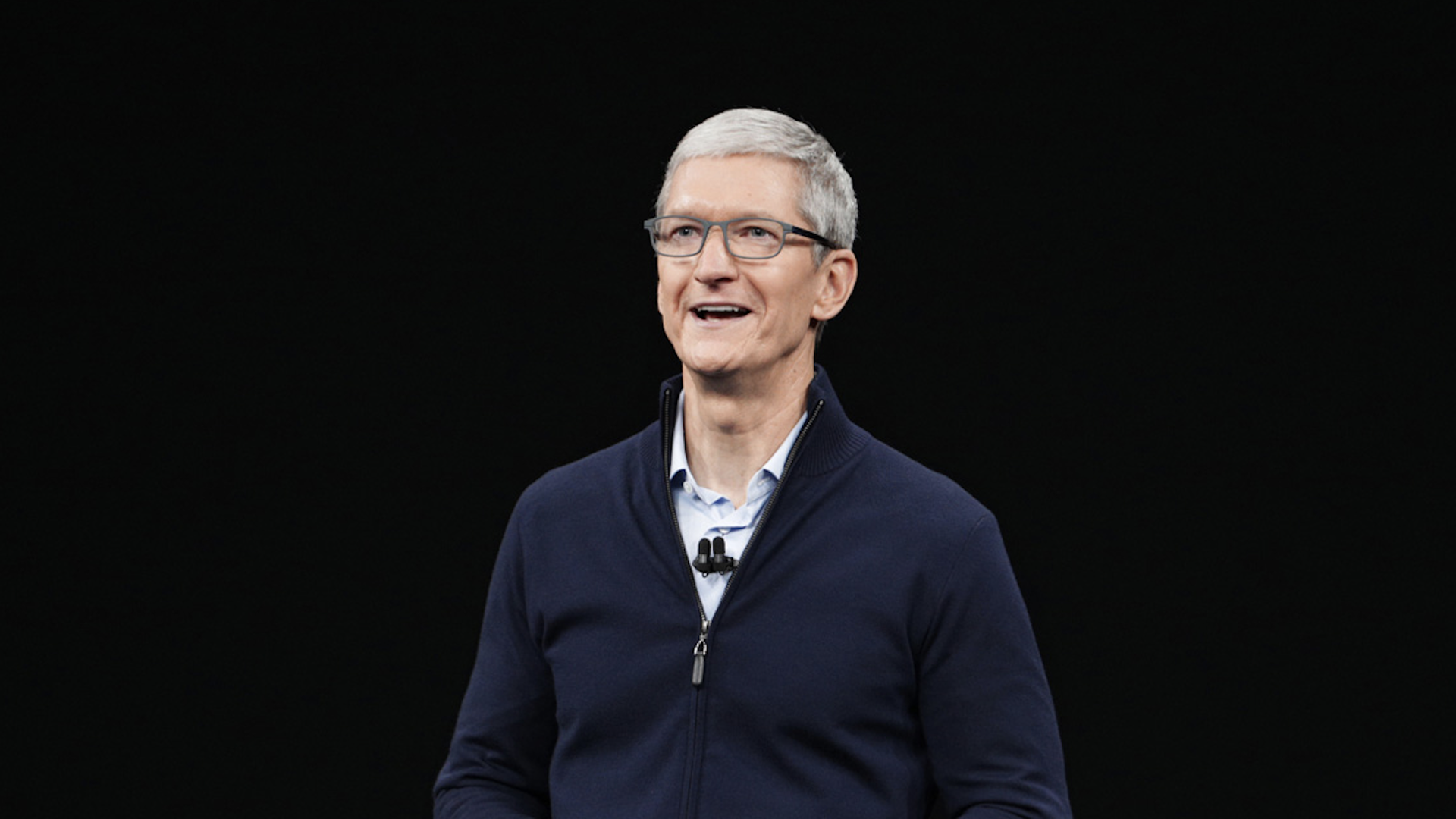
Apple has cut more than 200 jobs from the unit that includes its nascent autonomous vehicle effort, as CNBC reported and Axios has confirmed.
Why it matters: Apple has had fits and starts with the project, changing leadership and approaches multiple times. The cuts follow the re-hiring of Doug Field, a former Apple executive who had been at Tesla.
Microsoft confirmed Wednesday that its Bing search engine is currently unavailable in China, but declined to say whether technical issues or censorship are to blame.
Why it matters: Microsoft makes a modified version of Bing for China and it is normally available, albeit with certain terms censored.
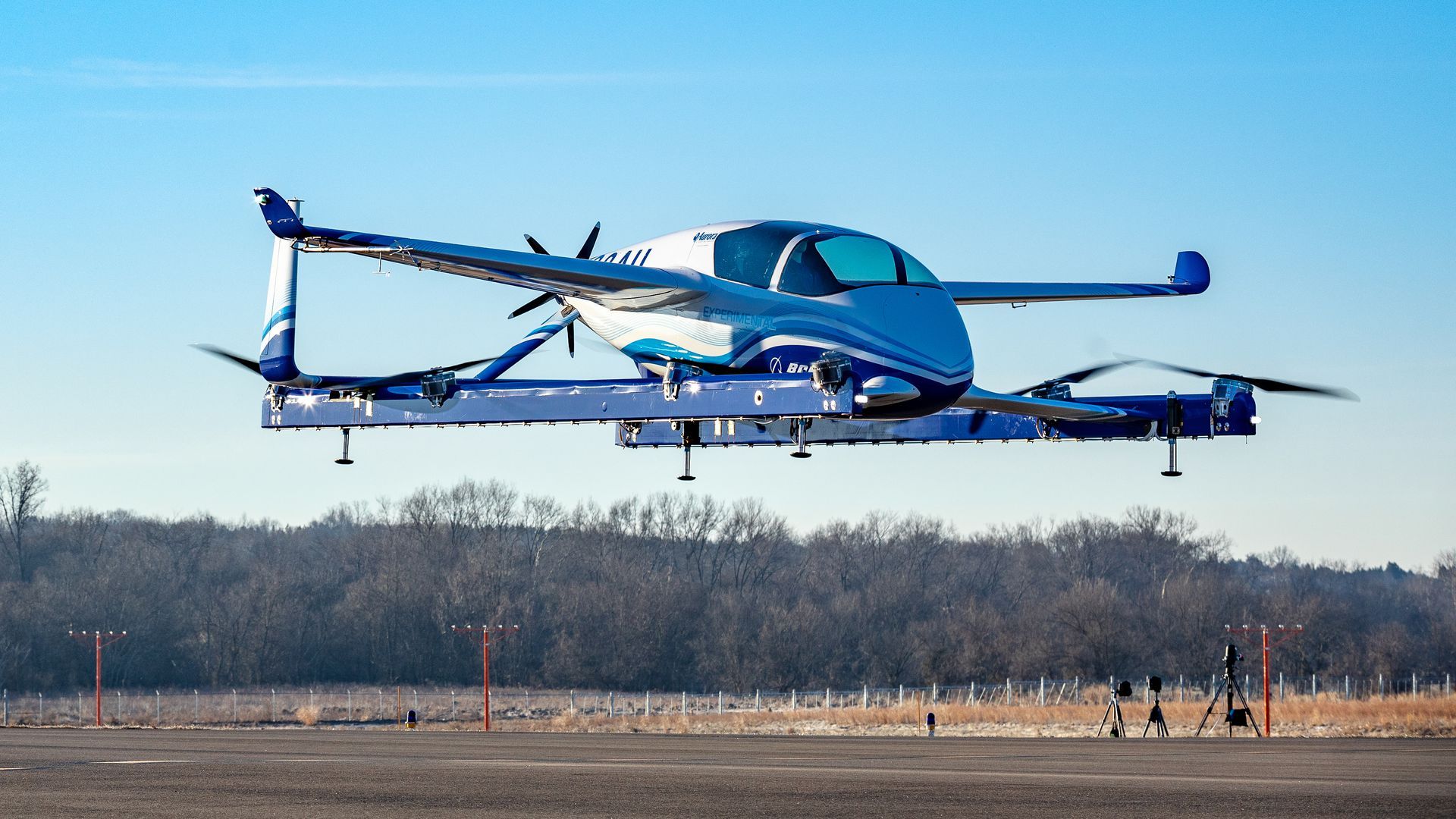
Imagine a helicopter and a small propeller plane had a baby: That's what Boeing's new autonomous "passenger air vehicle" — apparently they can't settle on a name either — looks like.
Details: The plane-copter-thing is electric and can fly on its own for 50 miles — including vertical takeoff and landing, Boeing says. It flew for the first time yesterday. Several companies, including Uber, are working on autonomous flying for short in-city hops. Air travel has its own challenges, but in one way, it's easier than autonomous driving: There are far fewer obstacles.





/2019/01/24/1548365038678.gif?w=3840)







/2019/01/24/1548300758261.gif?w=3840)