Air Canada is warning users who entered their passport information into the airline's app that users' passport numbers may have been stolen after a data breach caused the loss of customers' personal information, the BBC reports.
Why it matters: If passport numbers were stolen from the app, thousands of customers could be at risk for ID fraud. The airline has previously been criticized for weak password security measures, according to the BBC, and this breach may have been a result of that.
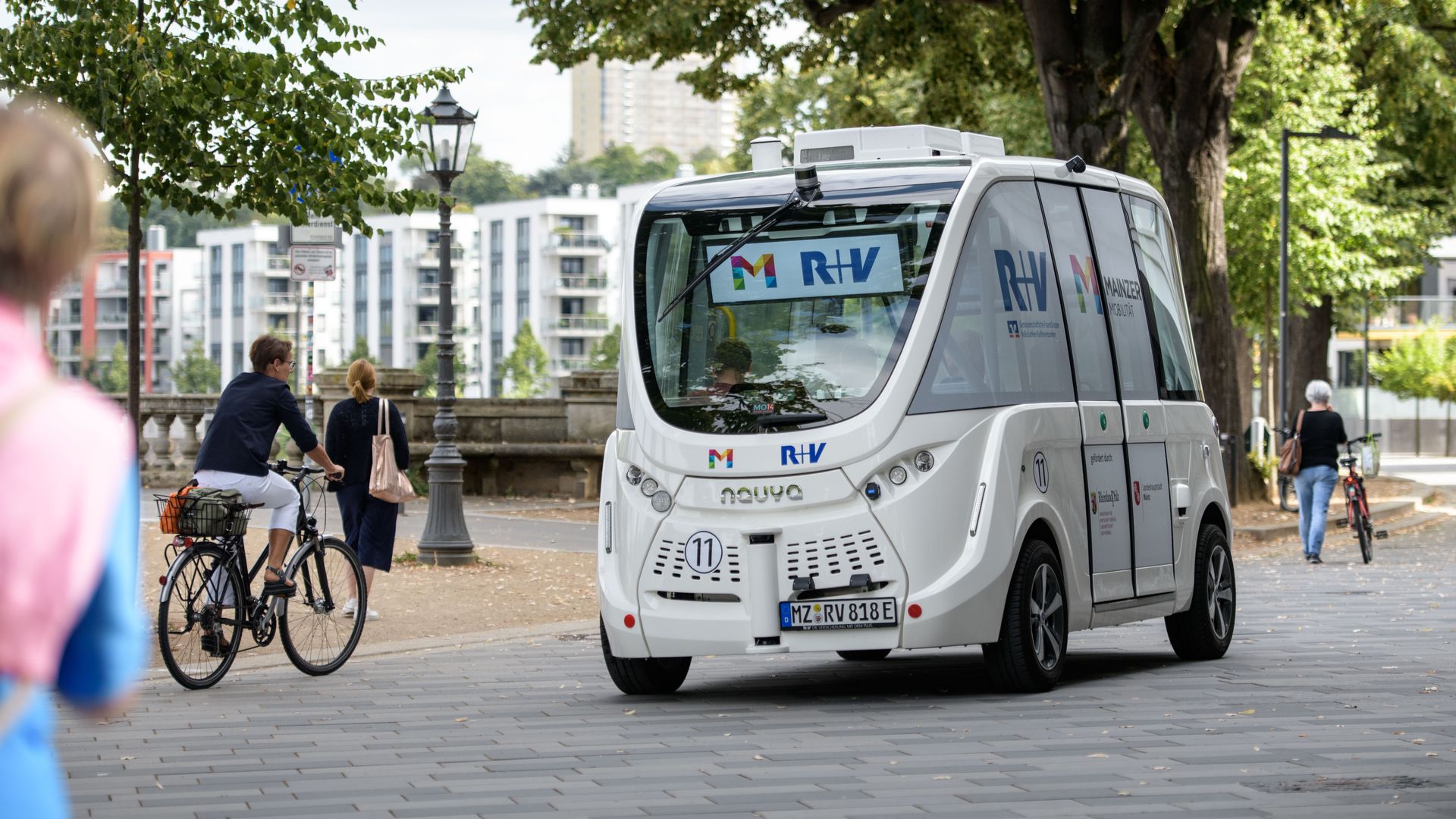
Public transit agencies are increasingly exploring how autonomous buses could help reduce operating costs, improve service on low-ridership or specialized routes, and bridge gaps at the beginning and end of public transit trips — so-called first- and last-mile connections.
The big picture: The U.S. had an estimated 687,200 bus drivers in 2016, including about 176,000 city public transit drivers, according to the Bureau of Labor Statistics. While some union leaders have expressed concerns that AVs could eliminate jobs for bus drivers, it’s more likely that they will continue to require onboard operators for non-driving functions.
With new attacks by President Trump, high-stakes testimony next week on Capitol Hill, and a midterm election vulnerable to online manipulation, tech’s giants are bracing themselves for two months after Labor Day that could decide whether and how much the government regulates them.
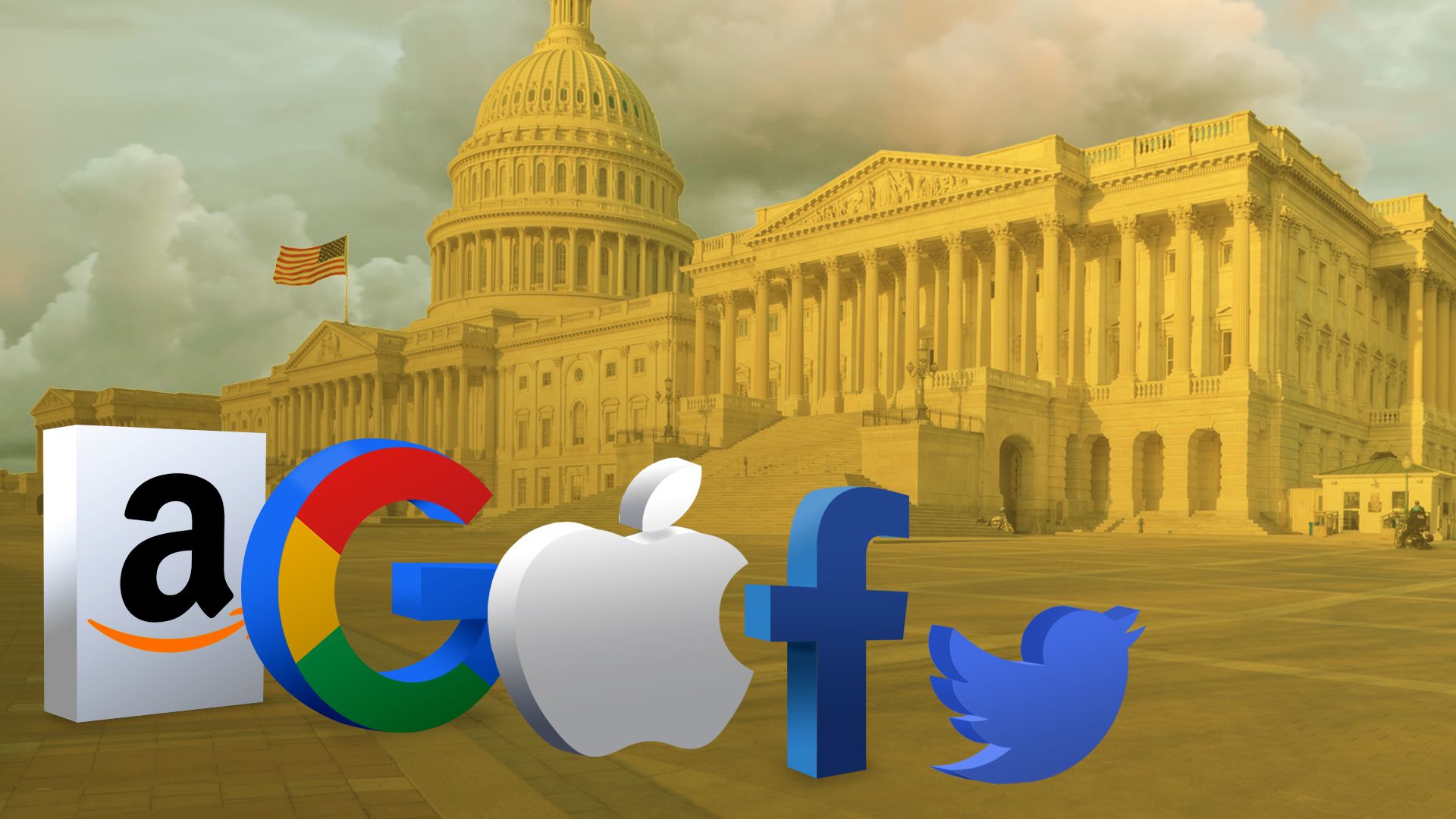
The big picture: The companies — led by Facebook and Google but with Twitter, Apple, and Amazon also in the mix — are caught in a partisan vise, between privacy-oriented critics on the left who fear further election interference and newer charges from the right of anti-conservative bias and censorship.
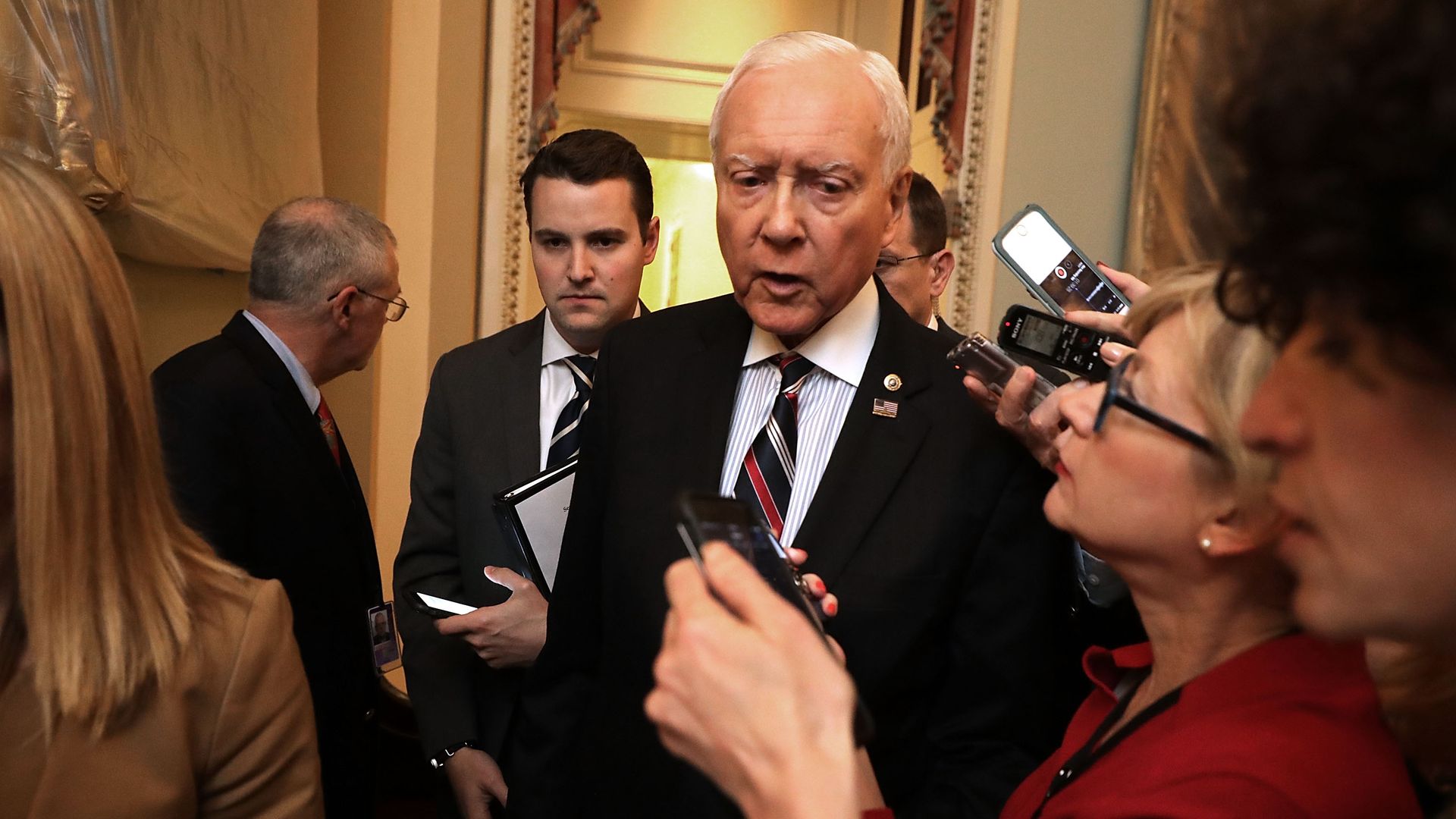
Retiring Senate Finance Committee chairman Orrin Hatch (R-Utah) asked the Federal Trade Commission on Thursday to open a probe into "the competitive effects of Google’s conduct in search and digital advertising."
Why it matters: The FTC closed an investigation into Google search in 2013 without taking additional action. Since then, however, the tide has turned against large tech companies in Washington with critics on both sides of the aisle — and President Trump launching an attack on the search giant this week. Google declined to comment.
Twitter says news organizations can apply to be exempt from its political and issue advertising policy as a part of a larger update to its political and issue ads policy as a whole.
Why it matters: News outlets protested Facebook's issue ads policy for months after Facebook said it would put their ads in the same archive as political ads. Facebook chose that approach intending to provide transparency on some hyper-partisan sites that may buy ads to promote misleading news.
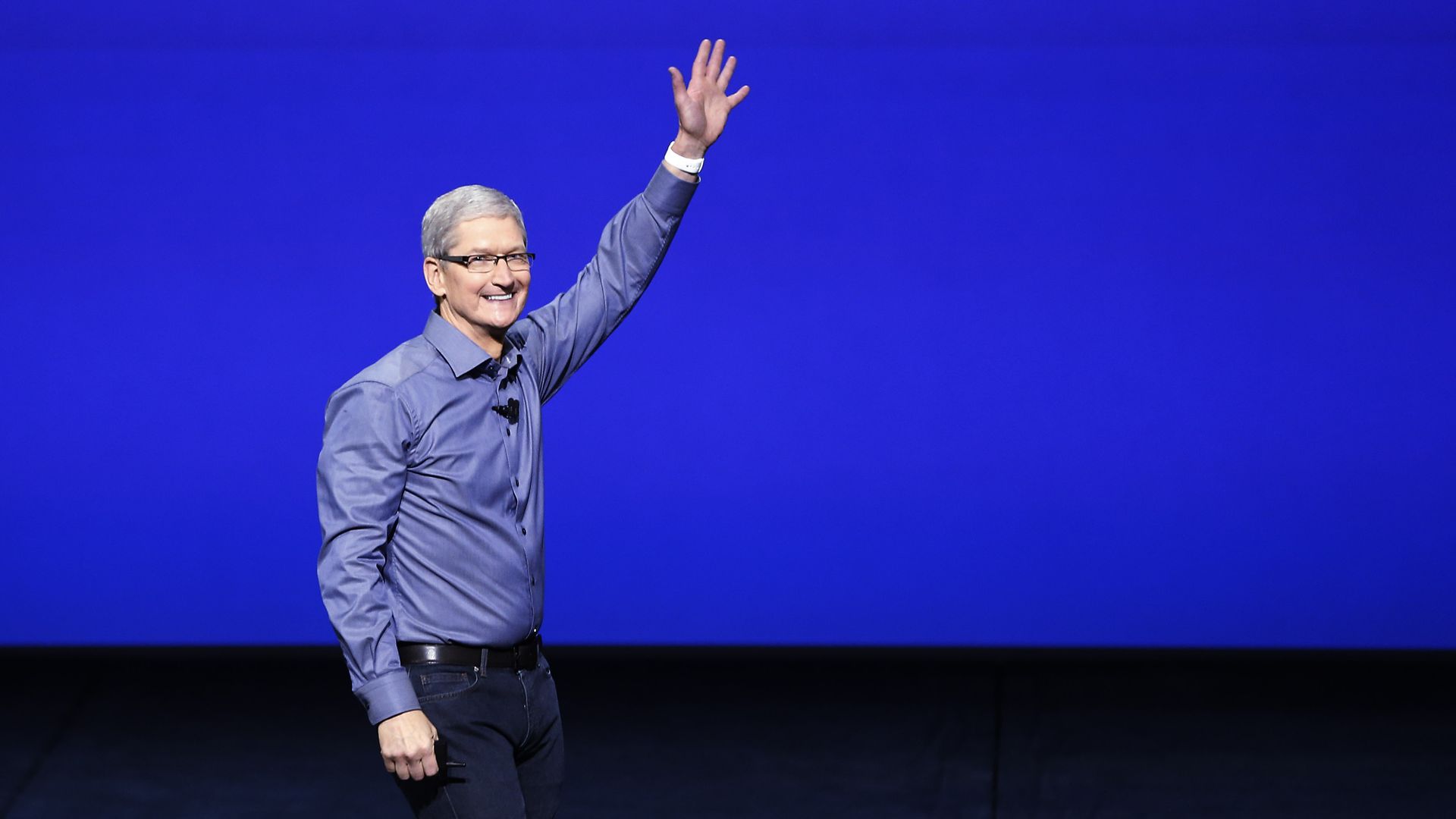
Apple will host an event at its Cupertino headquarters on Sept. 12, it told reporters in an invite on Thursday.
Why it matters, via Axios' Ina Fried:The company is expected to introduce three new iPhone models — as well as updates to the iPad and possibly other new hardware.
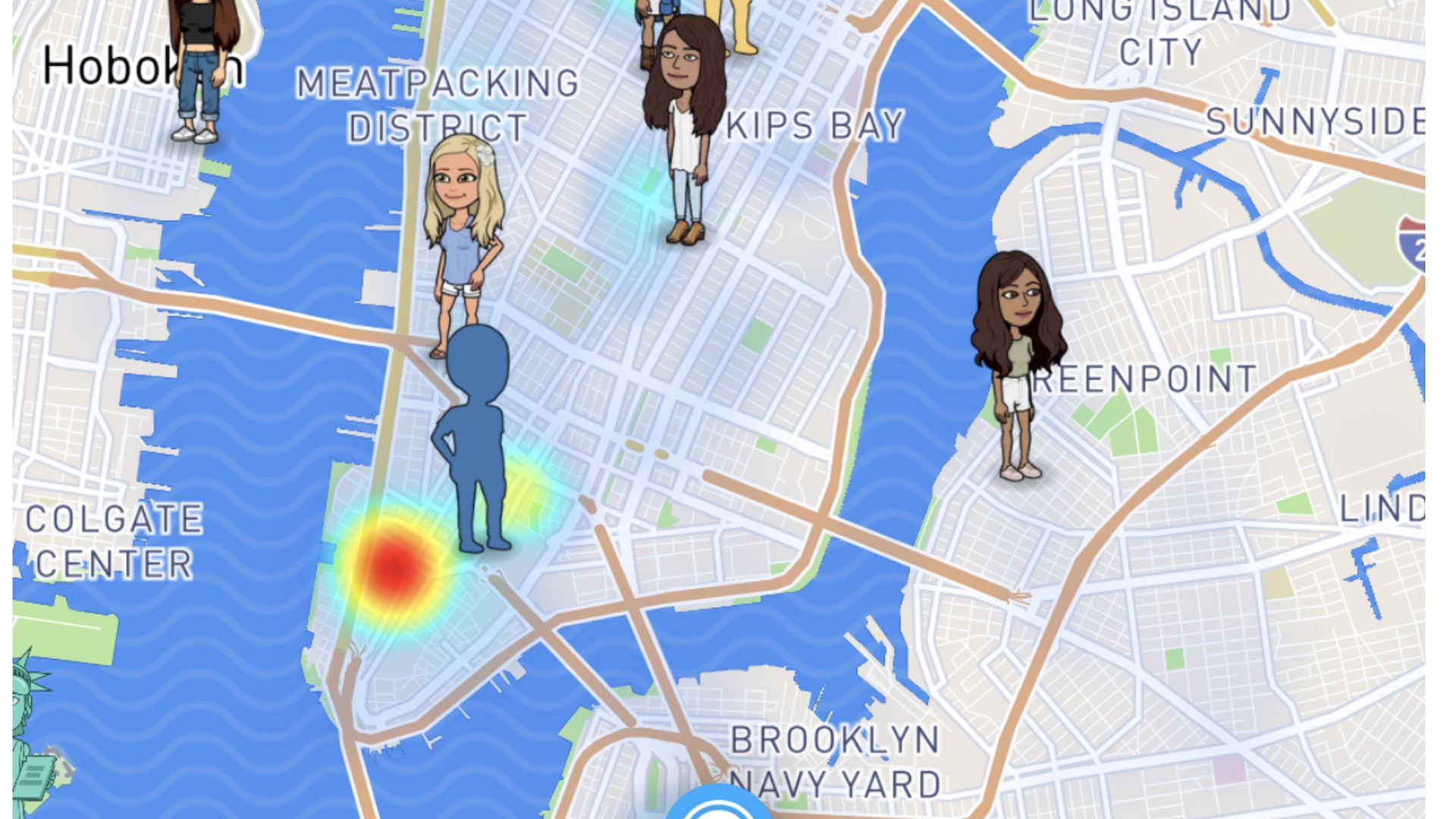
Users of Snap Maps, readers of the Weather Channel, and other consumers of mapping data provided by Mapbox were startled to see New York City relabeled "Jewtropolis" for a few hours Thursday morning, before the service removed the change.
The big picture: Mapbox, like most digital mapping services, allows the public to suggest corrections and updates. In this case, the service said in a statement, automated systems flagged the change but human review failed. Earlier this week, Google Maps briefly showed the Russell Senate Office Building in Washington, D.C. as renamed after the late Sen. John McCain — a move under discussion but not yet approved.
Dan examines Sen. Bernie Sanders' new tax plan for Amazon and other big American businesses, with Axios chief financial correspondent Felix Salmon. In the "Final Two," he discusses Donald Trump Jr.'s plans for a right-wing Facebook, and why corporate climate change goals fall short.
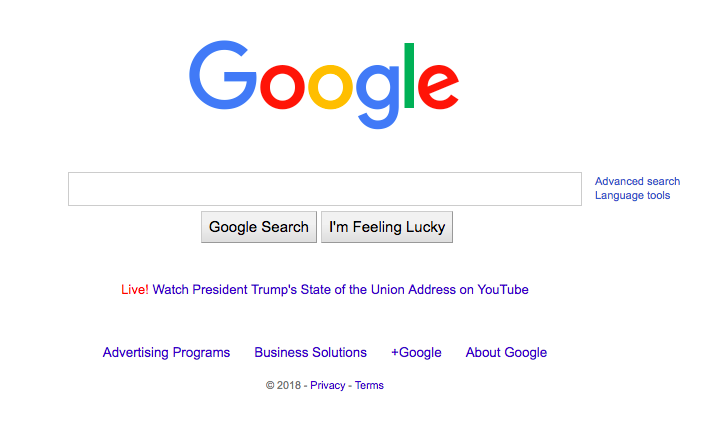
The video President Trump tweeted yesterday that claimed Google did not promote his State of the Union addresses has been debunked by the Wayback Machine, a service that allows users to view digital archives of web pages.
Screenshot of Google's homepage on January 31, 2018
Why it matters: Google issued a statement yesterday saying they "have historically not promoted the first address to Congress by a new President," but that they did highlight the livestream of Trump's State of the Union address in 2018. The Wayback archive supports Google's claim.
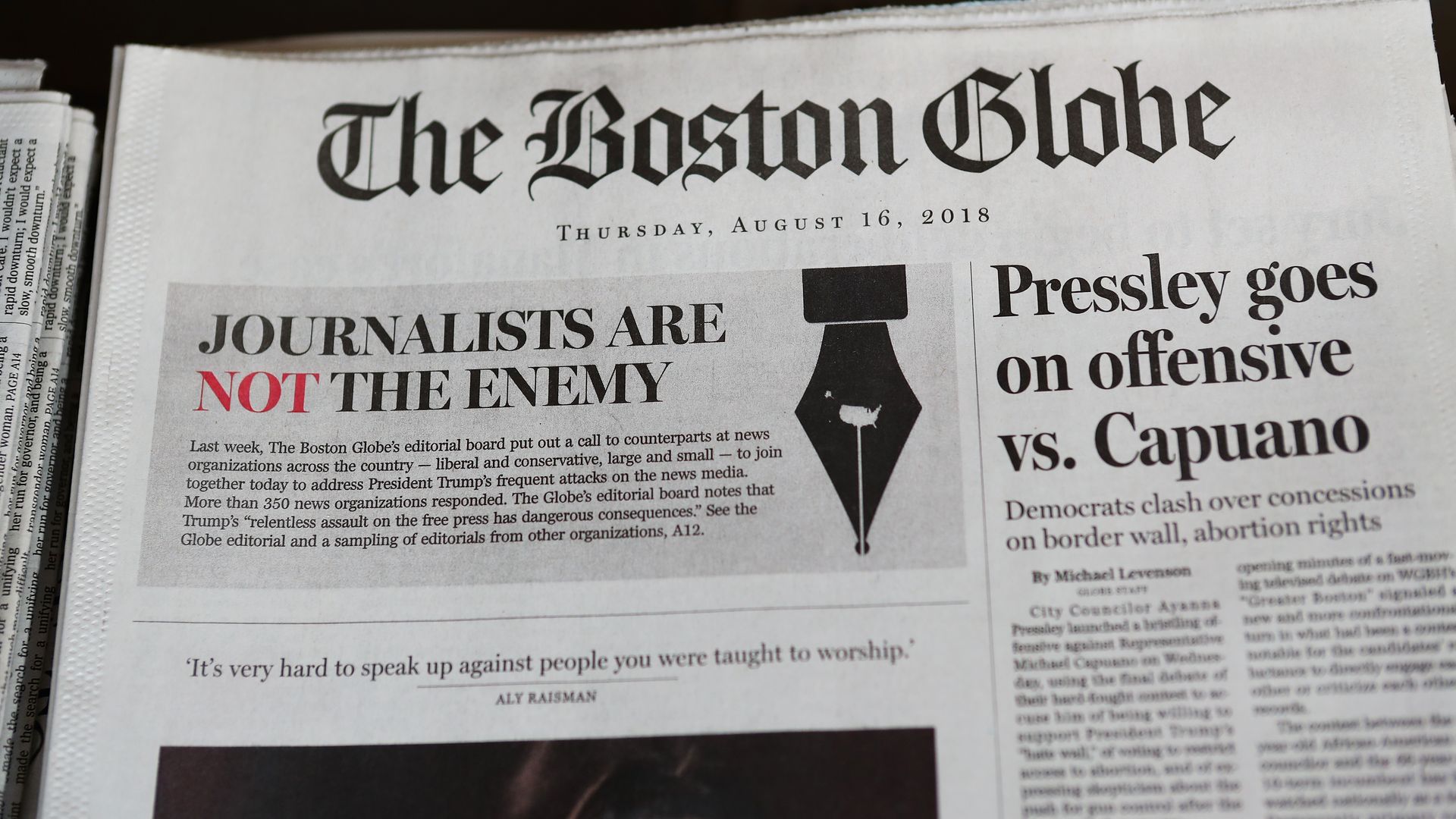
The FBI arrested a California man on Thursday who threatened to shoot Boston Globe employees, calling them the "enemy of the people," and making "approximately 14 threatening phone calls to the Globe between August 10 and 22," the Justice Department announced.
Why it matters: This is a real-world example of the consequences attacks on the media can have. NBC's Tom Winter tweeted that the man, Robert Chain, said on one of the calls he made to the Globe: "You're the enemy of the people and we're going to kill every...one of you." The threats started after the Globe called on other news outlets to publish editorial responses to political attacks against the media.
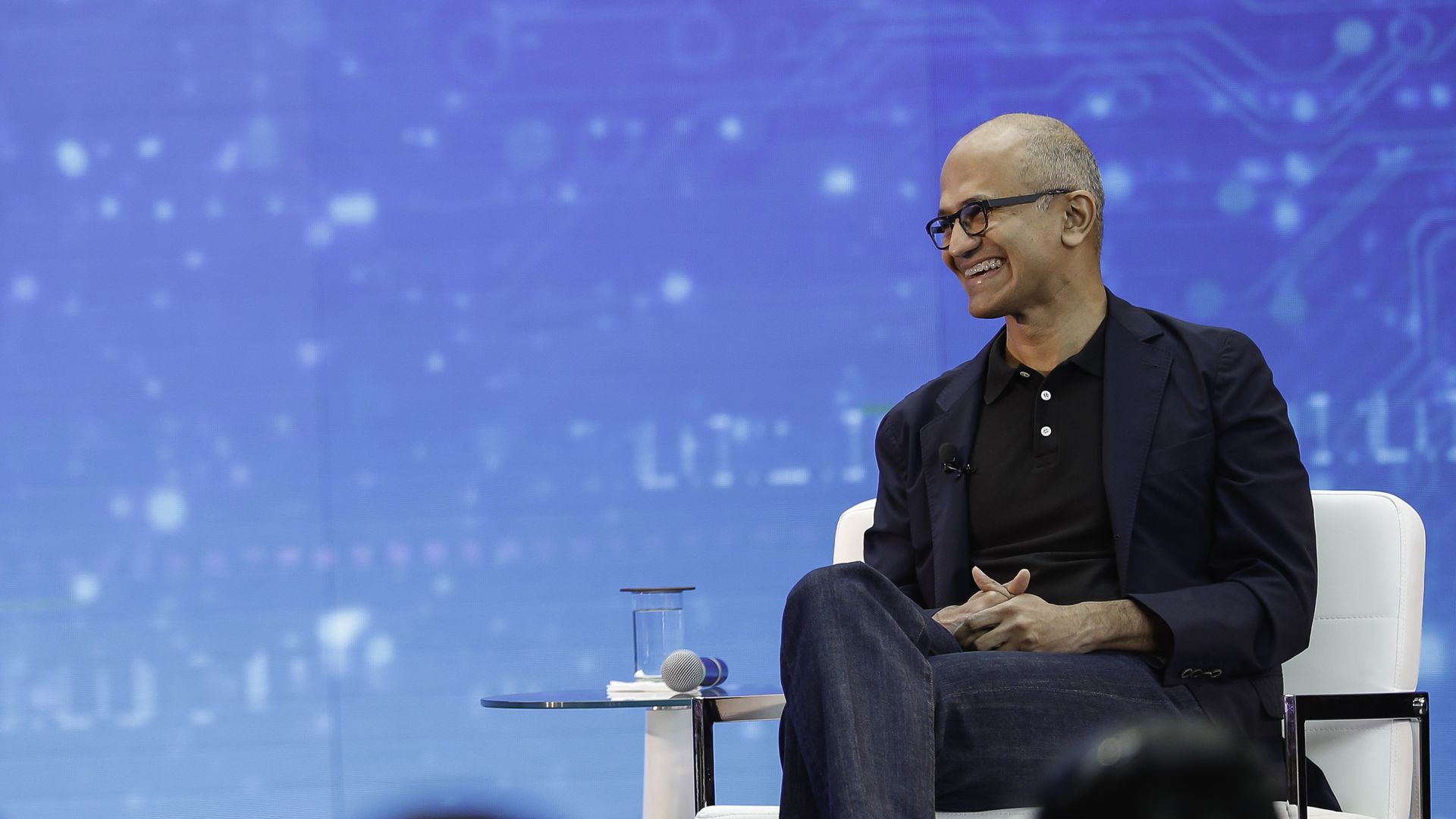
In a move that could prompt more companies to offer paid parental leave, Microsoft is announcing today that it will require all of its U.S.-based suppliers and vendors with more than 50 employees to offer such benefits.
Why it matters: Many leading companies offer paid leave, but others need a push. History shows that when progressive companies require benefits or policies from their suppliers, it can help increase adoption. Microsoft's move alone will mean many thousands of new workers getting paid parental leave, as the company has more than 1,000 partners in the U.S.
President Trump, using more anecdote than evidence, is doing unto Google, Facebook and Twitter what he helped do to mainstream media: persuade a big chunk of America they are biased — and fake.
What's new: "Fake social" and "fake search" are the new "fake news" in the mind of Trump’s inner circle.
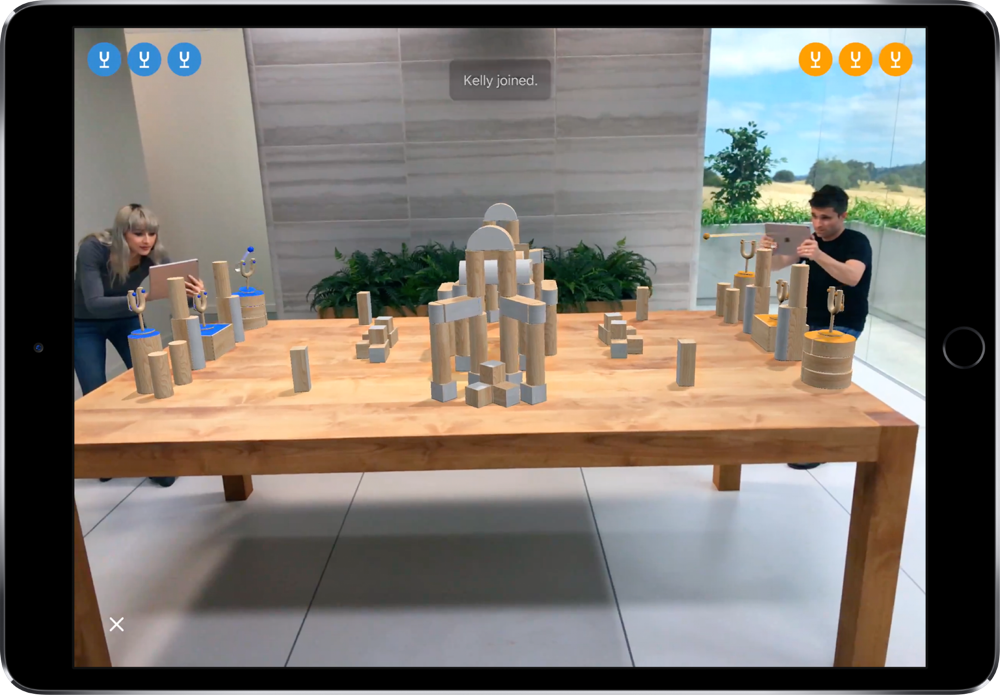
An example of augmented reality using Apple's ARKit. Photo: Apple
Apple has bought a small startup focused on lenses that could help the company develop augmented reality glasses. The company confirmed to Reuters it has bought Colorado-based Akonia Holographics.
Why it matters: Apple has openly expressed its deep interest in augmented reality. Apple's AR efforts have thus far centered around the iPhone, with the technology for glasses that would have mass appeal seen as still a couple years off.