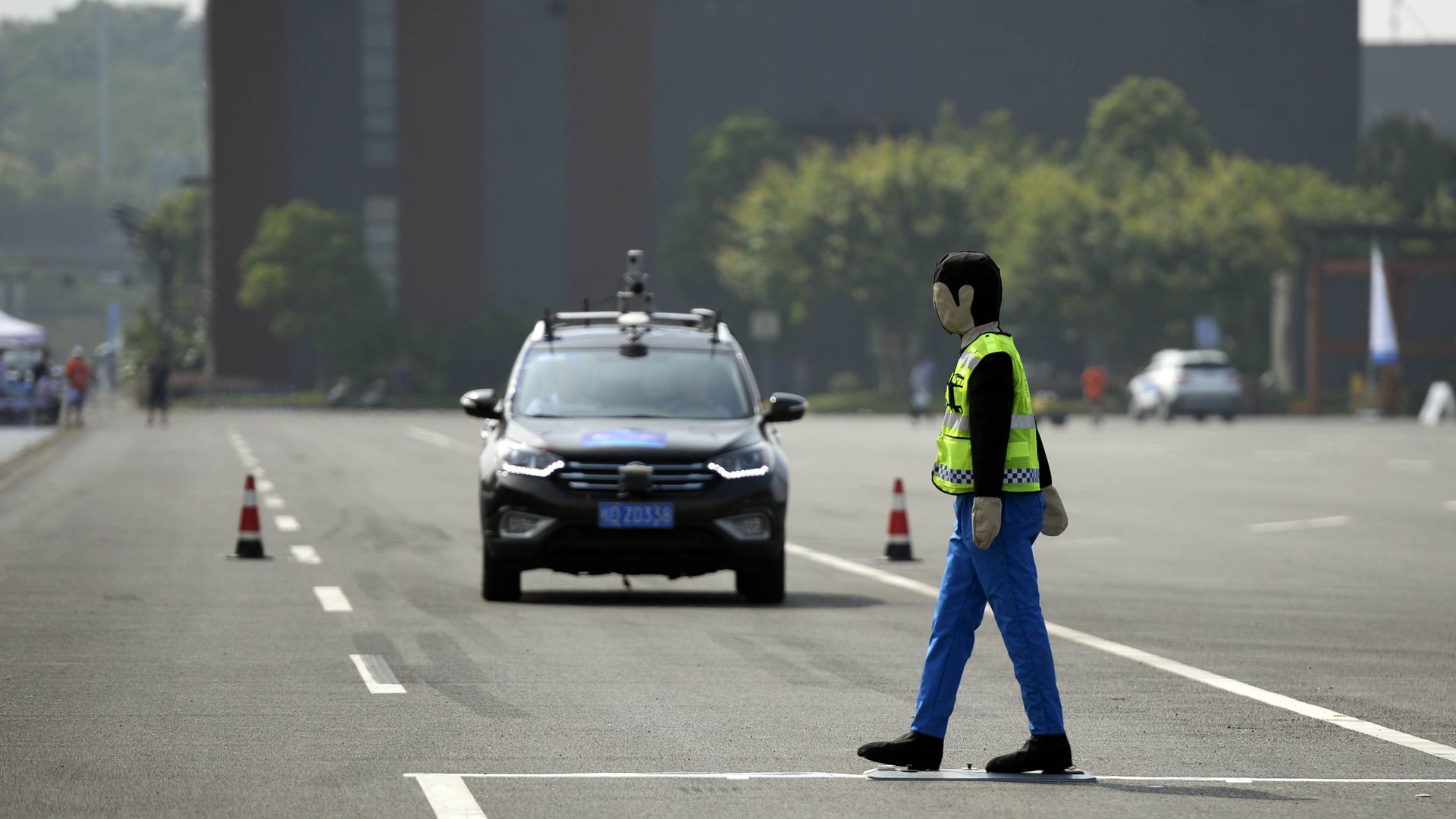
An Apple self-driving car was rear ended in an accident in California, reports Reuters, citing a DMV confirmation.
Why it matters: This is yet another incident in California where a self-driving car has been in an accident — most of which are caused by humans. Apple has long concealed its plans for autonomous vehicles.
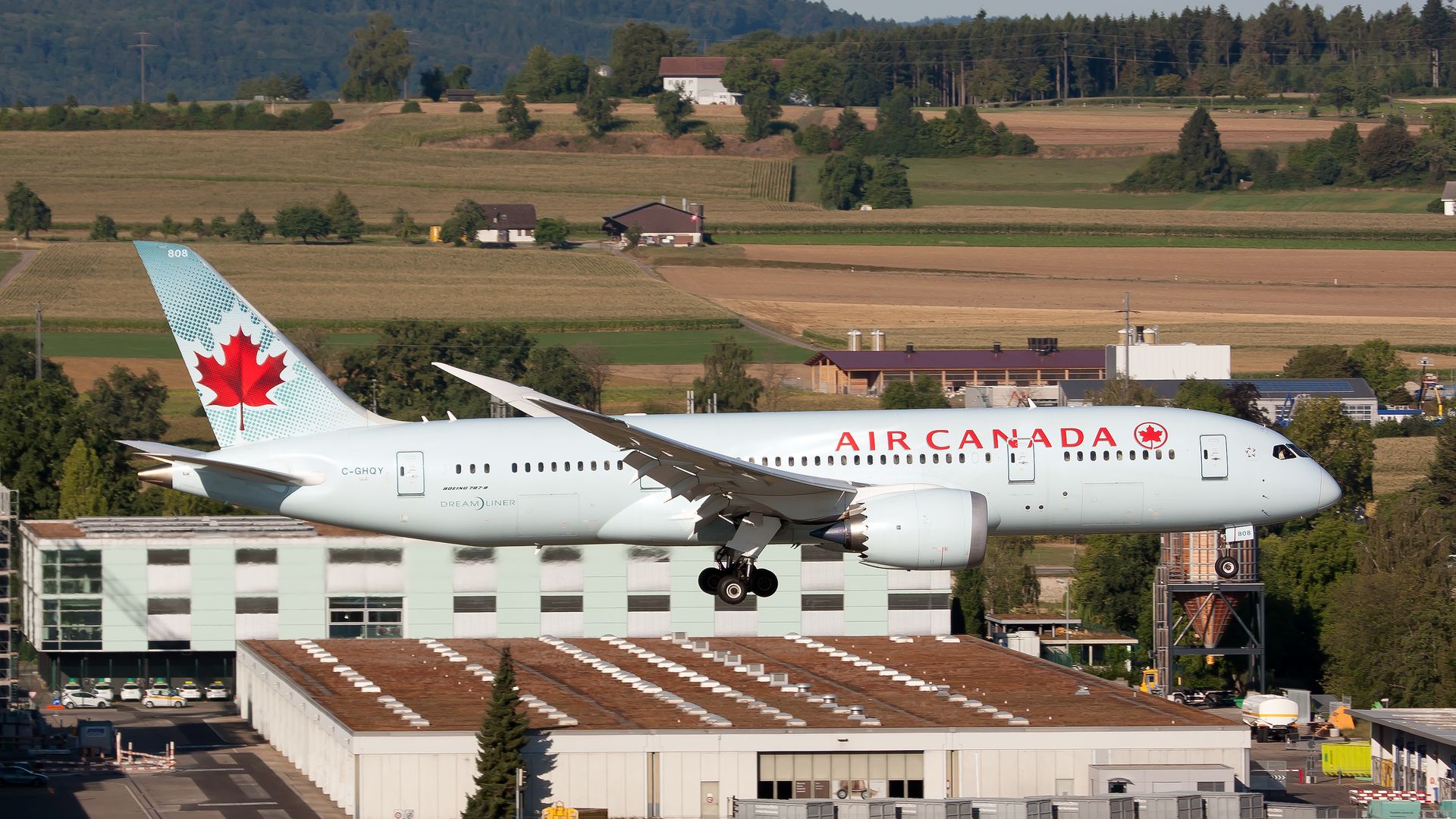
Air Canada is warning users who entered their passport information into the airline's app that users' passport numbers may have been stolen after a data breach caused the loss of customers' personal information, the BBC reports.
Why it matters: If passport numbers were stolen from the app, thousands of customers could be at risk for ID fraud. The airline has previously been criticized for weak password security measures, according to the BBC, and this breach may have been a result of that.
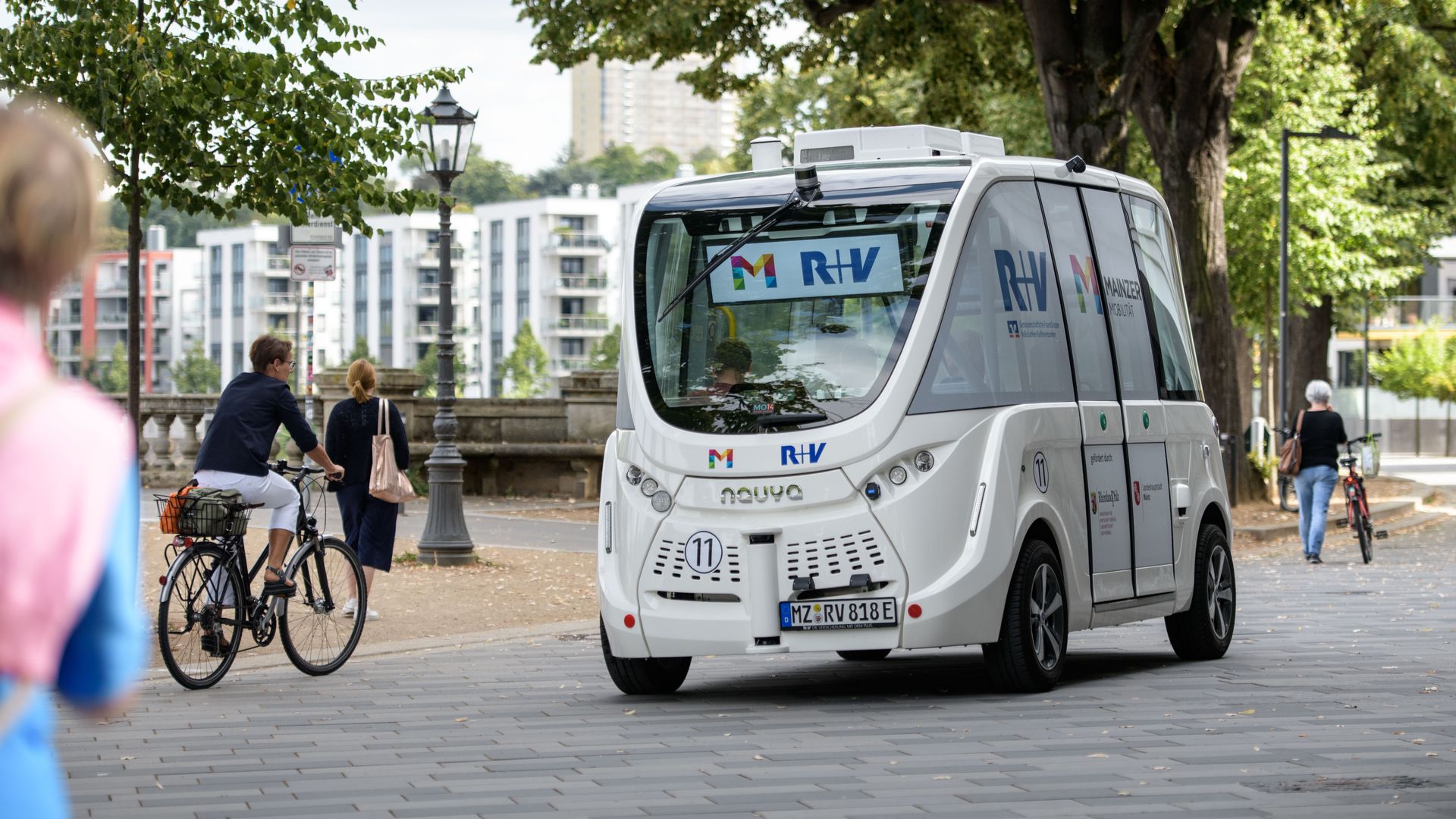
Public transit agencies are increasingly exploring how autonomous buses could help reduce operating costs, improve service on low-ridership or specialized routes, and bridge gaps at the beginning and end of public transit trips — so-called first- and last-mile connections.
The big picture: The U.S. had an estimated 687,200 bus drivers in 2016, including about 176,000 city public transit drivers, according to the Bureau of Labor Statistics. While some union leaders have expressed concerns that AVs could eliminate jobs for bus drivers, it’s more likely that they will continue to require onboard operators for non-driving functions.
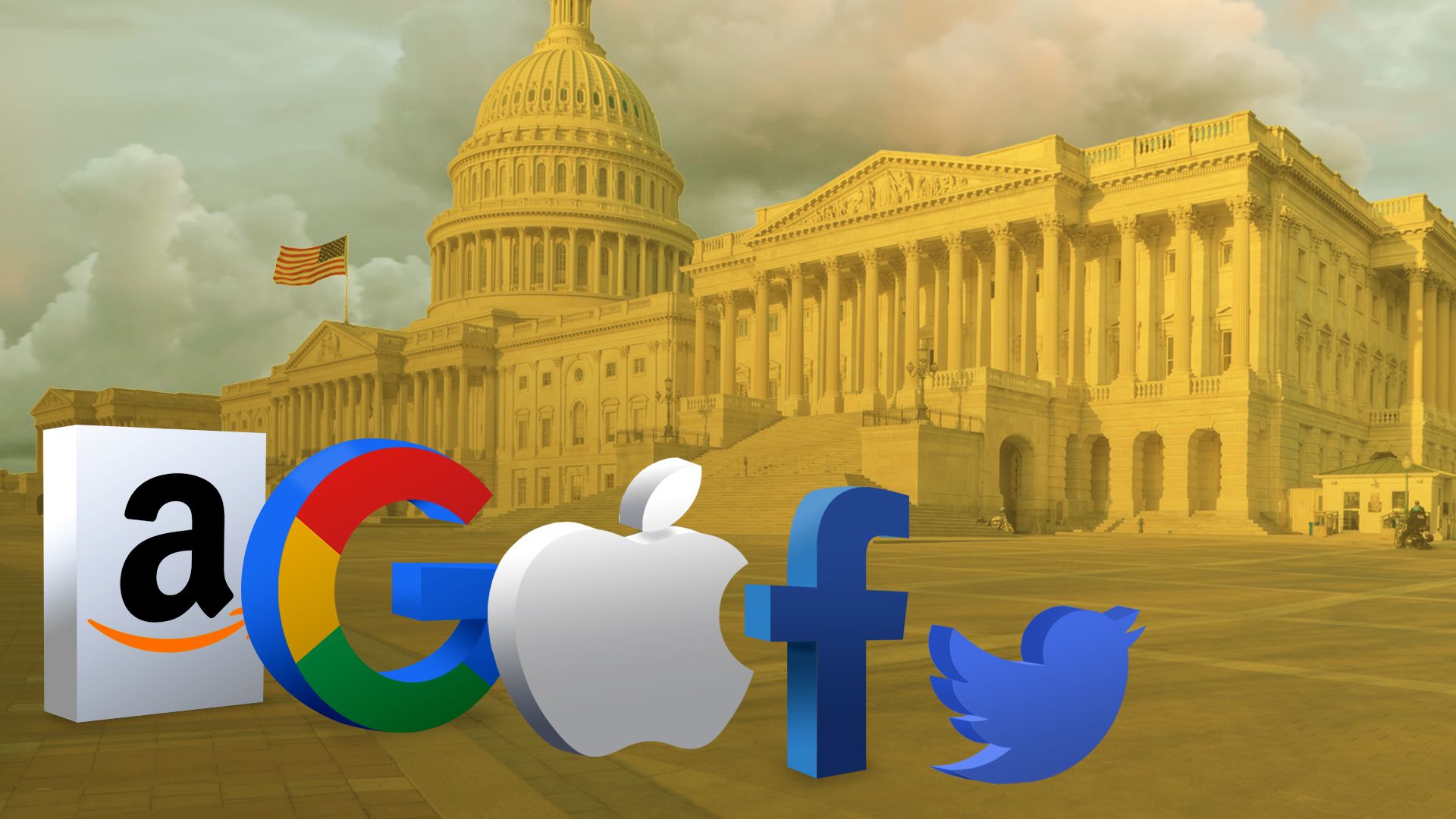
With new attacks by President Trump, high-stakes testimony next week on Capitol Hill, and a midterm election vulnerable to online manipulation, tech’s giants are bracing themselves for two months after Labor Day that could decide whether and how much the government regulates them.
The big picture: The companies — led by Facebook and Google but with Twitter, Apple, and Amazon also in the mix — are caught in a partisan vise, between privacy-oriented critics on the left who fear further election interference and newer charges from the right of anti-conservative bias and censorship.