Twitter is experimenting with a new take on helping users see relevant content: suggesting they unfollow accounts they don't interact with regularly.
Why it matters: For years, Twitter has tried a variety of ways to make its product more understandable and useful to a wider array of people by suggesting accounts to follow, inserting tweets they might like, and so on.
Jolted by rising suicide and self-injury among young Americans, schools are using software to monitor student browsing history and logs for signs of distress, in what they hope will curb the problem.
What's going on: Kids and teens increasingly rely on the internet to answer their mental-health questions, creating browsing patterns that schools hope could identify potential harm before it happens. But that requires sweeping online surveillance that critics say could leave a lasting mark on students.
Tens of thousands of sham products have appeared on Amazon over the last two years — a rash of counterfeiting amid a growing, trillion-dollar global business of retail fakery.
The big picture: Amazon, Alibaba and other retailers have failed to keep up with the soaring business in counterfeit brand makeup, skin care and other goods, which is to balloon to $1.8 trillion by 2020, a 50% jump from $1.2 trillion last year, per the 2018 Global Brand Counterfeiting Report.
AI-generated art is selling for thousands of dollars to private donors and auction houses, leapfrogging from mere novelty.
Why it matters: We're often told that manual work will be snapped up by robots, while creative jobs are relatively safe. It’s not clear this technology quite approximates human creativity, but its commercial success suggests a demand for simulated imagination.
65% of "self-described conservatives" believe that social media companies like Facebook, Twitter, and YouTube are purposely censoring conservatives and conservative ideas from their sites, according to a new Media Research Center/McLaughlin & Associates poll that Axios obtained first.
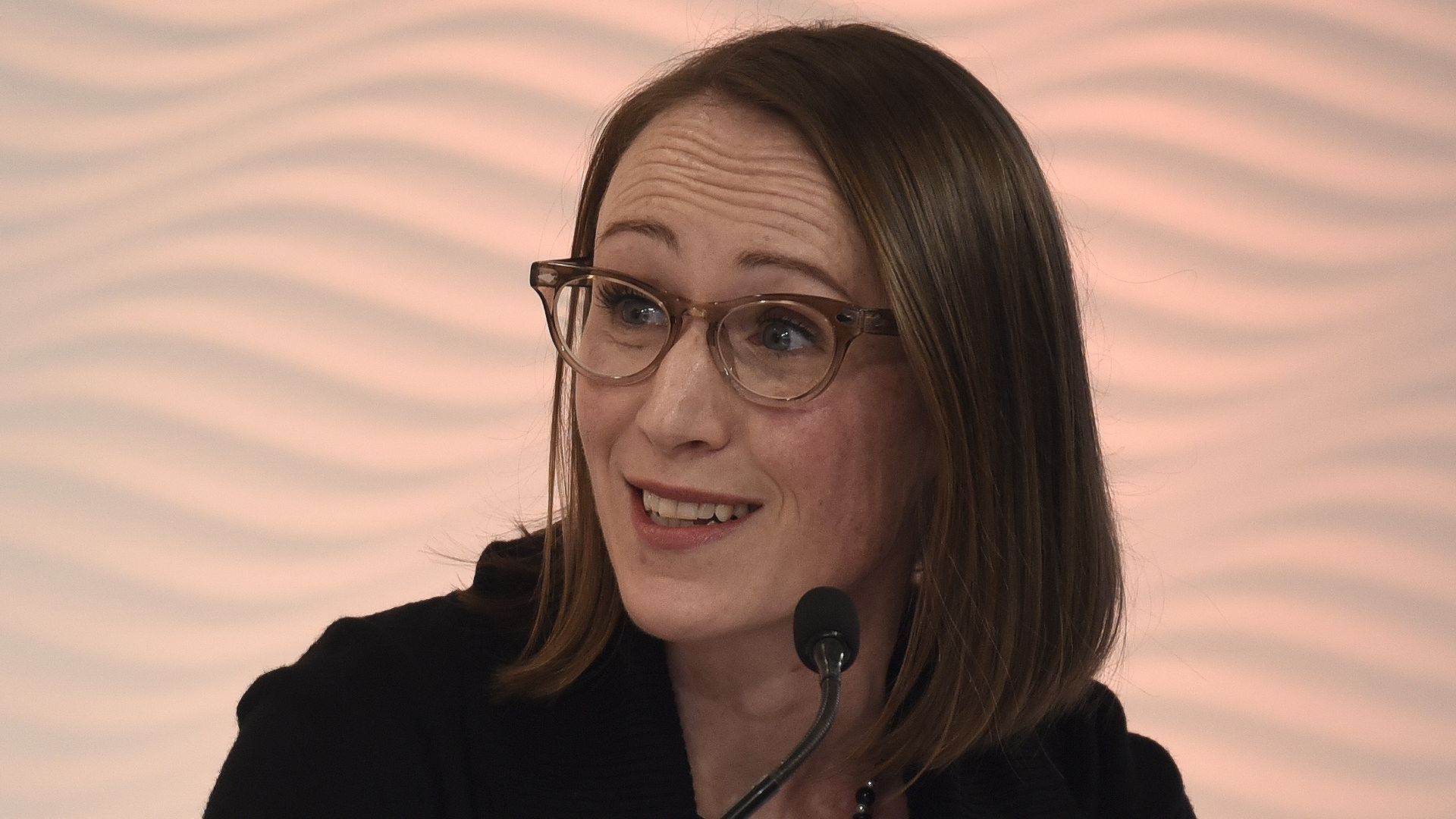
Alex Hardiman, head of news products at Facebook, is joining The Atlantic as Chief Business and Product Officer, where she'll lead product, audience experience, and consumer revenue efforts for the magazine turned digital enterprise.
Why it matters: Hardiman, a New York Times product veteran of ten years, led the team that built dozens of news products at Facebook. She joins The Atlantic not only with one of the strongest news product backgrounds in the market, but also with a unique sense of how to manage the difficult balance of business and editorial needs.
Why it matters: Facebook and other tech companies are under pressure from conservative lawmakers and President Trump, who say their products reflects Silicon Valley's liberal outlook — despite there being little evidence of intentional bias.
Three reports out Tuesday suggest that Amazon is pushing harder to corner the entertainment sector, with plans for a free TV streaming app, a live television recorder and a new slate of content deals with two of Hollywood's biggest movie studios.
Why it matters: One of Amazon's fastest-growing business units is advertising, which will continue to explode with investments in content and TV technology. Content investments will also help the streamer take on Netflix in a heated battle for digital streaming subscribers.
A year since Axios first examined the data, there are now 55 companies with self-driving car testing permits in California and 54 new accidents, based on filings of incident reports in the state. But one thing has remained constant: Humans continue to be the cause of most accidents.
By the numbers: All those beige cars in the chart above indicate incidents where autonomous vehicles were not considered "at fault" — that is, people were. Even when AVs are at fault, that's most often been in cases where humans were at the wheel ("conventional mode").