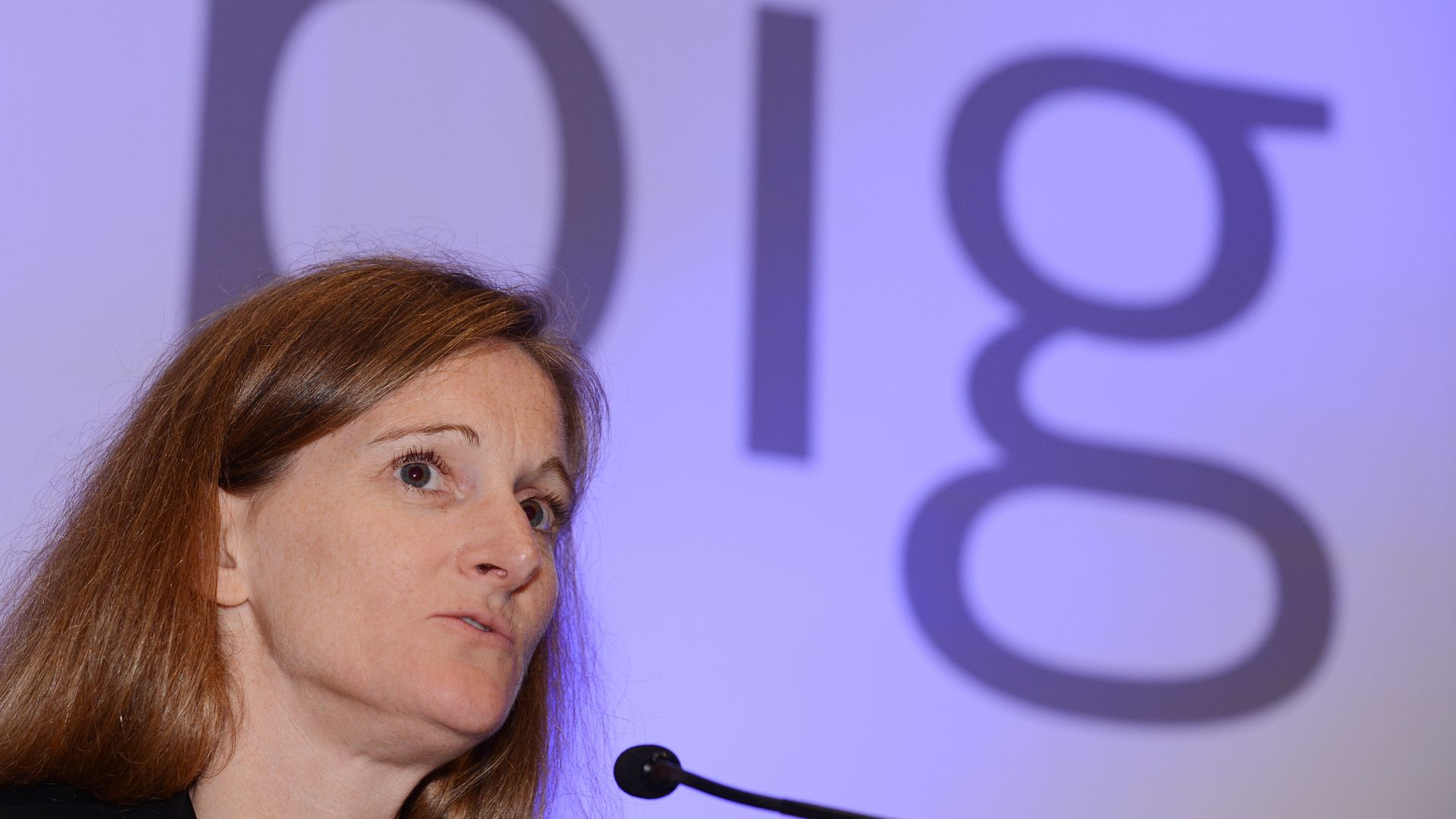
Rachel Whetstone, the former Uber and Google PR executive who joined Facebook a year ago, is leaving the company. She's headed to fill the vacant top PR spot at Netflix, as first reported by Recode.
Why it matters: It's obviously been a tough year to be leading the messaging at Facebook. Top PR and policy exec Elliot Schrage said earlier this year that he would be leaving as well.
Toyota is investing $500 million in Uber as part of a deal to jointly develop self-driving car technology, as the Wall Street Journal first reported and Uber later confirmed. Toyota first invested in the ride-hailing company in 2016.
Why it matters: Uber has had a bumpy ride with its self-driving car efforts. It spent a year in court fighting claims by Google's Waymo that a company Uber acquired stole its trade secrets. Earlier this year, the company also suspended its autonomous vehicle testing after a car struck and killed a pedestrian in Arizona.
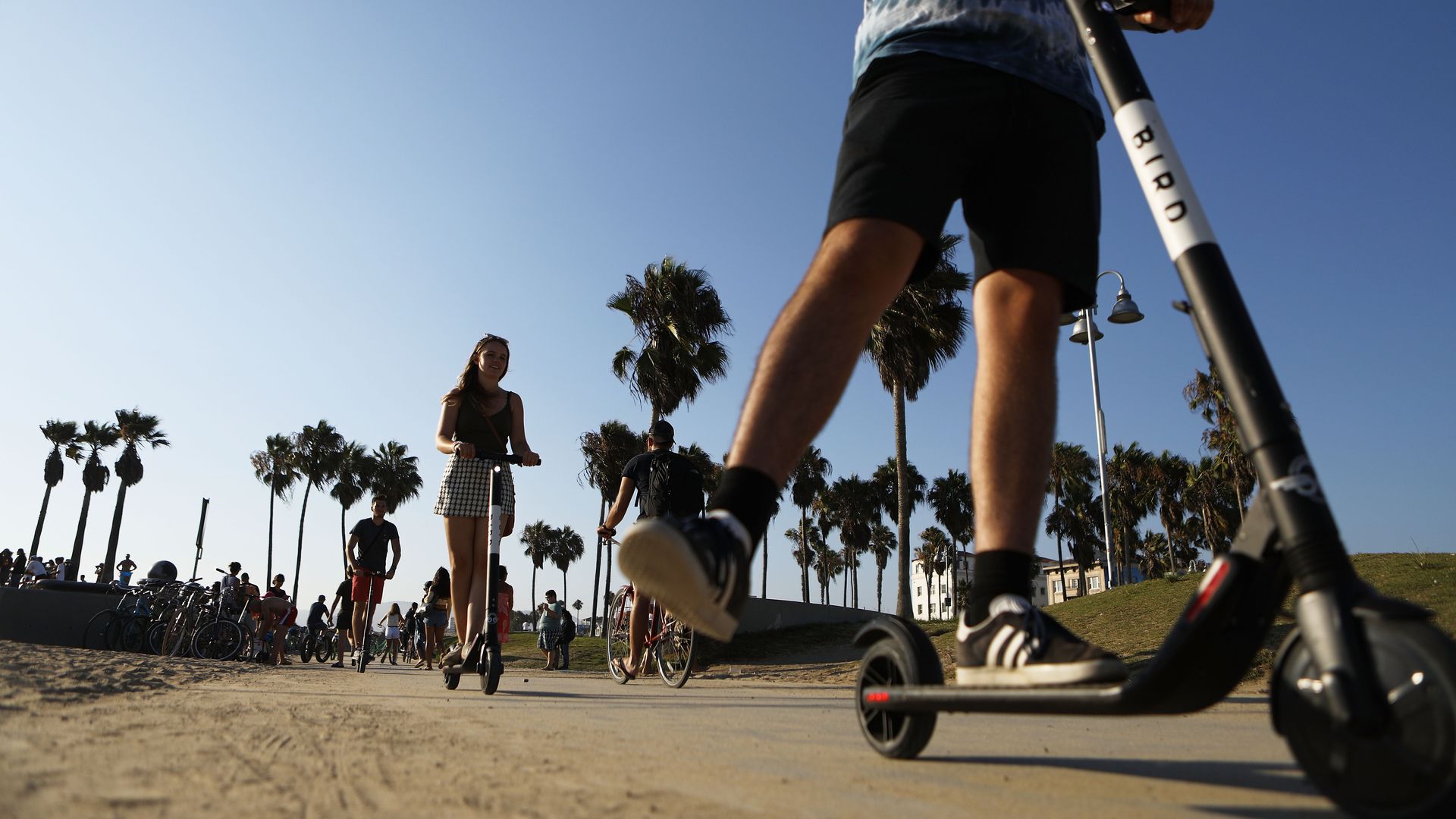
"Uber is planning a shift in emphasis from cars to electric bicycles and scooters for shorter journeys as part of its long-term strategy," CEO Dara Khosrowshahi told the Financial Times' Shannon Bond in S.F.
The big picture: "During rush hour, it is very inefficient for a one-ton hulk of metal to take one person 10 blocks," the CEO said. "He admittedthat in the short term, the move would mean a further financial hit for a company that had losses of $4.5bn last year." The push comes after Uber acquired the electric bike-sharing company Jump earlier this year for $200 million.
Twitch, the Amazon-owned video-streaming service used primarily for esports, was caught in the middle of a tragedy Sunday when a gunman opened fire on a crowd of people participating in and watching an esports tournament being aired on Twitch at a bar in Jacksonville, Florida.
Why it matters: This is one of the worst instances yet of public violence being broadcast (in part) to thousands of people in real time through internet live-streaming. It's also one of the first times such an incident has occurred on an Amazon-owned platform.
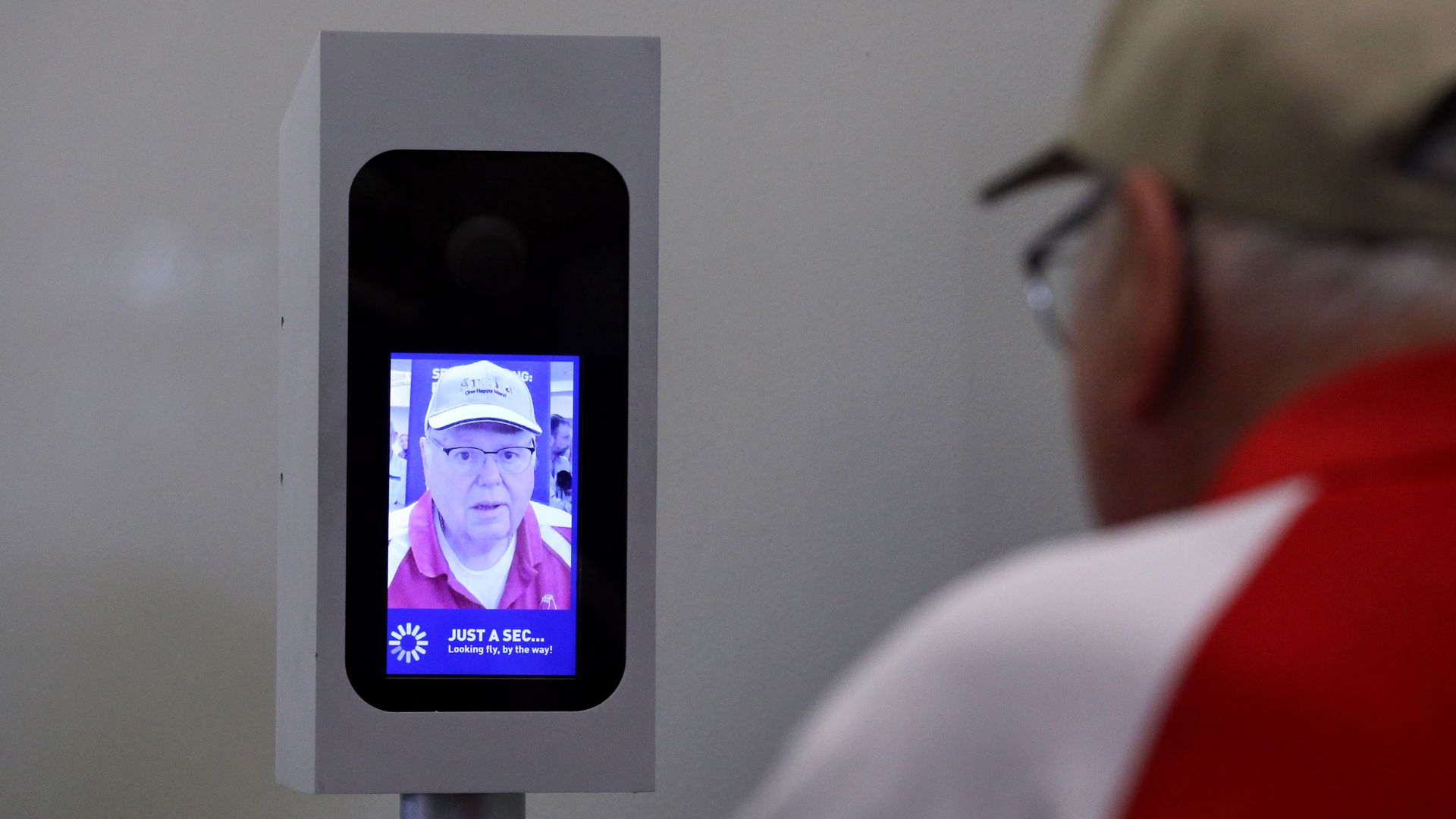
A few weeks ago, we wrote about faces increasingly replacing passwords. But your mug can do more than get you through security: Companies are planning to use facial scans to identify you in stores, restaurants, and sports arenas, and tag you for specialized ads and custom coupons — widening the potential for privacy breaches.
The big picture: When the film Minority Report was released 16 years ago, its hyper-targeted ads were a creepy window to the future. Now, millions unlock their iPhones with their faces every day, edging a technology that, to many, still seems invasive toward the mainstream.