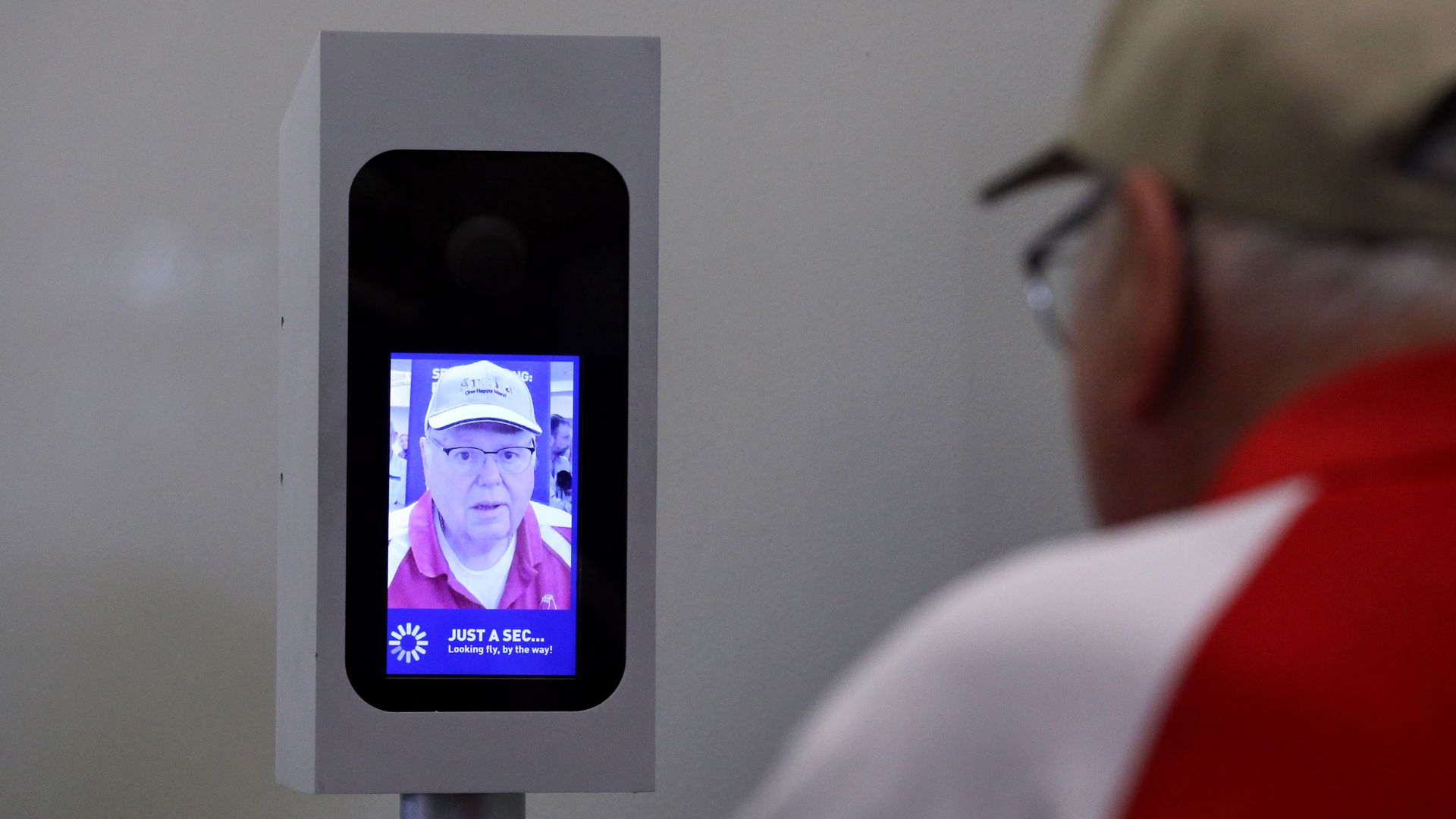
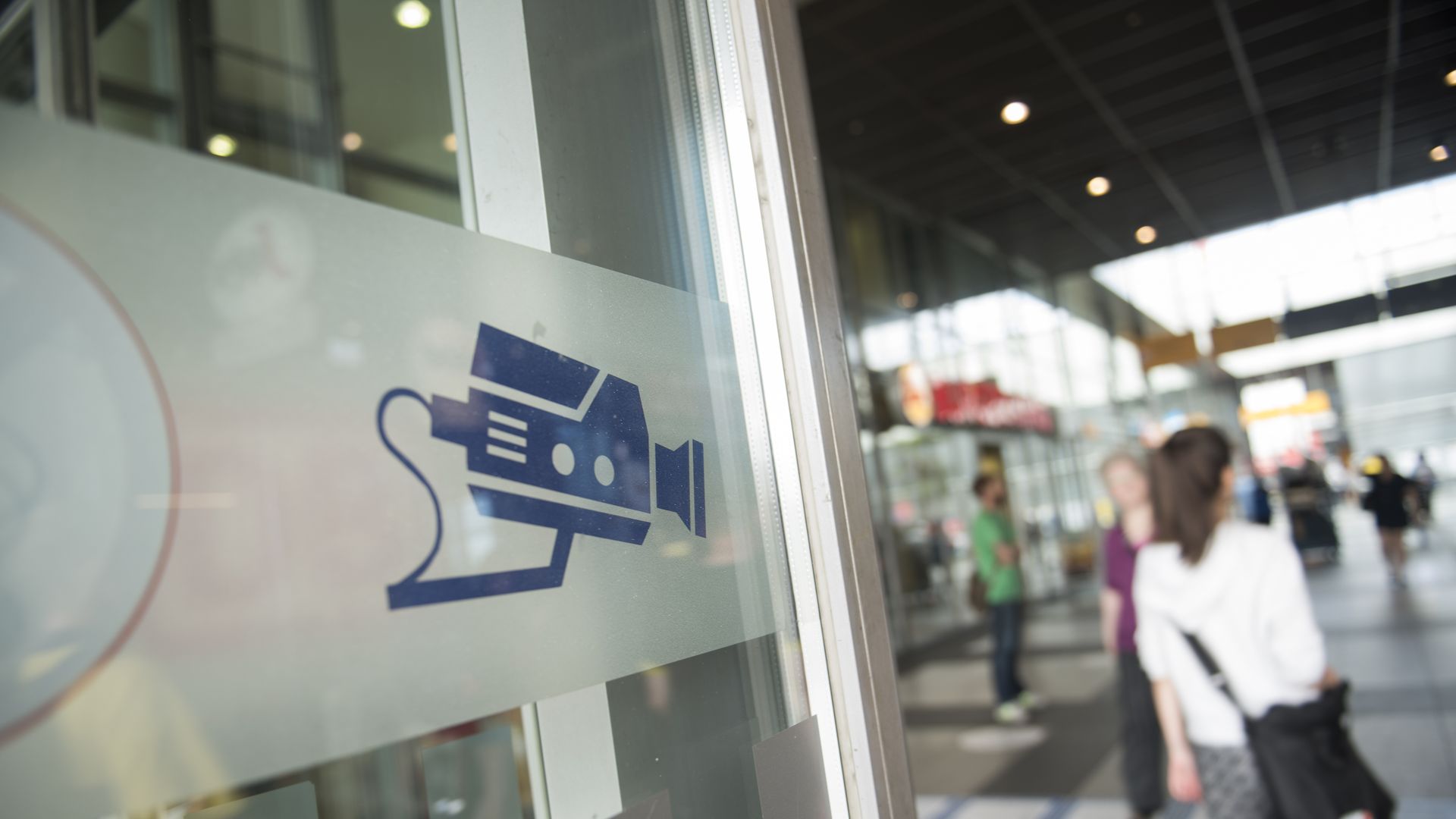
A few weeks ago, we wrote about faces increasingly replacing passwords. But your mug can do more than get you through security: Companies are planning to use facial scans to identify you in stores, restaurants, and sports arenas, and tag you for specialized ads and custom coupons — widening the potential for privacy breaches.
The big picture: When the film Minority Report was released 16 years ago, its hyper-targeted ads were a creepy window to the future. Now, millions unlock their iPhones with their faces every day, edging a technology that, to many, still seems invasive toward the mainstream.
According to a Pew Research survey, a majority of both Democrats and Republicans recognize they cannot agree on basic facts, as well as plans and policies.
Why it matters: In the era of "Fake News" — and Rudy Giuliani's "truth isn't truth" remark (which he later explained) — Americans across party lines are unable to agree on basic truths. As Pew notes, each side can agree that "partisan disagreements extend to the basic facts of issues." These results mirror pre-2016 election Pew survey answers that showed Trump and Clinton supporters could not agree over basic facts.
The increase in popularity and decrease in prices from Amazon may be to blame for the rise in inflation over the last few years, reports Reuters.
What's happening: A research paper presented by economist Alberto Cavallo at the Federal Reserve Bank of Kansas City's annual symposium theorizes that competition from Amazon is leading to frequent price changes at brick and mortar retailer locations. Cavallo's research found that the price fluctuation influenced movement in the exchange rate of the U.S. dollar.
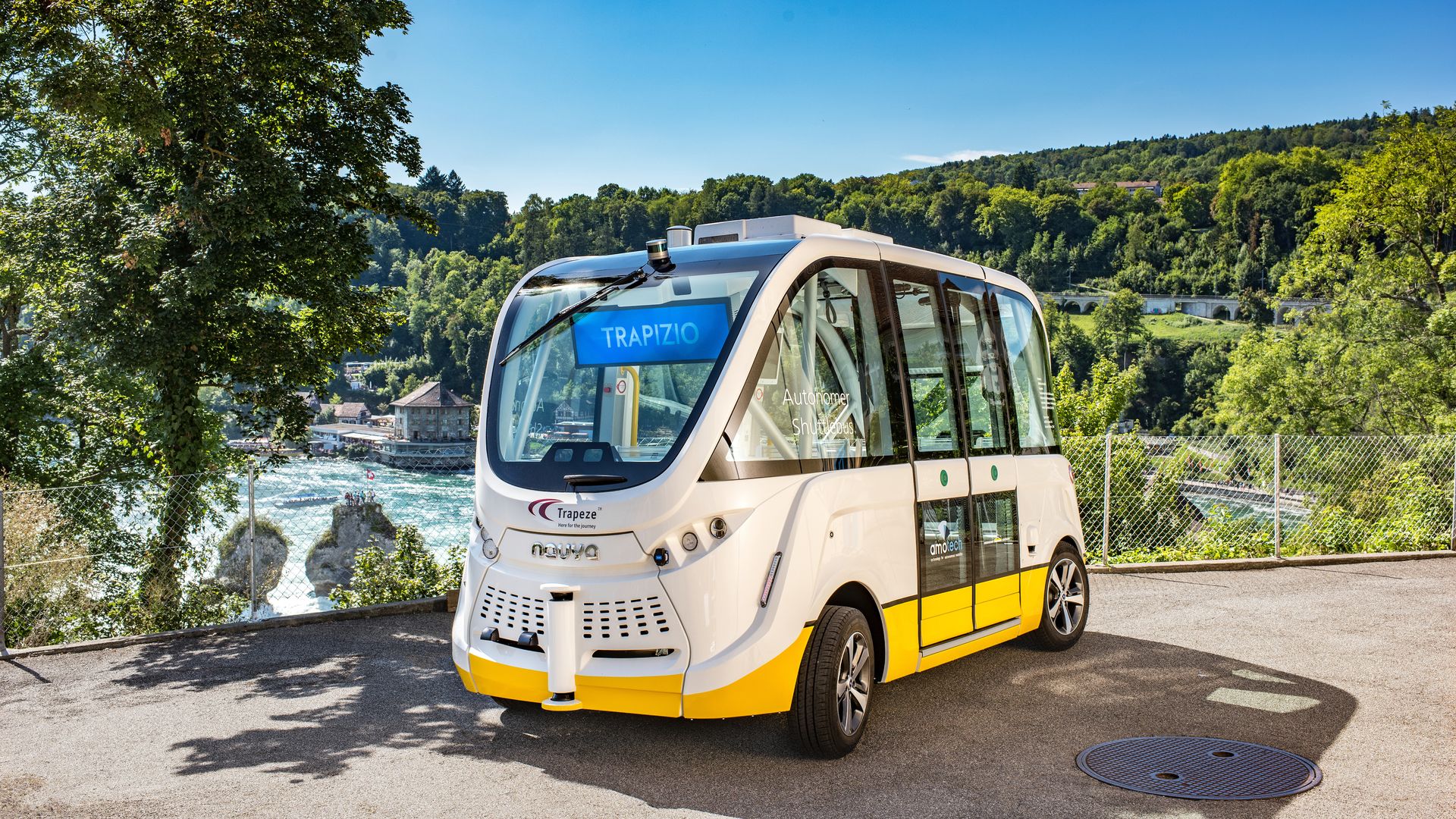
With public transportation ridership declining across the board and labor costs remaining high, cities such as Las Vegas, Jacksonville and Austin, are exploring how autonomous vehicles can fill in key gaps, whether by taking over routes with lower ridership or providing first- and last-mile trips to transit centers.
What to watch: Bus travel presents a prime opportunity to capitalize on autonomy, but will passengers feel comfortable boarding a bus with no driver? So far, a number of cities have piloted the use of autonomous shuttles for tourists (as Las Vegas has on Fremont Street), on closed corporate campuses and on divided roads. A permanent, fixed, open-road bus route has yet to launch in the U.S., but the town of Neuhausen, Switzerland, is pioneering one.
The Democratic National Committee has been conducting spearphishing email training to help its staff learn to avoid malicious emails that could compromise security, a Democratic source tells Axios.
Why it matters: The DNC knows how badly it was hurt by the hacking attack that compromised it (as well as the Clinton campaign) in 2016, leading to a data dump of internal emails, and is trying to avoid a repeat.
Our thought bubble, from Axios' Kaveh Waddell:Expect to see more headlines like these as CBP facial recognition systems pop up at more airports. They are being tested to screen travelers arriving in the US, and as a replacement for boarding passes. But since the systems involve both public agencies and private companies, it’s not always clear how widely face data is shared, and how long it’s stored, after a scan.