Ride-hailing companies Uber, Lyft, and Via presented New York City's council on Tuesday with a deal: They'd finance a $100 million "hardship fund" (over five years) to help struggling taxi drivers, in exchange for the city dropping its proposal to cap the number of cars allowed and set a minimum wage for drivers — but they were turned down by the city, says Lyft.
Why it matters: A handful of taxi drivers have committed suicide since November because of the financial burden of the city's expensive medallions, spurring renewed criticism of ride-hailing companies's effect on the taxi industry.
After pressure from users and a petition of more than 1,600 signatures, Spotify has taken down certain episodes of Alex Jones' podcast for violating its hate content policy, per Recode.
Why it matters: Facebook was hesitant to label Alex Jones as hate content because they take into account the broadest possibility of good intent by all users and pages, in an effort to protect users’ free speech rights. But, Spotify's audience isn’t nearly as big or as global as Facebook’s, so they may not feel they need to be as cautious at this point around making decisions that can massively scale.
In a Vanity Fair excerpt from her upcoming memoir, Lisa Brennan-Jobs talks about the highs and lows of being Steve Jobs' kid.
The bottom line: Jobs was a complicated person: brilliant, frustrating, inspiring and abrasive all at the same time. That was as true for Brennan-Jobs as it was for those who worked with him.
Researchers have created a robot hand that can flip a cube into specific positions, using human-like techniques it learned on its own over the course of 100 simulated years of training.
Why it matters: The algorithm behind the feat has a surprising backstory: It previously trained AI agents to play Dota 2, a complex multiplayer video game. Using it again for a very different task is a leap over today’s algorithms, which can generally only do one thing well.
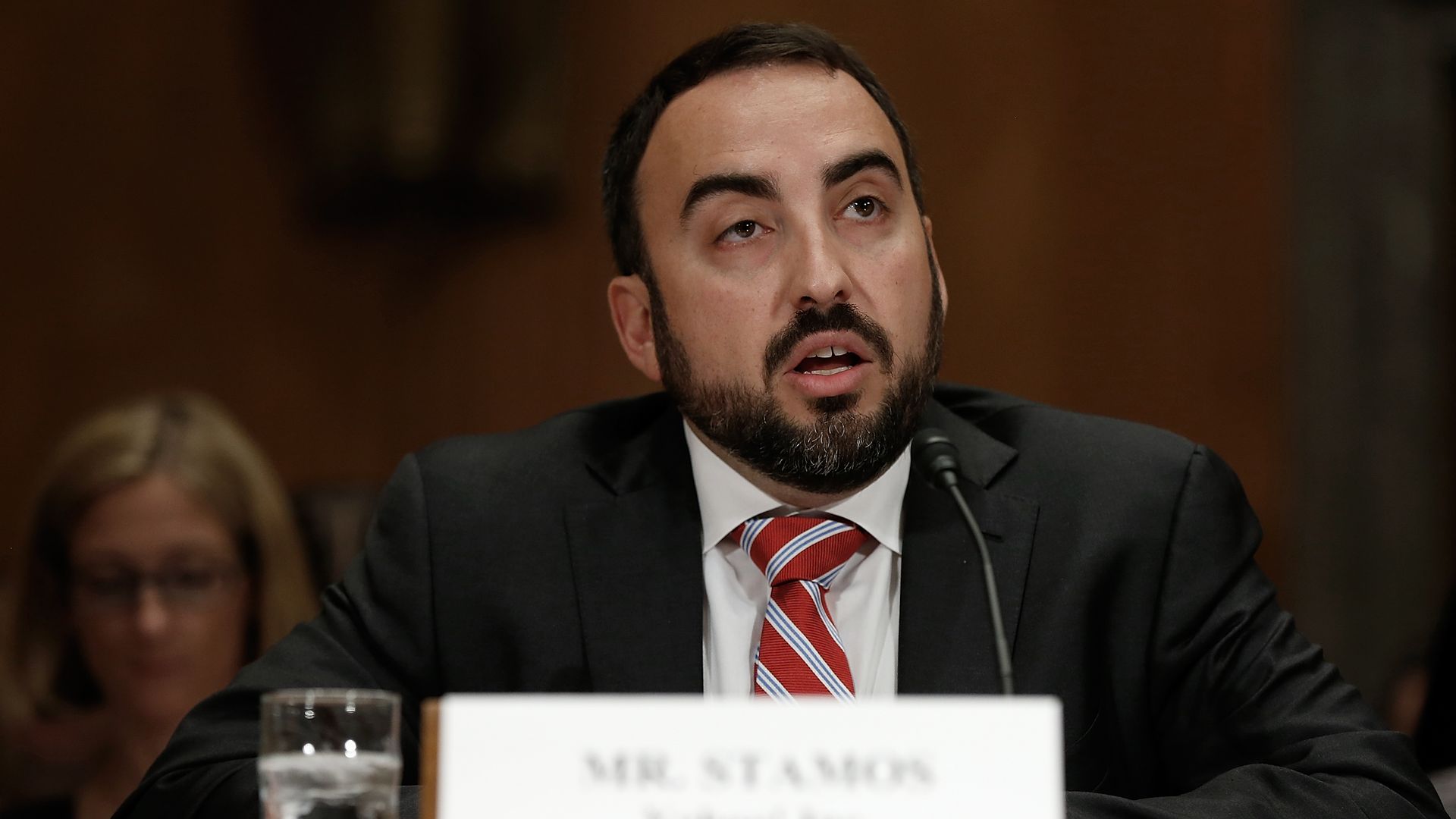
Facebook's chief security officer, Alex Stamos, is leaving the company to teach and research at Stanford University.
Why it matters: While his exit was expected, it comes as the company is still grappling with the spread of political disinformation on its platform. Stamos, well respected in and out of the company, has been focusing on election security and was involved in yesterday's revelation of a new coordinated political disinformation campaign.
Amid an intense global race to develop artificial intelligence, Canada — home to some of the field's pioneers, and among the most aggressive nations in the contest — is running a boot camp for students this week to beef up its chances to share in the AI future.
What's going on: More than 250 students and researchers from 20 countries are in Toronto, where Canada is attempting to attract as much of the world's best AI talent it can by showcasing itself as a first-rate center for research.
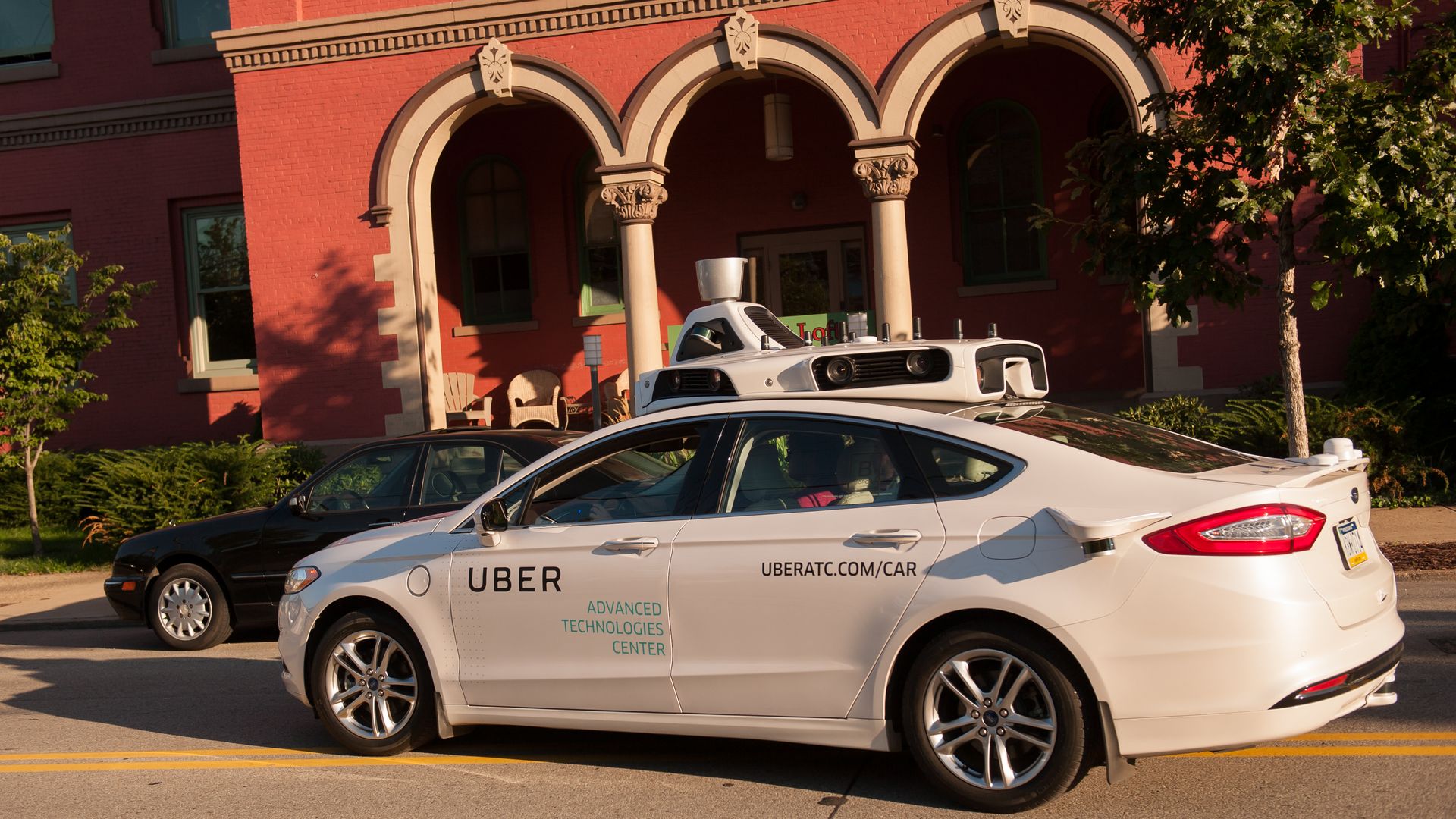
The big picture: Autonomy failures should be seen as normal and expected events when on-road testing is used to flush out bugs. Regulations that require human test drivers to be trained, alert and able to take over when necessary — especially given the human tendency to lose focus during monotonous road tests — will help avert accidents and strengthen public trust.
Uber's board of directors has added former Northrop Grumman CEO Dr. Ronald D. Sugar as independent chairman of its board. He is also on the boards of Apple, Amgen, and Chevron.
Why it matters: Over the past year, Uber has been taking steps to rectify its management and governance after a string of corporate controversies last year ended with then-CEO Travis Kalanick's resignation.
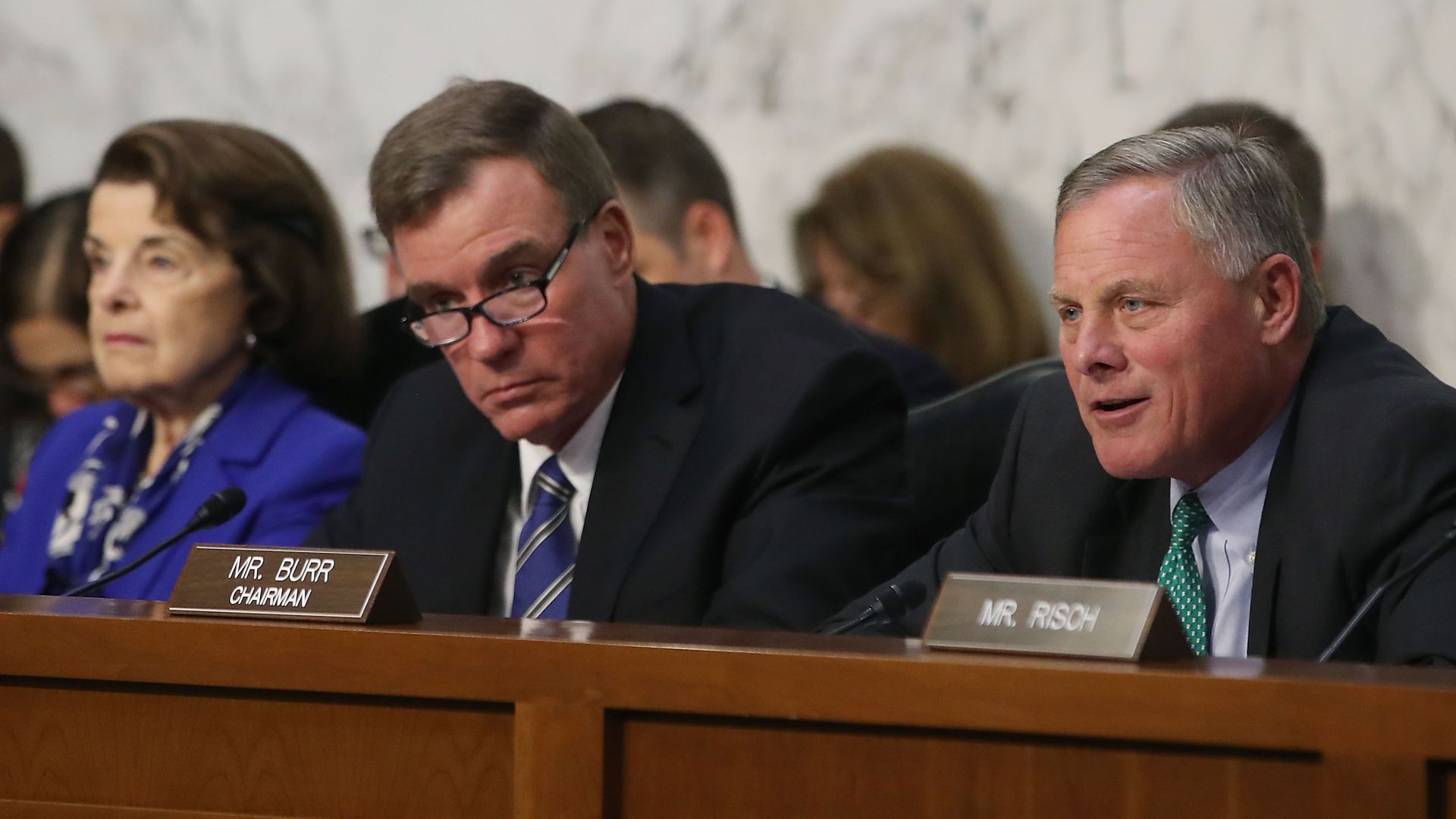
Lawmakers acknowledged Wednesday they are still trying to figure out what to do about foreign governments using online disinformation campaigns to disrupt the American electorate less than 100 days before the midterm elections.
Why it matters: A Senate Intelligence Committee hearing into foreign influence campaigns came one day after Facebook announced it had identified efforts aimed at dividing Americans ahead of the midterms. "The takeaway here has to be that this is an enormous, if not impossible, thing,” said Sen. James Risch (R-Idaho) during the hearing.
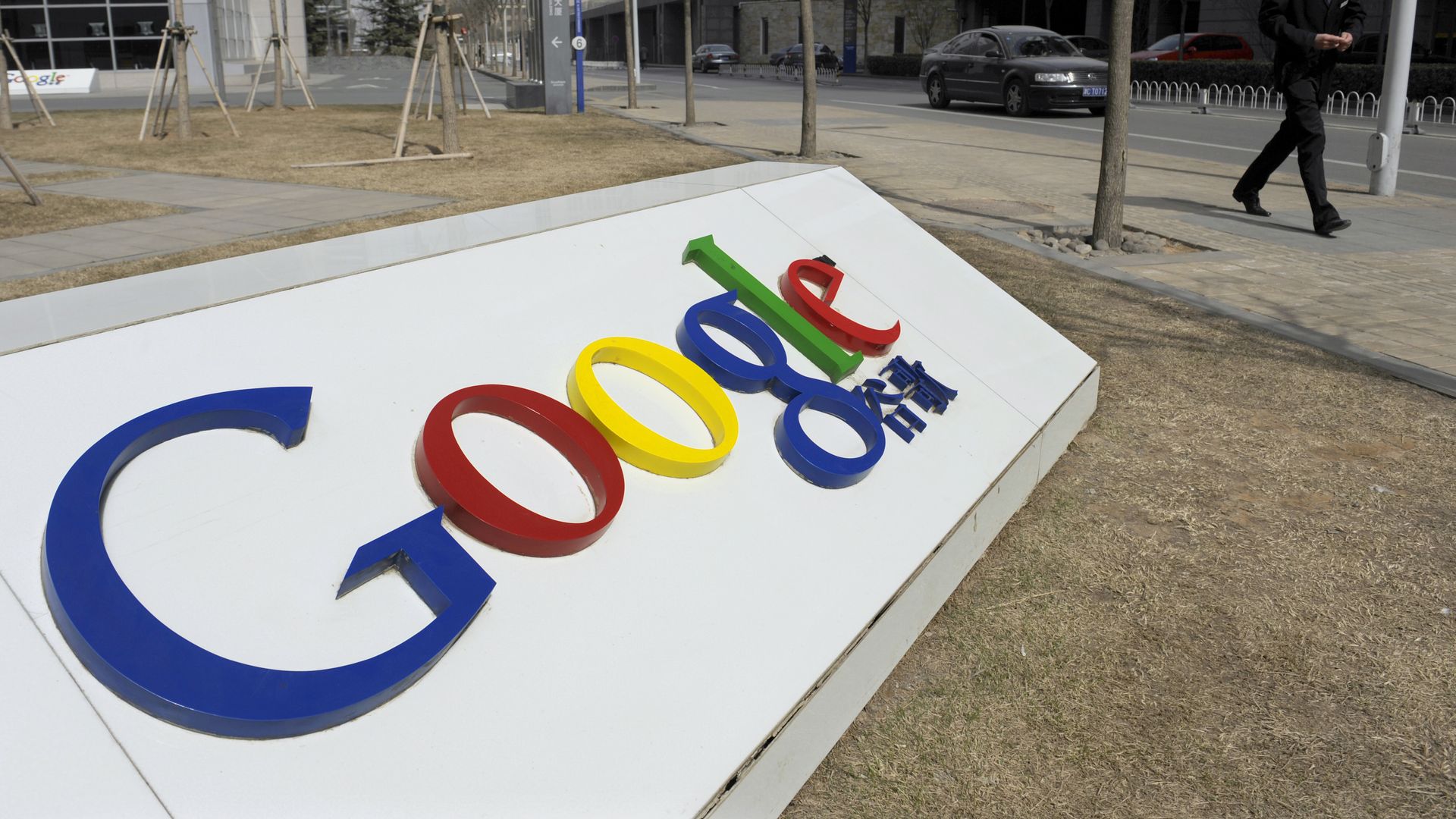
Google plans to build a censored search engine for the Chinese market, reports the Intercept, citing leaked documents with records of the plans.
Reality check: Even if Google is building a such a tool, it doesn't mean it's getting into China anytime soon. U.S. tech giants are willing to spend time and money to crack China's massive market, but winning government approval is difficult. Facebook was reportedly also working on a censorship tool in 2016, but the company hasn't been able to move into China since them.
Nonprofits that work to fight discrimination are increasingly shifting an eye toward AI amid rising concern over algorithmic bias.
Why it matters: With human bias, each generation represents an opportunity to break through stereotypes. With algorithms, bias will only reinforce itself and become less clear over time, so it is critical to address the issues when the technologies are in their infancy.
Facebook's discovery of a new political disinformation campaign — without publicly placing blame on a specific culprit — drew a line between what it can reasonably do to spot these operations and the government's role in determining their motives.
Why it matters: It ended up being a decent day for Facebook, which just dealt with a grueling week of negative press after its earnings face-plant.Facebook managed to avoid a fierce political battle over the disinformation campaign's motive while also getting credit for shutting it down.
After years of growth, Huawei has now surpassed Apple to become the second largest provider of smartphones, according to market research firm IDC.
Why it matters: Though largely blocked from becoming a serious player in the U.S., the Chinese company has grown to be a major competitor in the markets for both cell phones and the network gear that allows them to communicate with one another.
















/2018/08/01/1533098248185.gif?w=3840)