Axios Managing Editor Kim Hart led a July 18th roundtable discussion on ethics and bias in new technologies and the responsibilities that fall to government, the private sector and individuals.
The big picture: Guests offered cross-sector perspectives on how explainability, accountability and transparency fit into tech responsibility.
Twitter has selected two proposals to study user interactions and discourse since putting out a call in March for help in measuring "conversation health" on its service.
Why it matters: A growing number of users have been taking time off Twitter, using it less, or quitting it altogether in recent times as they say the service has become mentally toxic.
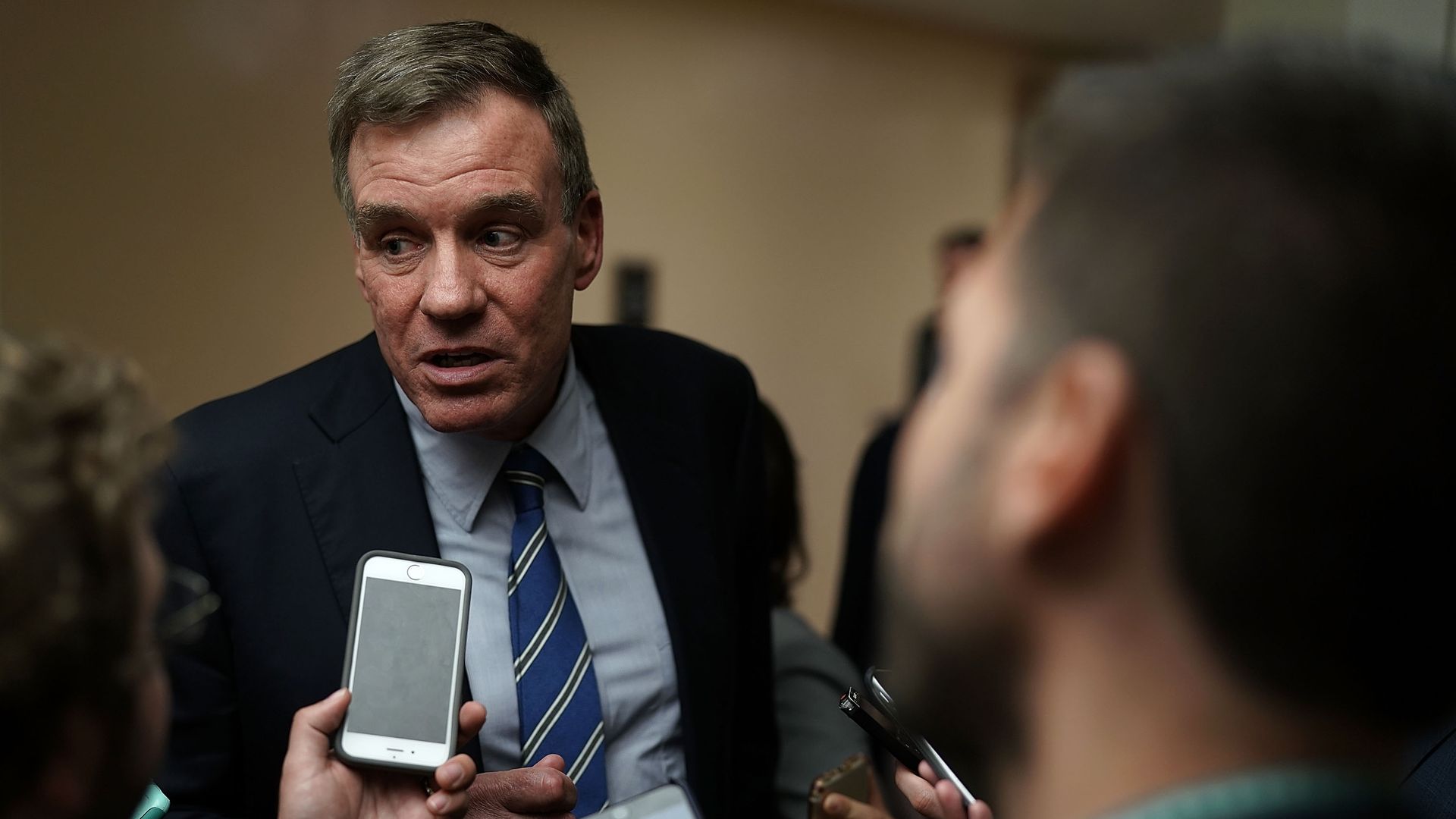
In a policy paper obtained by Axios, Sen. Mark Warner's office laid out 20 different paths to address problems posed by Big Tech platforms — ranging from putting a price on individual users' data to funding media literacy programs.
Why it matters: The paper — prepared by Senate Intelligence Committee Vice Chairman Mark Warner’s staff and circulated in tech policy circles in recent weeks — is a window t0 the options available to U.S. policymakers concerned about disinformation and privacy. Enacting any of these plans is a long shot in the near-term, but a shift in party control of Congress come November could give them more momentum.
In the 19th century, the Industrial Revolution cemented Great Britain's claims to global superiority, and later catapulted the United States into dominance. But they were not alone. Japan and Germany also arose as major industrial, military and political powers.
What's going on: In a transition that could be as momentous, the U.S. and China today are racing to master artificial intelligence. But it's no longer clear, as had seemed the case, that one or the other will hold the field to itself. According to a new study, the winner may be forced to share geopolitical sway with smaller nations like Israel, Russia or Singapore.
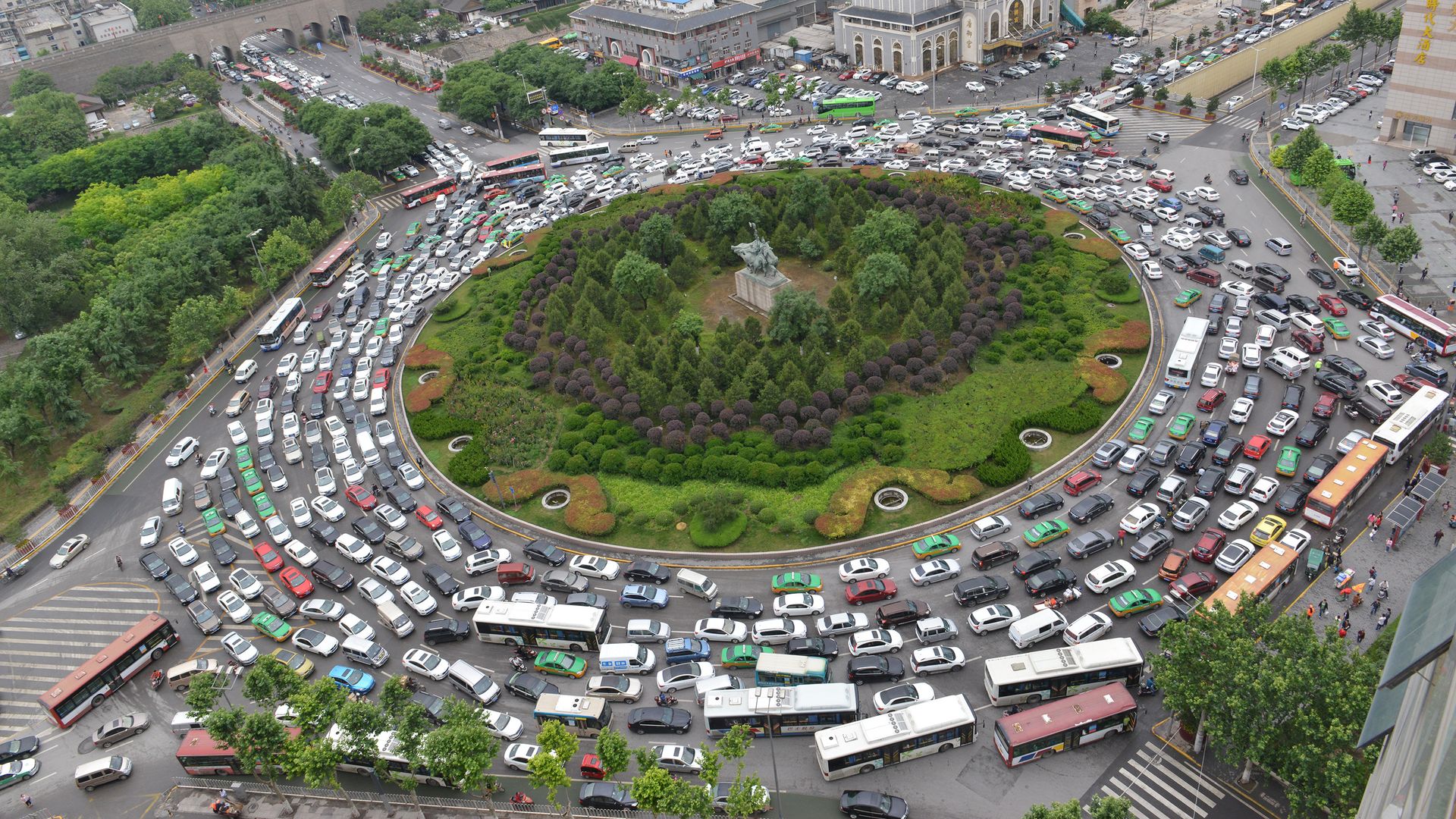
In the 1930s, New York building commissioner Robert Moses built one highway and bridge after another, with the aim of relieving congestion in America's biggest city. But each time, the result was the same: worse traffic.
What's going on: Eight decades later, transportation experts are observing a similar phenomenon with the world's newest urban innovation: ride-hailing services. According to a major new study, Uber, Lyft and their smaller rivals are clogging major U.S. cities — not relieving congestion — and even more traffic may be on the way when self-driving cars are commonplace.
Artificial intelligence experts — concerned about reported blunders with high-stakes AI systems from makers like Amazon and IBM — are urging more oversight, testing, and perhaps a fundamental rethinking of the underlying technology.
Why it matters: Wall Street, the military, and other sectors expect AI to make increasingly weighty decisions in the future — with less and less human involvement. But if the systems behave inaccurately or display biases, the consequences outside the lab could cause harm to real people.
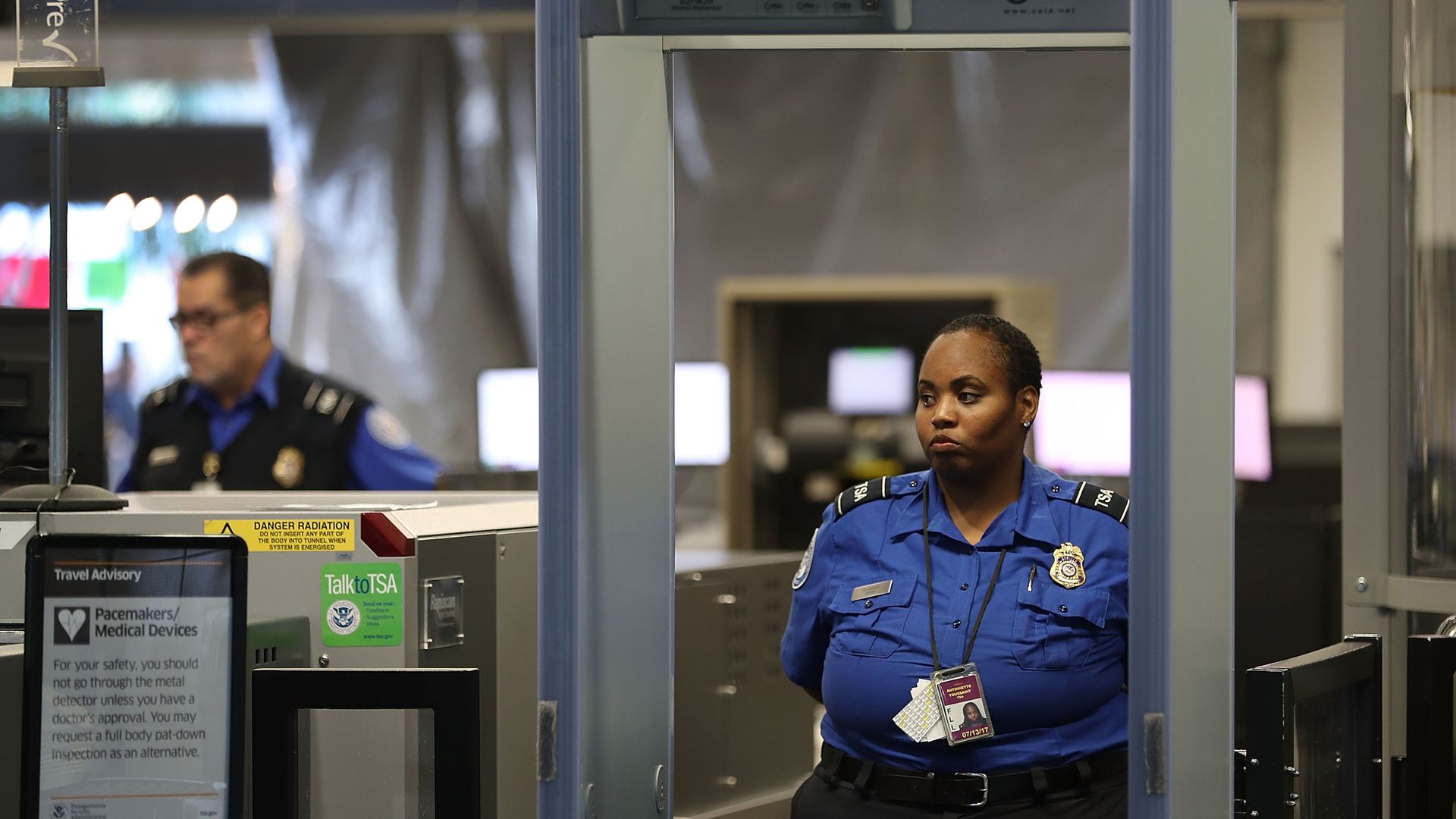
"Federal air marshals have begun following ordinary US citizens not suspected of a crime or on any terrorist watch list and collecting extensive information about their movements and behavior," reports Jana Winter, a Boston Globe Spotlight fellow.
Why it matters: Some air marshals say it's "a time-consuming and costly assignment...which saps their ability to do more vital law enforcement work."






/2018/07/29/1532885417596.gif?w=3840)