We know that Facebook, YouTube, Twitter, Instagram, Snapchat, and all the other social media platforms "moderate" the content users post, typically aiming to remove material that violates either a host country's law or the platform's own standards.
The big picture: Moderation is usually understood to be the onerous and thankless cleanup task that these social media giants have had to shoulder as they scaled up to global ubiquity. But the choices companies make about what to delete and who to boot are actually central to their identities, argues scholar Tarleton Gillespie in a new book on the subject.
Old Silicon Valley nostalgia descended upon a San Jose theater as "General Magic," a recently released documentary about a 90s startup by the same name, held its local premiere on Thursday (its initial debut was at the Tribeca Film Festival in April).
Why it matters: Though the company in the movie — an offshoot from Apple — ultimately failed, its original software product was a precursor to the PDA (personal digital assistant) and eventually the smartphone. It was also an assembly of some of Silicon Valley's future technology stars, including Tony Fadell (later co-creator of the iPod), Megan Smith (later Google exec and U.S. CTO), and Andy Rubin (later Android co-founder), among others.
Twitter shares finished Friday 20% down at market close after reporting a decline in monthly active users during the second quarter, CNBC reports.
The big picture, from Axios' Dan Primack: The trouble here isn't revenue (it beat estimates) or earnings (it hit its number). Instead, it's about a decline in "monthly active users," a figure that was depressed for reasons like new privacy rules in Europe, a purging of fake/abusive accounts, and not moving to paid SMS carrier relationships.
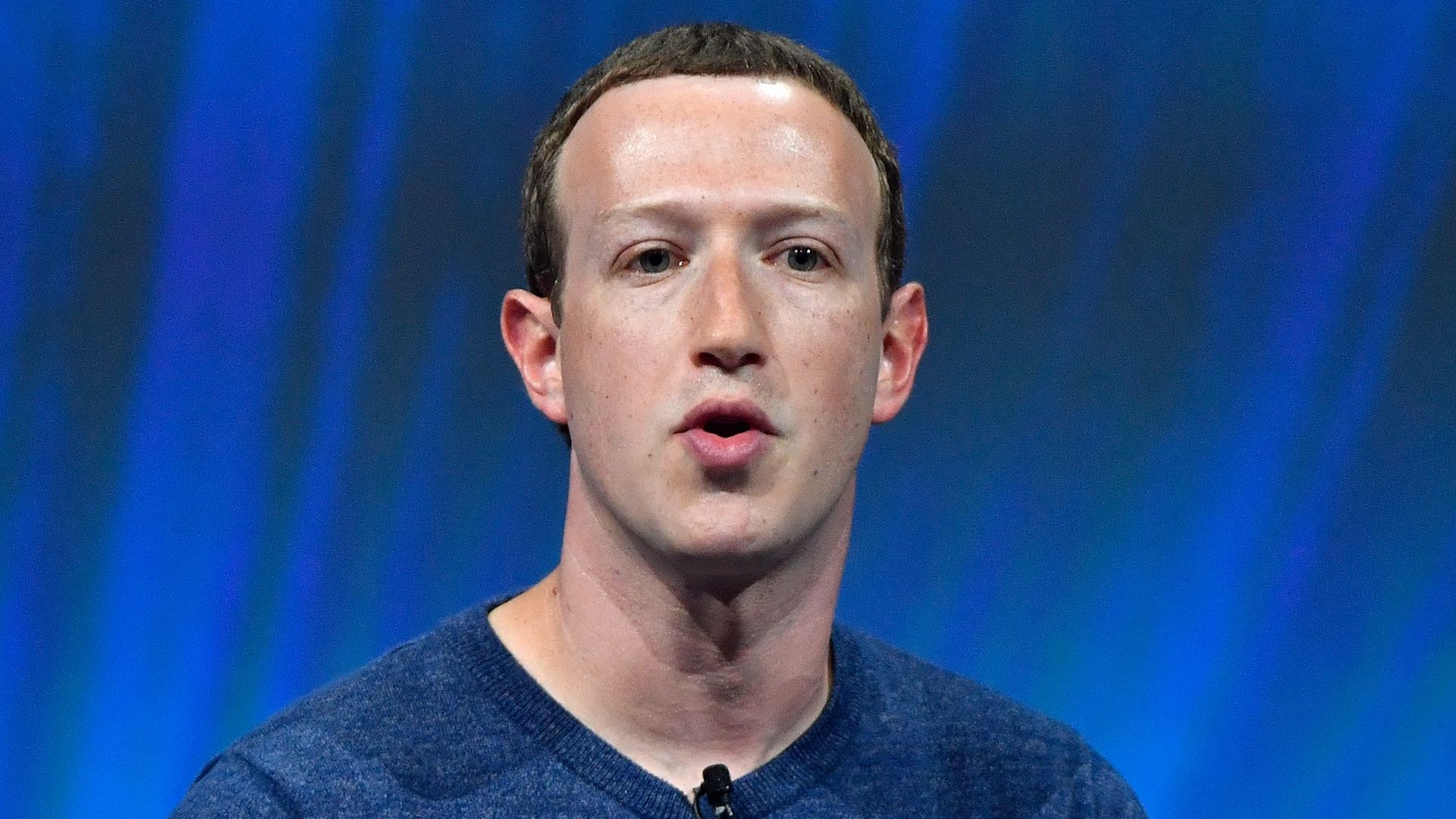
Paul Packer, appointed by President Trump as chairman of the U.S. Commission to Preserve America’s Heritage Abroad, an independent government agency, has sent an official letter to Mark Zuckerberg condemning his comments on Holocaust denial and calling on Facebook to change its content policy.
Axios has obtained a copy of the letter, posted in full below, in which Packer puts pressure on Zuckerberg to meet his "ethical obligation" and not allow "further destruction" of history. Packer also invited Zuckerberg to join the Commission on a trip to countries previously under Nazi control in order to "educate" him about the importance of preserving history.
It may not have the traditional moat to fend off competition, but Slack has nonetheless managed to build quite the castle by out-executing its rivals.
Why it matters: Everyone in business software looks at Slack and says "I can do that." Yet most have flopped spectacularly, while Slack continues to power ahead even as Microsoft, Google and others remain in the hunt.
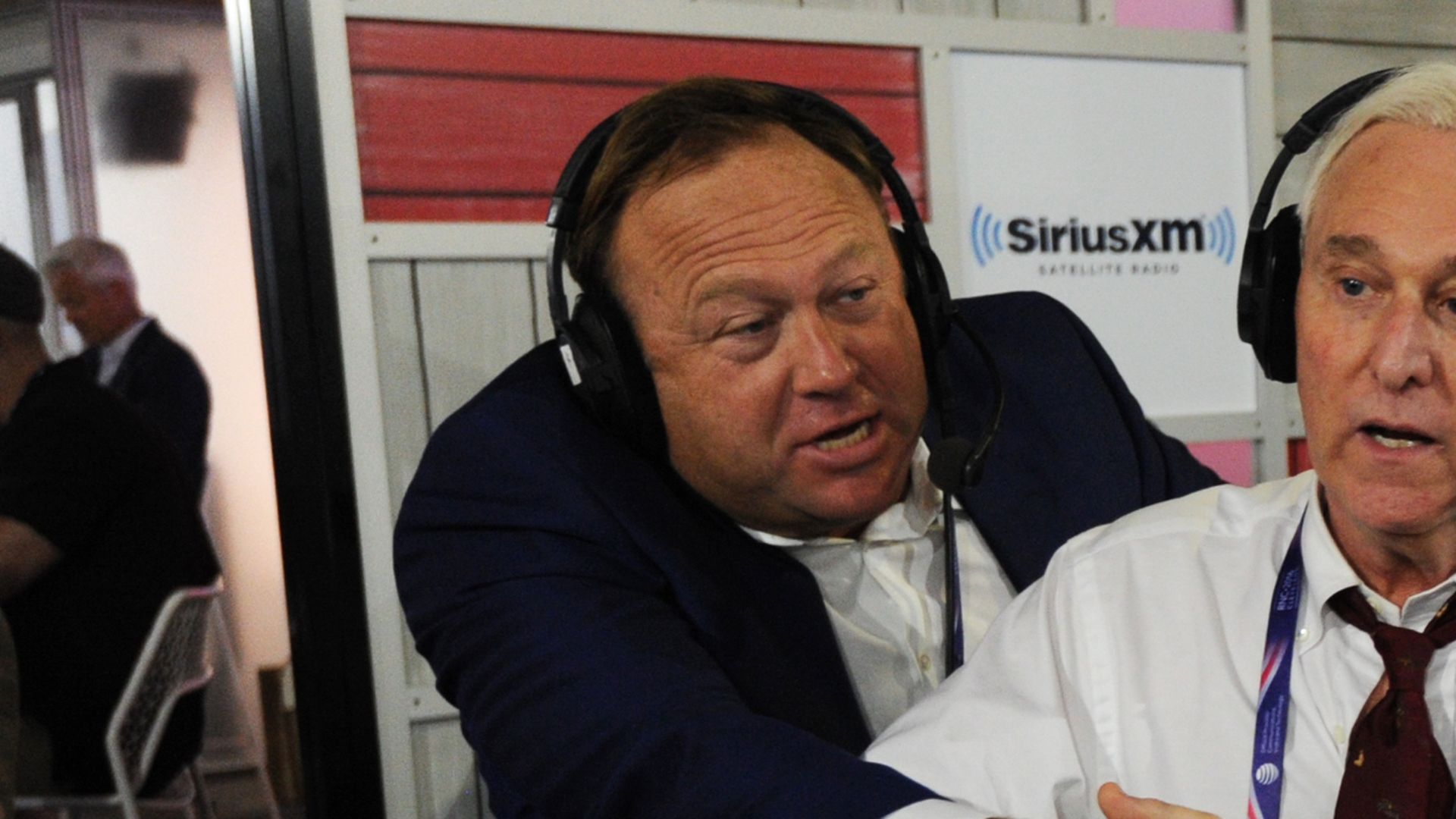
The founder of popular right-wing conspiracy site InfoWars has been banned from Facebook for a month, CNET reports, just a day after YouTube took down some of his videos and suspended his ability to broadcast live on their platform for 90 days.
Why it matters: Tech companies — including Twitter, Facebook and YouTube — are working to rein in content that is false or may incite violence, but some conservatives are alleging bias. The InfoWars page itself has not been banned.
Qualcomm yesterday disclosed that it will pay $2 billion to Dutch chipmaker NXP, after pulling the plug on a $44 billion takeover attempt.
The big picture: Qualcomm, which declined comment, seems to have made a $2 billion bet in April that trade tensions between the U.S. and China would settle down by mid-July. Perhaps it thought it really understood President Trump, since he had just saved it from a hostile takeover by Broadcom. It was wrong.
The big picture: That still doesn't beat out other major tech giants like Microsoft and Alphabet, per Stevens, but it is the third quarter in a row that showed profits of more than $1 billion.
Facebook's $120 billion stock drop — a company's biggest one-day loss of market value in U.S. history — isn't solely about Facebook, Felix Salmon,Slate columnist and "Slate Money" podcaster, writes in a special guest analysis for Axios.
Why it matters: The 19% plunge reflects the fragility of the tech sector as a whole. And it's all the proof you need that tech investors have moved from greed to fear.
Both Silicon Valley and privacy advocates are eyeing the potential for federal privacy legislation after California lawmakers passed their own sweeping measure.
Why it matters: In the wake of California’s bill and the recently-enacted General Data Protection Regulation in the European Union, industry may prefer a single national standard — and privacy advocates may applaud, too, preferring even partial nationwide rules to none at all.
American companies eager to enter China’s massive market brace themselves for potential intellectual property theft or forced technology transfers. But there’s another threat at play: their technology is being used for surveillance.
The big picture: China has sophisticated systems of state surveillance, and elements of these systems have long been powered by technologies developed by American companies. Beijing has used U.S. tech to surveil its citizens, violate human rights and even modernize its military.