Facebook is being used for a coordinated disinformation campaign again — but this time, it's getting way out in front of the threat, before it's even clear where the threat is coming from.
Why it matters, per the Axios tech team: It shows that social media interference didn't end with the 2016 election. This disinformation campaign, like the one in 2016, appears aimed at sowing discord to create feedback loops encouraging people to push against the establishment.
Apple not only exceeded sales and earnings estimates for the past quarter, but also sees revenue for the coming three months ahead of what many analysts were expecting.
Why it matters: Apple's guidance is particularly closely watched as an indication of what to expect from the next iPhone lineup.
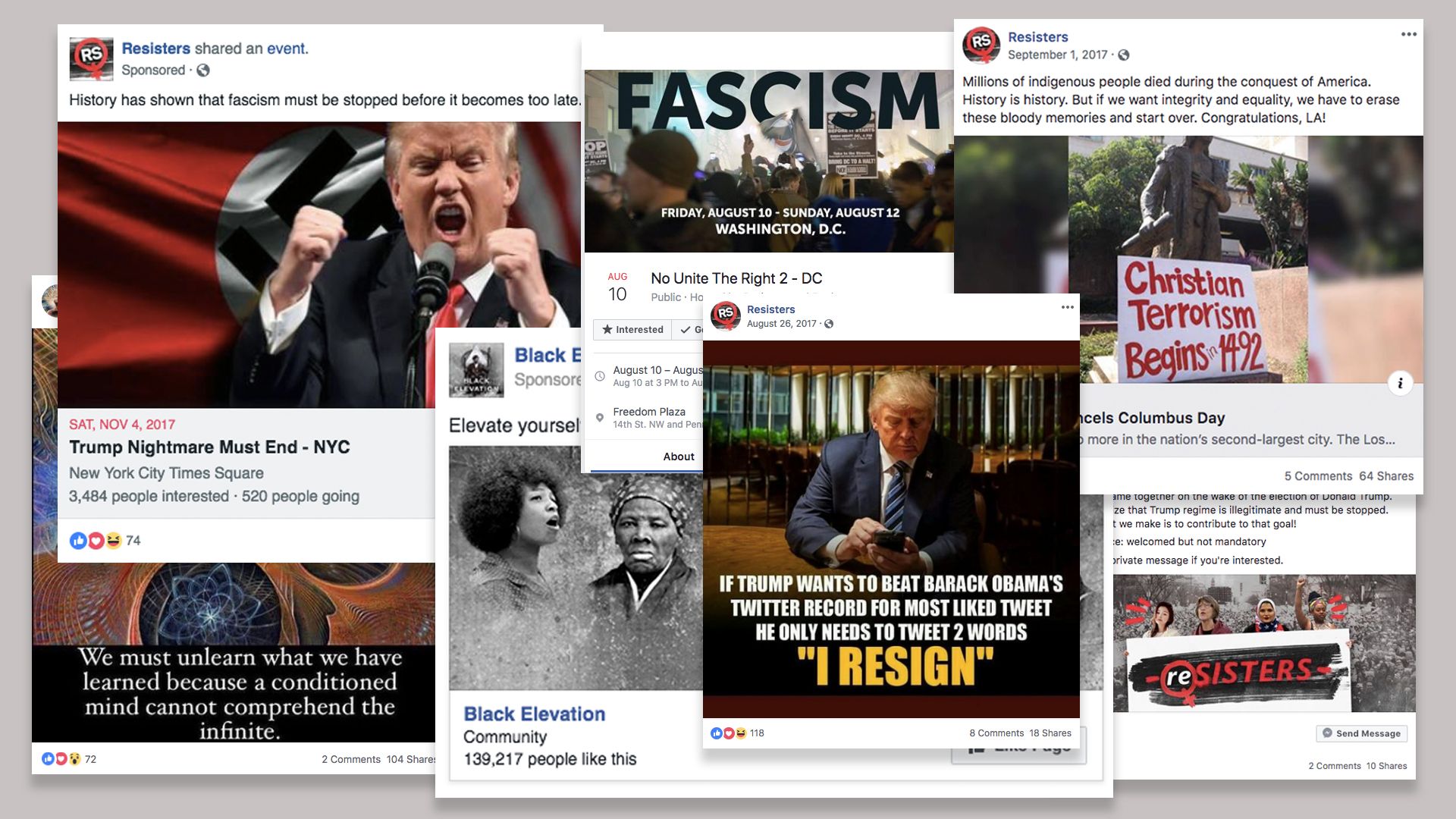
Facebook revealed today it has uncovered a new political disinformation campaign on its platform, which included eight Facebook pages and 17 profiles, one of which had 290,000 followers, per Facebook.
Why it matters: Some of the activity displayed in this campaign, including planning events, mimics the activity the Russian Internet Research Agency (IRA) ran in its efforts to influence the U.S. elections in 2016. Facebook has not yet identified who is behind this most recent campaign, but has removed the pages and accounts.
Facebook said Tuesday it has identified a coordinated campaign of disinformation, with some content linked to contentious social issues, as the midterm elections approach.
Why it matters: Online interference in the 2016 election by Russian operatives wasn’t an isolated incident. Just three months ahead of mid-term elections, social networks and policymakers are trying to contain disinformation campaigns meant to divide and sway the American electorate, regardless of where it comes from.
Federal officials are doubling down on sounding alarms about the risks of supply-chain security threats — attacks where hackers sabotage software or hardware before it's sent to the customer — with warnings to businesses up against the theft of intellectual property, federal contractors up against espionage and telecoms who will soon face large-scale buildout of 5G networks.
Why it matters: It's difficult to extract supply-chain-vulnerable products from the market. Many devices and networks include components from a variety of companies from all over the world, providing ample opportunity for bad actors to interfere. Banning certain products can combat such threats, but can also cause friction: Just look at the recent call to remove ZTE and Huawei products from the telecom networks.
On Friday, Wired's Emily Dreyfuss joined a growing chorus of voices advocating that we delete our tweets and use an app to automatically delete future posts.
The bottom line: Prominent figures in industries like Hollywood, sports, and even media increasingly find themselves embroiled in controversies over old tweets that are racist, sexist or homophobic coming back to haunt them.
A group of Democratic lawmakers want the Government Accountability Office to look at how companies and law enforcement agencies use facial recognition technologies.
Why it matters: Both Amazon and Microsoft have invited the government to lay out its views on the proper use of facial recognition technology. On the one hand, that introduces the possibility of regulation. On the other, the companies know that Congress is far from passing any actual legislation on the issue.
Yahoo Finance is launching a full-day live video streaming network by the end of the year, three sources familiar with the plans tell Axios.
Why it matters: It’s the latest example of a digital-native news outlet getting into streaming news to capture more audience attention on mobile and to compete for television dollars.
Artificial intelligence powers modern conveniences like smart assistants and spam filters, and it’s behind new developments in business, industry and the military. But while today’s AI can solve complex problems, it’s still far from approximating human intelligence.
Here’s why some researchers say that to get there, we should start by teaching computers to think like toddlers.
Axios Managing Editor Kim Hart led a July 18th roundtable discussion on ethics and bias in new technologies and the responsibilities that fall to government, the private sector and individuals.
The big picture: Guests offered cross-sector perspectives on how explainability, accountability and transparency fit into tech responsibility.
Twitter has selected two proposals to study user interactions and discourse since putting out a call in March for help in measuring "conversation health" on its service.
Why it matters: A growing number of users have been taking time off Twitter, using it less, or quitting it altogether in recent times as they say the service has become mentally toxic.
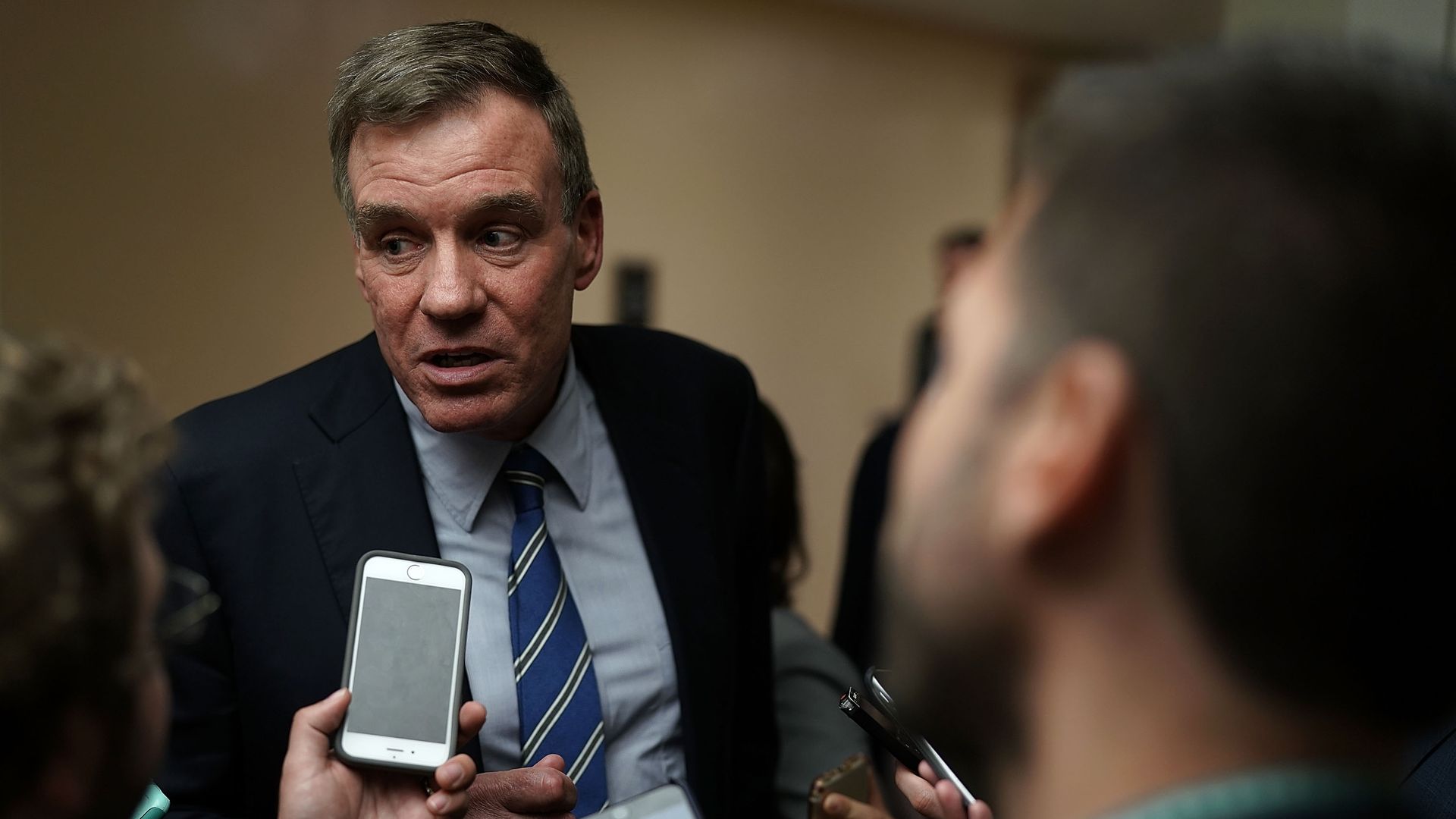
In a policy paper obtained by Axios, Sen. Mark Warner's office laid out 20 different paths to address problems posed by Big Tech platforms — ranging from putting a price on individual users' data to funding media literacy programs.
Why it matters: The paper — prepared by Senate Intelligence Committee Vice Chairman Mark Warner’s staff and circulated in tech policy circles in recent weeks — is a window t0 the options available to U.S. policymakers concerned about disinformation and privacy. Enacting any of these plans is a long shot in the near-term, but a shift in party control of Congress come November could give them more momentum.