A shift to connected and automated vehicles (CAVs) could reduce the energy consumed by the U.S. light-duty fleet by 60% — or it could triple it, according to National Renewable Energy Laboratory estimates. The range stems partly from differing expectations of the engineering performance of CAVs and their associated infrastructure, but much more so from their anticipated levels of use.
Why it matters: CAVs are seen by some to herald a lower-energy future, but they could actually have the opposite effect if their convenience spurs more driving.
After Uber's announcement early Tuesday morning that it will no longer require mandatory arbitration for sexual assault and harassment claims from riders, drivers, and employees, Lyft is following suit with the same changes. It also plans to eventually release a report wth data about safety incidents.
Why it matters: Mandatory arbitration has been criticized as a way for companies to silence victims and hide illegal behaviors.
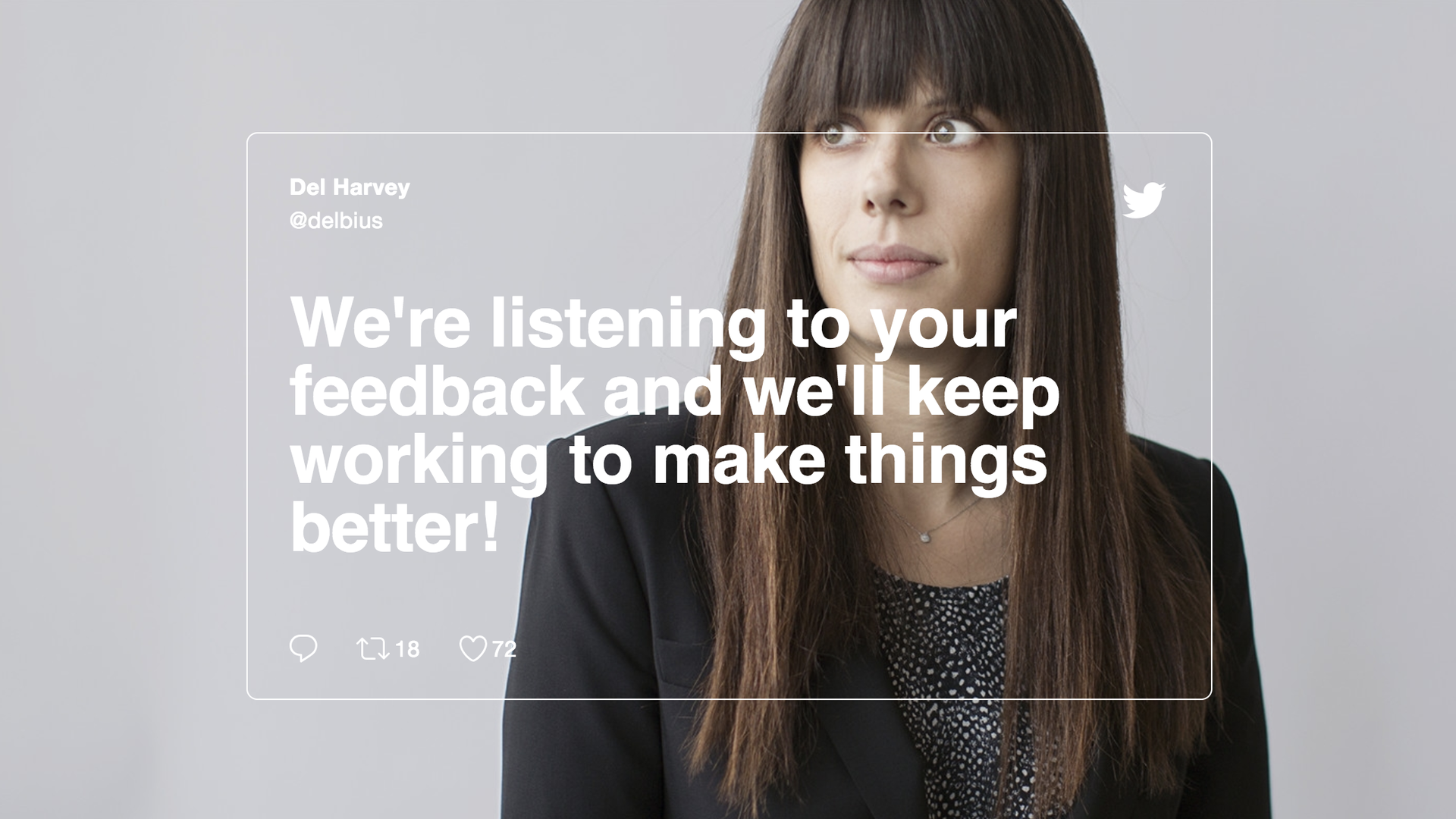
Twitter plans to less prominently feature potentially abusive comments, a move it says shows promise in helping combat the impact of "trolls" on its site.
Why it matters: While social networks are under fire for a variety of issues, Twitter has been particularly criticized for its lack of ability to keep abusive posts off its site despite repeated promises to improve.
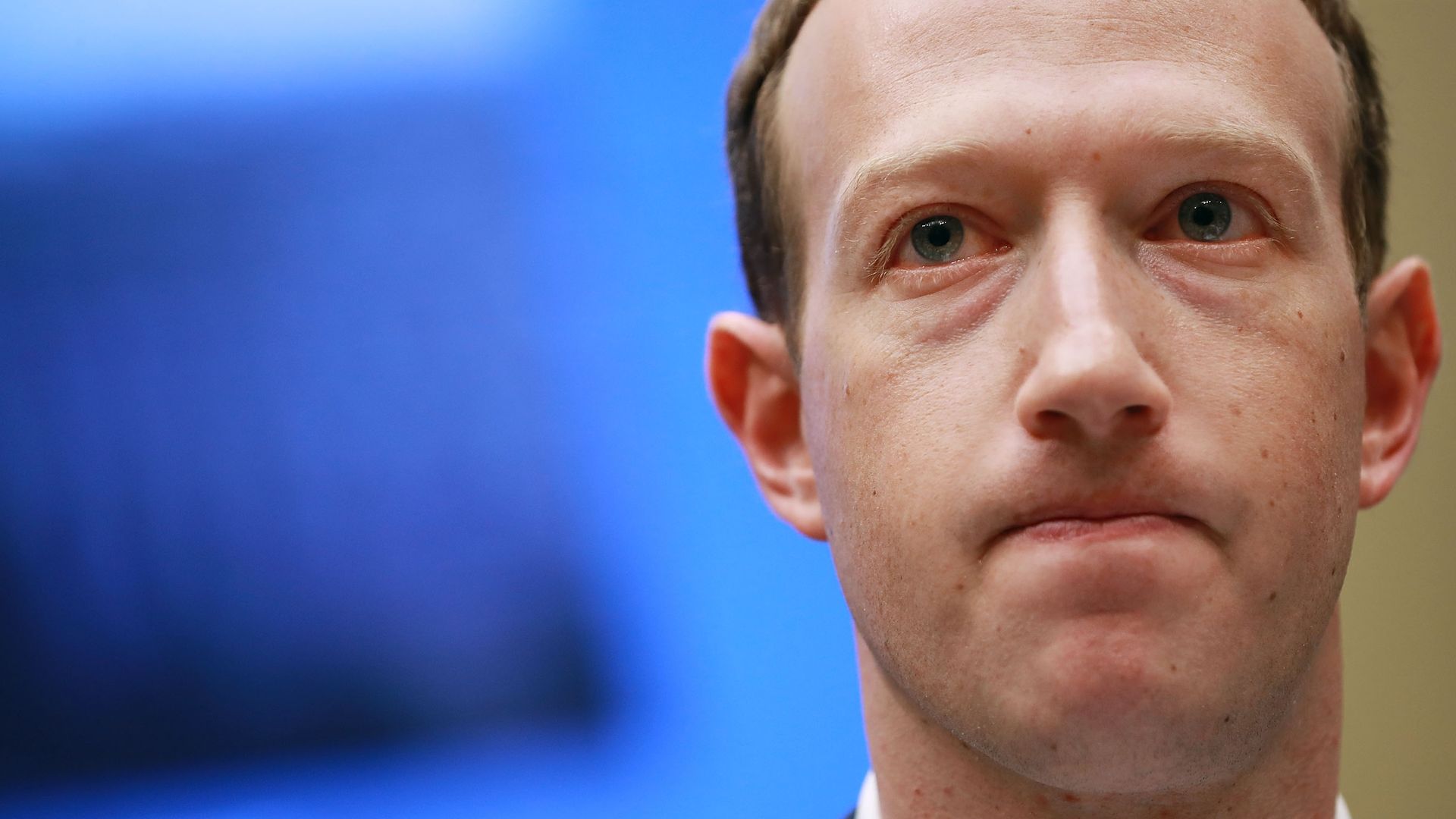
A Facebook staffer told British lawmakers that CEO Mark Zuckerberg "has no plans to meet with the committee or travel to the U.K. at the present time" — but added the company takes its inquiry into fake news seriously.
The big picture: Damian Collins, the member of Parliament who chairs the panel, said in a statement it might be willing to hear Zuckerberg testify via a "video link, if that would be the only way to do this during the period of our inquiry."
Members of Parliament had said they might legally compel him to testify if he traveled to the U.K., and the European Parliament has also been pushing to take his testimony.
Amazon is "disappointed" by Seattle's decision to impose a per-worker tax on large companies to help pay toward the city’s homelessness and affordable housing crises — with Amazon Vice President Drew Herdener saying that the decision "forces [the company] to question our growth here," per Recode.
“We are disappointed by today’s City Council decision to introduce a tax on jobs. While we have resumed construction planning for [Amazon's Seattle campus expansion] Block 18, we remain very apprehensive about the future created by the council’s hostile approach and rhetoric toward larger businesses, which forces us to question our growth here.”
"Automation is leading to job growth in certain industries where machines take on repetitive tasks, freeing humans for more creative duties," The Wall Street Journal's William Wilkes reports.
The big question: "In which industries does automation help both employer and employee?"
Intersection, the Alphabet-backed smart cities startup known for creating free internet kiosks for cities, is pushing to make free internet accessible in as many major cities as possible across the globe.
Why it matters: As more aspects of our daily lives — from healthcare to communication to travel — become dependent on internet-connected devices, the concept of providing internet as a public good is becoming more widespread.
In a surprise move, Uber said on Tuesday it is changing its long-standing policy of mandatory arbitration to exempt employees, drivers, and riders in cases of sexual harassment and assault.
Why it matters: Mandatory arbitration clauses for employees and customers have been criticized (including by Uber whistleblower Susan Fowler) because companies can use them to keep victims silent and hide potentially illegal activities.
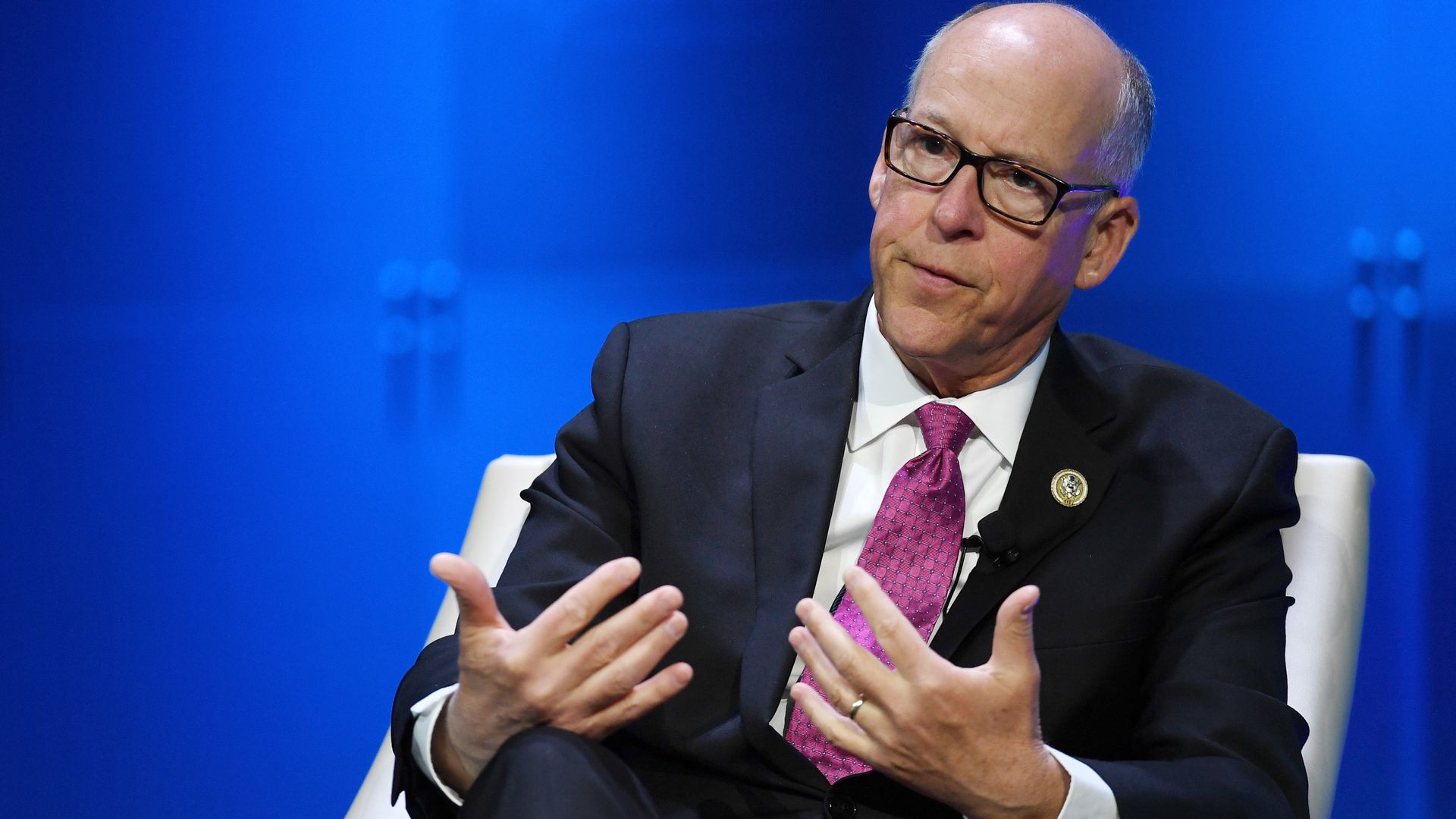
In a San Francisco Chronicle op-ed, House Energy & Commerce Committee Chairman Greg Walden sent a message to Silicon Valley CEOs: If you don't want Congress to regulate you, you'd better come talk to us.
Why it matters: Tech CEOs aren't off the hook from Congress. "Come and testify before our committee, explain your business model, and enlighten consumers about how your industry affects their daily lives," Walden wrote. "Trust me, it’s much easier to testify at a congressional hearing before your company gets caught up in a scandal."
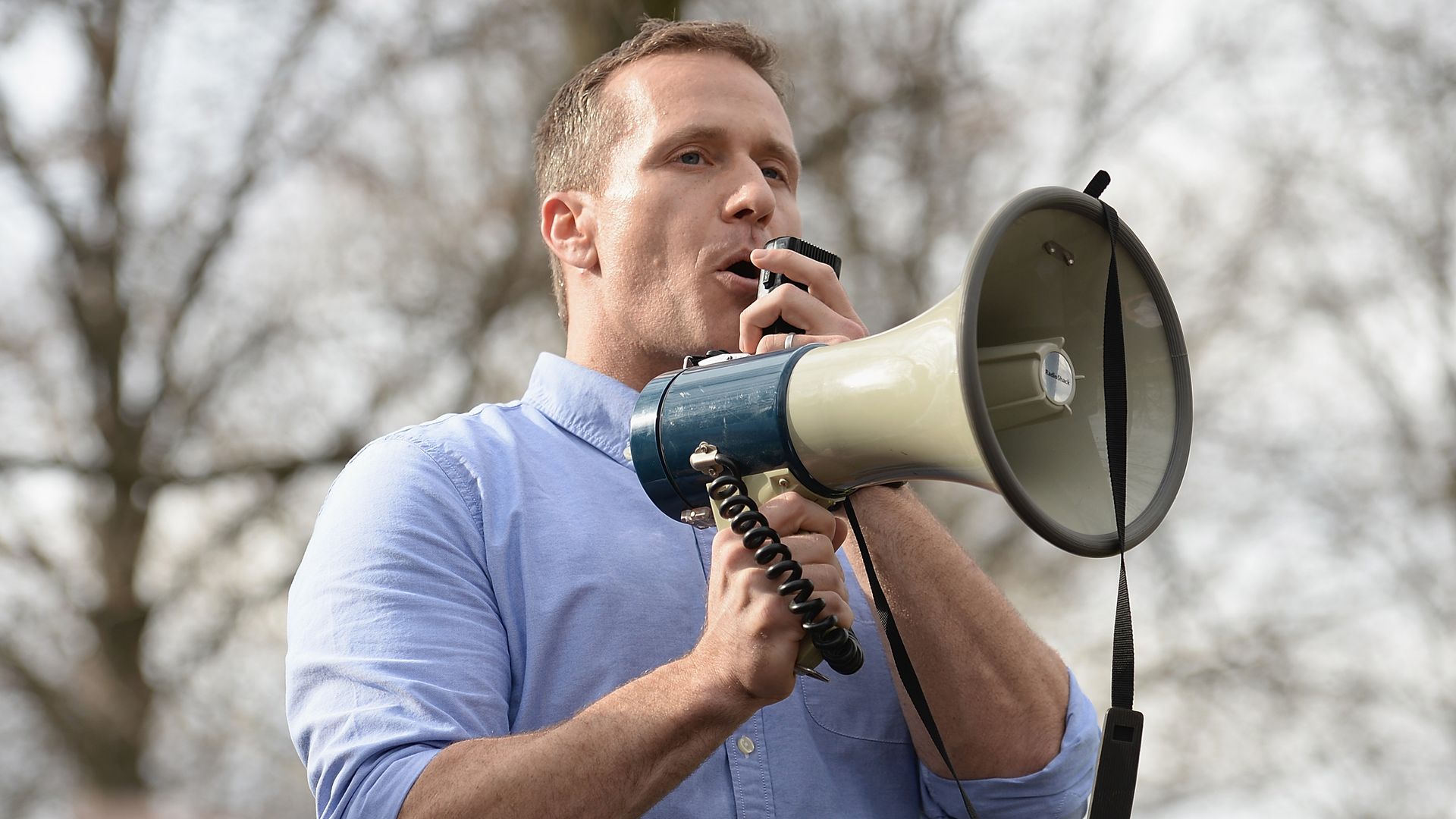
The criminal charges against Missouri Gov. Eric Greitens, who was indicted by a St. Louis grand jury on felony invasion of privacy, have been dropped after Greitens' defense team planned to call St. Louis Circuit Attorney Kim Gardner, who was prosecuting the case, to the witness stand, per the Kansas City Star. Gardner's office has requested that a special prosecutor refile the charges against Greitens.
The background: Greitens allegedly blackmailed a woman with whom he had an extramarital affair with photos taken while she was blindfolded and had her hands tied, threatening to make them public if she went public with the affair. Greitens has denied the allegations.
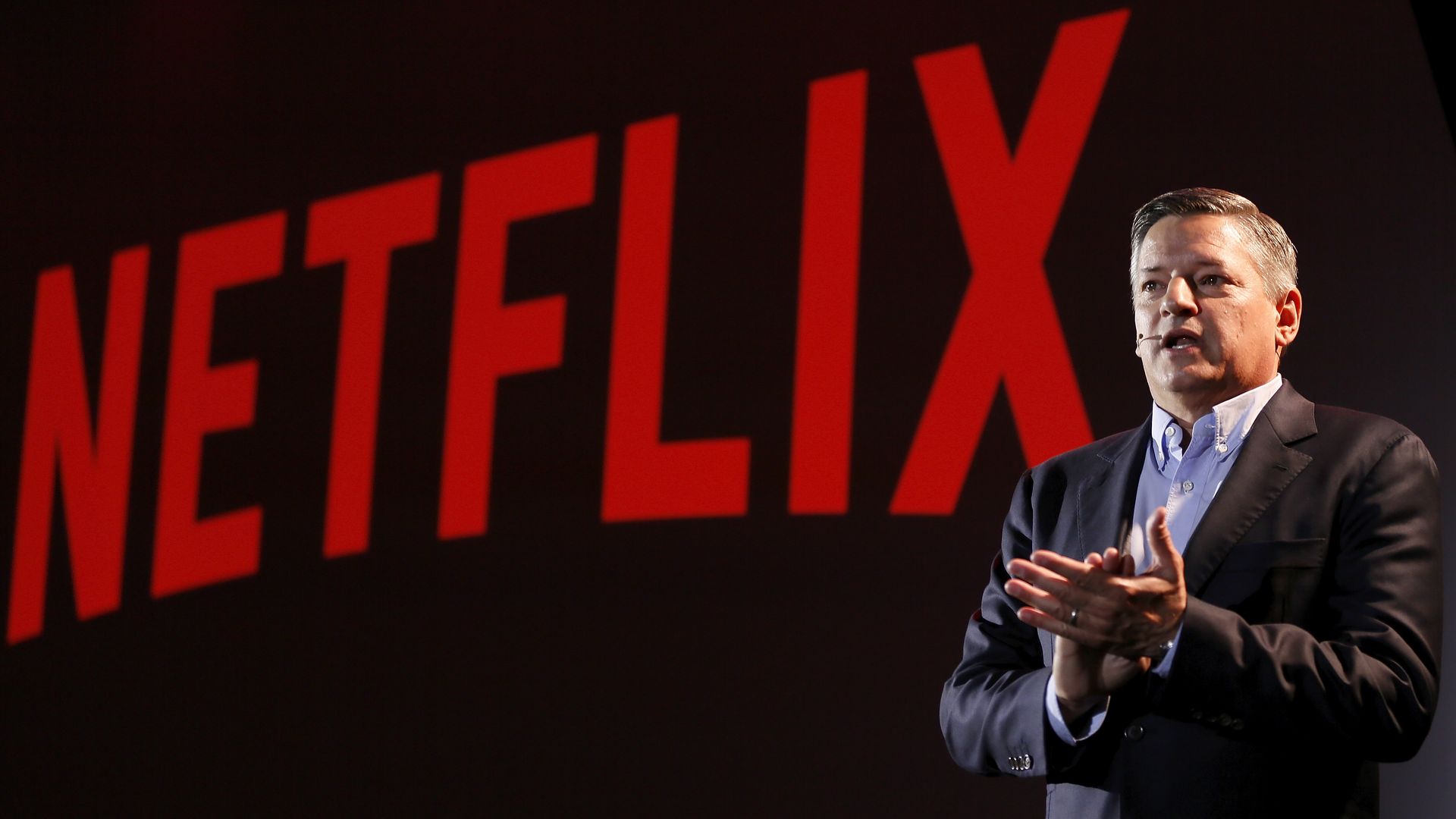
Netflix chief content officer Ted Sarandos said Monday that the streaming giant plans to spend 85% of this year's estimated $8 billion content budget on original series, Variety reports.
Why it matters: Netflix isn't just competing with other subscription video on-demand companies, like Hulu and HBO, for eyeballs, but also legacy media companies, tech companies and telecom firms that are also creating their own streaming properties and funding original content projects.
Several Google employees have resigned in recent weeks in protest of the company's involvement with a military system known as Project Maven, which uses artificial intelligence to review drone footage and quickly identify certain people and objects, Gizmodo reports.
Between the lines: In addition to the resignations, more than 4,000 employees have voiced their opposition to the project in an internal petition, which urges Google to stop working with the Defense Department and to avoid getting involved with future military contracts. According to Gizmodo, the criticism centers both on ethical concerns over the use of artificial intelligence in drone warfare, as well as issues with company transparency regarding controversial business decisions.
Facebook said Monday morning that it had suspended "around 200" applications on its platform — out of "thousands" that have been reviewed — so that it can pursue a deeper probe into whether they misused data.
Why it matters: The social giant is investigating the possibility that other developers with access to large amounts of their user data gathered and mishandled information, like Cambridge Analytica, the Trump-linked firm whose data harvesting set off a privacy reckoning for Facebook.
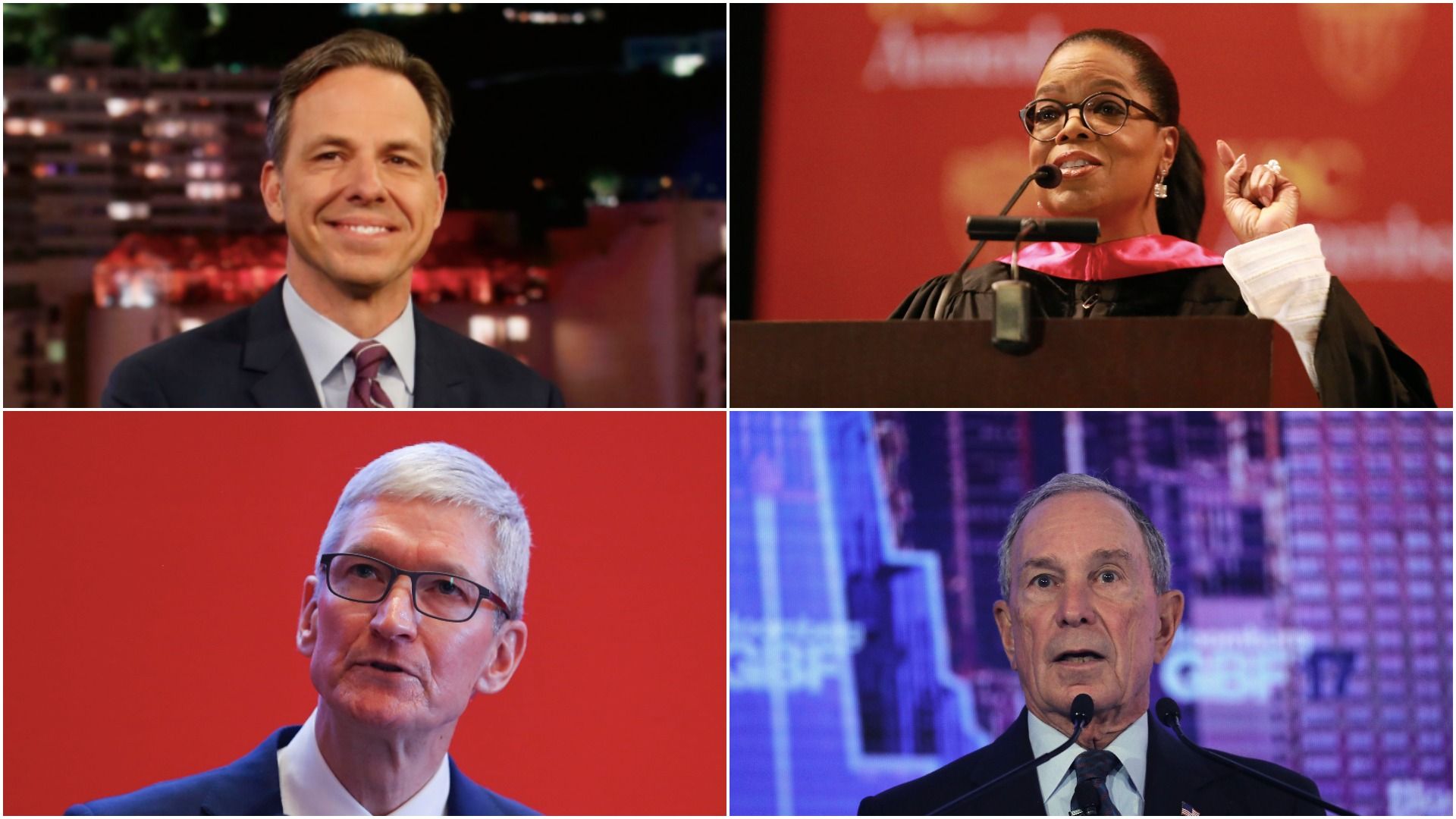
Weekends in May are filled with commencement addresses from the country's entertainers, CEOs and politicians to the new class of college graduates. This season Oprah Winfrey, Jake Tapper, Michael Bloomberg and Tim Cook have made the rounds.
Sign of the times, from Tapper's address to graduates at UMass Amherst: "The very notion of empirical fact is being attacked and corroded. ... People decide about an article's validity based only on its headline or the language in the tweet linking to it. They judge books by their covers ... I urge you to read the story. I urge you to think for yourself. I urge you to click the link."
Apple has become the textbook example on how to grow a business in today's market while route to becoming a $1 trillion company.
"Study this one company [Apple], and you can understand the five most meaningful market trends today," Financial Times global business columnist Rana Foroohar writes (subscription).
Didi Chuxing, China's biggest ride-hailing company, has received a permit to test self-driving cars on California public roads, according to an update to the state's DMV website, first noticed by the Financial Times.
Why it matters: Didi is playing catch up to other tech companies working on self-driving cars. It opened a Silicon Valley research office last year.