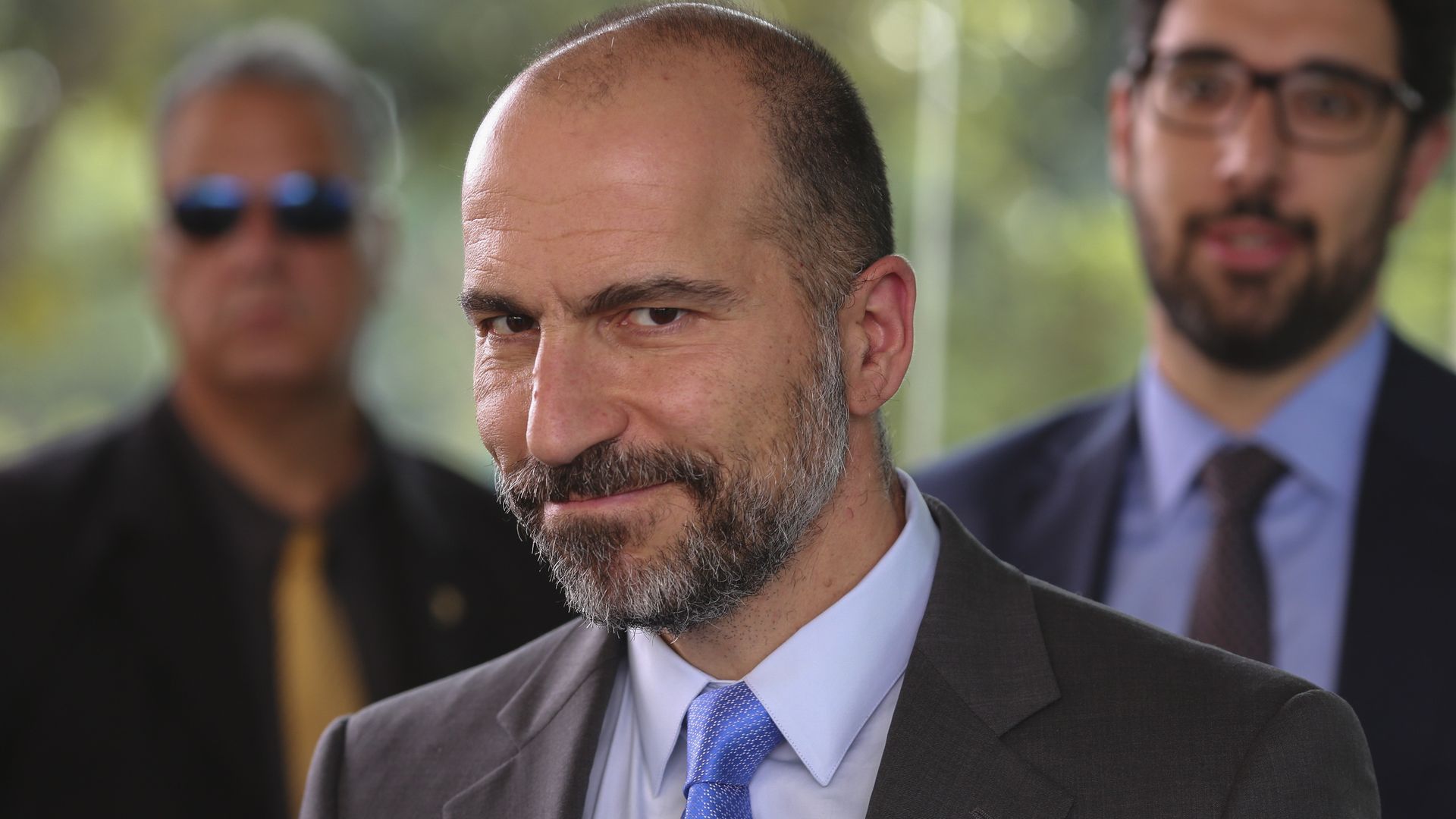
From next week's issue of The New Yorker ... "Letter from Silicon Valley: At Uber, a New C.E.O. Shifts Gears: Dara Khosrowshahi is charged with turning the scandal-plagued startup into a traditional company — without sacrificing what made it successful," by Sheelah Kolhatkar:
Why it matters: "Uber has been criticized for taking advantage of its drivers, who work without job security or benefits, and whose commissions the company has reduced more than once. Shortly before Kalanick’s departure, Uber realized that this was a strategic mistake — the company needed to attract drivers ... if it wanted to continue to grow. Many riders, meanwhile, felt increasingly uncomfortable using the app, which had come to symbolize gig-economy exploitation. Courting drivers is now a priority at the company."
Facebook's mission of "connecting people" justifies aggressive "growth tactics" and even collateral deaths, Facebook vice president Andrew “Boz” Bosworth wrote in a 2016 memo, BuzzFeed reports.
Key quote: "So we connect more people. That can be bad if they make it negative. Maybe it costs a life by exposing someone to bullies. Maybe someone dies in a terrorist attack coordinated on our tools. And still we connect people."
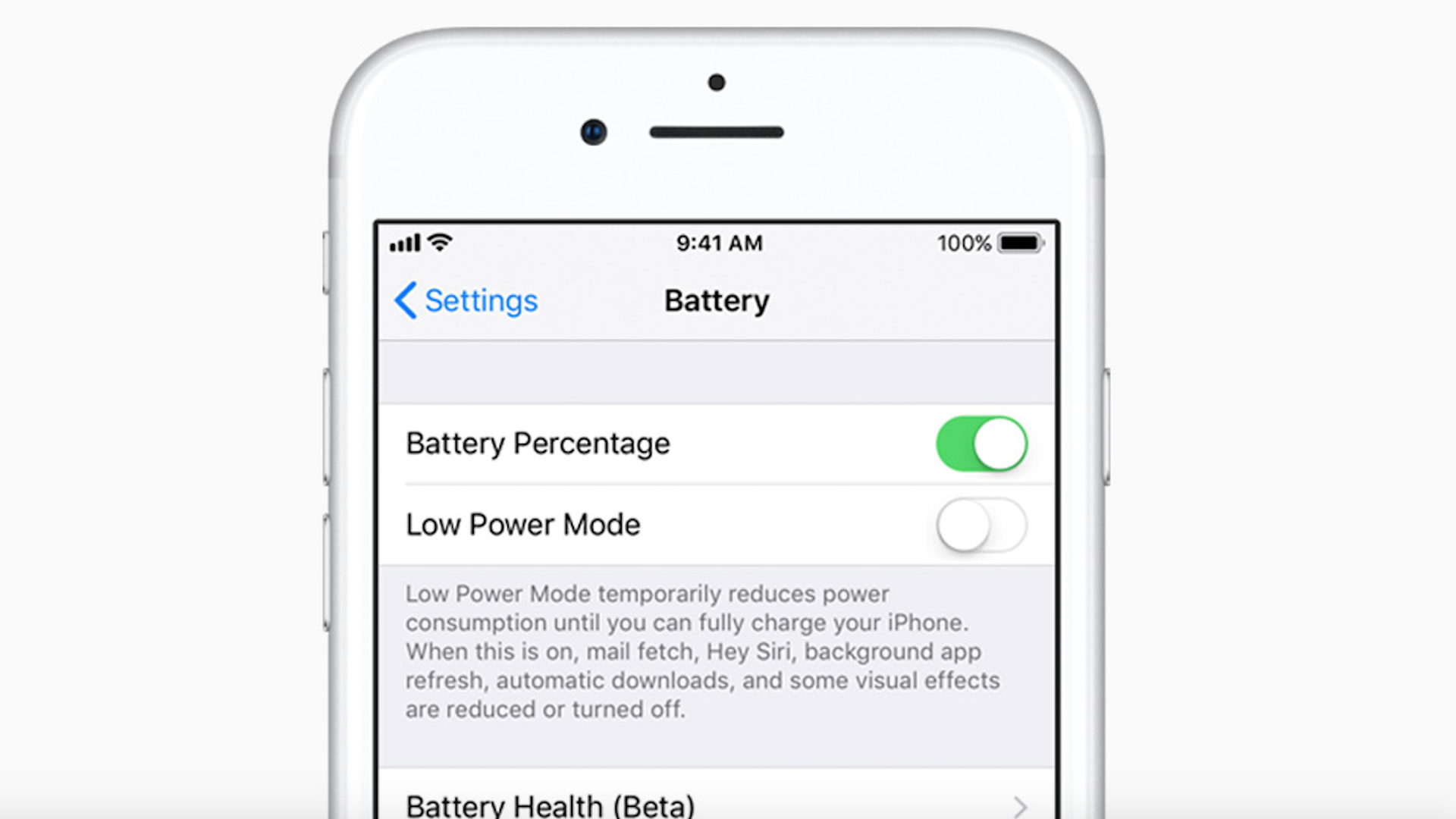
Apple is out with an update to iOS that lets users see the health of their phone's battery and turn off a controversial feature that slows the iPhone's performance on devices with older batteries.
The bottom line: Just because you can doesn't mean you should. Apple only slows performance on devices where the battery can't perform at full throttle without risking crashing the phone.
As Amazon shares have sank on the news that President Trump hates the tech giant and broader concerns about tech regulations, several other retail stocks have jumped upward.
Bottom line: What's bad for Amazon is often good for other retailers.
Data: Money.net; Note: Each of the non-Amazon above companies finished trading Wednesday higher than they did on Tuesday, except for Home Depot and Under Armour; Chart: Axios Visuals
Facebook said it is looking at expanding its political ad transparency regime to include ads about political issues, not just those that outright name candidates. But executives wouldn't say when they plan to make that change.
Why it matters: Many of the Russian ads used on Facebook in the 2016 election were about divisive issues, not specific candidates. And the midterms are in just over seven months.
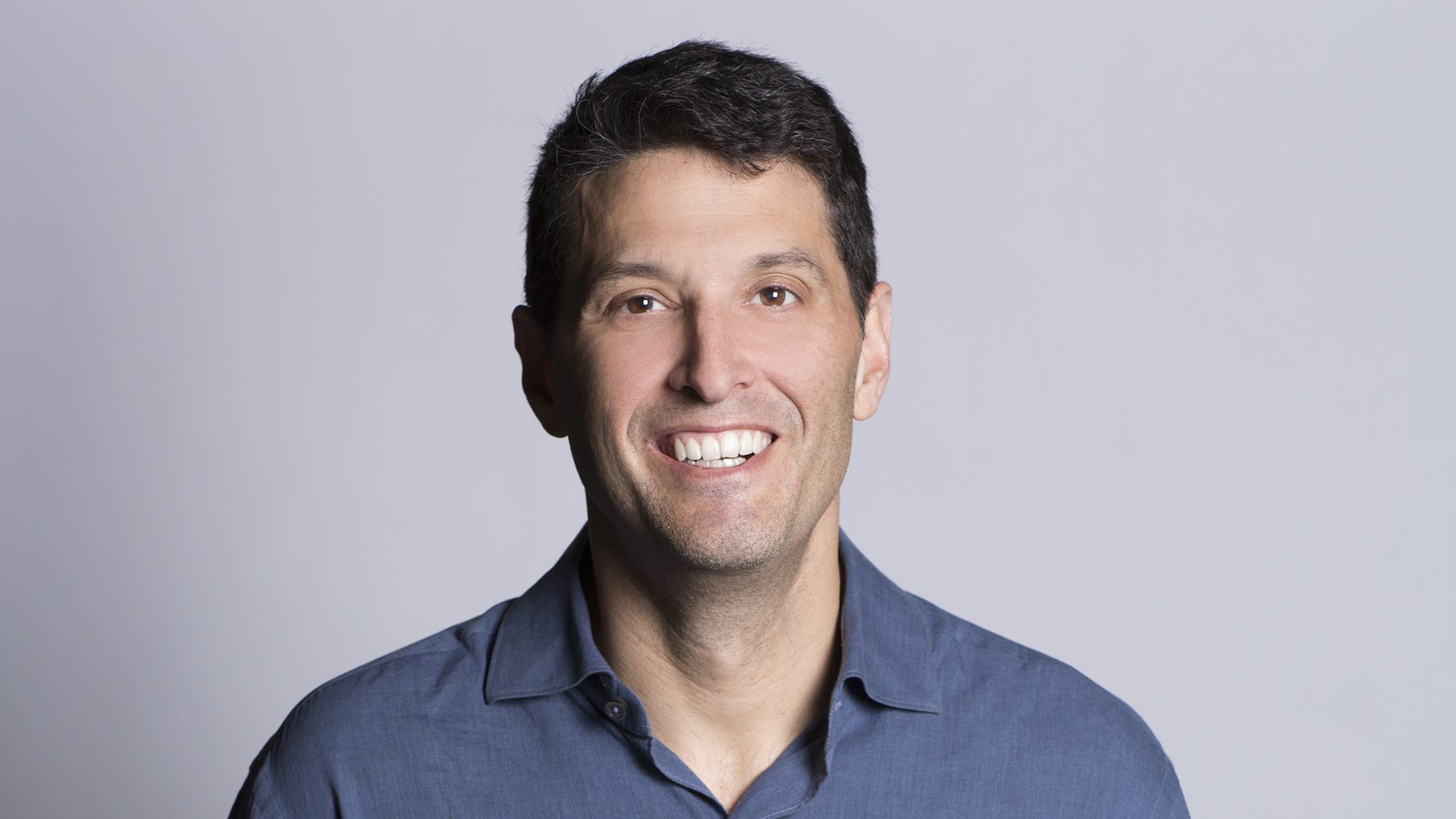
Terry Myerson, the head of Windows and a 21-year company veteran, is leaving the software maker amid a broader reorganization.
Why it matters: Myerson has been leading Microsoft's efforts to transform Windows from a piece of software that gets updated every couple of years into a more regularly updated product.
Snap Inc. is laying off 100 people, Bloomberg reports. Most of the jobs being eliminated are in sales, but a few are in other functions, according to sources within the company.
Why it matters: This is the latest of several rounds of layoffs at the company, as it undergoes a restructuring both to bring more people to its headquarters in Los Angeles and to focus more on new company priorities, like Snapchat's redesign. Sources say this round of layoffs will largely be the last for now.
To the degree that people are concerned about the amount of data being collected by Big Tech, Apple would seem to be the big beneficiary. It gets its money from selling products (and to a lesser degree content and services) rather than through advertising.
Why now: It's a point CEO Tim Cook has been driving home after Facebook's big privacy lapse, including during an interview on Wednesday with Recode's Kara Swisher, when he said:
"The truth is, we could make a ton of money if we monetized our customer — if our customer was our product. We’ve elected not to do that."
In a morning tweet, President Trump reacted to yesterday's report from Axios' Jonathan Swan that he is "obsessed" with Amazon's effects on American retail, which caused Amazon's stock price to lose billions in value during yesterday's trading. Trump also claimed that the U.S. Postal Service is Amazon's "Delivery Boy," even though a source told Axios yesterday, “It's been explained to him in multiple meetings that his perception is inaccurate and that the post office actually makes a ton of money from Amazon."
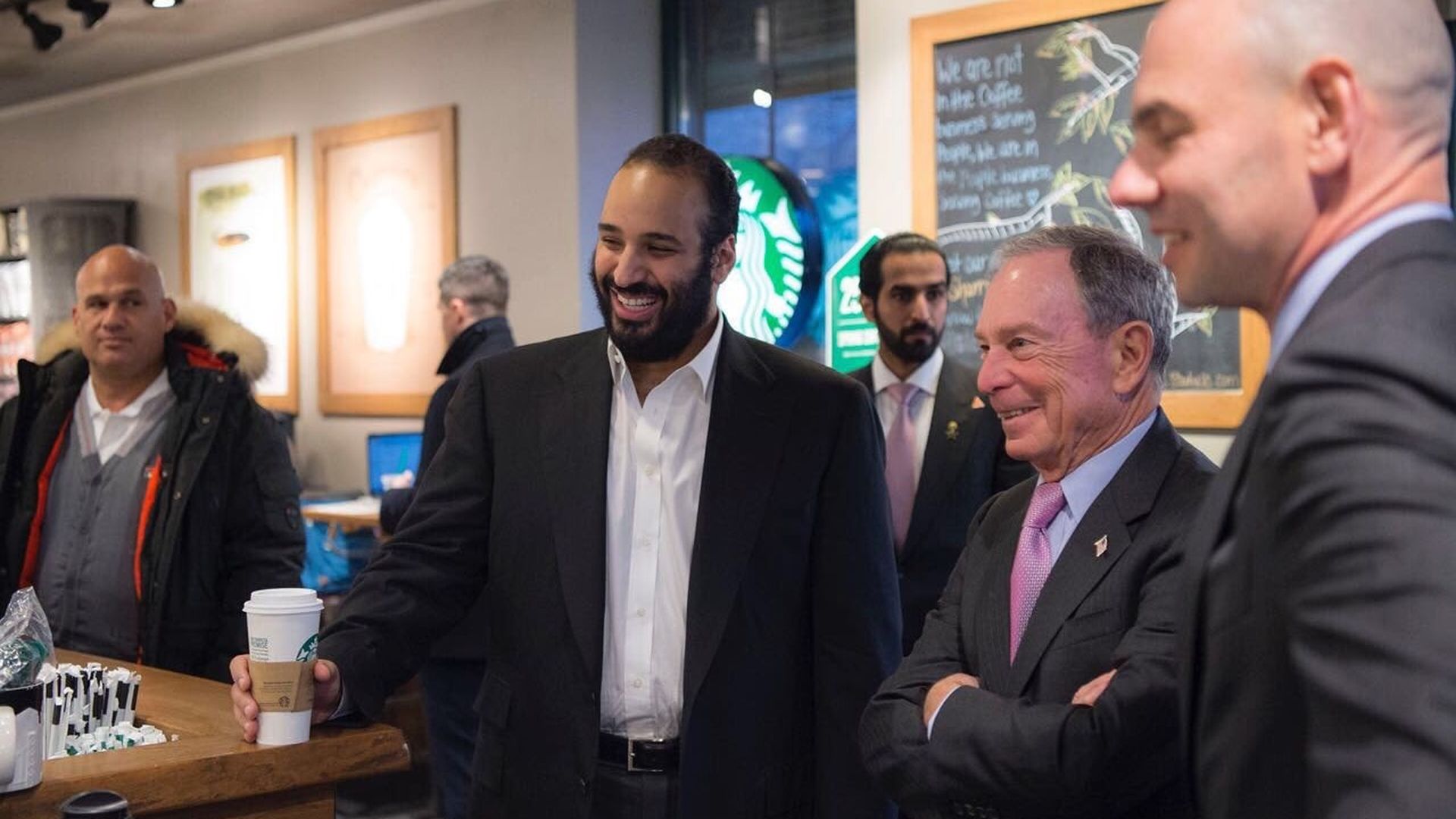
After stops in Washington, Boston and New York, Saudi Crown Prince Mohammed bin Salman heads for the West Coast tomorrow as he continues his remarkable marathon of meetings with America's powerful.
The itinerary: An outdated draft of the crown prince's schedule leaked yesterday. A source filled Axios in on the latest plans, which continue today with a likely meeting with former President Bill Clinton. He talked earlier with Henry Kissinger and Michael Bloomberg.
Facebook and Google execs privately complain about the barrage of critical coverage they face, charging that media companies have a financial incentive to attack them and that media execs are settling scores. They're right.
Be smart: Outrage over Facebook's misuse of user data and failure to rein in election fraud is real. But the zeal that media outlets bring to their Facebook coverage is personal, too. It's turbocharged because journalists, individually and collectively, blame Facebook — along with other tech giants, like Google, and the internet itself — for seducing their readers, impoverishing their employers, and killing off their jobs.








/2018/03/28/1522268248076.gif?w=3840)