Fasten, a ride-hailing startup, is shutting down its operations in Boston and Austin as part of its sale to Dutch automotive company Vezet Group, according to a customer email.
Why it matters: During a brief retreat from Austin by both Uber and Lyft last year, Fasten was among the local ride-hailing services that helped fill the gap, especially during the annual South by Southwest (SXSW) festival (with mixed results). Ironically, Fasten will cease its operations on Monday, just days before the conference returns to Austin.
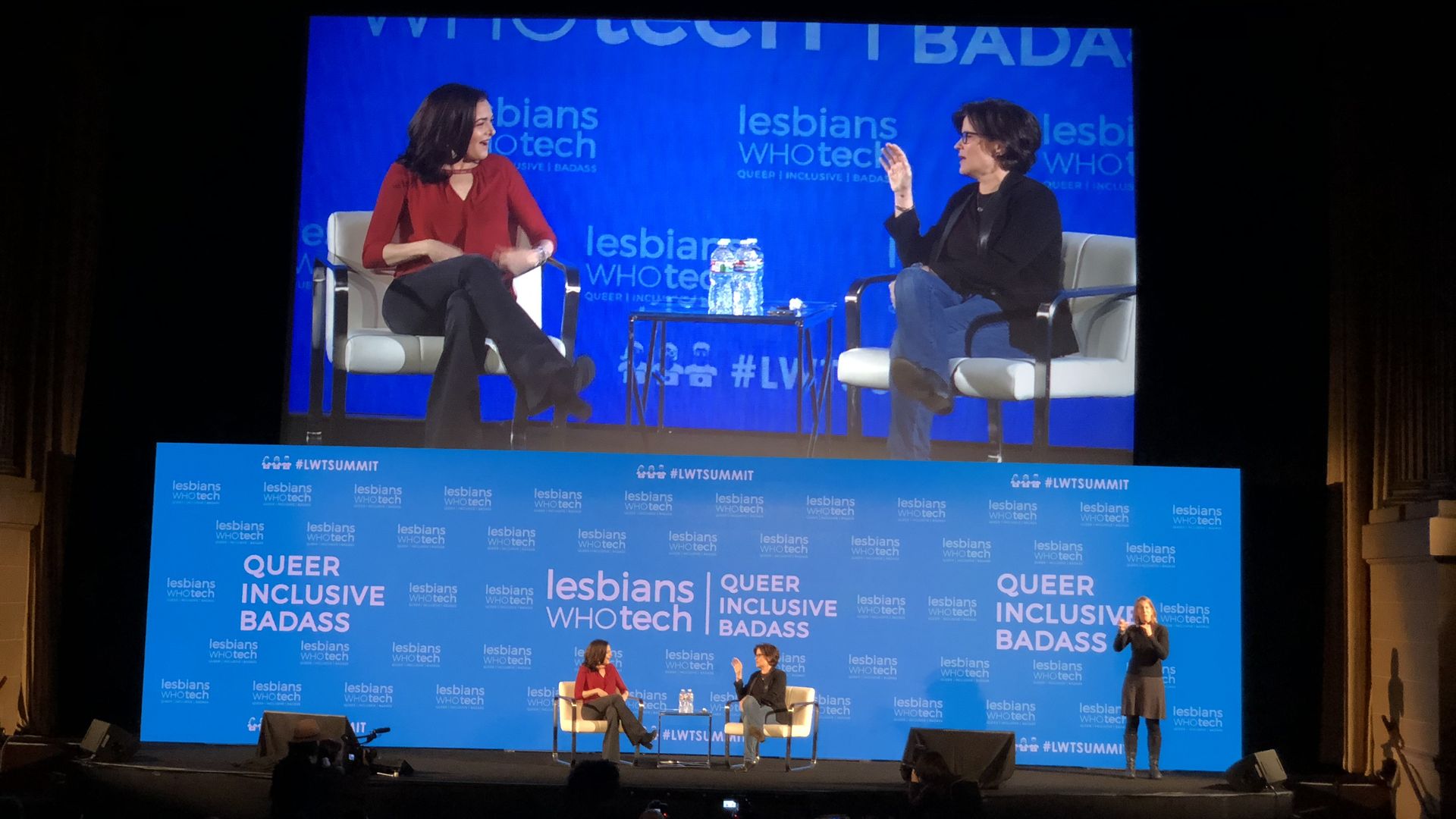
Facebook COO Sheryl Sandberg says that much of the anti-tech backlash is based on a combination of economic insecurity and concerns that the companies aren't doing enough to keep their own platforms safe.
"We need to address both sides," Sandberg said in an interview at the Lesbians Who Tech Summit in San Francisco.
Why it matters: Facebook and other social media companies have been under increasing fire from a variety of corners.
"The retail revolution shifting sales from stores to laptops to smartphones could be on the verge of its next sea change — when shoppers will ask Amazon's Alexa and other voice-driven speakers to order just about everything," USA Today's Charisse Jones writes.
Details: "Purchases made through devices such as Google Home and Amazon's Echo are projected to leap from $2 billion to $40 billion by 2022... Shoppers are more apt to buy cheaper items, such as phone charger cables, via voice. The average online basket was $661 for online purchases of electronics, compared with $239 for voice orders... It can be difficult to compare prices when ordering via speaker."
Facebook and Twitter are rolling out sweeping public relations campaigns, as well as product and operational changes, to re-assure critics that their products are safe for their users' health.
Why it matters: These companies see their business interests as intertwined with their ability to meet head-on the criticism that their products may be public health risks, and get ahead of scrutiny from global regulators.
A former YouTube recruiter is suing the company, alleging that it stopped hiring white and Asian men for certain positions in an effort to shift its workforce demographics, and fired him after he raised concerns over the practices, according to the Wall Street Journal.
Why it matters: YouTube's parent company, Alphabet, is finding critics on both sides. Women and employees from other underrepresented groups say it's allowing hostile behaviors and unequal pay, while others say it has gone too far in its efforts to diversify its workforce, and is now discriminating against white and Asian men, as well as conservatives.
Facebook executives dodged saying how many more employees they're willing to hire to review nefarious content on its platform.
Why it matters: It's clear that human content reviewers are needed to address some of the biggest safety and security concerns on the platform, like suicide warnings and egregious content. Facebook has committed to doubling the number of staff monitoring content but it's not clear if that is a viable long-term strategy given Facebook's more than 2 billion users.
Former Uber CEO Travis Kalanick has joined the board of medical office software company Kareo, according to a memo obtained by Axios.
Why it matters: This is the first new business responsibility that Kalanick has assumed since being fired last summer by Uber, where he remains a director.
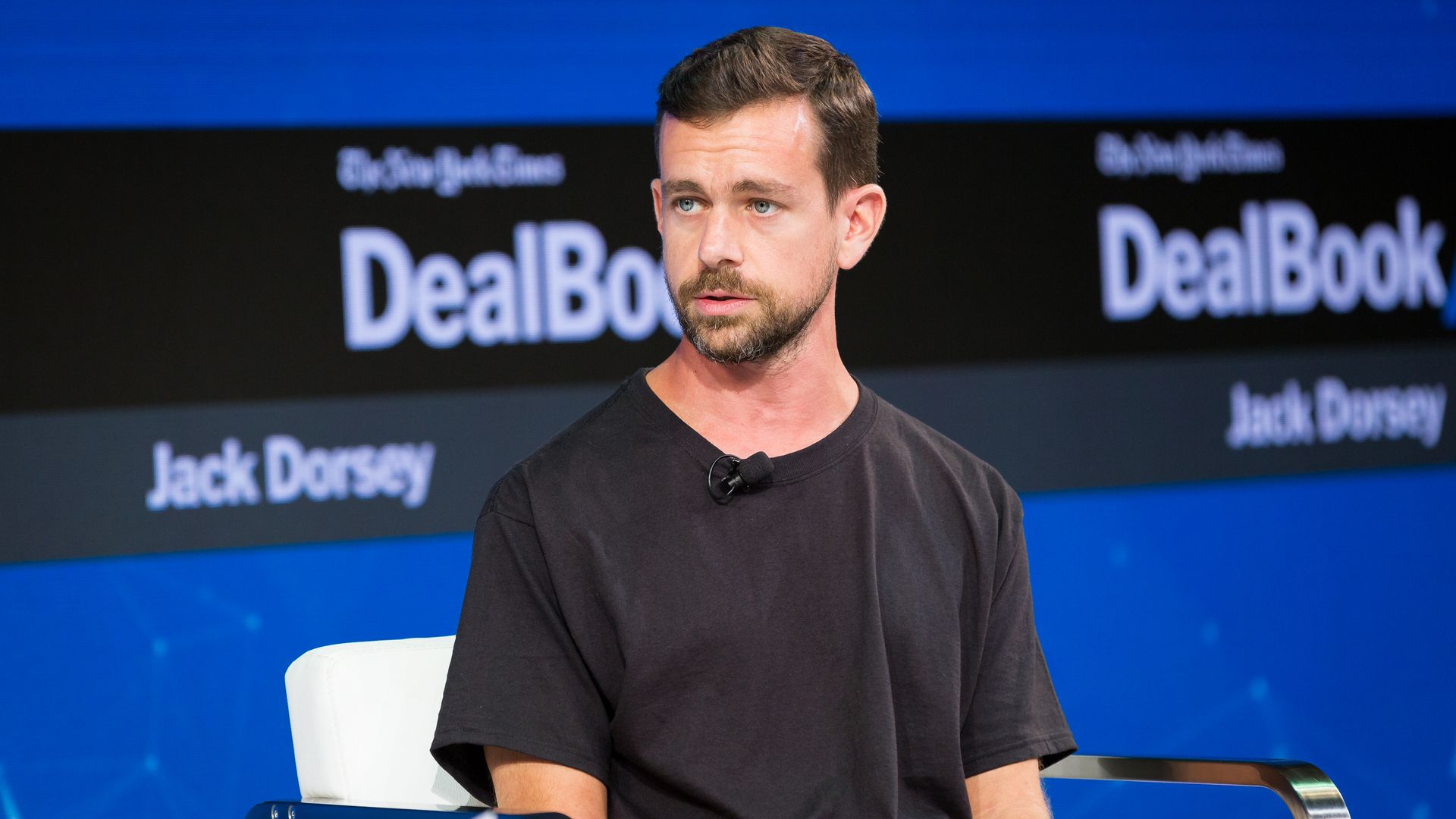
Twitter is submitting a metrics proposal about how its platform contributes to the overall health of the public conversation. In a tweet, co-founder and CEO Jack Dorsey concedes that executives didn’t fully predict or understand the real-world negative consequences of its platform until now.
Our thought bubble: The level of transparency with this announcement is a sign of maturity for the 11-year-old company, which is now trying to build its business moving forward by focusing on consumers' health and democracy.
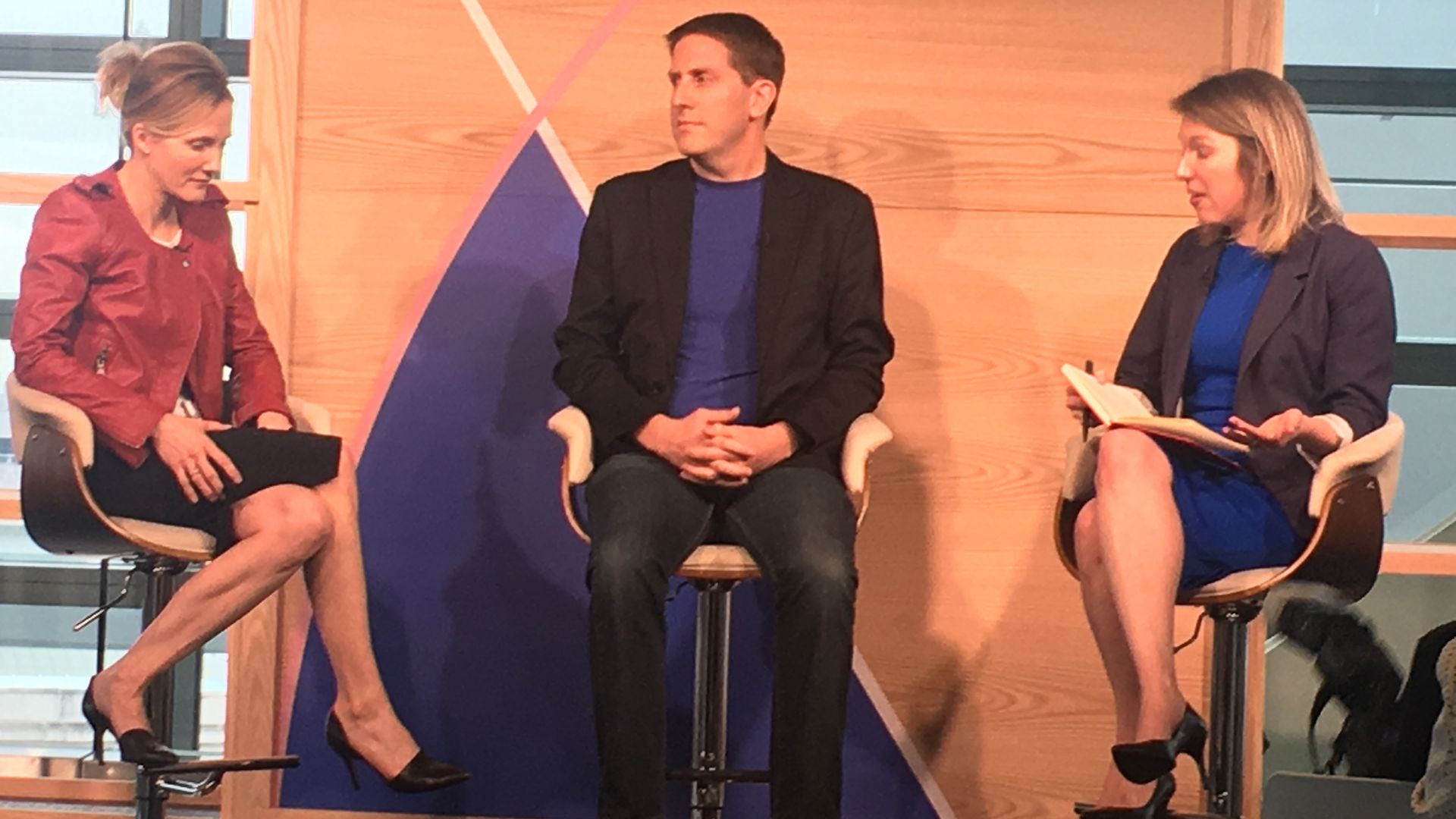
Tune in as Axios Managing Editor Kim Hart interviews Facebook's head of global safety policy, Antigone Davis and vice president of product management, Guy Rosen.
Placed, the Seattle-based measurement company acquired by Snap last year, rolled out a free service Thursday that will provide metrics around store visits for 2,000 businesses.
Why it matters: Foot traffic is a crucial metric for marketers looking to measure how advertising directly impacts sales, but access to this type of technology can be expensive. Providing it for free mirrors Snap's commitment to working with advertisers that are actively looking to sell things, not just enhance their brands.
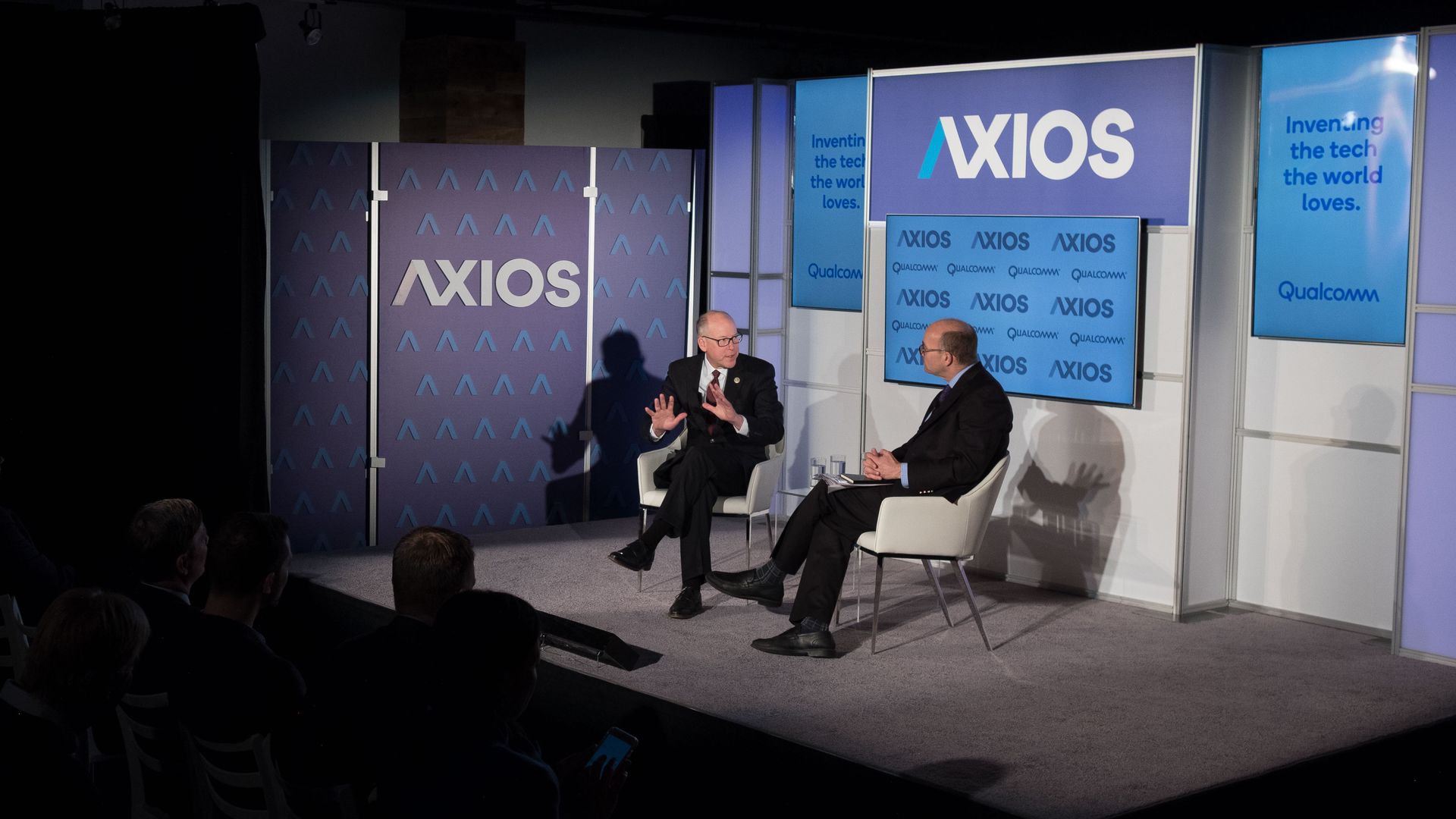
Axios' Mike Allen hosted a trio of conversations in D.C. on how 5G, the next phase in super-fast networks, will affect self-driving cars. He discussed the roles of government and tech in facilitating the adaption of these vehicles with:
T.H. Greg Walden (R-OR), Chairman, House Committee on Energy and Commerce
IBM is picking up its fight against the big web platforms by endorsing legislation to regulate digital ads and fighting to keep liability protections out of a renegotiated trade agreement.
Why it matters: IBM is one of several big corporate players who have taken advantage of rising anti-big-tech sentiment to build their own profile. IBM’s Chris Padilla says that with recent efforts they want to “show responsible stewardship as we usher in new technologies to help business and society work smarter.”
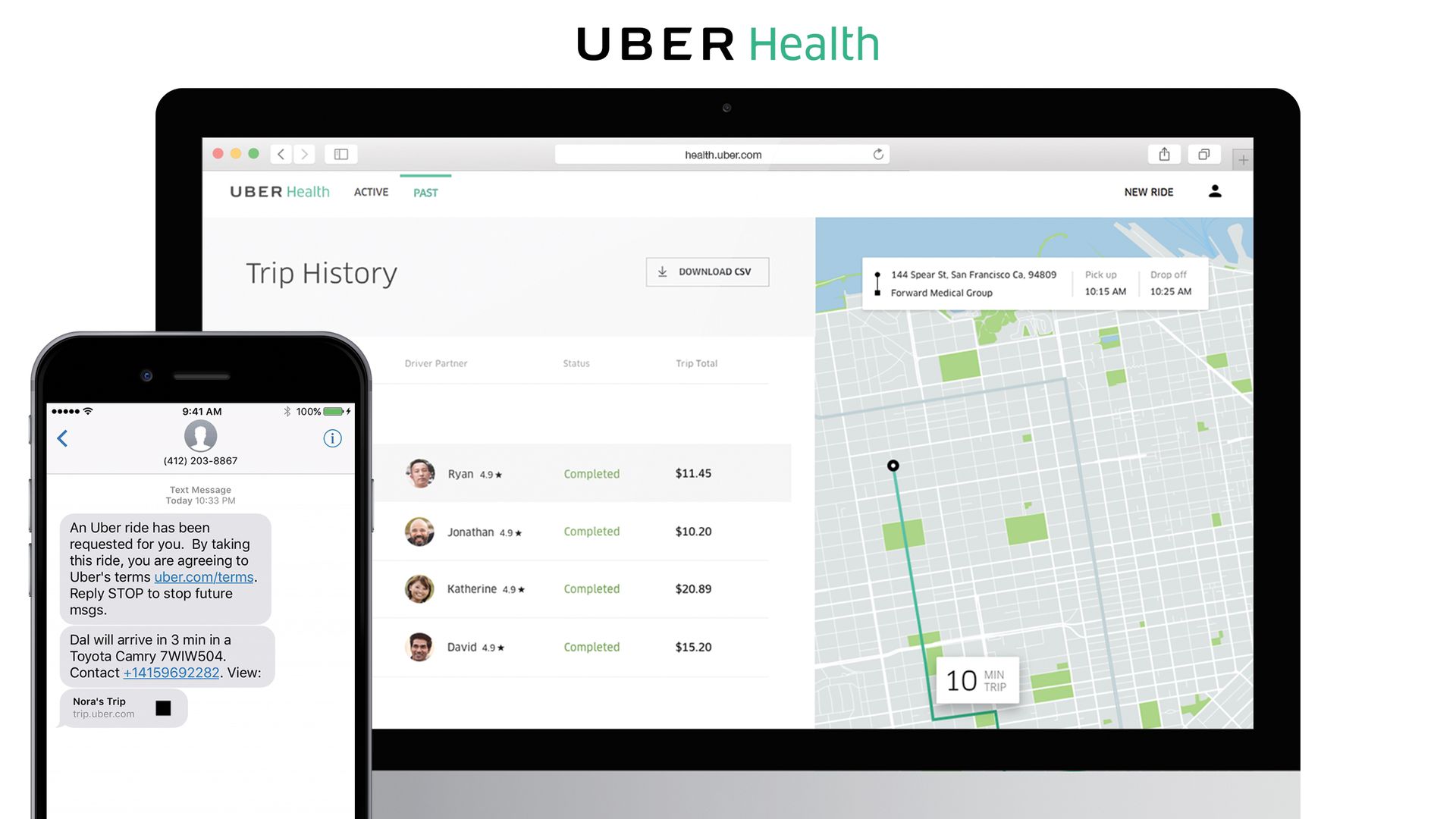
Uber has launched a new service that will allow hospitals, clinics, nursing homes and other health care organizations to order and schedule car rides for patients. Uber is not charging a fee to use the service. The health care providers only have to pay for the ride.
Why it matters: Uber sees a huge untapped market in the roughly 4 million people who skip or delay health care visits every year because they don't have reliable transportation. Hospitals, doctors and other providers could be eager to pay for those rides if it means more on-time appointments and fewer no-shows — which translates into more revenue in their pockets.
Javier Soltero, who rose to a top role on the Office team after selling his startup to Microsoft, is taking on a big new challenge, Axios has learned. He's about three weeks into a new job as the corporate VP overseeing Cortana, Microsoft's digital assistant.
The big challenge: Cortana, though omnipresent on the Xbox and Windows 10, has only limited use outside of Microsoft hardware and therefore gets far less attention, from both developers and consumers, than assistants from Amazon, Google and Apple.
Senate Republican leadership is planning on taking up an anti-trafficking bill that has drawn the ire of some in Silicon Valley during the second full week of March, said one of its leading sponsors, Republican Senator Rob Portman.
Why it matters: The bill has drawn criticism from some tech advocacy groups who say that it will endanger the protections that online platforms have from being sued over user-generated content. Its supporters say that's unfair.