Facebook is tasked with fixing problems with how its platform is used — problems with seismic, global consequences. Axios' Kim Hart, David McCabe and Sara Fischer discuss these efforts.
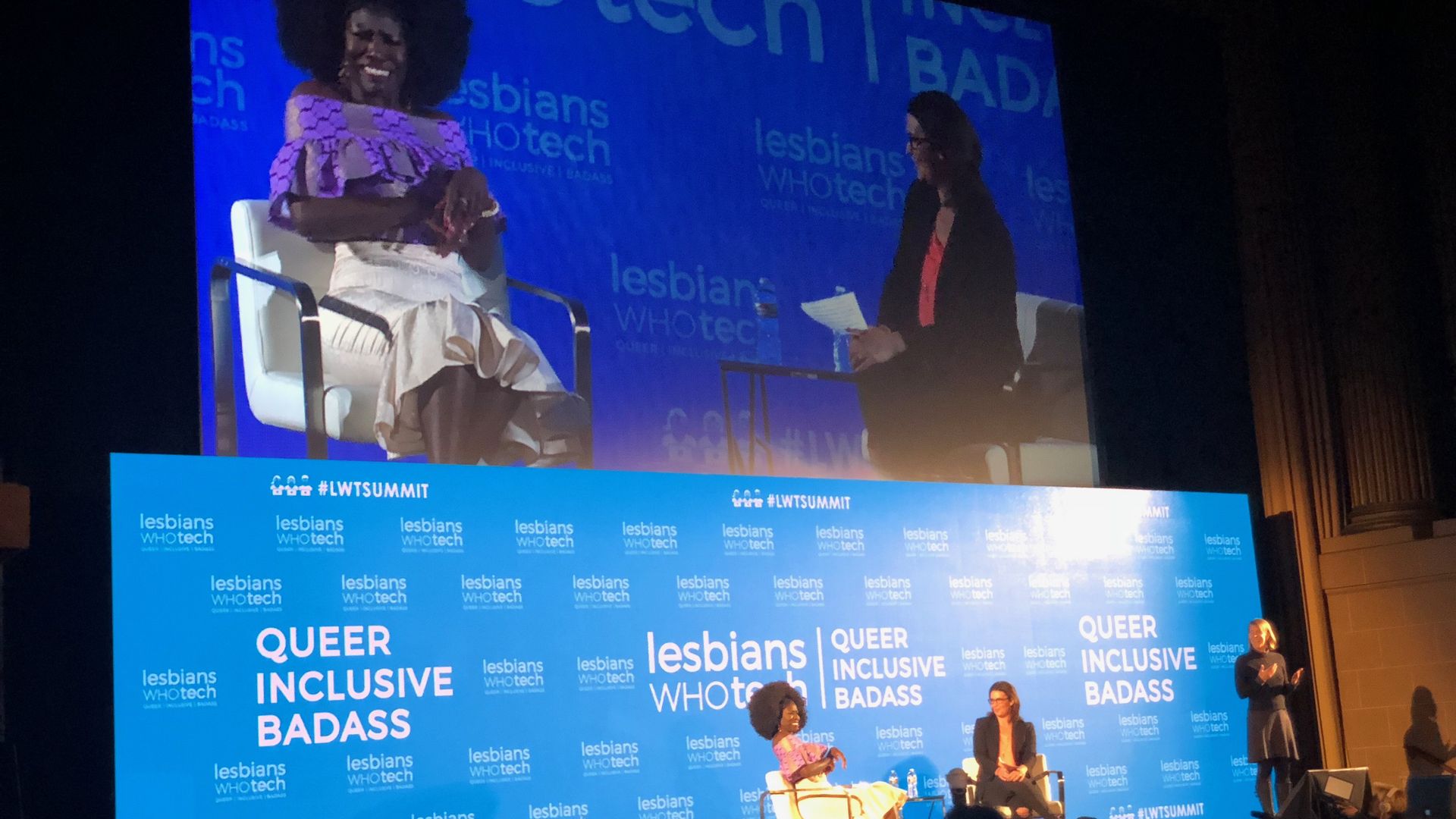
Former Apple and current Uber executive Bozoma St. John says it is time for tech executives to be held financially responsible for boosting the diversity of their ranks.
Why it matters: Among the many issues for which Silicon Valley has been under attack is the lack of women and people of color.
Fasten, a ride-hailing startup, is shutting down its operations in Boston and Austin as part of its sale to Dutch automotive company Vezet Group, according to a customer email.
Why it matters: During a brief retreat from Austin by both Uber and Lyft last year, Fasten was among the local ride-hailing services that helped fill the gap, especially during the annual South by Southwest (SXSW) festival (with mixed results). Ironically, Fasten will cease its operations on Monday, just days before the conference returns to Austin.
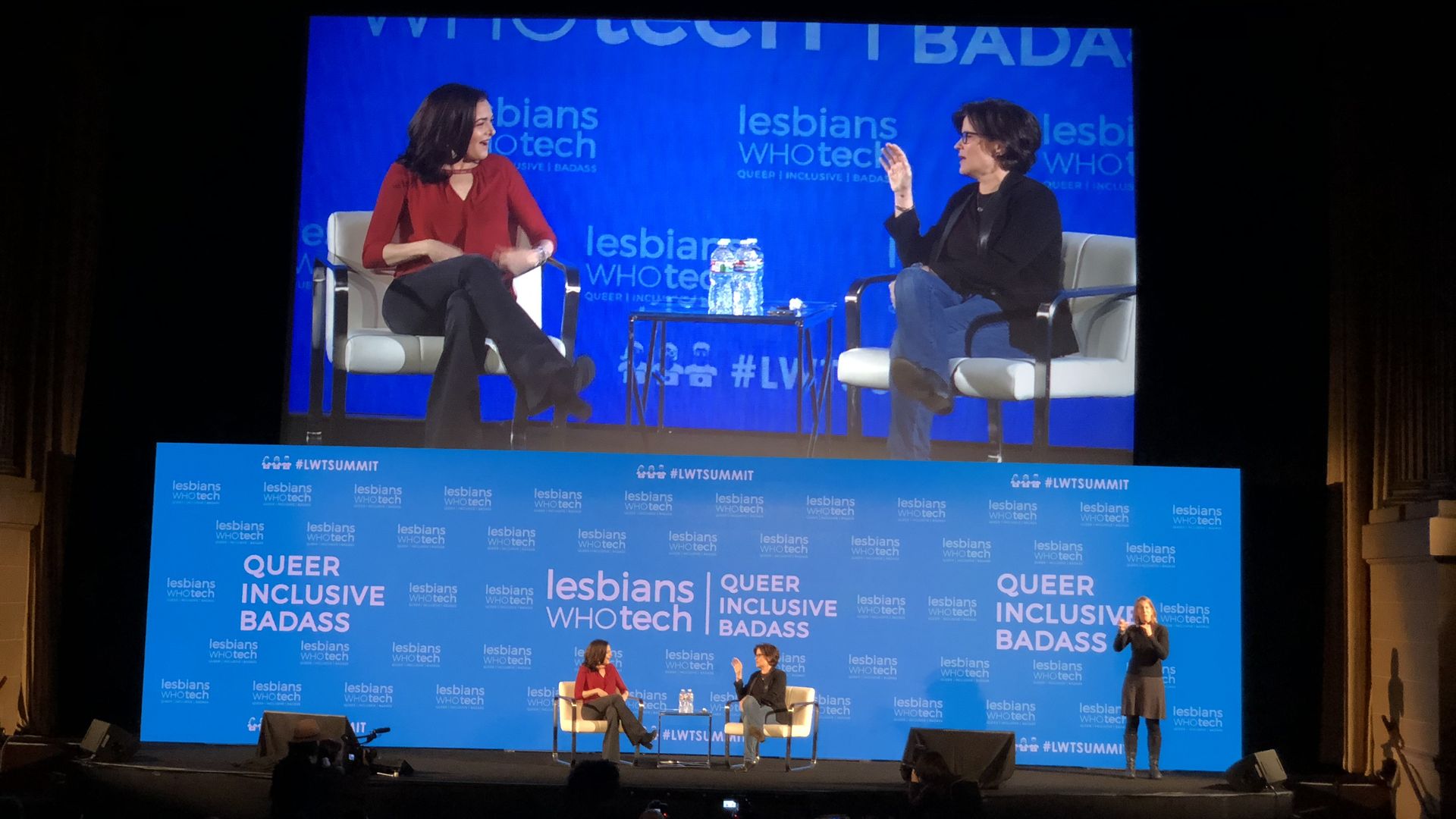
Facebook COO Sheryl Sandberg says that much of the anti-tech backlash is based on a combination of economic insecurity and concerns that the companies aren't doing enough to keep their own platforms safe.
"We need to address both sides," Sandberg said in an interview at the Lesbians Who Tech Summit in San Francisco.
Why it matters: Facebook and other social media companies have been under increasing fire from a variety of corners.
"The retail revolution shifting sales from stores to laptops to smartphones could be on the verge of its next sea change — when shoppers will ask Amazon's Alexa and other voice-driven speakers to order just about everything," USA Today's Charisse Jones writes.
Details: "Purchases made through devices such as Google Home and Amazon's Echo are projected to leap from $2 billion to $40 billion by 2022... Shoppers are more apt to buy cheaper items, such as phone charger cables, via voice. The average online basket was $661 for online purchases of electronics, compared with $239 for voice orders... It can be difficult to compare prices when ordering via speaker."
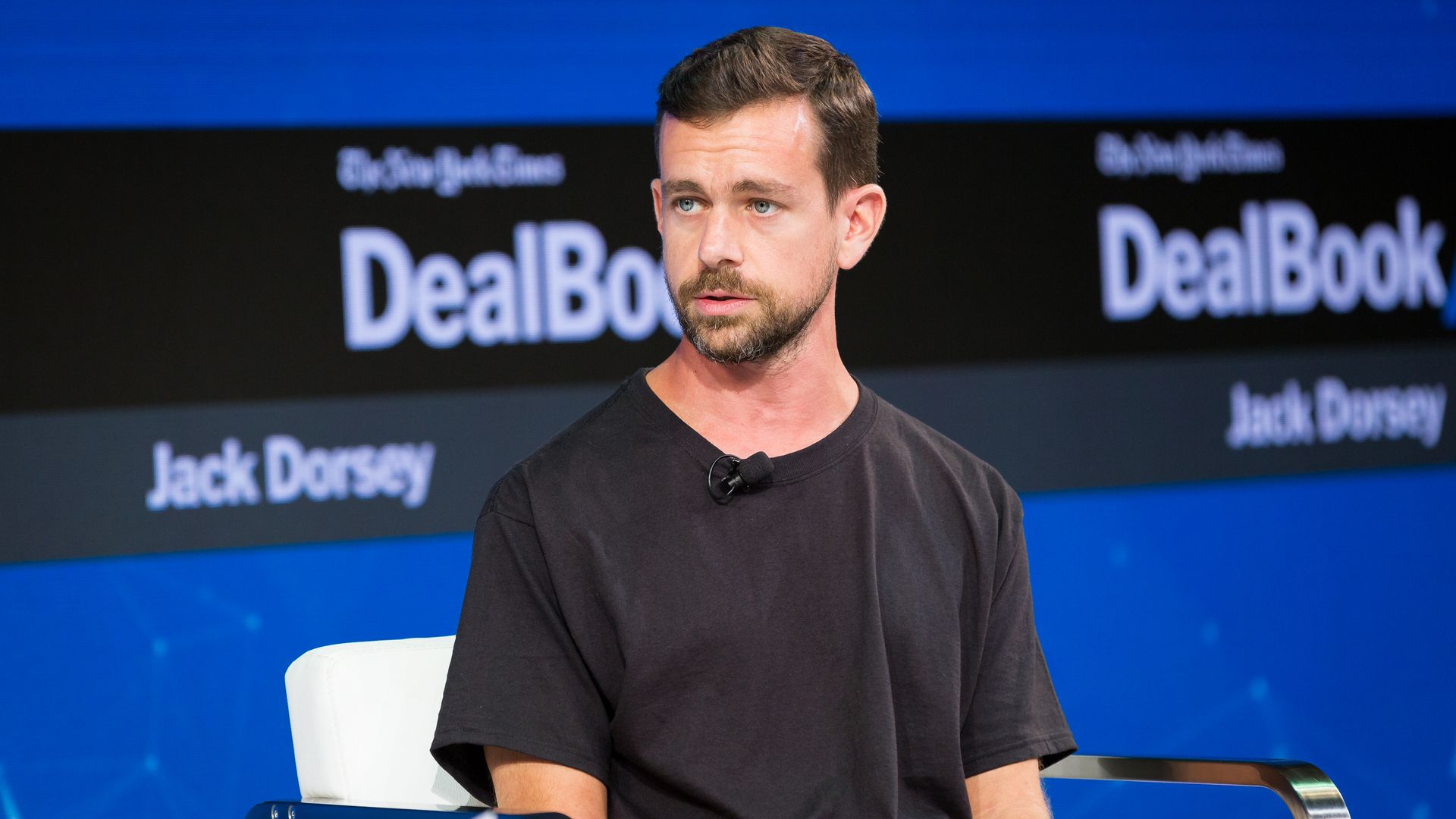
Facebook and Twitter are rolling out sweeping public relations campaigns, as well as product and operational changes, to re-assure critics that their products are safe for their users' health.
Why it matters: These companies see their business interests as intertwined with their ability to meet head-on the criticism that their products may be public health risks, and get ahead of scrutiny from global regulators.
A former YouTube recruiter is suing the company, alleging that it stopped hiring white and Asian men for certain positions in an effort to shift its workforce demographics, and fired him after he raised concerns over the practices, according to the Wall Street Journal.
Why it matters: YouTube's parent company, Alphabet, is finding critics on both sides. Women and employees from other underrepresented groups say it's allowing hostile behaviors and unequal pay, while others say it has gone too far in its efforts to diversify its workforce, and is now discriminating against white and Asian men, as well as conservatives.