Rep. Adam Schiff, the top Democrat on the House Intelligence Committee, said Wednesday that Facebook is "committed to providing" information related to the free content published by the same Russian pages that bought 3,000 ads focused on divisive issues before and after the election. A second source close to the situation confirmed Facebook had committed to providing the information.
Why it matters: The ads bought by the pages were one half of the puzzle. The "organic" content posted by the pages — and information on who saw and engaged with it — is the other. Some believe those posts may have been seen by far more people than the estimated 10 million that Facebook says viewed the ads.
At its annual conference focused on its Oculus virtual reality division, Facebook introduced its latest headset: Oculus Go. This is part of the company's ambitious goal of getting 1 billion people in virtual reality, as Facebook CEO Mark Zuckerberg said at the event.
The details: Starting at $199, the Oculus Go "is the most accessible VR experience ever," said Zuckerberg. It will begin to ship in 2018. Notably, it's binary compatible with Gear VR (the Oculus-based VR headset developed by Samsung), meaning that apps and content made for the Gear VR headset will also work with Oculus Go. Dev kits will begin to ship in November so that developers can get a start on creating apps for it. Here's more on the device.
Artificial intelligence is coming to your sportswear: Sensoria Health Powered by Genesis uses sensors in socks and shoes to detect pressure points and balance, and track and help prevent life-threatening falls. The partnership combines products from the smart garments company Sensoria and expertise on senior citizens from Genesis Rehab Services, per GeekWire.
Intel today released intelligent software that targets money-laundering — the methods that corrupt autocrats, narcotics traffickers, and sanctions-busters use to legitimize their illicit cash.
Why it matters: There's a broad commercial struggle going on between Intel and chip rivals like Nvidia, with which it is in a death grip for the rich future of enabling artificial intelligence. With the announcement, Intel is putting points on the board, showing off know-how in the serious and exotic space of tracking illicit cash, which is harder to detect amid the sea of data coursing through the global financial system.
Cyngn, a Silicon Valley startup that raised $115 million to build a more open flavor of the Android mobile operating system, has quietly changed course and is now working on autonomous driving technology.
New direction: Details are sparse, but Cyngn (formerly Cyanogen) appears to be developing self-driving car software and possibly hardware to match, based on its website and job listings. The company also recently received a permit to test self-driving cars on public roadways from California's Department of Motor Vehicles.
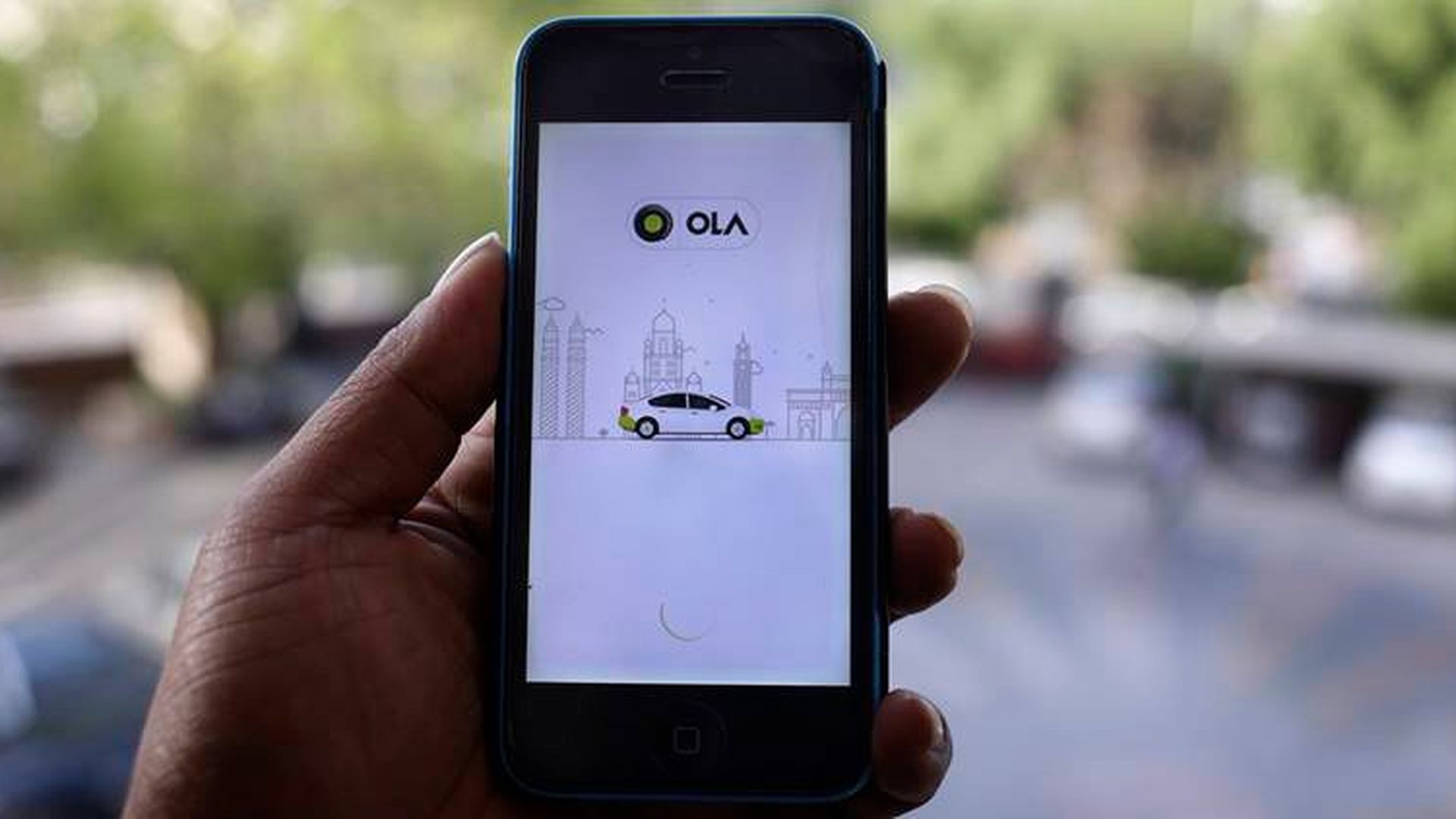
Ola, an Indian ride-hailing company, confirmed on Wednesday that it has raised $1.1 billion in new funding led by Chinese internet giant Tencent, with participation from existing investors including SoftBank. It also said that it's in advanced talks with other investors to add $1 billion in funding to the round. Bloomberg reported the fundraising earlier this month.
Why it matters: Though Uber has retreated from China, and recently Russia and neighboring countries, it's still hoping to win a big piece of the Indian ride-hailing market. Still, it's become clear that in some parts of the world, local players have certain advantages such as knowledge of the market, an established brand, and government support. Currently, Ola is in 110 cities in India, while Uber is in 30.
Google has quietly acquired podcasting startup 60db, as Business Insider first reported and Axios has confirmed with the company. No financial details have been disclosed, though the company raised $3.5 million in seed funding a year ago from Bloomberg Beta, Khosla Ventures, and Rivet Ventures. Its service will shut down on Nov. 10.
The company isn't disclosing (yet) what it will be doing at Google, but in a note to media partners, it said it's "looking forward to working with [them] again in the near future," suggesting it's likely continuing to provide similar podcasting services. The company also said that by June of this year, its active users were listening to more than an hour of content per day.
A movie is in the works about former Uber engineer Susan Fowler, whose explosive blog post about her time at the ride-hailing company led to a major shakeup and eventually the ouster of CEO Travis Kalanick, according to Variety. Fowler has reportedly pledged her life rights to a movie being written by "Hidden Figures" screenwriter Allison Schroeder, to be produced by former Disney executive Kristin Barr. Fowler's agent has not yet returned Axios's request for comment.
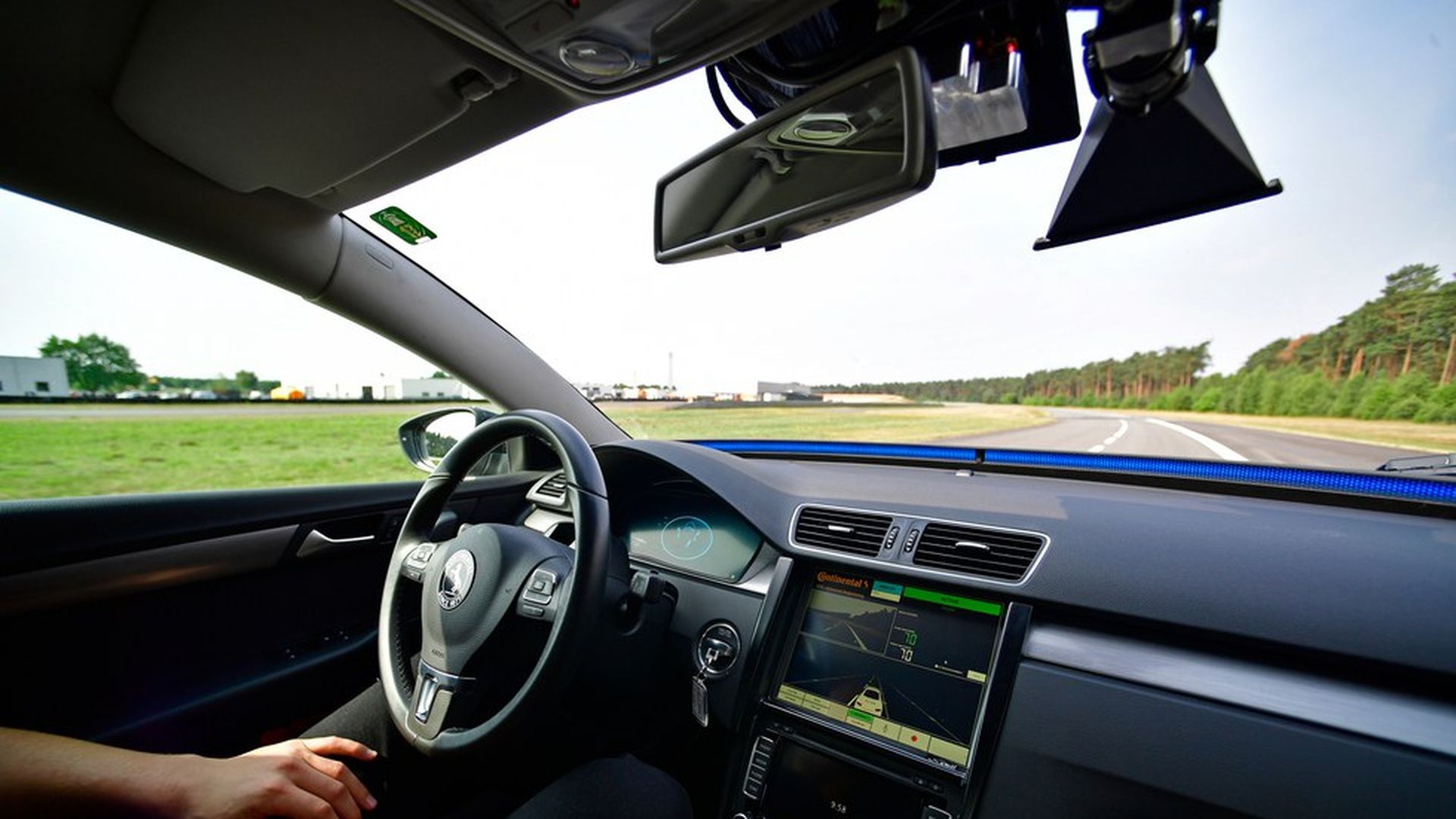
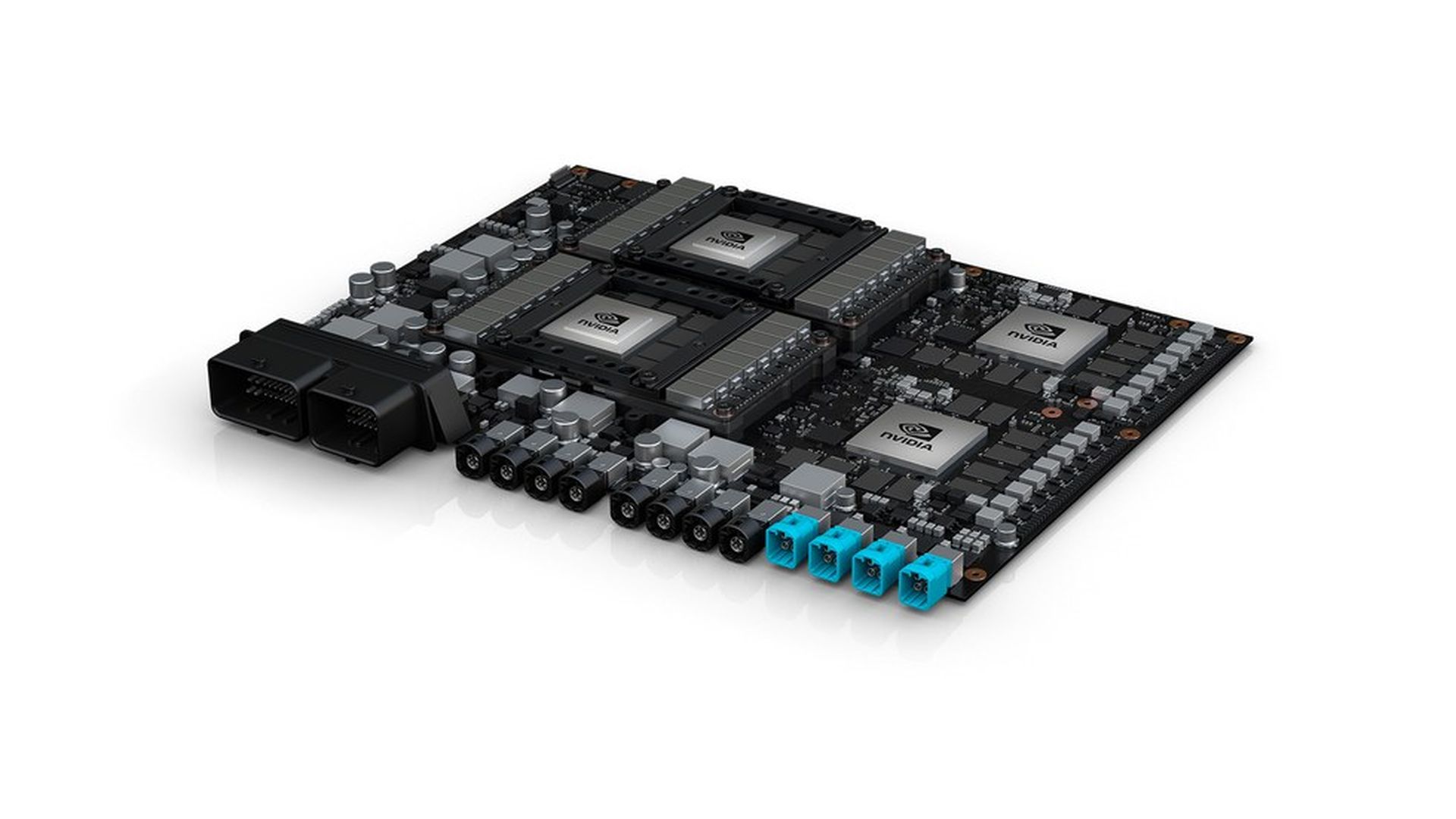
Nvidia just announced plans for "Pegasus," its next-generation system for autonomous cars. Due out in the second half of next year, Pegasus is a license-plate sized computer that the chip giant says can process 320 trillion operations per second. That, Nvidia said, is the equivalent to a 100-server data center and — more importantly — enough to power a fully autonomous car.
Why it matters: Increasing raw compute power is just one of the hurdles to getting to fully self-driving cars into mass production. That said, such a boost in processing allows the cars to make more use within the vehicle, including real-time analysis and inference based on data from radar, lidar and optical sensors.