Google has quietly acquired podcasting startup 60db, as Business Insider first reported and Axios has confirmed with the company. No financial details have been disclosed, though the company raised $3.5 million in seed funding a year ago from Bloomberg Beta, Khosla Ventures, and Rivet Ventures. Its service will shut down on Nov. 10.
The company isn't disclosing (yet) what it will be doing at Google, but in a note to media partners, it said it's "looking forward to working with [them] again in the near future," suggesting it's likely continuing to provide similar podcasting services. The company also said that by June of this year, its active users were listening to more than an hour of content per day.
A movie is in the works about former Uber engineer Susan Fowler, whose explosive blog post about her time at the ride-hailing company led to a major shakeup and eventually the ouster of CEO Travis Kalanick, according to Variety. Fowler has reportedly pledged her life rights to a movie being written by "Hidden Figures" screenwriter Allison Schroeder, to be produced by former Disney executive Kristin Barr. Fowler's agent has not yet returned Axios's request for comment.
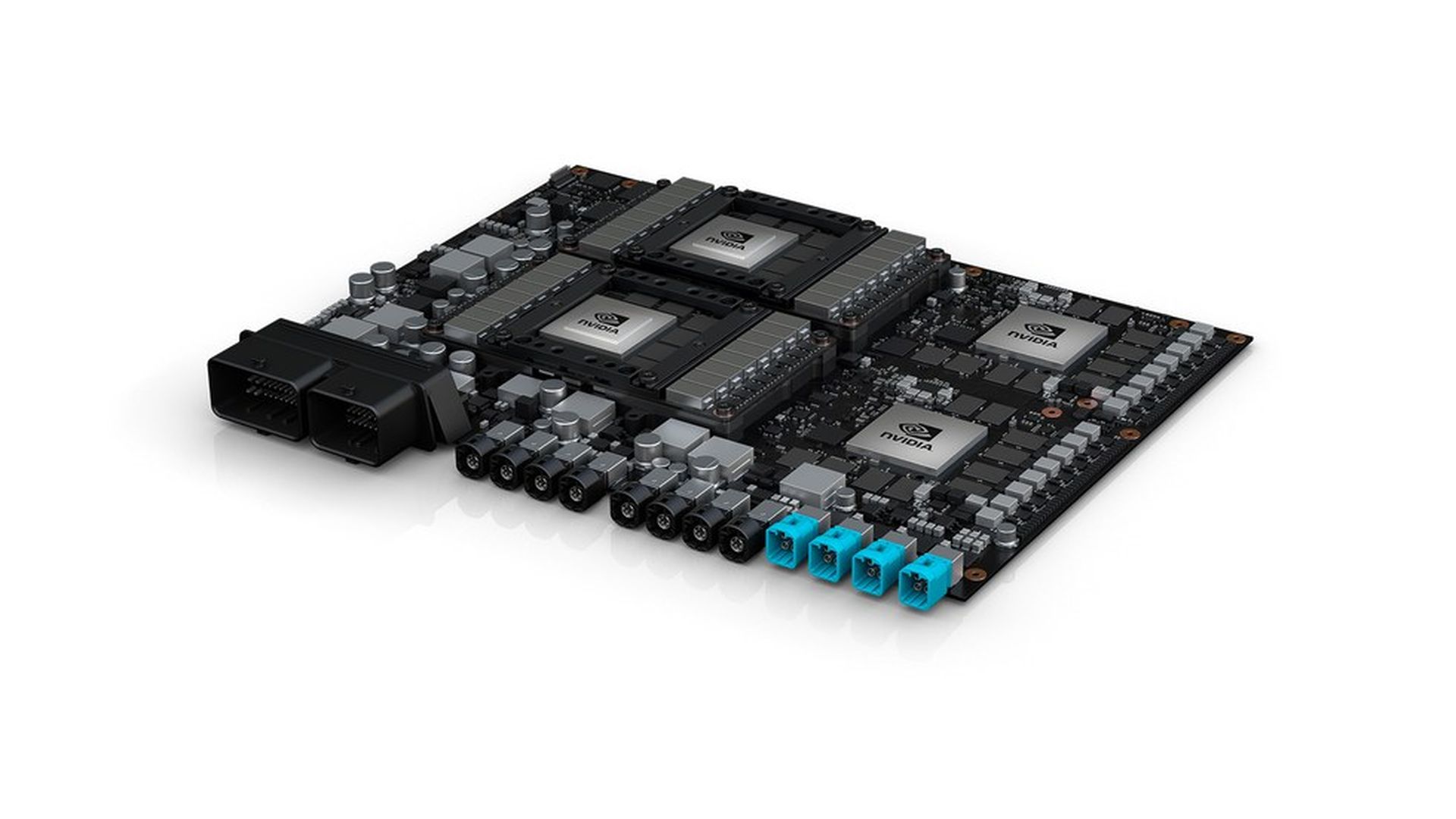
Nvidia just announced plans for "Pegasus," its next-generation system for autonomous cars. Due out in the second half of next year, Pegasus is a license-plate sized computer that the chip giant says can process 320 trillion operations per second. That, Nvidia said, is the equivalent to a 100-server data center and — more importantly — enough to power a fully autonomous car.
Why it matters: Increasing raw compute power is just one of the hurdles to getting to fully self-driving cars into mass production. That said, such a boost in processing allows the cars to make more use within the vehicle, including real-time analysis and inference based on data from radar, lidar and optical sensors.
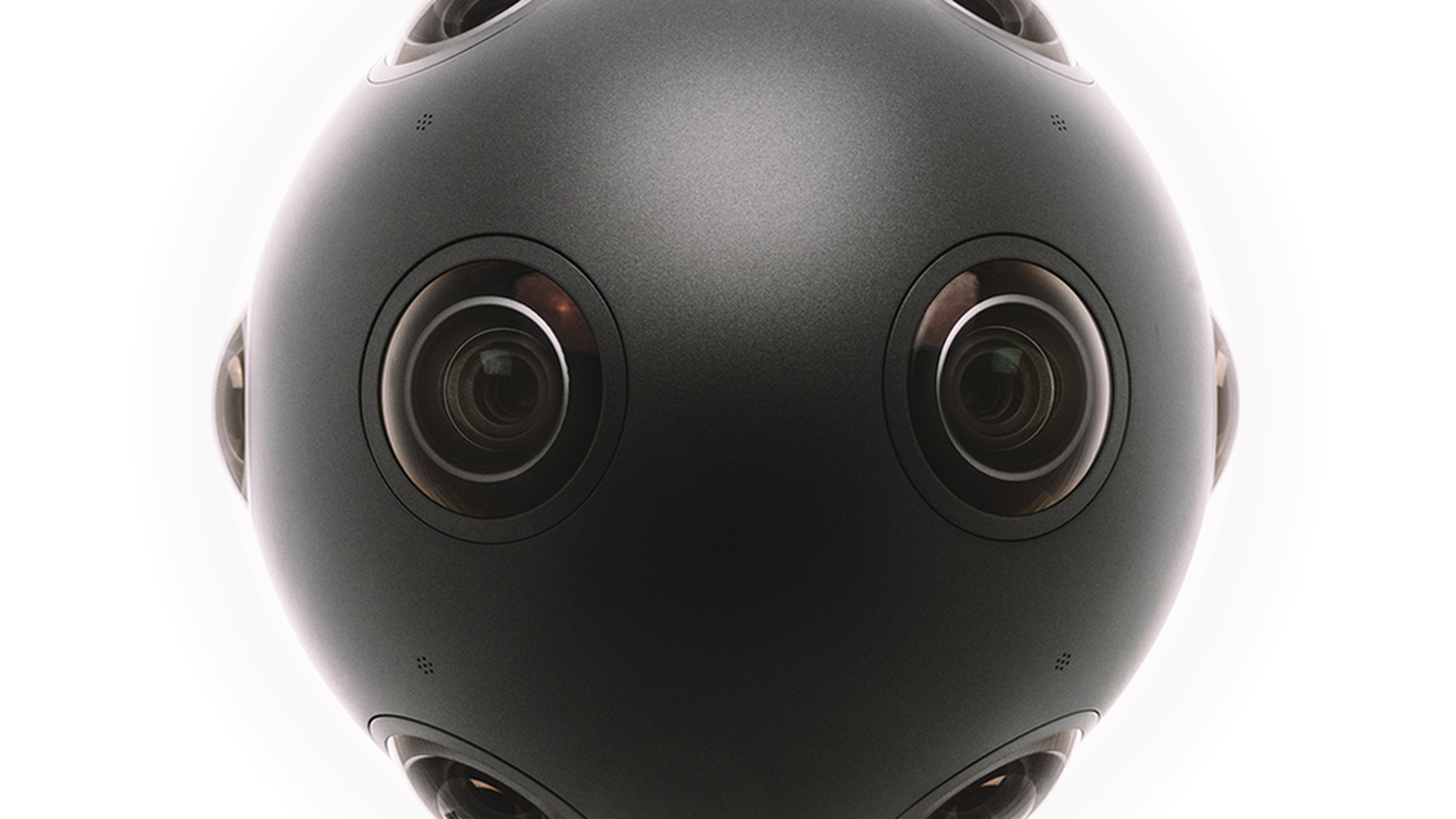
In an abrupt about-face, Nokia said Tuesday it will halt work on future versions of its Ozo virtual reality camera and cut up to 30 percent of the staff in its Nokia Technologies unit.
Why it matters: The VR market has been slower than expected to take off, resulting in several casualties. Intel said last month it was cancelling its Project Alloy reference design for VR headsets.
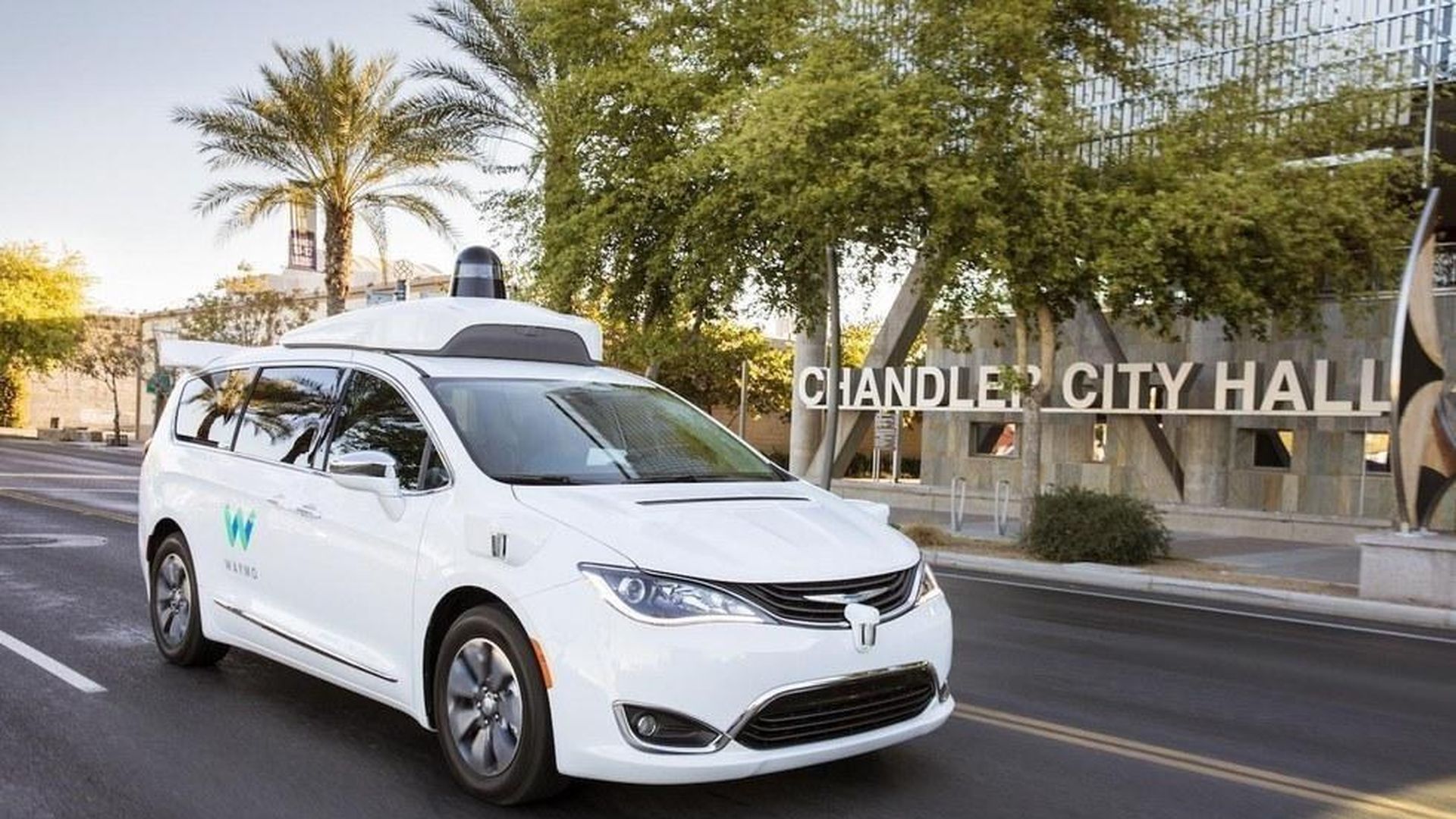
Waymo, Alphabet's self-driving car unit, on Monday debuted a public education campaign about self-driving cars and their benefits — "Let's Talk Self-Driving." The company teamed up with Mothers Against Drunk Driving, the National Safety Council, the Foundation for Blind Children, the East Valley Partnership, and the Foundation for Senior Living.
Why it matters: When companies share timelines for when their self-driving cars will arrive, they're actually speaking about when the technology will be ready. But social acceptance is a big factor that will determine how quickly the self-driving car future arrives. Waymo has ambitions to roll out its ride-hailing services beyond its current small test in Arizona, so is trying to help consumers get ready.
"More than a dozen wildfires whipped by powerful winds swept through California wine country Monday," per the AP. The fires have so far destroyed at least 1,500 homes and businesses and forced 20,000 people to flee for safety.
CNN reports that Google will join Facebook and Twitter in testifying before the House and Senate intelligence committees at hearings on Russian election interference. A Google spokesperson declined to confirm the report.
Why it matters: More information is coming out about Russian ads on Google products as the company conducts an internal investigation on an issue that has already become a major challenge for rival Facebook.
Go deeper: News broke earlier today that Google had found ads from Russian actors on its services.
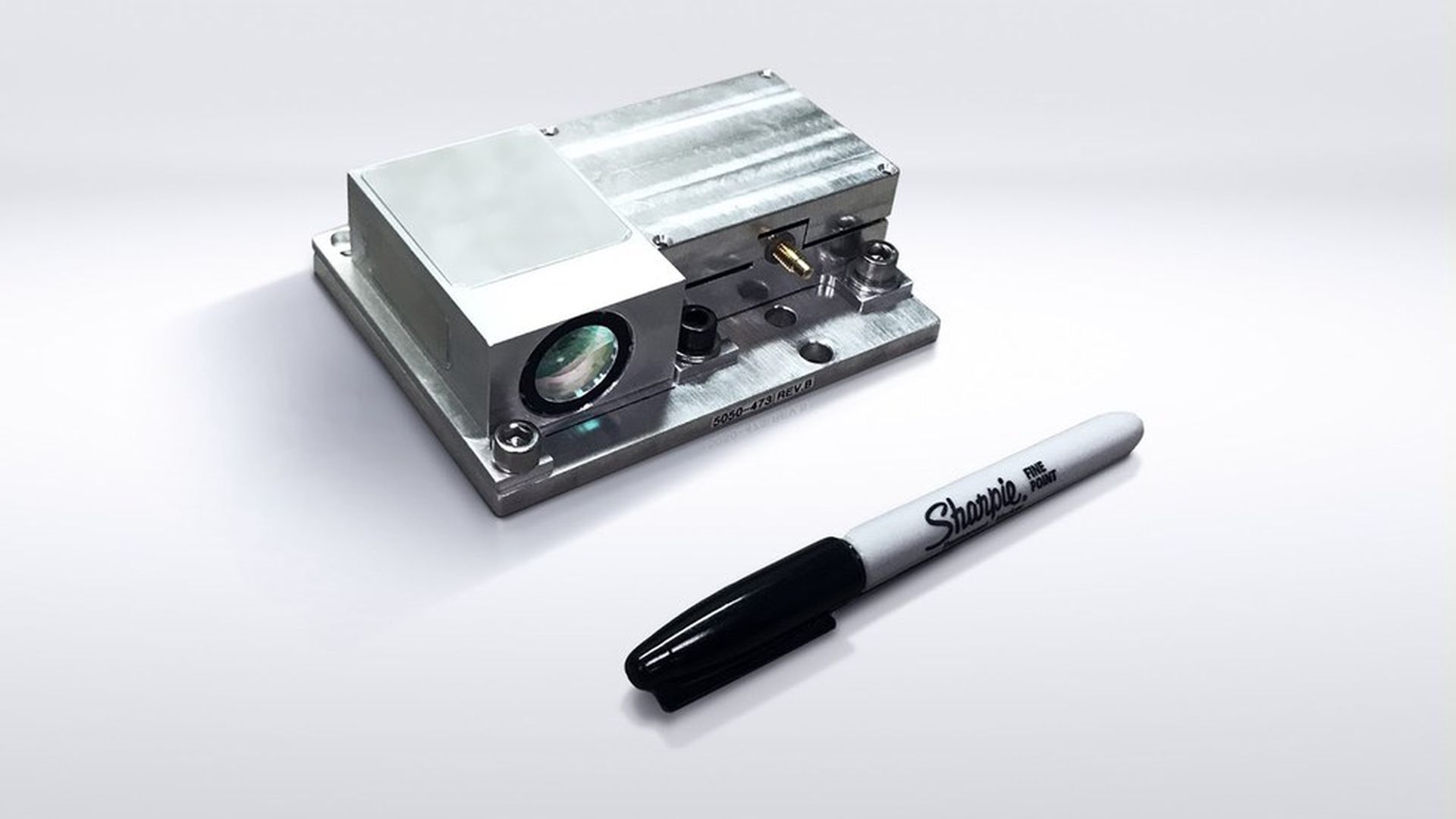
General Motors' self-driving car unit Cruise has acquired Strobe, a startup developing LiDAR, which is one of the main sensors used by most self-driving car systems. No financial terms were disclosed, though 11 employees from the startup will be joining GM.
Why it matters: LiDAR—or light detection and ranging—is commonly used to function as a car's "eyes." It shoots laser beams all around and maps out the distance and shapes of the environment based on how fast the light bounces off objects. But while it's used by most self-driving car companies (with some exceptions like Tesla and Comma.ai), it's still relatively expensive. According to Cruise co-founder and CEO Kyle Vogt, Strobe is able to cut the cost down by 99% because it "collapses LiDAR down into a single chip." Severalothers are working to bring down the cost of LiDAR sensors by improving its chips.
Microsoft is giving up on its effort to convince people to run Windows on their smartphone, at least for now. In a series of tweets, Windows executive Joe Belfiore said that the company will continue to fix bugs and security issues but won't add new features to Windows 10 Mobile. Plus, he said, he has personally moved to an Android phone.
Why it matters: The phone versions of Windows have been a virtual nonentity for a while now, but this announcement confirms that Microsoft is moving on as well.