Before Juno even made it beyond New York City, the ride-hailing company has already sold to Gett, a competitor headquartered in Israel and with operations in Europe. The two will team up to tackle NYC, and eventually expand to more U.S. cities.
One notable piece of the $200 million acquisition is that Juno is rescinding the restricted stock unit program for drivers it rolled out last summer, and will send a one-time payment to participating drivers. The RSU program was the differentiator that immediately attracted the most attention when Juno first opened up shop last year, advertising itself as the "anti-Uber."
Slack, the popular workplace chat tool, has released its second workforce diversity report, and this year it has added data about employees identifying as LGBTQ and with disabilities. Overall, Slack's workforce gained a few more women in its technical and managerial ranks since the previous year, though its total percentage of female employees remained the same.
And while it does have a slightly more racially and ethnically diverse workforce than other tech companies that have released reports, most of Slack's employees are still white or Asian across all ranks and functions.
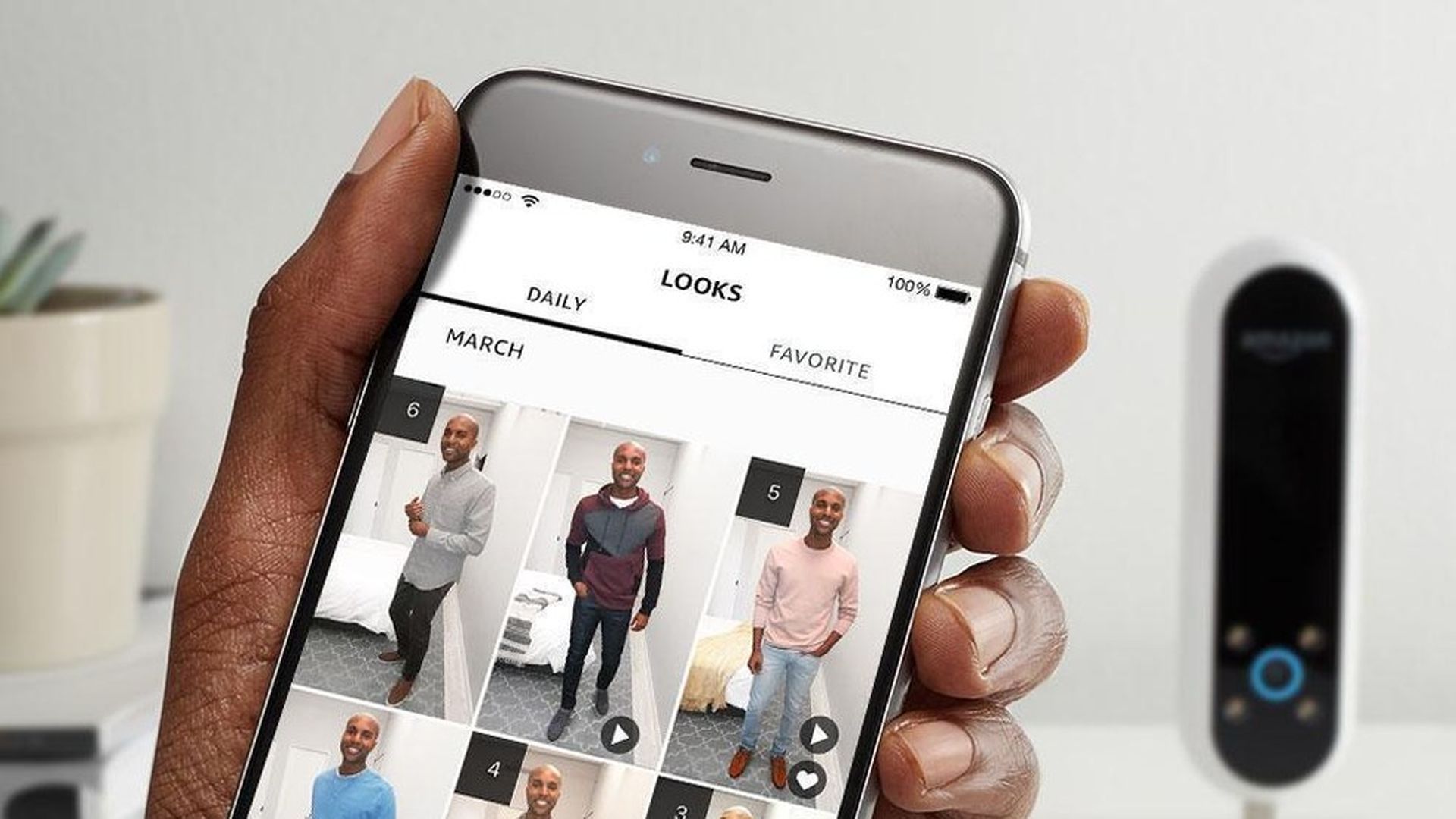
Amazon's Echo product has a new addition to the line: the Echo Look, a voice-controlled assistant geared at helping customers with their wardrobe choices.
How it works: Equipped with a camera, the Echo Look can take pictures and photos of the customer's outfit that can then be shared, and provide feedback on two outfit options via algorithms and human style experts.
Why it matters: The Echo continues to compete with Google Home and other similar products, and this version lets Amazon introduce a camera into customers' homes. Also, while this could make it easy for the company to start making much more accurate recommendations for apparel, privacy advocates may not be comfortable with the idea of an Amazon-owned camera in the closet.
Snapchat has launched over a dozen exclusive mobile partnerships this year, many of which are with TV networks, hoping to reach millennials who are cutting the cord. By comparison, Facebook and Twitter have been slow to win over publishers for exclusive video deals, focusing instead on pursuing live-streaming contracts, particularly in sports, and entertainment.
Why it matters: Snapchat can't stop Facebook from copying its features and eating its 'Stories' audience, so the self-proclaimed "camera company" is setting itself up to beat Facebook in the content game. Specifically, Snap is hoping to capture a piece of the roughly $70 billion U.S. TV ad market.
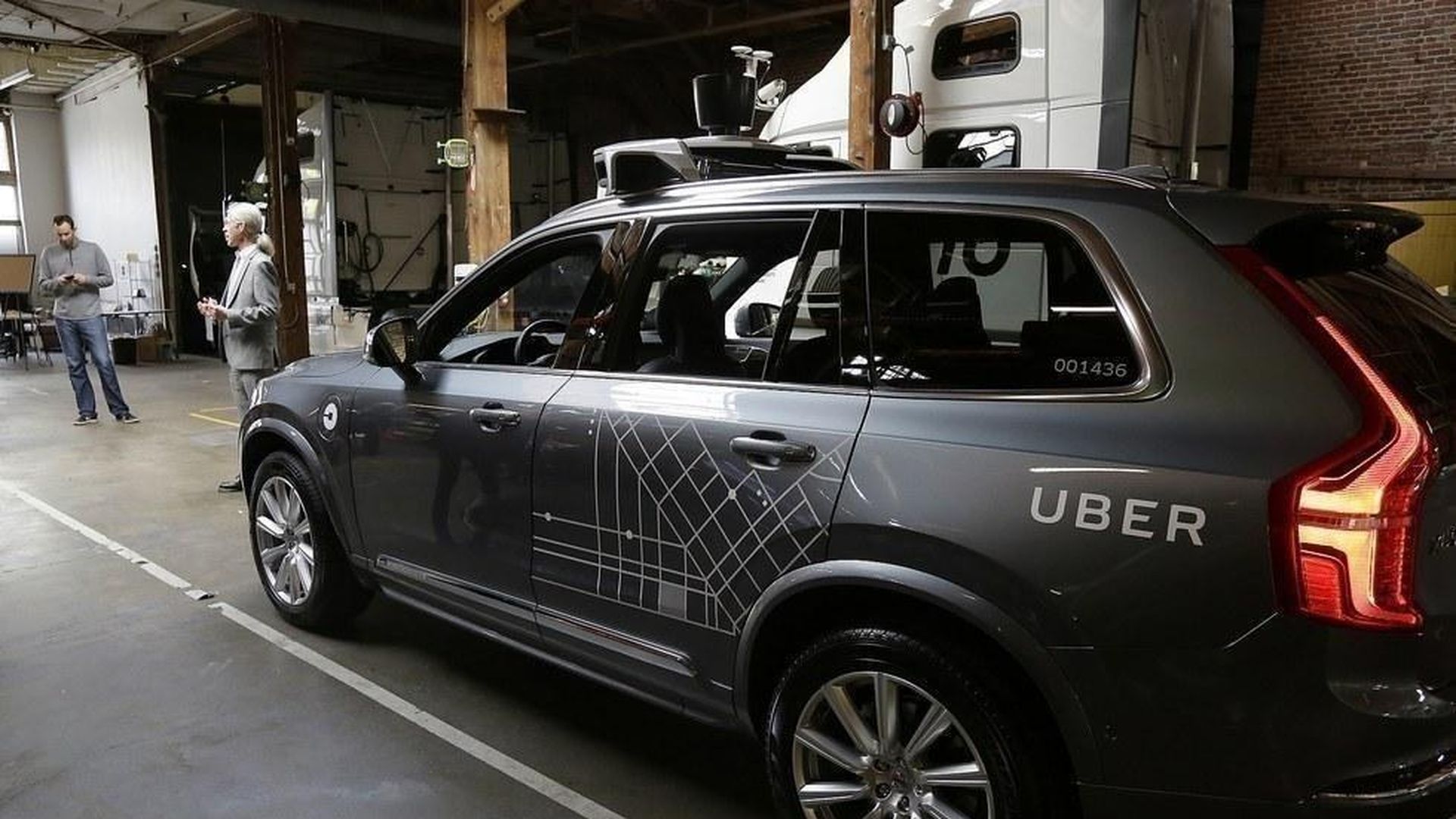
In an attempt to thwart a preliminary injunction on its self-driving car project, Uber told a magistrate judge on Tuesday that Alphabet's CEO should be asked whether he knew that a top employee had downloaded company files and was considering joining the ride-hailing company, but took no action for months.
Alphabet is suing Uber, and says former employee Anthony Levandowski — now a top Uber exec — downloaded documents before leaving the company. He is pleading the fifth, so Uber's attorney argues that Larry Page, Alphabet's CEO, is the only person who can speak to the conversations they had before he left.
What's next: The parties agreed for Page to be asked one question, under oath (though not an official deposition) on the topic. A hearing in which a judge will rule on the request for the injunction is scheduled for May 3.
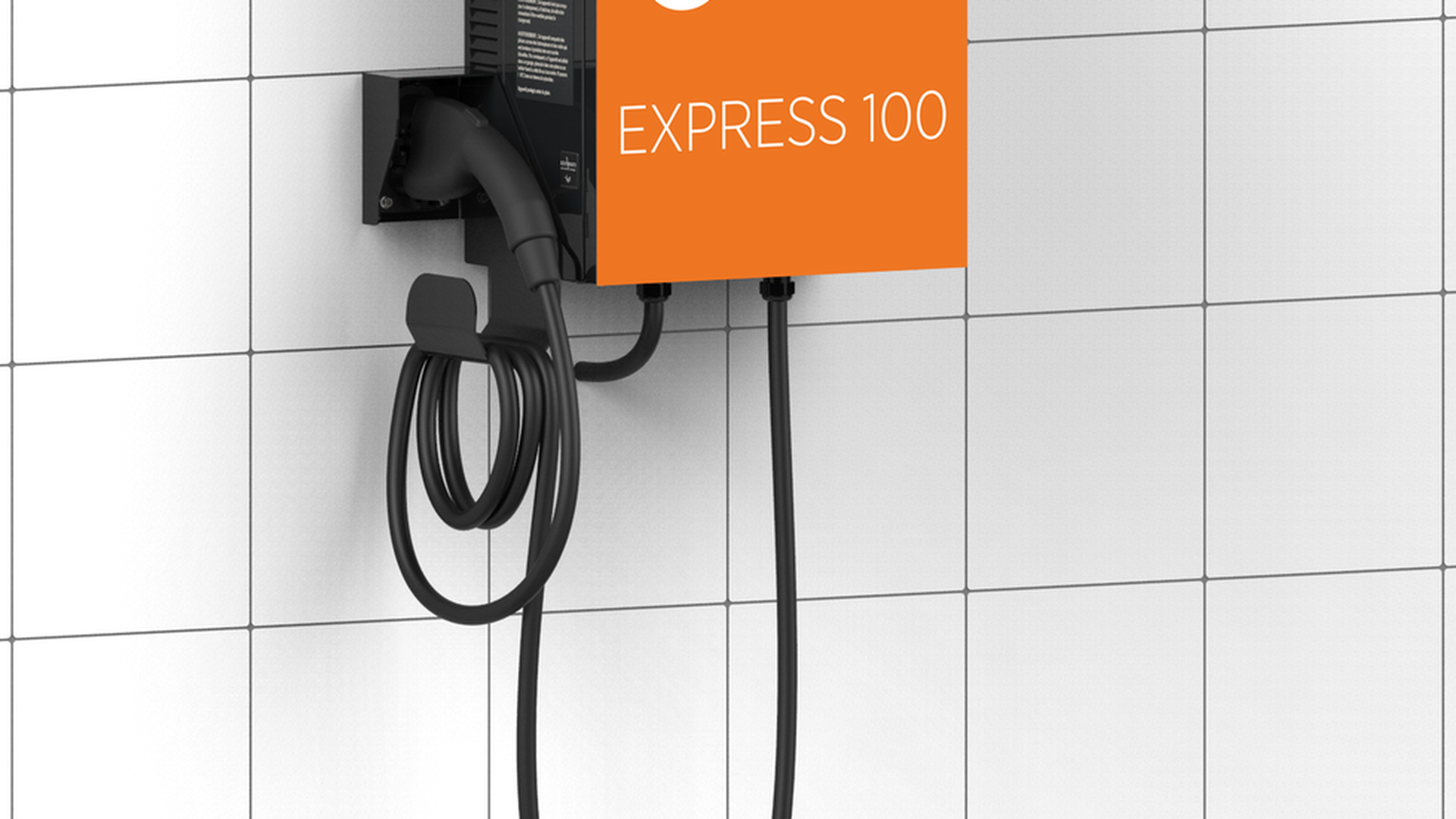
Uber has tapped ChargePoint, a company that provides charging stations for electric cars, to design and manufacture chargers for vertical take-off and landing (VTOL) aircrafts, better known as "flying cars." The goal is for the chargers to be available for use at Uber's Elavate Vertiports (take off and landing pads for flying cars) by 2020.
Bigger picture: While Uber doesn't plan on manufacturing the aircraft itself, it is interested in the technology and plans to operate a VTOL network. Though still in the early days of the technology, there are already several companies building flying cars, including Kitty Hawk (backed by Google co-founder Larry Page), Terrafugia, and Aeromobil, to name a few.
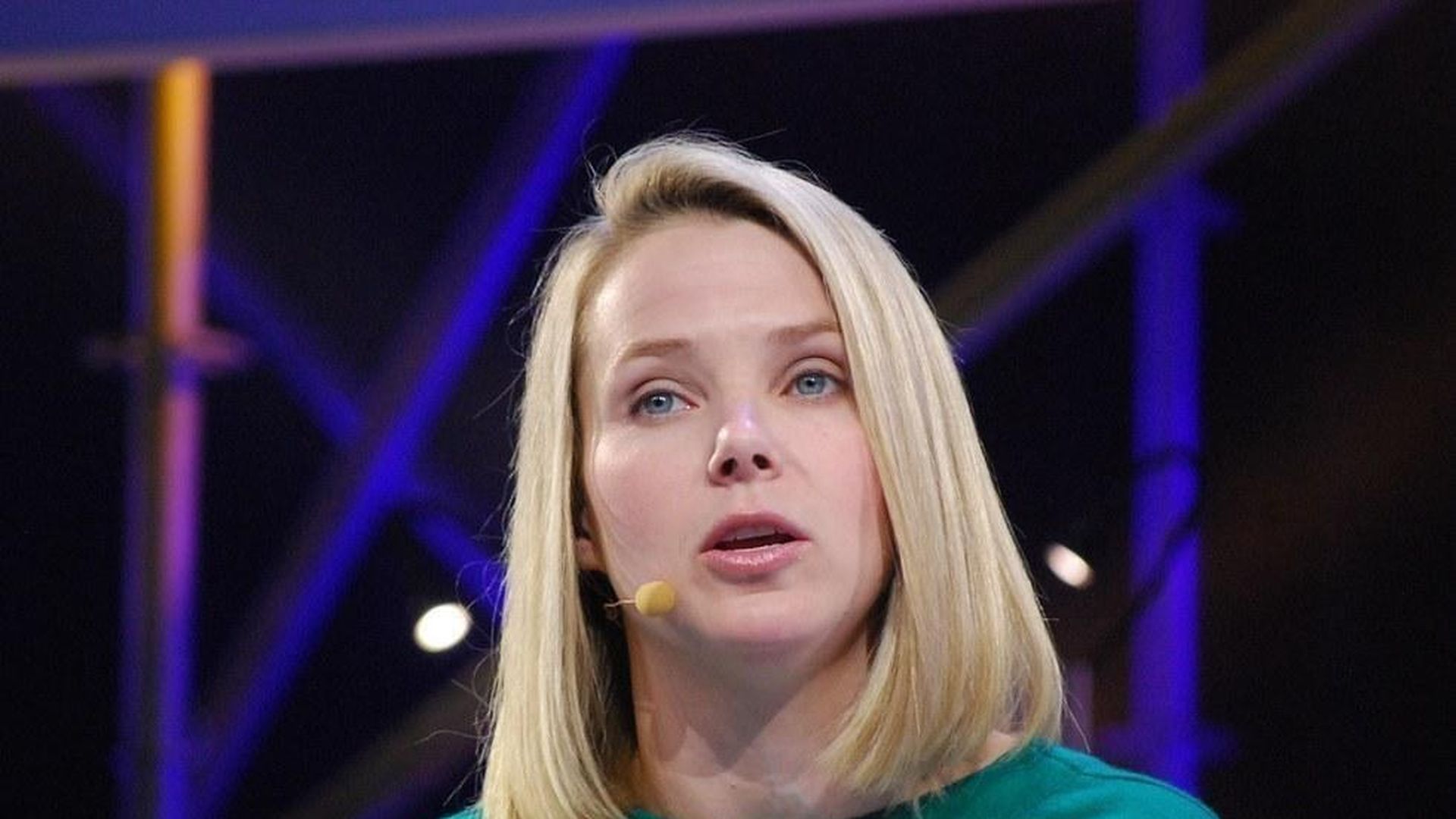
Yahoo's CEO Marissa Mayer is slated to receive a windfall of $186 million when much of the company's assets are sold to Verizon, according to multiplereports. That number is based on the value of equity and options she owns.
Why it matters: Mayer's tenure at Yahoo has been rocky, with the company's sale price ultimately being re-negotiated because of revelations of multiple security breaches.
Why it matters: This is one of the biggest steps Google has taken to combat fake news since the election. Google and Facebook, the two largest platforms and media distributors, have been under intense pressure for years, but more so since the election, to reassure advertisers that their content won't appear next to fake news sites or ads.