Thursday's technology stories

Intel, Microsoft miss on revenue; Amazon, Google up
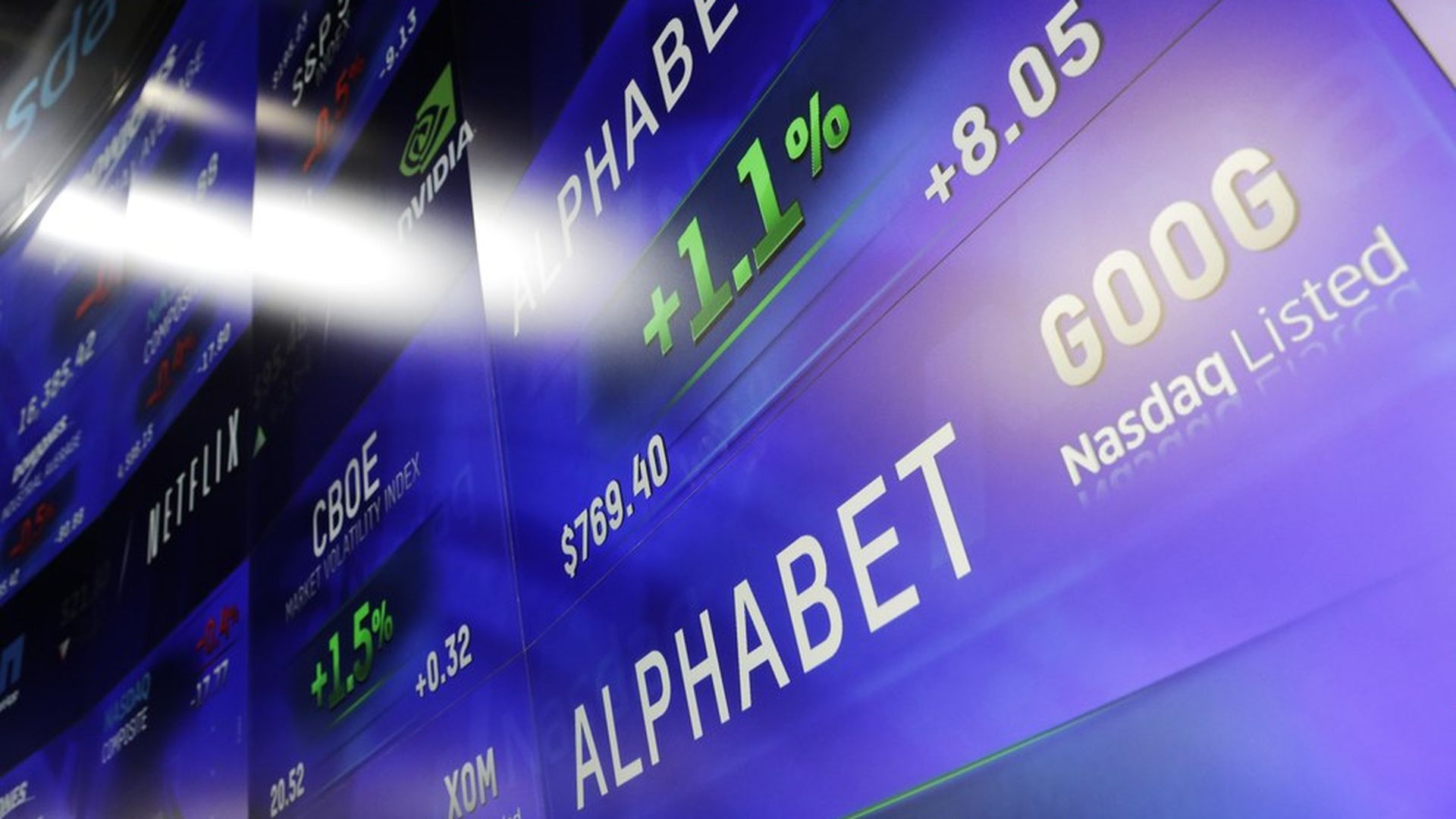
The tech sector saw mixed results as key companies Alphabet (aka Google), Intel, Microsoft and Amazon all reported earnings on Thursday. While all topped profit estimates, Intel and Microsoft saw revenue come in short of some expectations, sending shares of those two companies lower.

Uber self-driving chief steps aside amid Waymo lawsuit
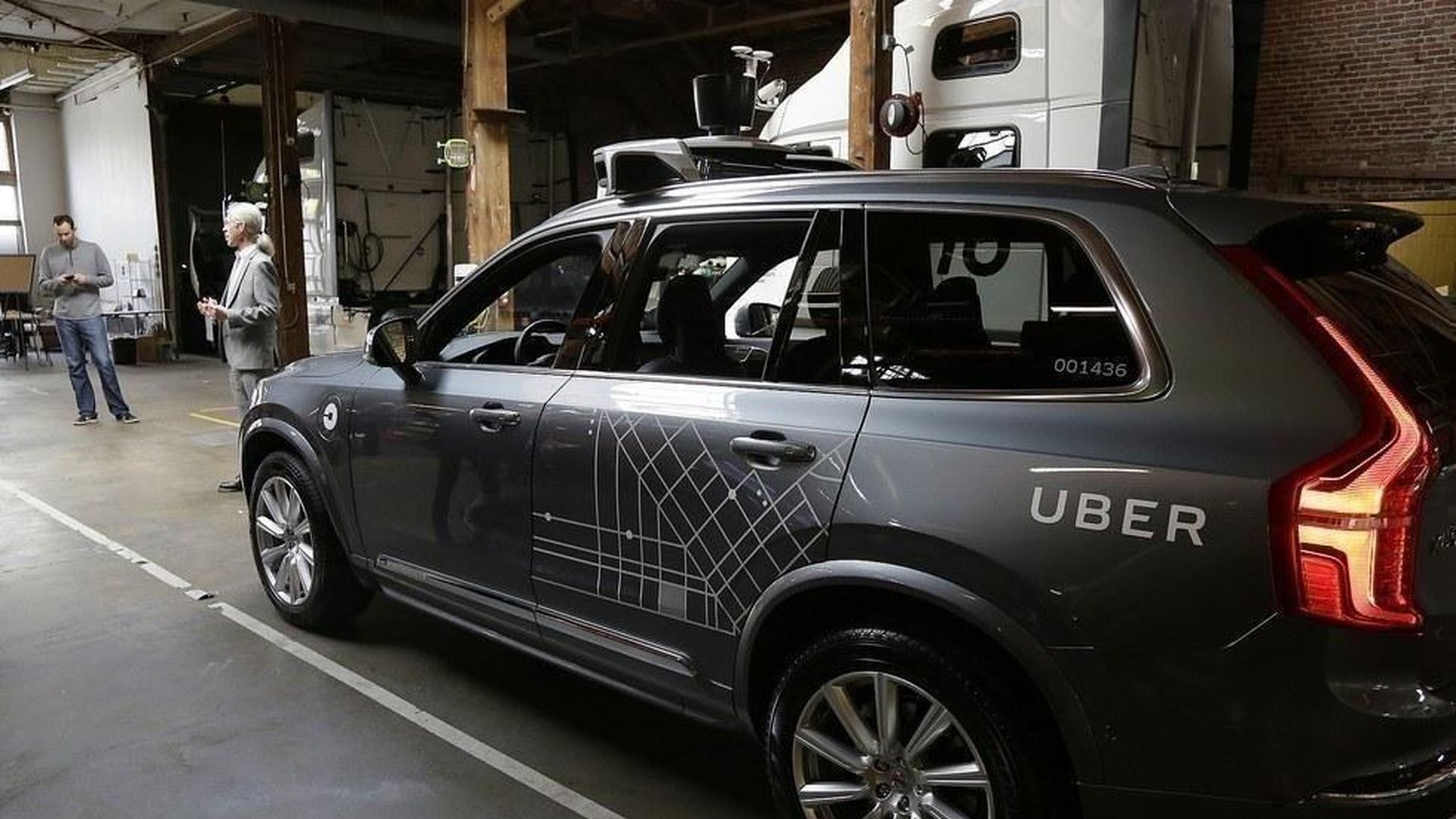
Anthony Levandowski, the Uber self-driving car chief at the center of an ongoing legal battle with Waymo over trade secrets, will no longer oversee relevant technology and product development, according to an email obtained by Business Insider. Uber confirmed the move to Axios.
While Levandowski will remain in Uber's Advanced Technologies Group and will still work on operations and security, Eric Meyhofer will now head the division.
Why it matters: Waymo has repeatedly made an issue of Levandowski's continued involvement with Uber's self-driving car efforts. Waymo has also pointed to his involvement as a reason why the court should grant its request for a preliminary injunction of Uber's autonomous driving program.
Amazon rakes in $35.7 billion in sales, beating expectations
Amazon raked in $35.7 billion in sales this past quarter, beating analyst expectations and up 23% since the year-ago quarter, the company said on Thursday in its latest earnings report.
The online retail giant also touted its nine-month-old business in India, where product selection for its Prime membership service has grown 75% since launch. It's also announced 18 original TV series for the country and recently released a version of its Fire TV Stick for media streaming customized with search in both English and Hindi. In India, Amazon faces stiff competition from local companies like Snapdeal and Flipkart.
Other highlights:
- Slowdown in year-over-year sales growth across the board
- Amazon Web Services did $3.7 billion in sales this past quarter
- Net income of $724 million

Chromebook becomes unlikely competitor to Apple, Microsoft
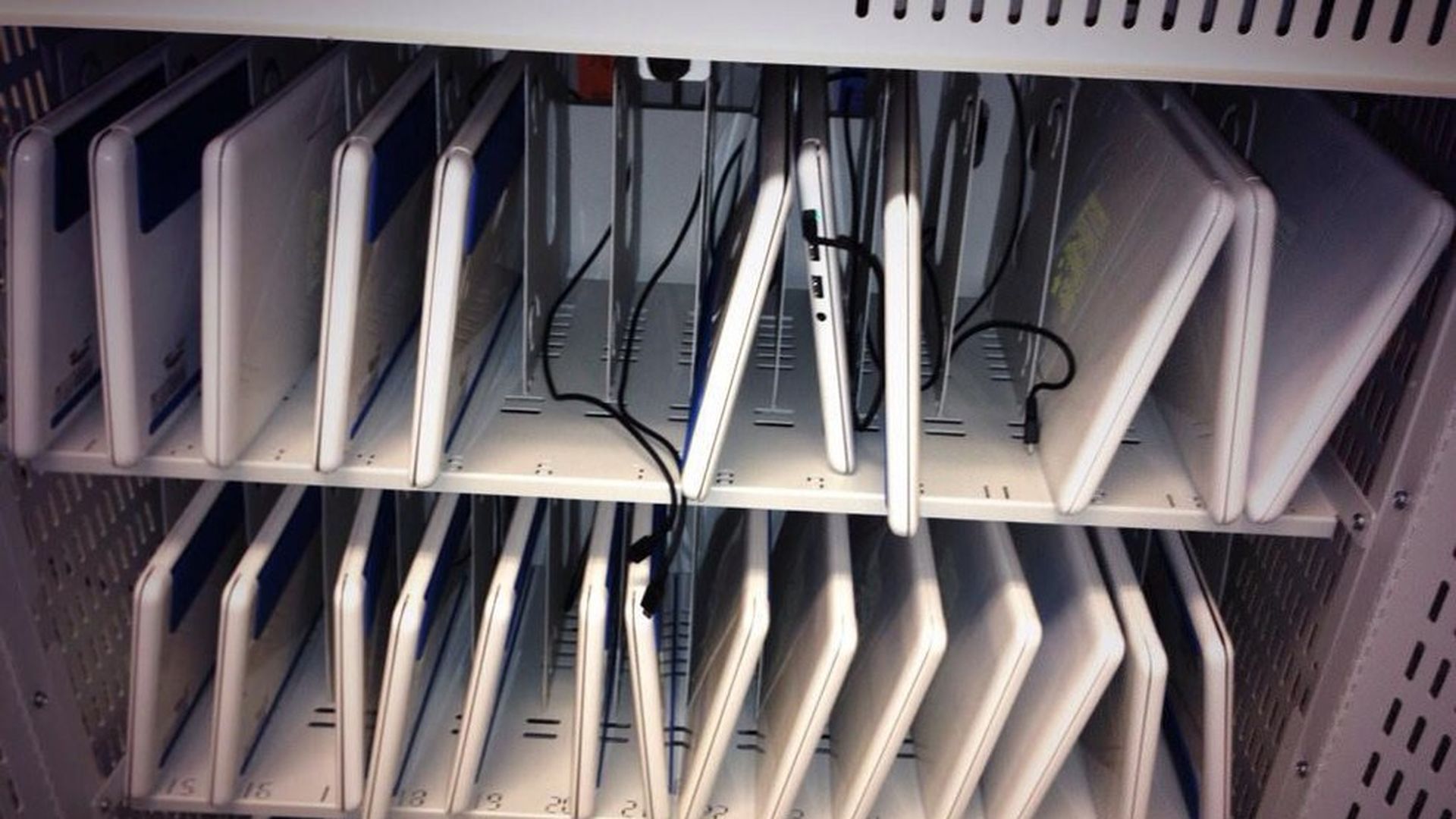
In 2013 Chromebooks became the fastest-growing segment of the PC market as it started expanding its sales in school districts. By fall of 2014 Chromebooks shot ahead of iPad shipments for educational purposes, and last year, Chromebooks outsold Mac OS devices in the market despite expectations for it to fail from the outset.
Why Chromebook's getting ahead: It's not just about price. One of the big appeals is each student can log into any Chromebook and as soon as they log out another student can use it. They are also easy to manage, have no software to install, and update automatically — schools typically have little to no IT support, so the full hardware solution Chromebooks offer is key.
Why it matters: Apple and Microsoft have taken note, and may be trying to catch up, per TechCrunch. The opportunity to expose first-time computer users in K-12 spaces to your product and turn them into lifelong users is too good to pass up.
Waymo and Uber spar over employment contract
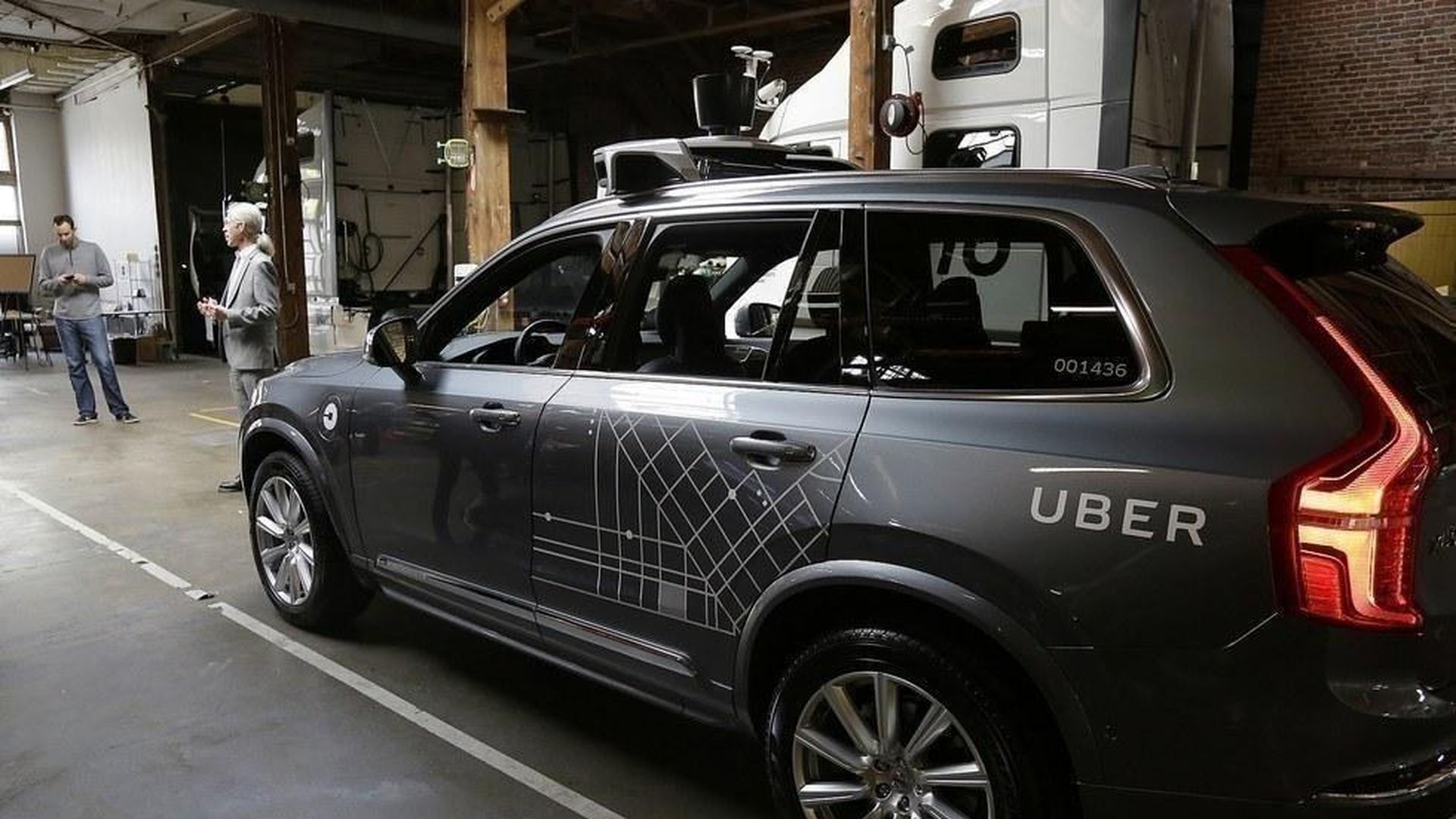
In an attempt to avoid having its lawsuit against Uber sent to arbitration, Alphabet's self-driving car unit told a judge it wouldn't use its employment contract with a former employee to prove its claims that the ride-hailing company is using stolen trade secrets.
At the center of the debate at Thursday's hearing in district court is an arbitration clause in Waymo's employment contract with the former employee, Anthony Levandowski.
Waymo's take: The Alphabet unit argues that its contract only covers parties that signed it. In this case, Waymo says, it's suing Uber for using stolen trade secrets—not Levandowski for breaching his contract.
Uber's take: The ride-hailing company says that Waymo's lawsuit is entirely based on Levandowski's actions, and the arbitration clause should therefore apply.
What's next: The judge is expected to make a decision after the parties file responses to additional questions by Monday.

Trump's tweets are creating new security threats
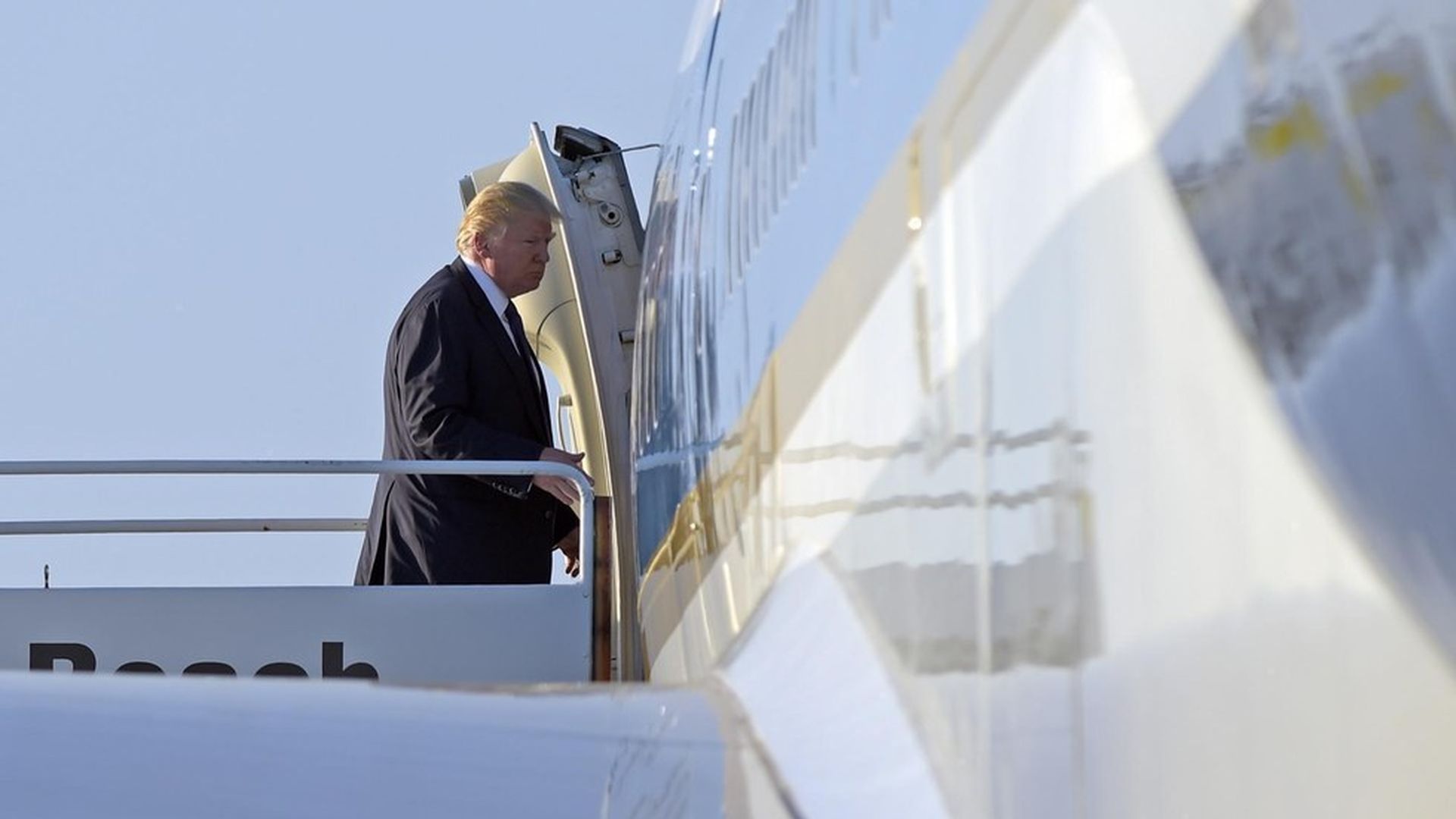
Politico highlighted a uniquely Trumpian headache for Secret Service: Twitter. Trump's tweeting creates an inundation of presidential threats via social media that the agency is not equipped to handle, forcing agents to quickly decide what's credible and what isn't.
"The Twitter thing is creating a lot of hassles. It's generated a tidal wave of threats that the Secret Service can't ignore," a former member of the presidential detail told Politico.
Another tidbit: During his first few months in office, Trump reportedly planned and cancelled two trips back home to Trump Tower and another to his golf club in Bedminster, New Jersey.
IBM patents drone-to-drone package exchange
Sending a package by drone is so yesterday. The new thing, at least according to a newly granted IBM patent, is handing off a package from one drone to another. The technique could extend the range of drone package delivery, or allow your drone to meet the shipper's drone mid-air for an exchange, thereby lessening the risk of a package being stolen.
Why it matters: Drones, and especially drone-based delivery is a hotly competitive area with UPS, Amazon and others experimenting to see what's possible. While IBM isn't likely to start making its own drones, the future of helping businesses transform themselves — IBM's bread and butter — involves embracing such technologies,
Our standard patent disclaimer: Getting a patent means someone at a company thought up the idea and the company thought it was worth protecting, not that any such product or service will ever become reality.
Juno, the 'anti-Uber' startup, sells to Gett for $200 million

Before Juno even made it beyond New York City, the ride-hailing company has already sold to Gett, a competitor headquartered in Israel and with operations in Europe. The two will team up to tackle NYC, and eventually expand to more U.S. cities.
One notable piece of the $200 million acquisition is that Juno is rescinding the restricted stock unit program for drivers it rolled out last summer, and will send a one-time payment to participating drivers. The RSU program was the differentiator that immediately attracted the most attention when Juno first opened up shop last year, advertising itself as the "anti-Uber."
Slack releases new diversity data with a twist
Slack, the popular workplace chat tool, has released its second workforce diversity report, and this year it has added data about employees identifying as LGBTQ and with disabilities. Overall, Slack's workforce gained a few more women in its technical and managerial ranks since the previous year, though its total percentage of female employees remained the same.
And while it does have a slightly more racially and ethnically diverse workforce than other tech companies that have released reports, most of Slack's employees are still white or Asian across all ranks and functions.
Amazon's new Echo is a fashion assistant with a camera
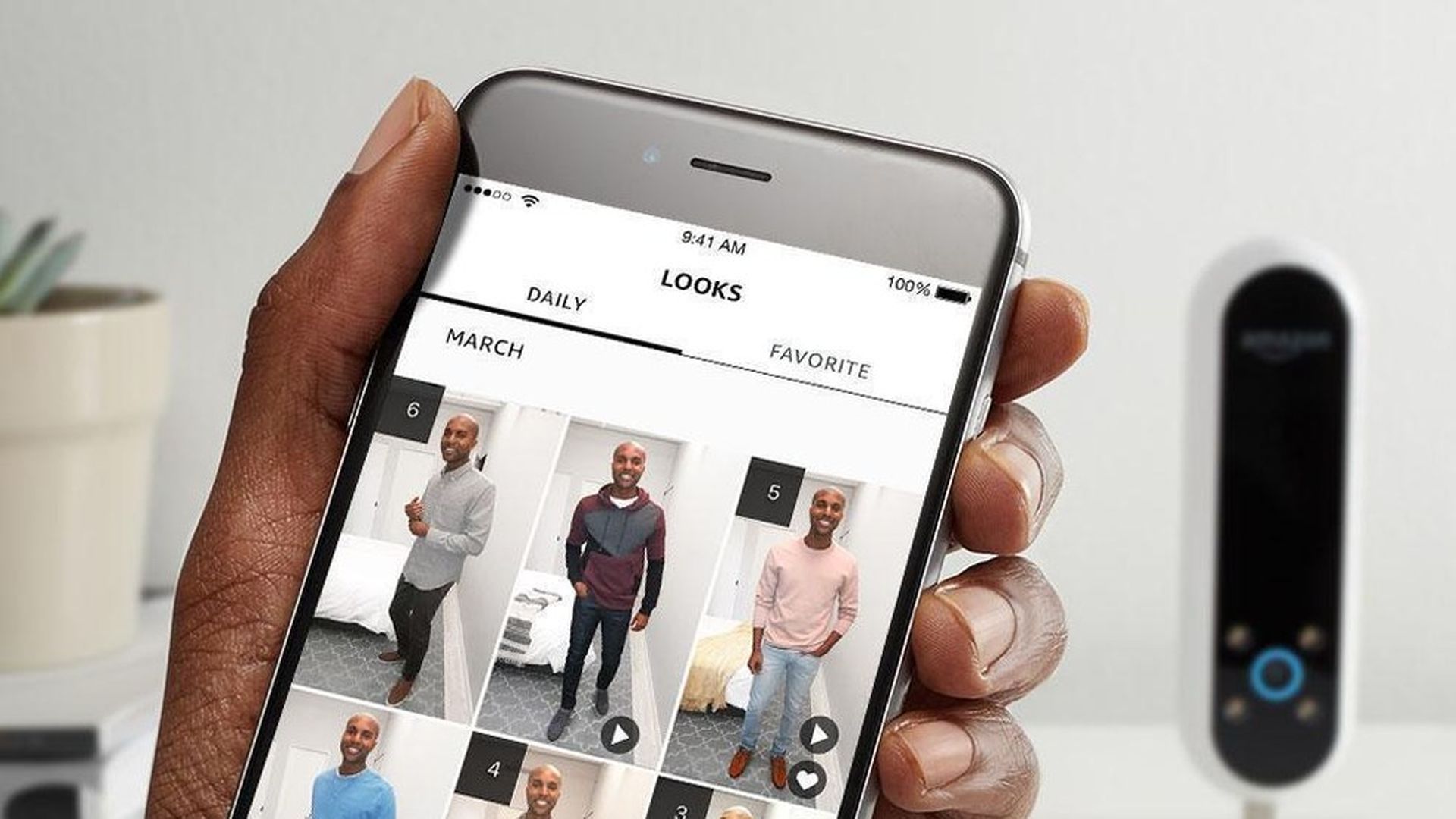
Amazon's Echo product has a new addition to the line: the Echo Look, a voice-controlled assistant geared at helping customers with their wardrobe choices.
How it works: Equipped with a camera, the Echo Look can take pictures and photos of the customer's outfit that can then be shared, and provide feedback on two outfit options via algorithms and human style experts.
Why it matters: The Echo continues to compete with Google Home and other similar products, and this version lets Amazon introduce a camera into customers' homes. Also, while this could make it easy for the company to start making much more accurate recommendations for apparel, privacy advocates may not be comfortable with the idea of an Amazon-owned camera in the closet.

Snapchat wants to beat Facebook at video content
Snapchat has launched over a dozen exclusive mobile partnerships this year, many of which are with TV networks, hoping to reach millennials who are cutting the cord. By comparison, Facebook and Twitter have been slow to win over publishers for exclusive video deals, focusing instead on pursuing live-streaming contracts, particularly in sports, and entertainment.
Why it matters: Snapchat can't stop Facebook from copying its features and eating its 'Stories' audience, so the self-proclaimed "camera company" is setting itself up to beat Facebook in the content game. Specifically, Snap is hoping to capture a piece of the roughly $70 billion U.S. TV ad market.