Friday's technology stories

These Google Play apps are a hacker's dream
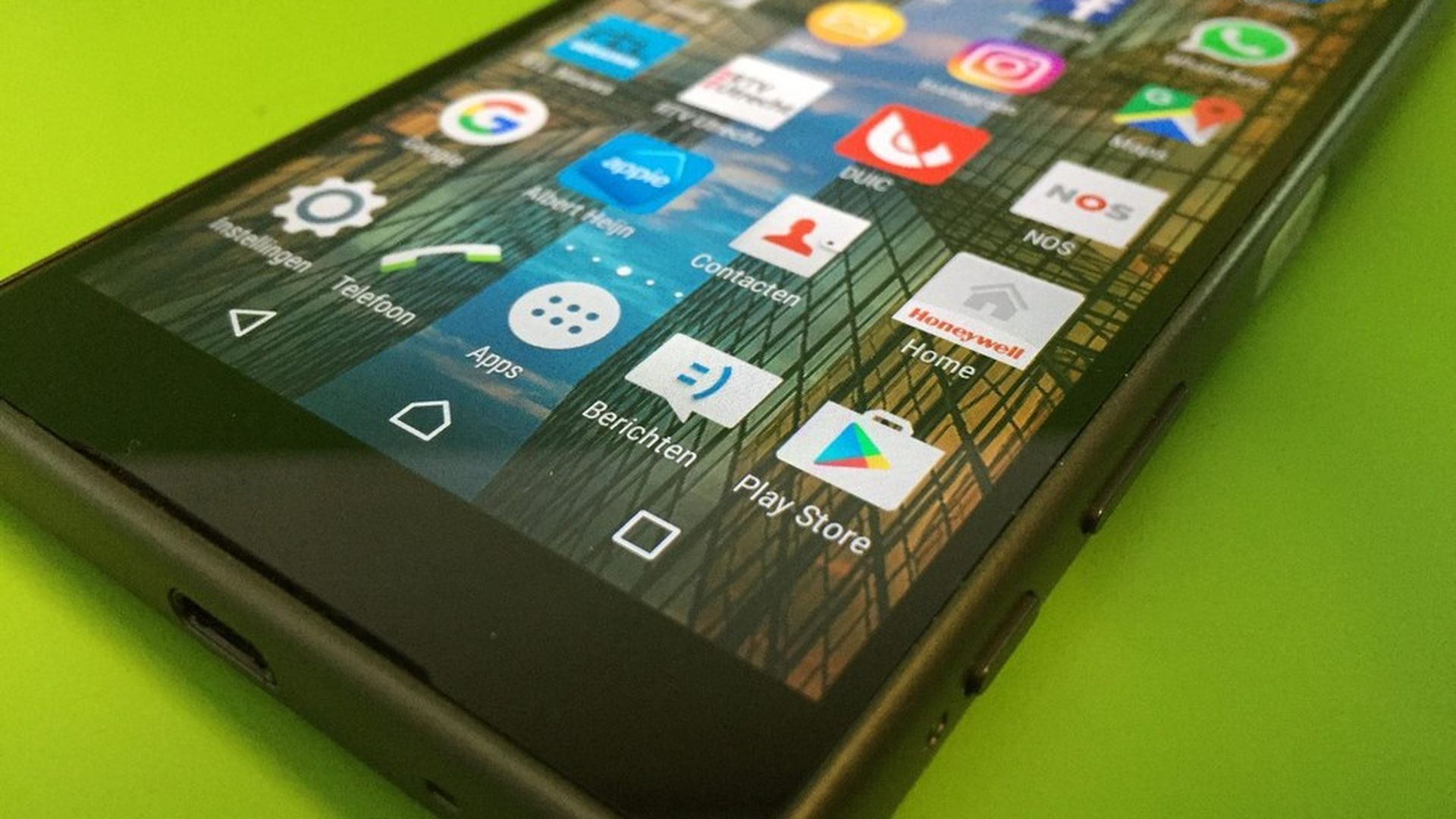
Tens of thousands of Android smartphone users are left open to hacks due to a backdoor vulnerability in the Google Play app store. Hackers can use that backdoor in the apps, including Wifi File Transfer and AirDroid, to wiggle into these smartphones with one of the most basic hacking techniques.
How it works: Apps in Google Play essentially turn the phone into a server, which allows users to connect to their phone from their computer via a "port."
Why it matters: That "port" is also open to hackers who can steal data, like contacts or photos. Hackers can also install malware. And it's not just one or two apps; University of Michigan researchers found 1,632 apps opening this kind of port.
The kicker: As one of the researchers, Yunhuan Jia, put it: "The user can do nothing. Google can do nothing."

Apple confirms it won't make royalty payments to Qualcomm until dispute settled
Apple confirmed Friday that it won't make any further royalty payments to Qualcomm until a court weighs in on the dispute between the two companies. Earlier on Friday Qualcomm lowered its quarterly earnings forecast, noting that Apple, via its suppliers, had stopped making payments.
"We've been trying to reach a licensing agreement with Qualcomm for more than five years but they have refused to negotiate fair terms," Apple told Axios in a statement. "Without an agreed-upon rate to determine how much is owed, we have suspended payments until the correct amount can be determined by the court. As we've said before, Qualcomm's demands are unreasonable and they have been charging higher rates based on our innovation, not their own."
The context: Apple is suing Qualcomm for $1 billion and Qualcomm has filed a countersuit of its own. The legal battle is fraught for both sides, though, with Apple being one of Qualcomm's biggest customers and Apple needing Qualcomm's modems for the Verizon and Sprint versions of the iPhone.
Qualcomm cuts earnings forecast after Apple withholds more royalty payments
Qualcomm warned Friday that its quarterly earnings will be further dented as Apple has continued to withhold royalty payments amid an ongoing legal dispute. Apple had already withheld $1 billion in payments, money it believes it was owed by Qualcomm.
The disclosure Friday was that Apple, through its suppliers, is holding back further payments beyond the $1 billion that is the center of Apple's lawsuit against Qualcomm.
What it means: Qualcomm says it is now forecasting earnings of per-share earnings of 75 cents to 85 cents down from the 90 cents to $1.15 it predicted just nine days ago. That forecast imagined a range of scenarios around Apple, but Qualcomm noted the earlier outlook did not include the prospect of Apple withholding payments entirely.
What's next: As the two battle it out in court things could get even dicier. Apple still depends on Qualcomm's modems, especially for the Sprint and Verizon iPhones, for which there is no ready alternative. Qualcomm has thus far downplayed the option of halting chip supply, with CEO Steve Mollenkopf saying on last week's earnings call: "We expect to continue to be an important supplier to Apple now and into the future."
Intel, Microsoft miss on revenue; Amazon, Google up
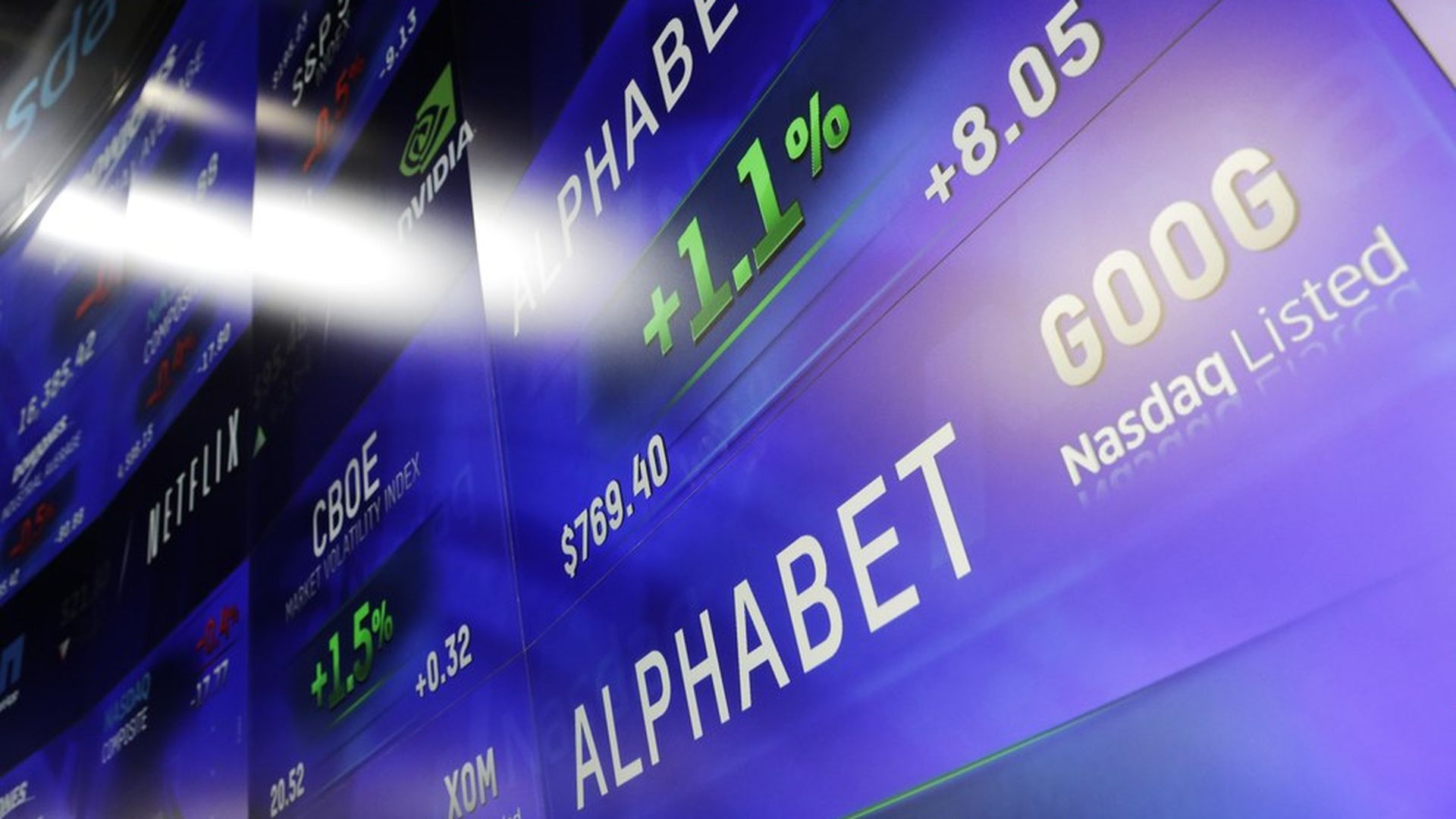
The tech sector saw mixed results as key companies Alphabet (aka Google), Intel, Microsoft and Amazon all reported earnings on Thursday. While all topped profit estimates, Intel and Microsoft saw revenue come in short of some expectations, sending shares of those two companies lower.

Uber self-driving chief steps aside amid Waymo lawsuit
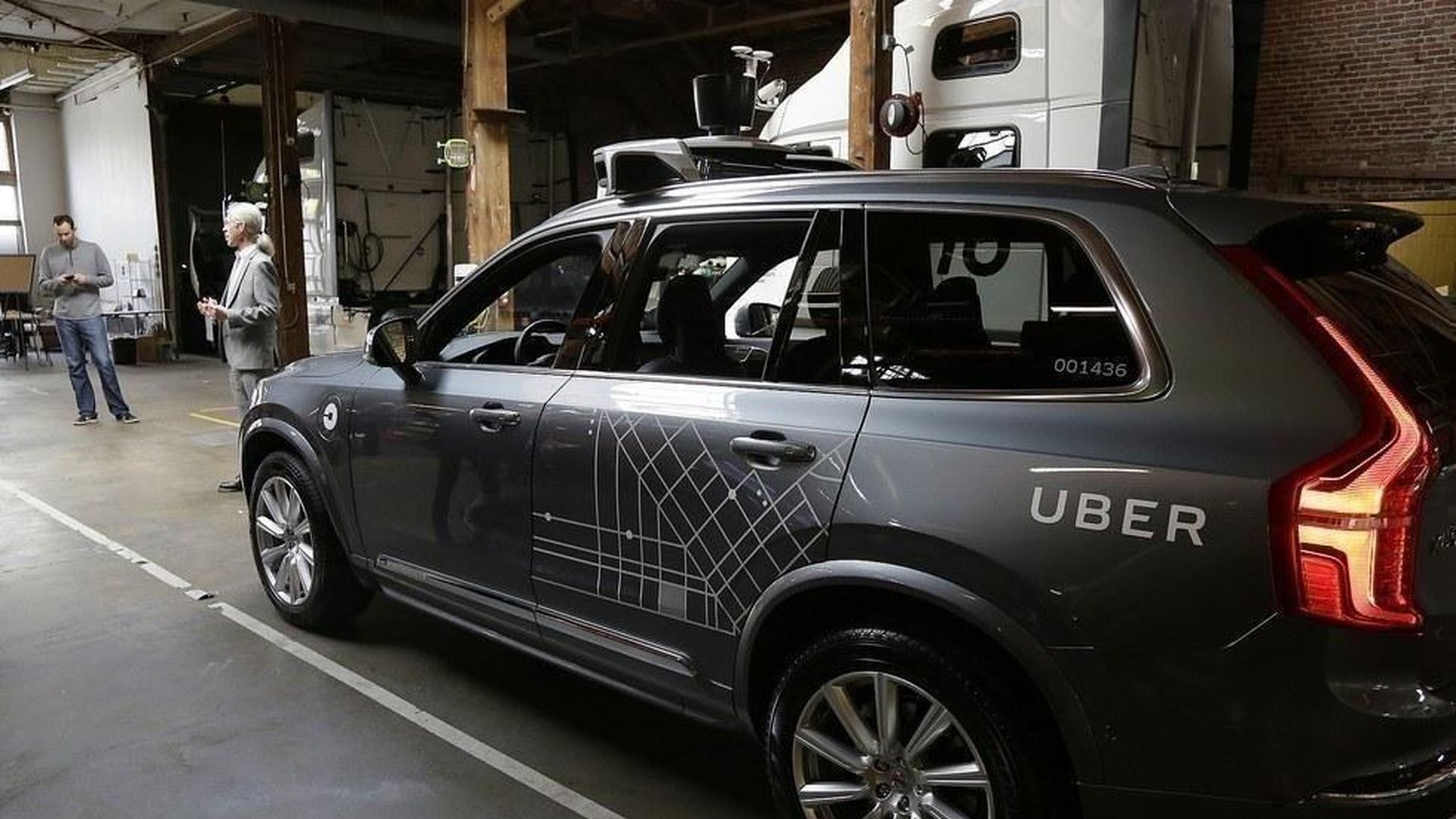
Anthony Levandowski, the Uber self-driving car chief at the center of an ongoing legal battle with Waymo over trade secrets, will no longer oversee relevant technology and product development, according to an email obtained by Business Insider. Uber confirmed the move to Axios.
While Levandowski will remain in Uber's Advanced Technologies Group and will still work on operations and security, Eric Meyhofer will now head the division.
Why it matters: Waymo has repeatedly made an issue of Levandowski's continued involvement with Uber's self-driving car efforts. Waymo has also pointed to his involvement as a reason why the court should grant its request for a preliminary injunction of Uber's autonomous driving program.
Amazon rakes in $35.7 billion in sales, beating expectations
Amazon raked in $35.7 billion in sales this past quarter, beating analyst expectations and up 23% since the year-ago quarter, the company said on Thursday in its latest earnings report.
The online retail giant also touted its nine-month-old business in India, where product selection for its Prime membership service has grown 75% since launch. It's also announced 18 original TV series for the country and recently released a version of its Fire TV Stick for media streaming customized with search in both English and Hindi. In India, Amazon faces stiff competition from local companies like Snapdeal and Flipkart.
Other highlights:
- Slowdown in year-over-year sales growth across the board
- Amazon Web Services did $3.7 billion in sales this past quarter
- Net income of $724 million
Chromebook becomes unlikely competitor to Apple, Microsoft
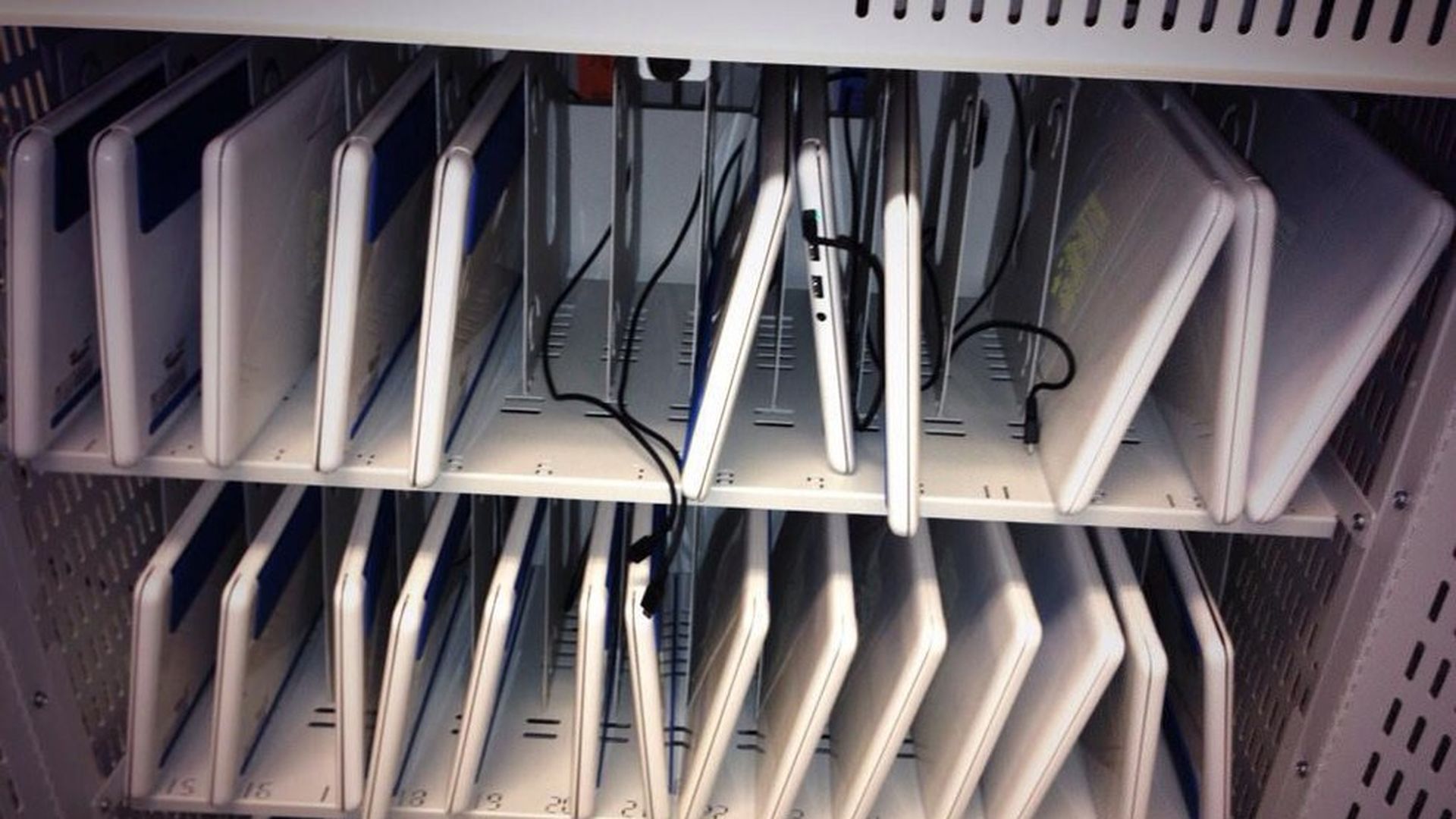
In 2013 Chromebooks became the fastest-growing segment of the PC market as it started expanding its sales in school districts. By fall of 2014 Chromebooks shot ahead of iPad shipments for educational purposes, and last year, Chromebooks outsold Mac OS devices in the market despite expectations for it to fail from the outset.
Why Chromebook's getting ahead: It's not just about price. One of the big appeals is each student can log into any Chromebook and as soon as they log out another student can use it. They are also easy to manage, have no software to install, and update automatically — schools typically have little to no IT support, so the full hardware solution Chromebooks offer is key.
Why it matters: Apple and Microsoft have taken note, and may be trying to catch up, per TechCrunch. The opportunity to expose first-time computer users in K-12 spaces to your product and turn them into lifelong users is too good to pass up.
Waymo and Uber spar over employment contract
In an attempt to avoid having its lawsuit against Uber sent to arbitration, Alphabet's self-driving car unit told a judge it wouldn't use its employment contract with a former employee to prove its claims that the ride-hailing company is using stolen trade secrets.
At the center of the debate at Thursday's hearing in district court is an arbitration clause in Waymo's employment contract with the former employee, Anthony Levandowski.
Waymo's take: The Alphabet unit argues that its contract only covers parties that signed it. In this case, Waymo says, it's suing Uber for using stolen trade secrets—not Levandowski for breaching his contract.
Uber's take: The ride-hailing company says that Waymo's lawsuit is entirely based on Levandowski's actions, and the arbitration clause should therefore apply.
What's next: The judge is expected to make a decision after the parties file responses to additional questions by Monday.

Trump's tweets are creating new security threats
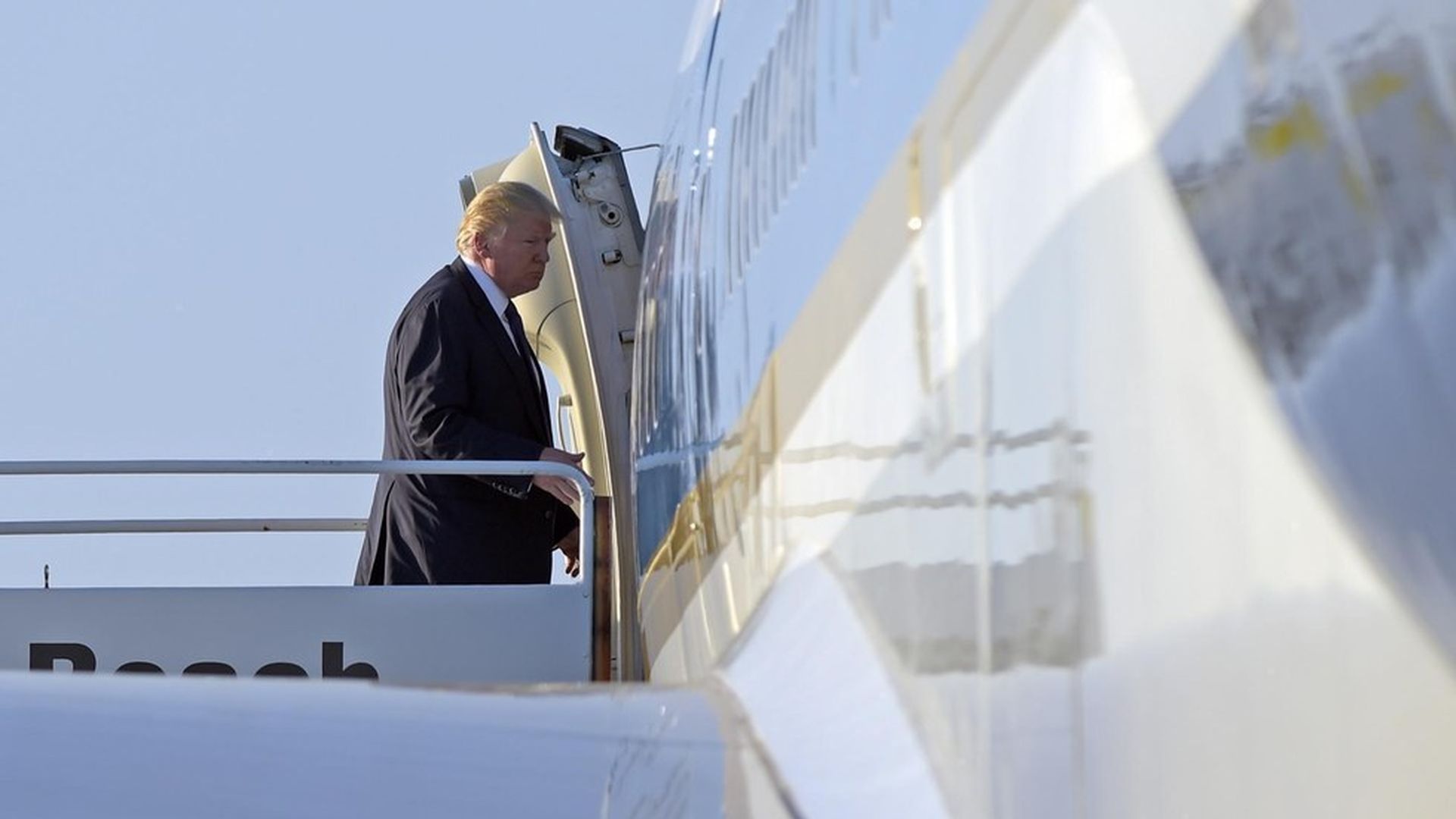
Politico highlighted a uniquely Trumpian headache for Secret Service: Twitter. Trump's tweeting creates an inundation of presidential threats via social media that the agency is not equipped to handle, forcing agents to quickly decide what's credible and what isn't.
"The Twitter thing is creating a lot of hassles. It's generated a tidal wave of threats that the Secret Service can't ignore," a former member of the presidential detail told Politico.
Another tidbit: During his first few months in office, Trump reportedly planned and cancelled two trips back home to Trump Tower and another to his golf club in Bedminster, New Jersey.