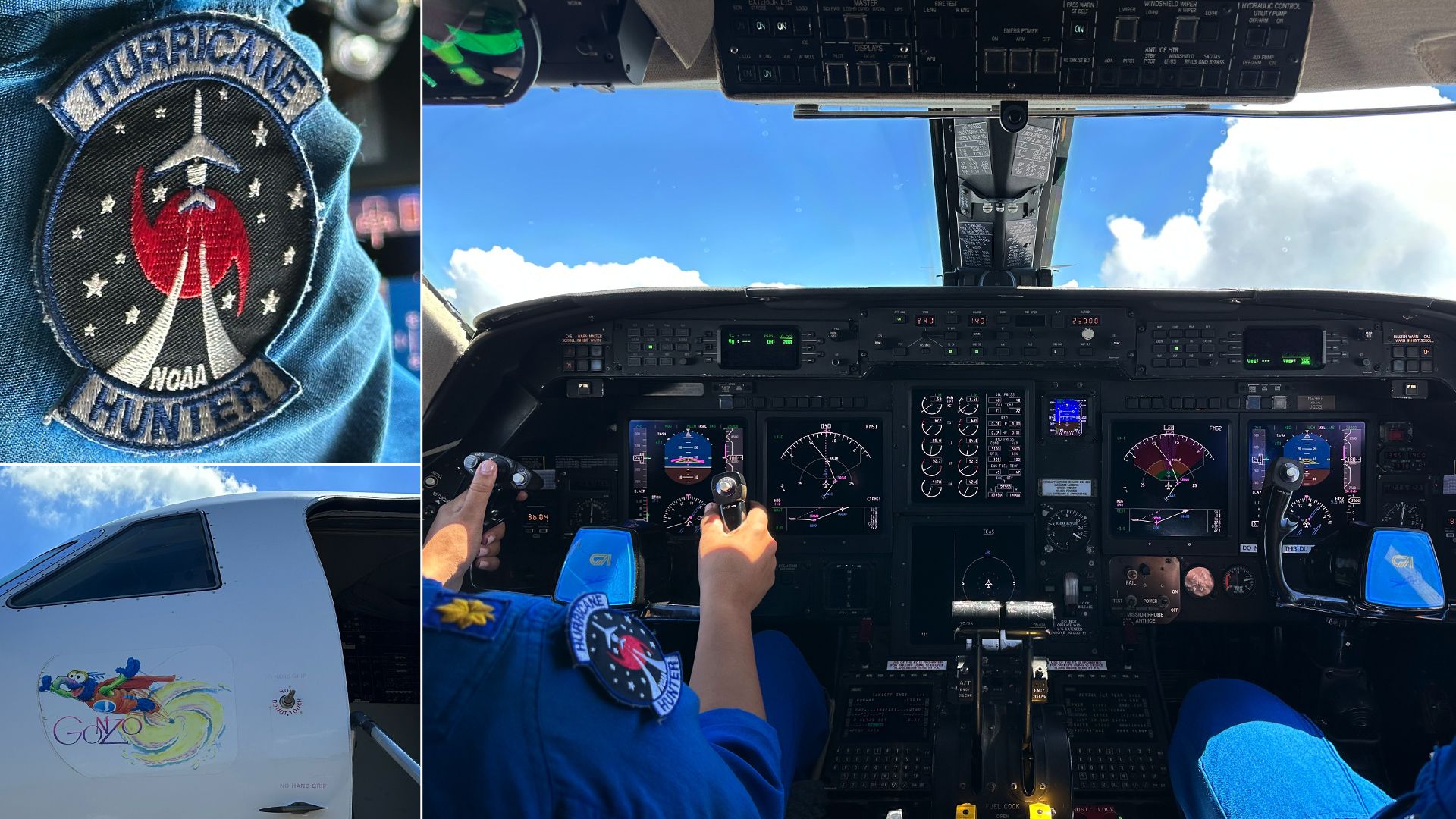
An NOAA-operated Gulfstream IV jet flying 50 miles north of Hurricane Lee's eye has a key purpose: To help forecasters determine where the storm is headed.
Why it matters: One of the biggest questions with these storms is knowing where they are headed far in advance. For Lee, it is whether it will directly impact eastern New England and the Canadian Maritimes.
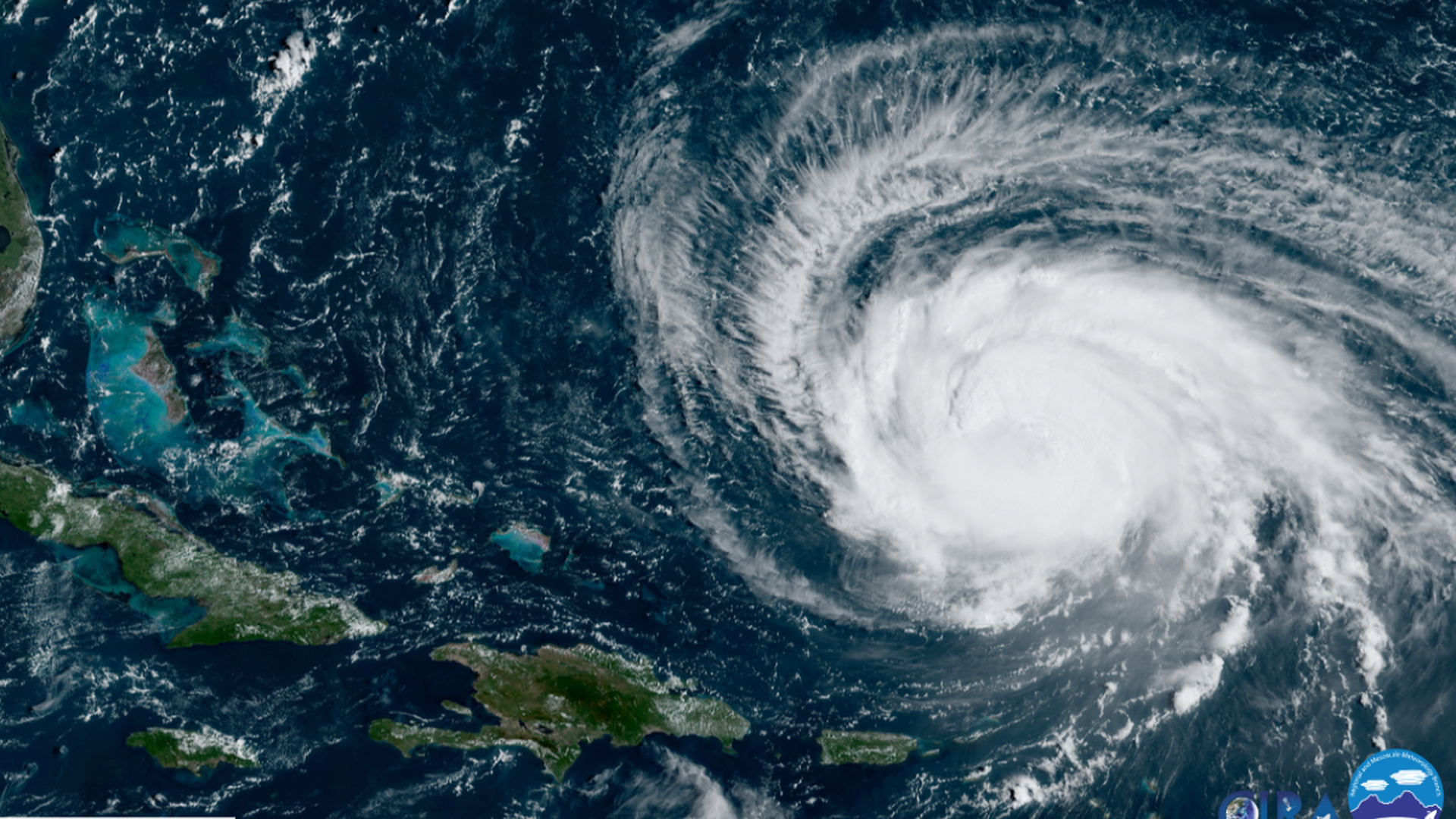
Hurricane Lee grew in size as it remained a major storm on Tuesday after regaining strength to a Category 3 level on Sunday.
Why it matters: Lee missed Puerto Rico, the Dominican Republic and Haiti and is swinging sharply to the right of them. It's expected to tear across open waters to the north, possibly bringing hazardous weather to the Northeast U.S. and Atlantic Canada toward the end of the week, per the National Hurricane Center (NHC).
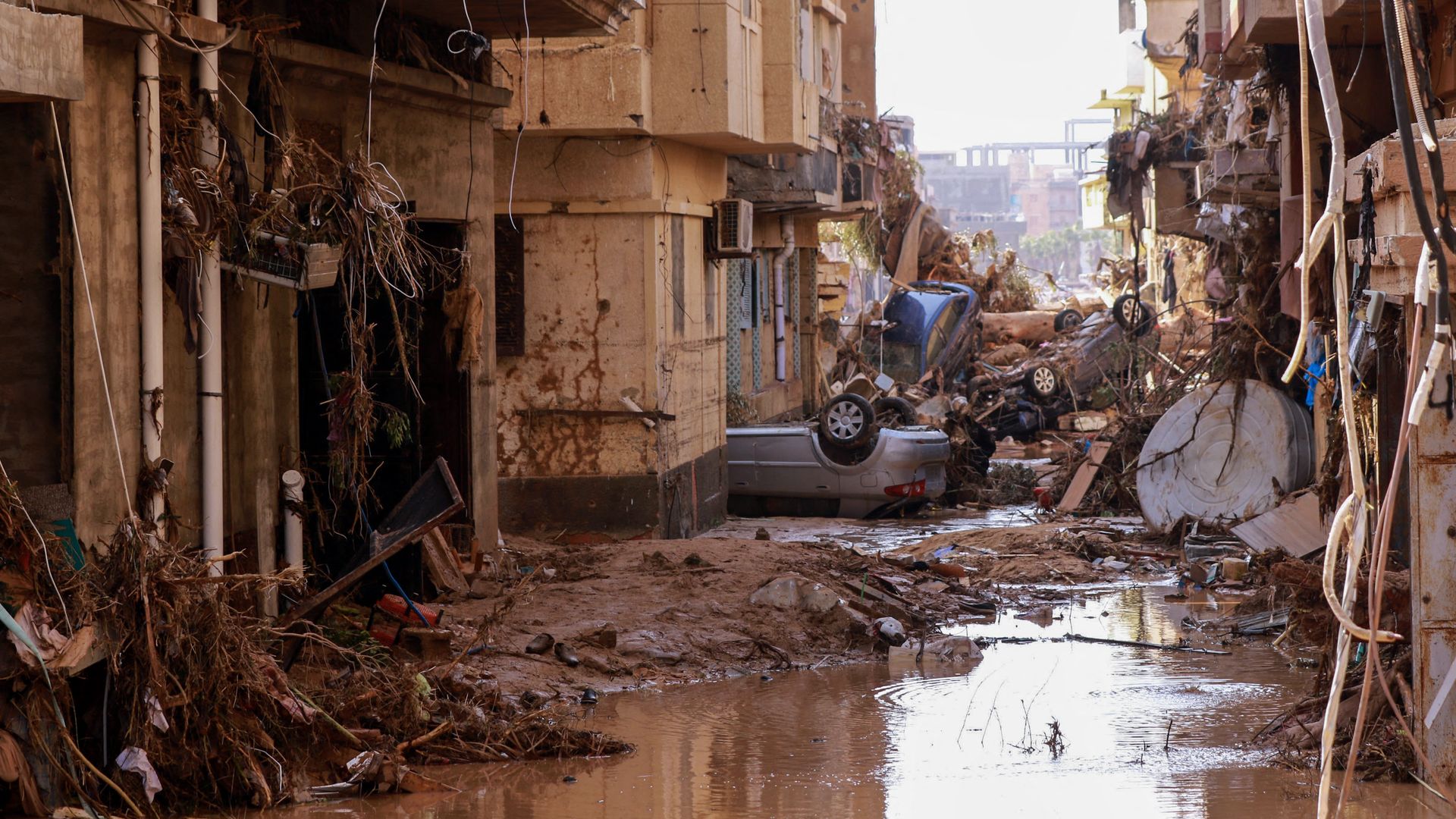
The death toll from a major storm that caused "catastrophic" flooding in northeastern Libya is expected to rapidly rise, with officials saying on Tuesday at least 10,000 people were still missing.
The big picture: Estimates by east Libyan officials put the death toll from Mediterranean Storm Daniel between 2,000 and 5,200 people as of late Tuesday local time.
The space industry has a labor problem that could keep it from reaching its full potential.
Why it matters: Some analysts predict the space economy will be worth up to $1 trillion by 2030, but that kind of growth takes a trained, robust workforce that the industry is currently strugglingto attract.
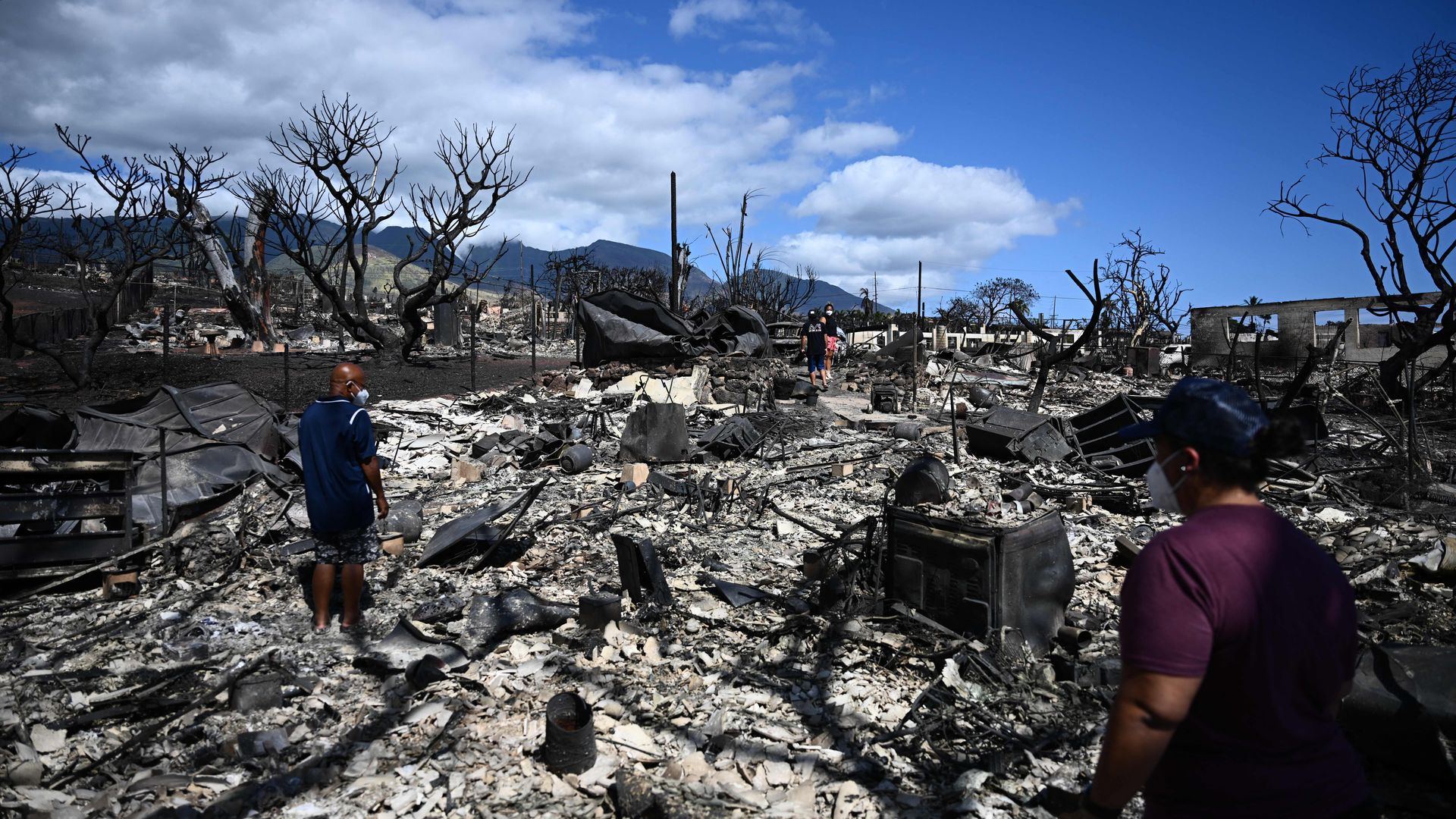
The U.S. experienced 23 separate billion-dollar weather and climate disasters in the first eight months of 2023 — the largest number since records began.
Driving the news: "With approximately four months still left in the year, 2023 has already surpassed the previous record of 22 events seen in all of 2020," per a statement from the National Oceanic and Atmospheric Association (NOAA) accompanying its report on the disasters Monday.
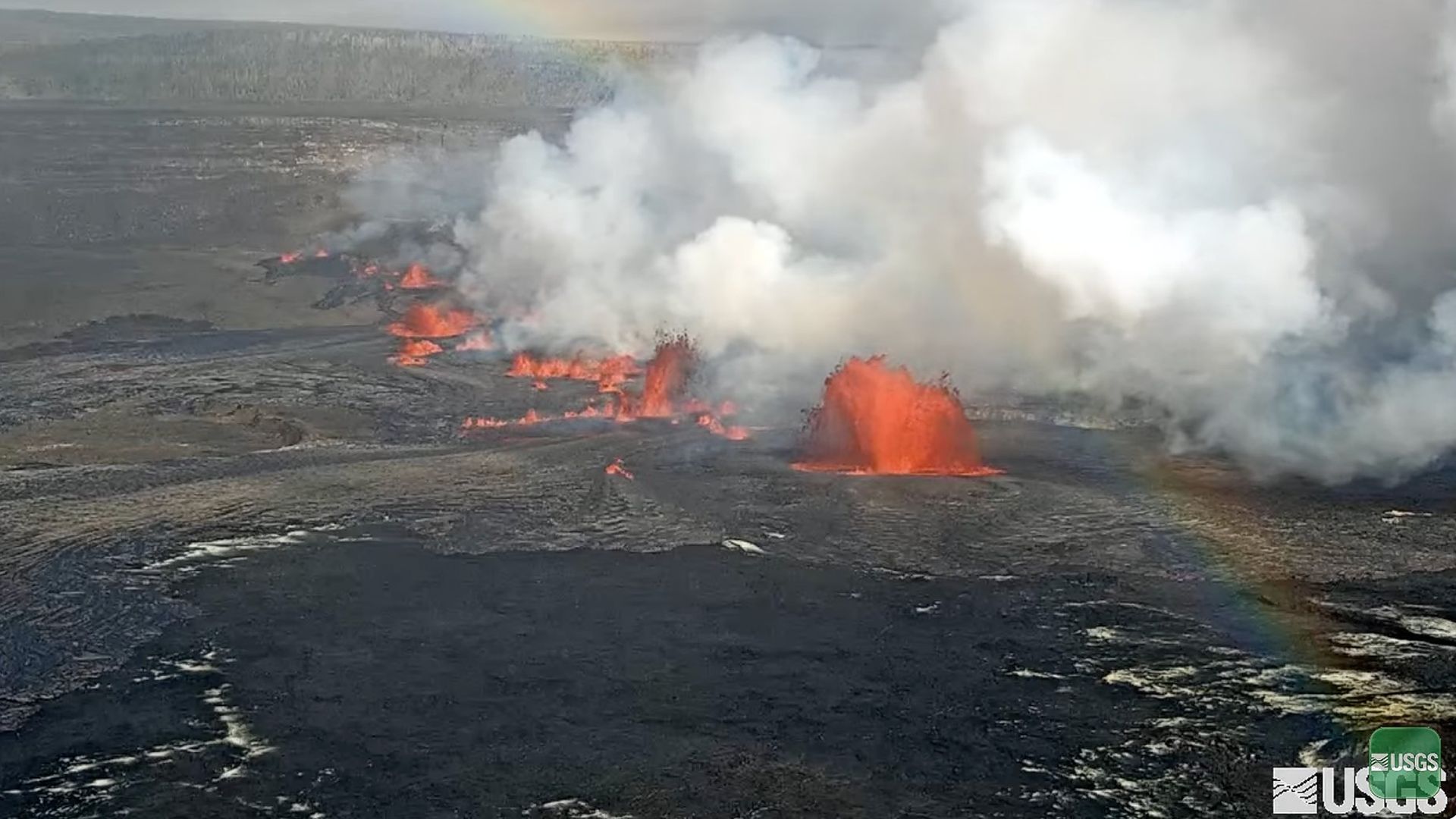
Kīlauea volcano on Hawai'i's Big Island began erupting Sunday, prompting the U.S. Geological Survey to raise the volcanic alert level from "watch" to "warning."
State of play: The USGS downgraded the alert level to "watch" on Monday, but Hawai'i Volcanoes National Park Service announced that the Keanakākoʻi viewing area was closed "due to unsafe air quality" from the eruption of Kīlauea — one of the world's most active volcanoes.