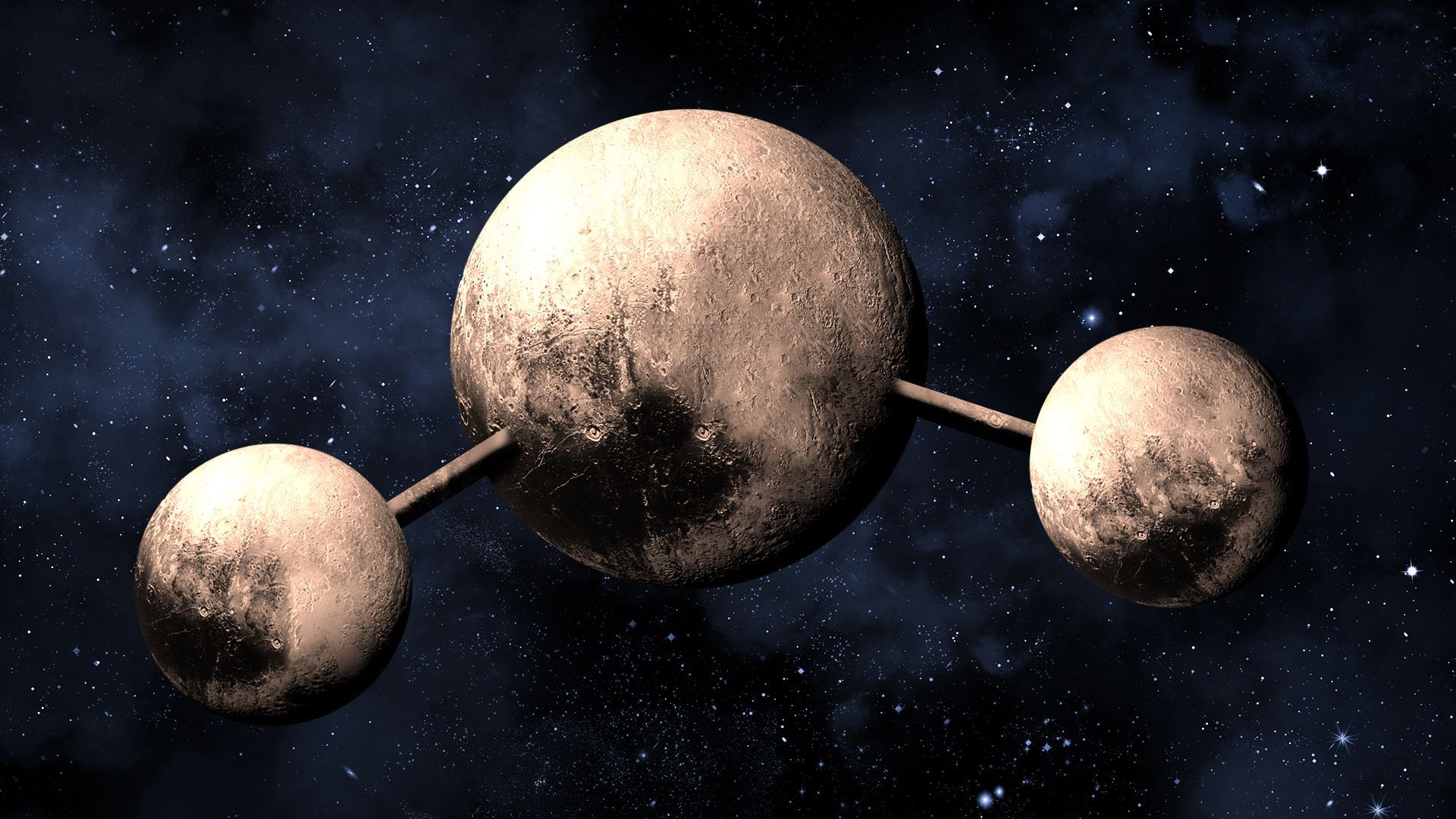
The atmospheres of planets beyond this solar system are coming into focus and helping scientists decide what constitutes evidence of life and where to look for it.
Why it matters: As increasingly sensitive telescopes and other tools study more exoplanets in search of signs of life, scientists are trying to hammer out a framework for determining — and communicating — if and when such extraordinary evidence is found.
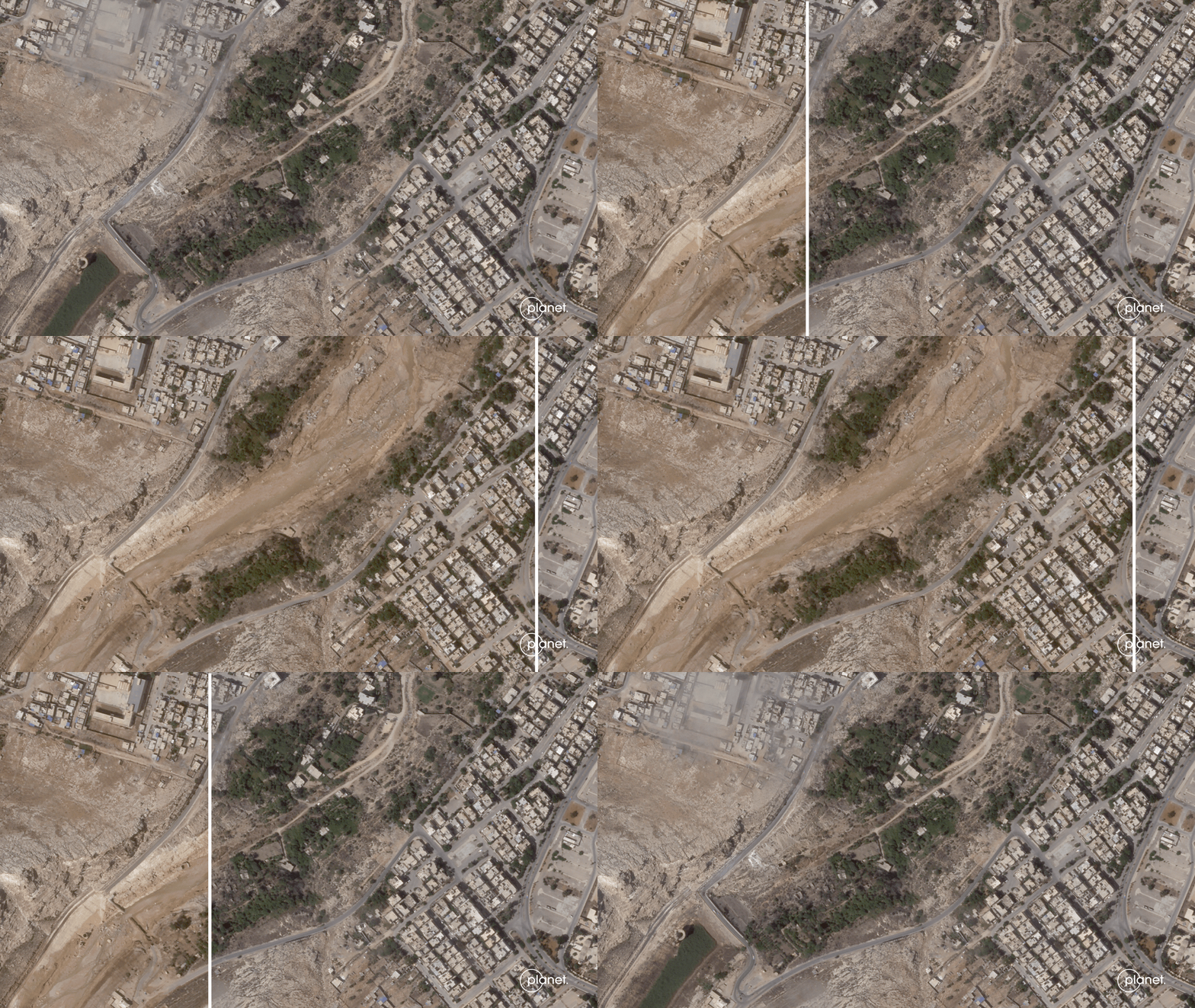
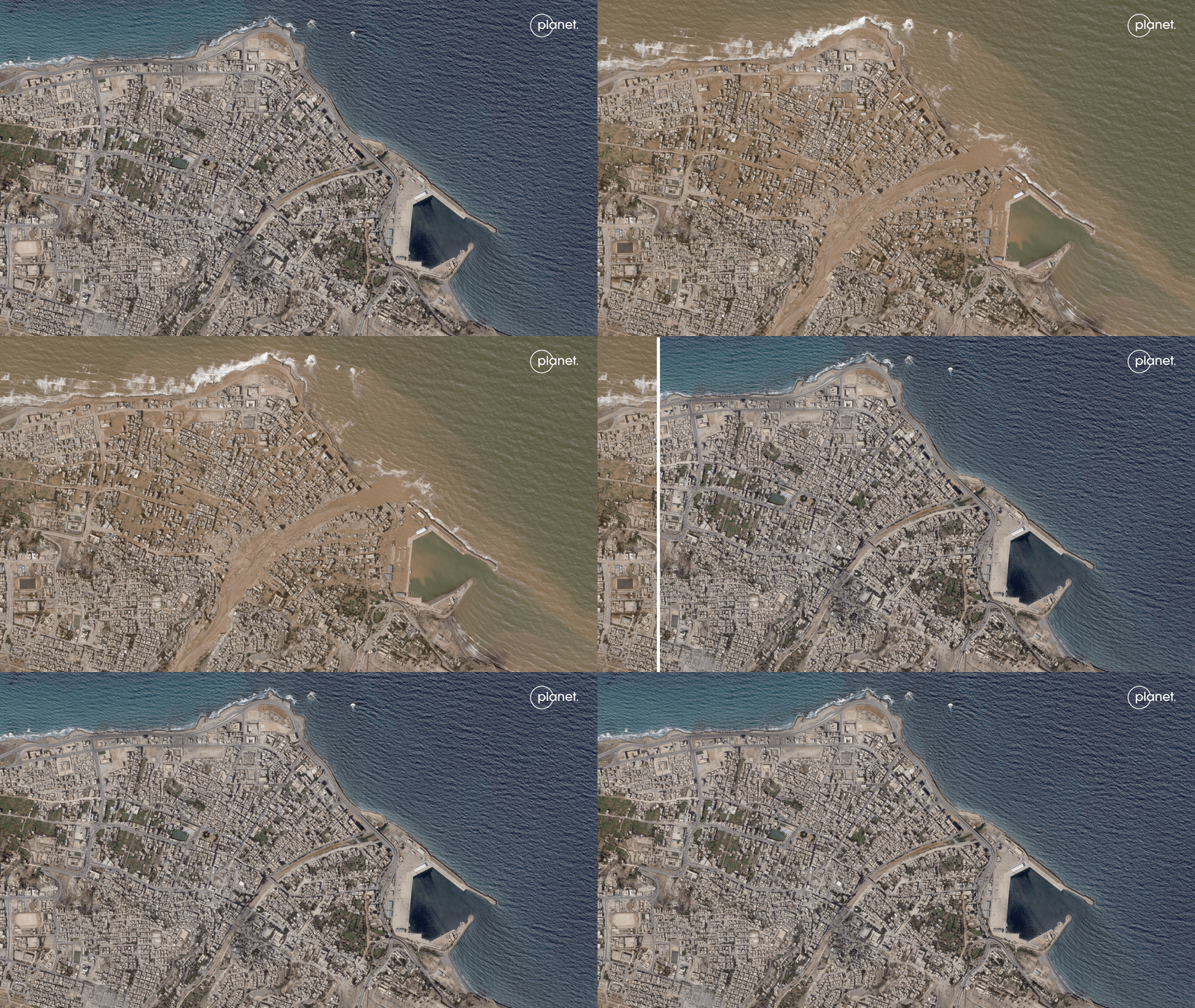
SkySat imagery of Derna, captured on Sept. 2 and 12, 2023. Satellite photo: Planet Labs PBC
The official death toll from this week's devastating flooding in northeastern Libya surpassed 5,500 people on Thursday, but it is expected to significantly rise, with the mayor of the most affected city, Derna, saying as many as 20,000 people are feared dead.
Driving the news: Mediterranean Storm Daniel brought strong winds and heavy rains to east Libya Sunday into Monday, causing floodwaters to burst through dams, destroy homes and buildings, and wash away entire neighborhoods.
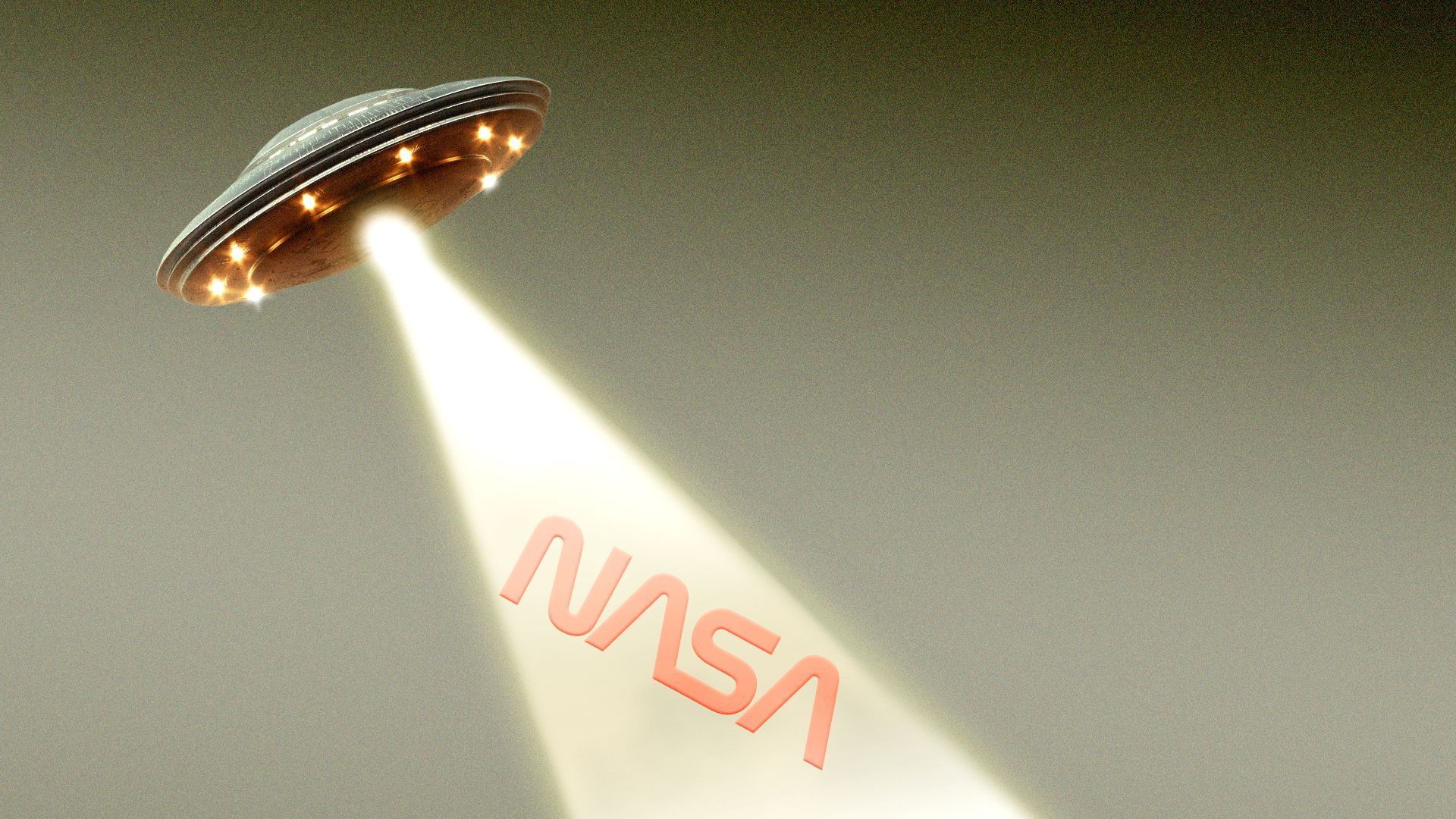
NASA released on Thursday the first report from the unidentified anomalous phenomena (UAP) study team, which found no evidence of aliens but suggests NASA could aid in government efforts to figure out what UAP are.
The big picture: Unlike much of the data on UAP that falls under the purview of the Department of Defense, NASA is focused on making its data unclassified and public, showing the public how science like this is done.
SkySat imagery of Derna, captured on Sept. 2 and 12, 2023Satellite photo: Planet Labs PBC
Satellite images taken before and after floodwaters in northeastern Libya burst through dams and wiped out buildings and entire neighborhoods show the sheer scale of the deadly destruction caused by Mediterranean Storm Daniel.
The big picture: East Libyan officials say at least 5,500 people were killed in the floods, though the mayor of the most affected city, Derna, warned Thursday that the death toll could reach as many as 20,000.
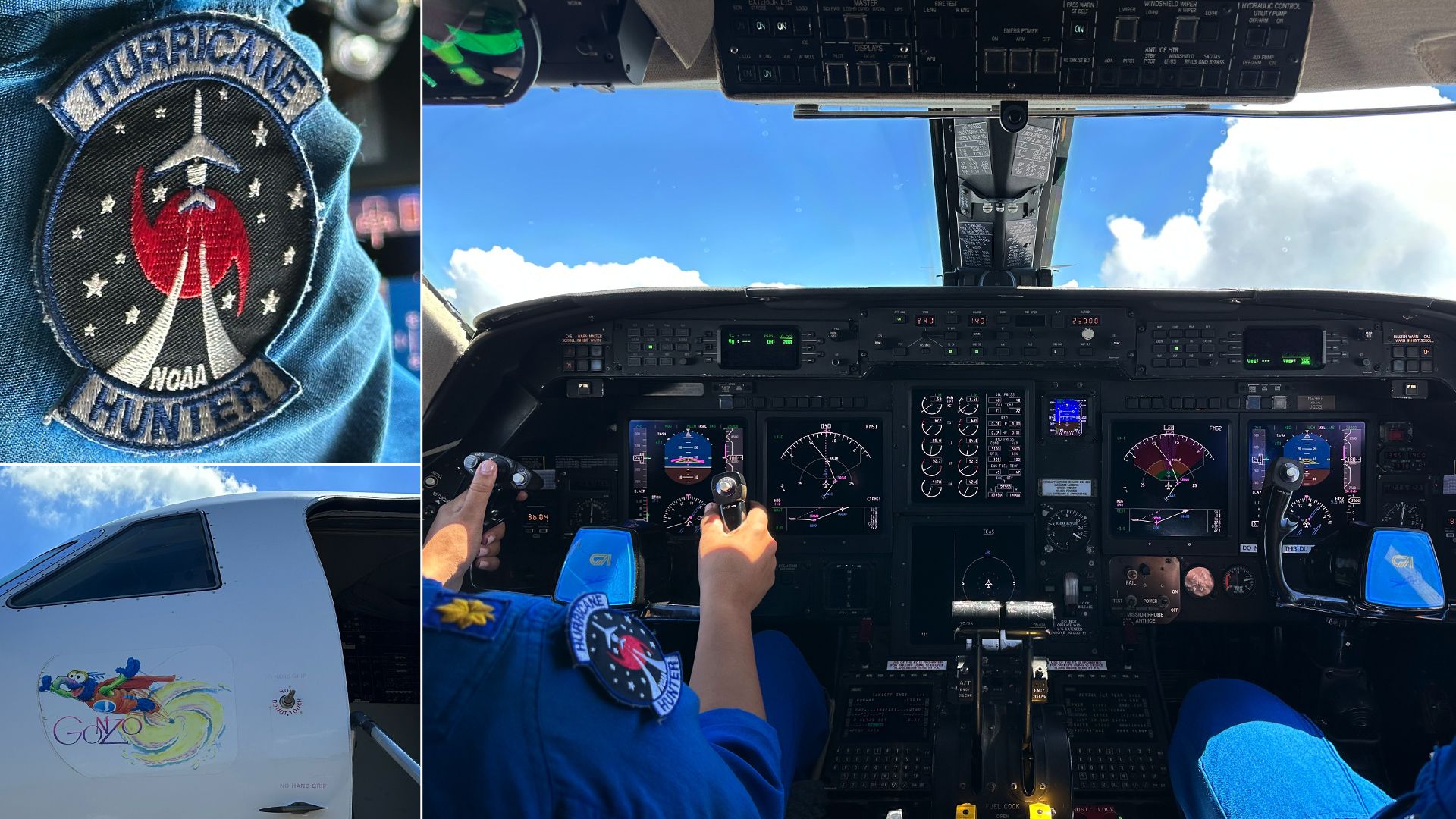
An NOAA-operated Gulfstream IV jet flying 50 miles north of Hurricane Lee's eye has a key purpose: To help forecasters determine where the storm is headed.
Why it matters: One of the biggest questions with these storms is knowing where they are headed far in advance. For Lee, it is whether it will directly impact eastern New England and the Canadian Maritimes.
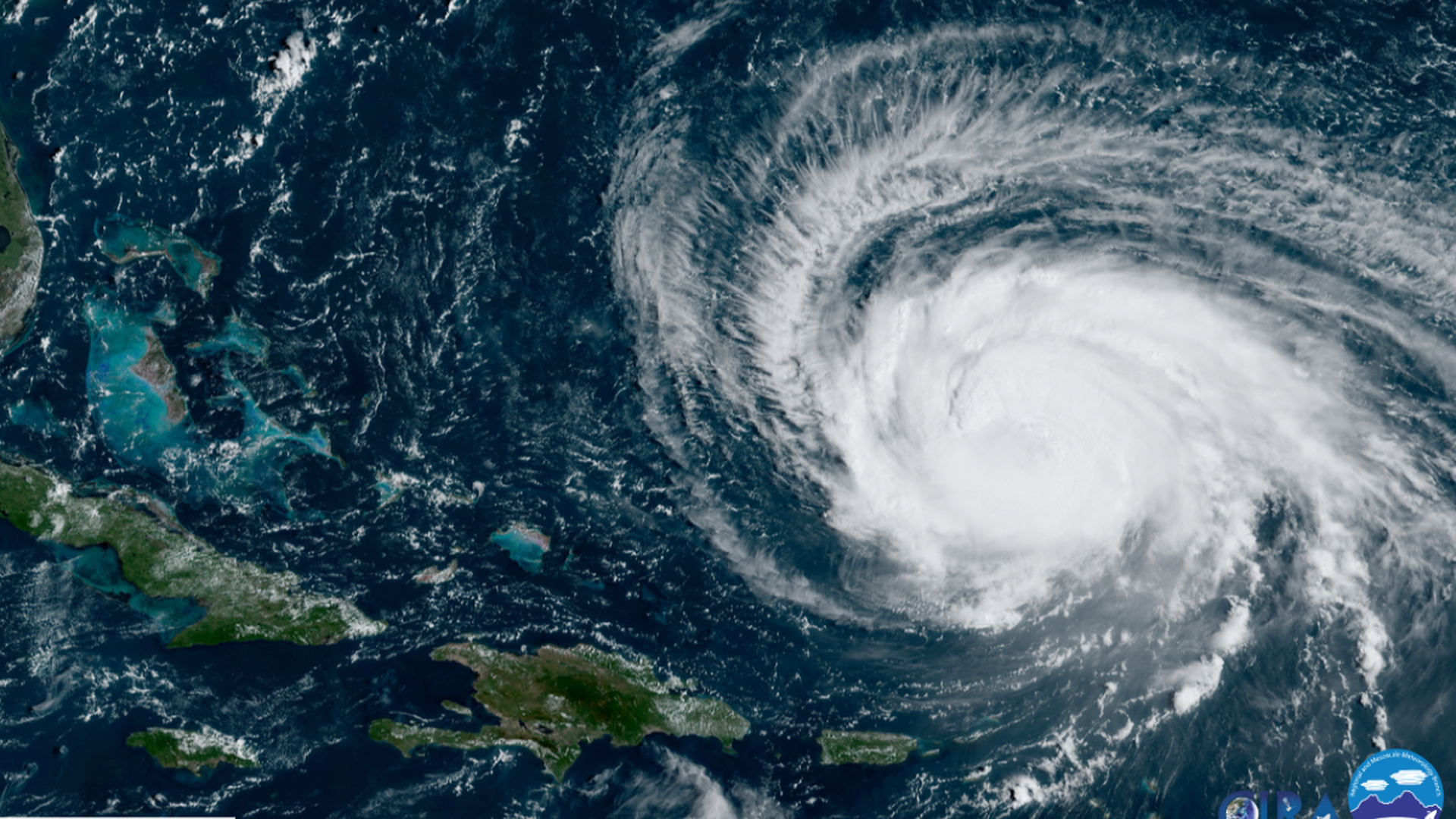
Hurricane Lee grew in size as it remained a major storm on Tuesday after regaining strength to a Category 3 level on Sunday.
Why it matters: Lee missed Puerto Rico, the Dominican Republic and Haiti and is swinging sharply to the right of them. It's expected to tear across open waters to the north, possibly bringing hazardous weather to the Northeast U.S. and Atlantic Canada toward the end of the week, per the National Hurricane Center (NHC).