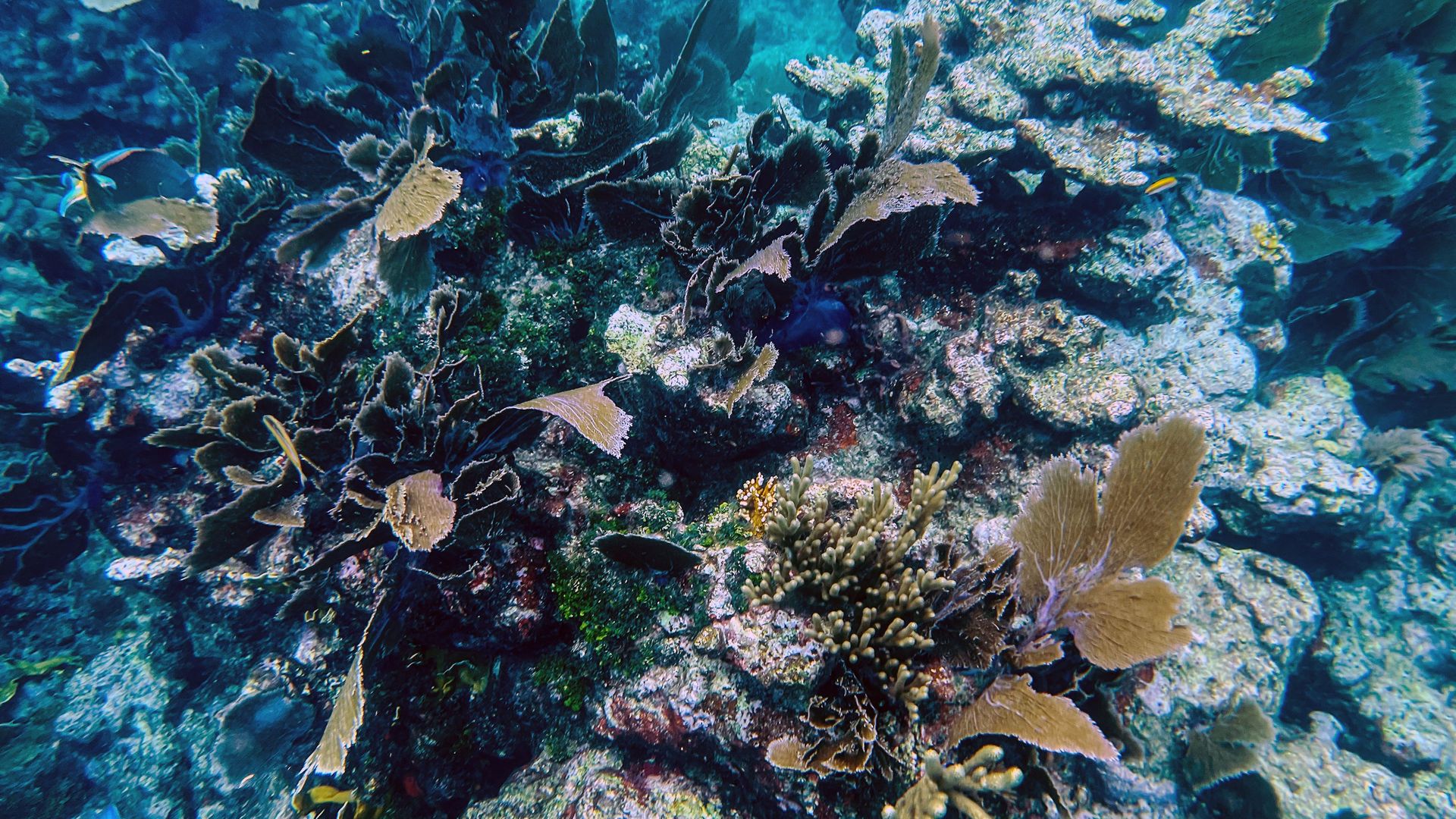
Why it matters: Coral reefs play a critical role in ecosystems, supporting at least 25% of marine species and roughly $2.7 trillion per year in goods and services, according to the project's network of scientists.
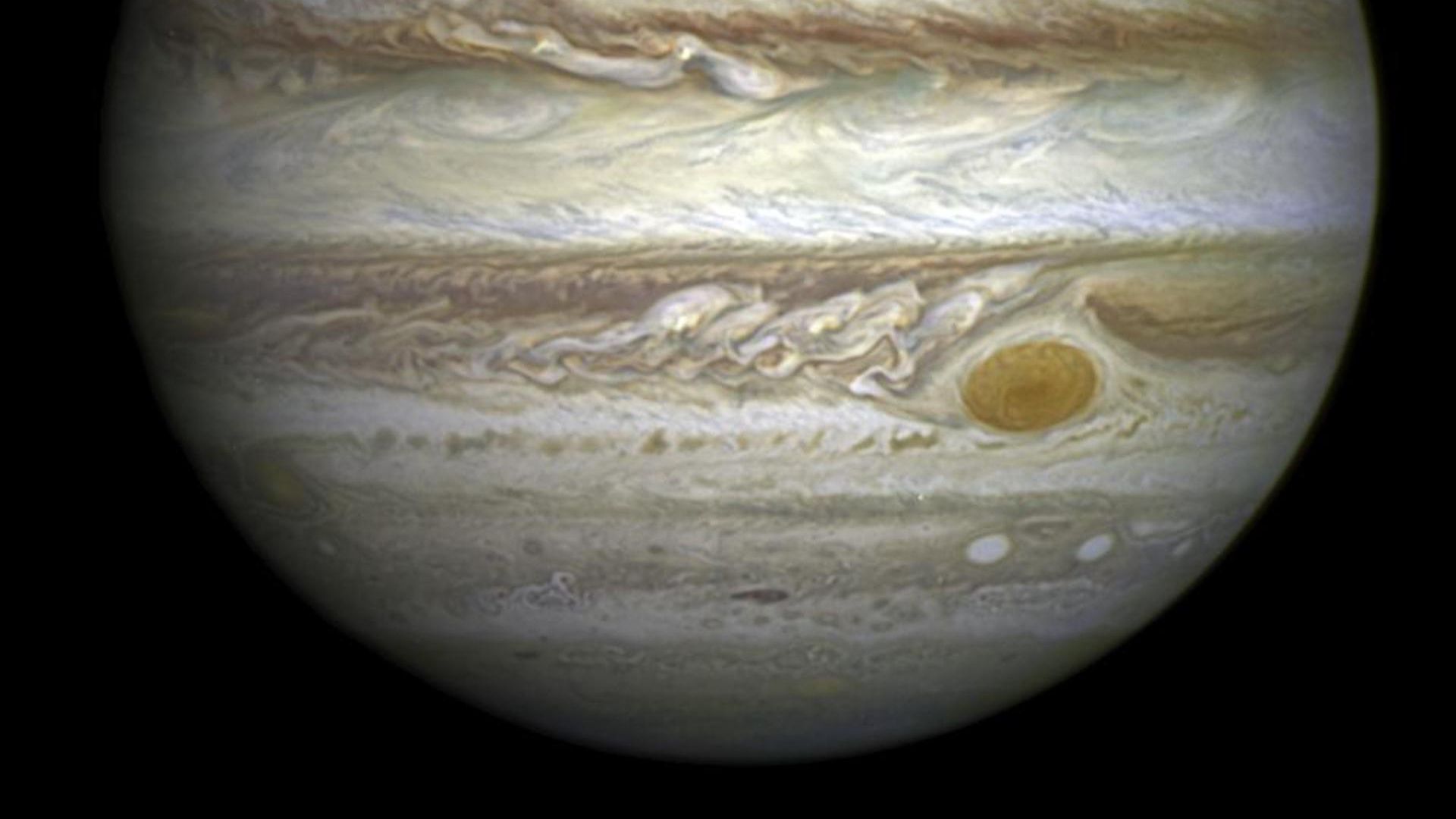
The winds of one of the most recognizable storms in the solar system — Jupiter's Great Red Spot — are speeding up.
Why it matters: This weather report for another world is possible because the Hubble Space Telescope has been keeping a close eye on the storm for more than 10 years.
A letter signed by 21 current and former employees of Jeff Bezos' Blue Origin accuses the company of mishandling harassment allegations and raises questions about its culture.
The big picture: Blue Origin is trying to compete with SpaceX and others for lucrative government contracts but it's facing employee attrition rates as high as 20%, according to a report from CNBC.
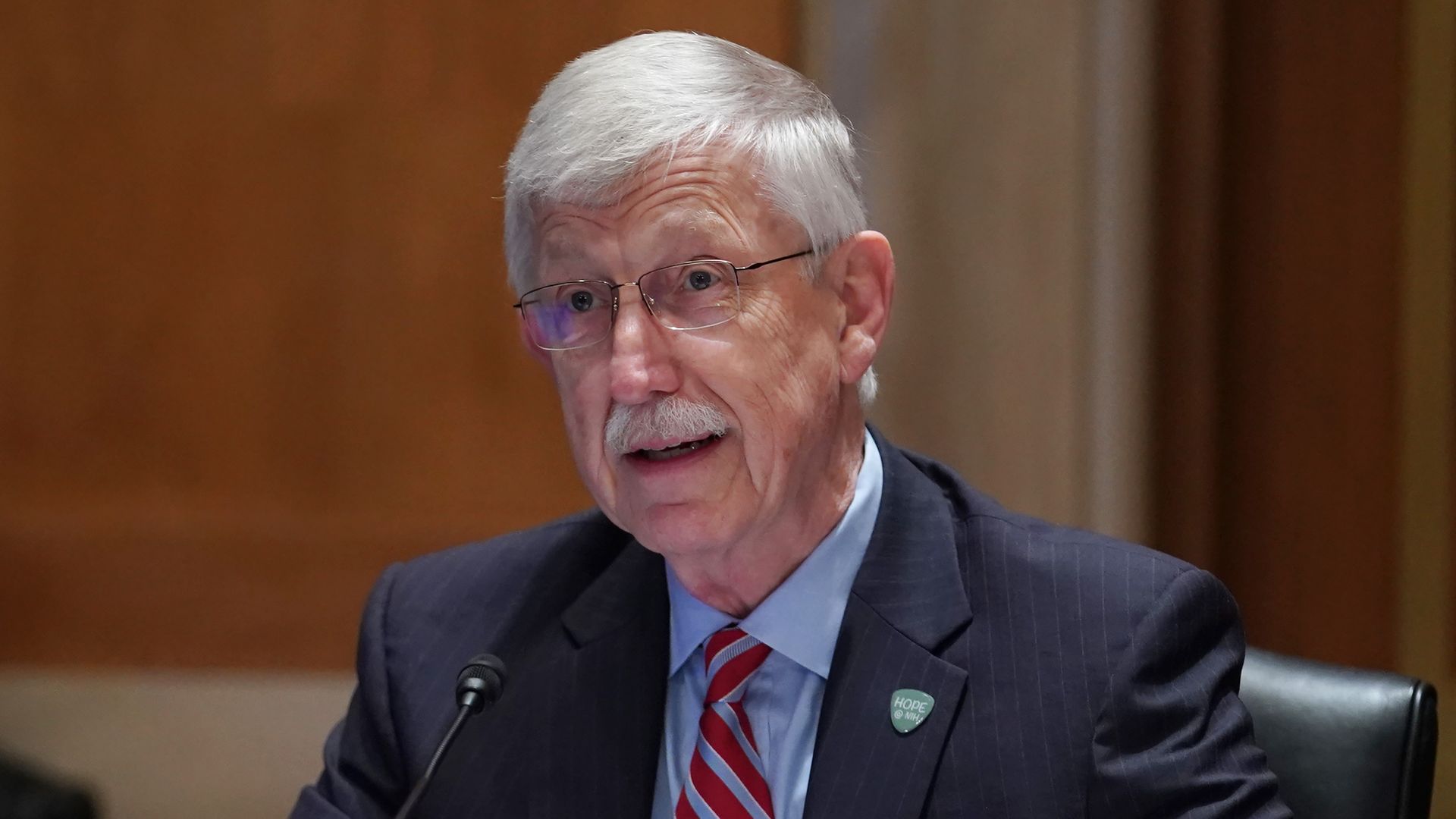
National Institutes of Health director Francis Collins on Tuesday announced he will step down from his post by the end of the year.
Why it matters: The 71-year-old pioneering physician-geneticist is the only presidentially appointed NIH director to serve in more than one administration. Collins has served in the role for 12 years, longer than anyone else, and has been at the forefront of the U.S. COVID-19 pandemic response.
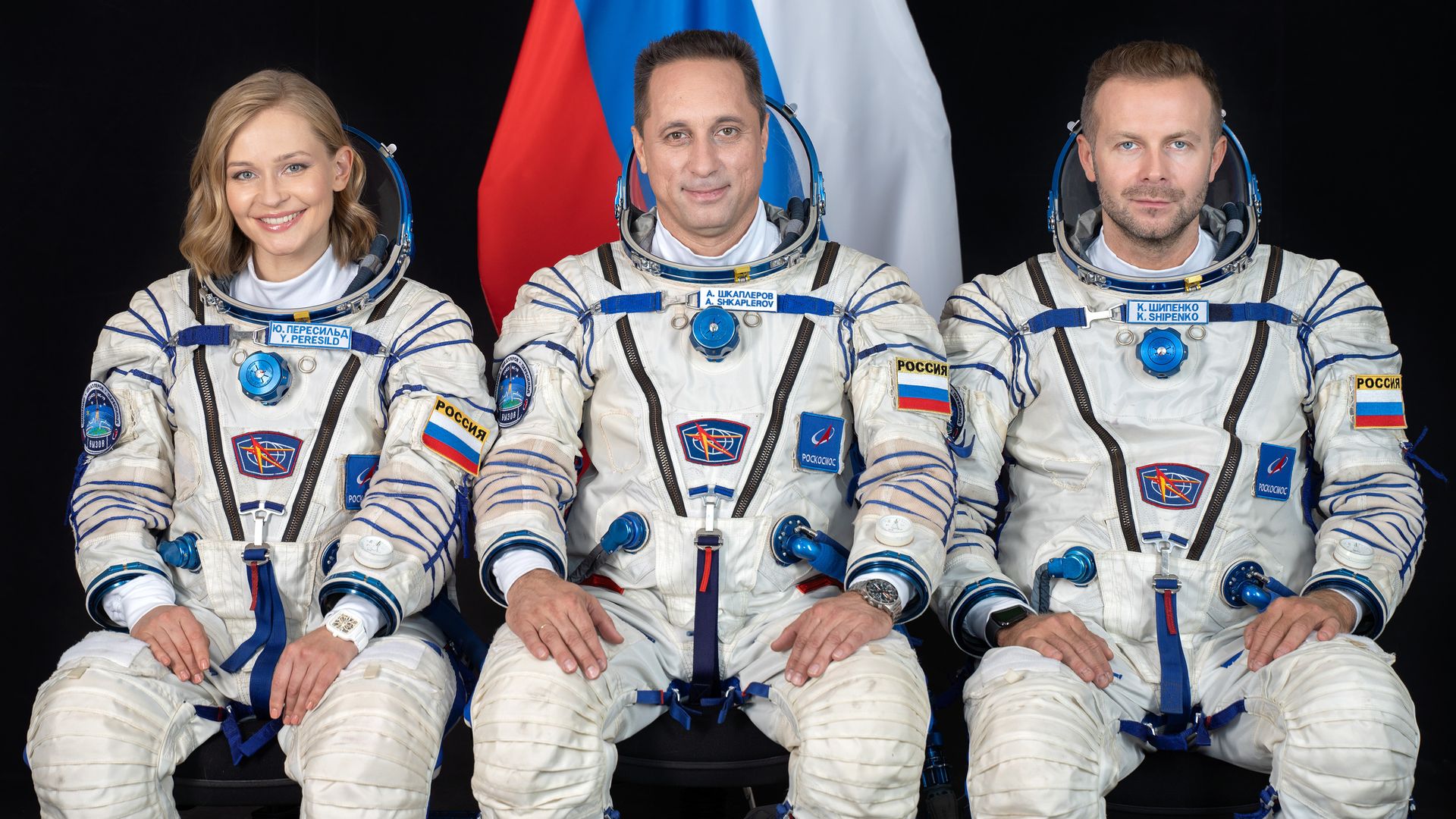
A Russian director and an actor blasted off into space on Tuesday to film the world's first movie in orbit, AP reports.
State of play: Director Klim Shipenko and actor Yulia Peresild took off to the International Space Station along with cosmonaut Anton Shkaplerov. They are set to stay in orbit for 12 days filming segments for their movie, "Challenge."
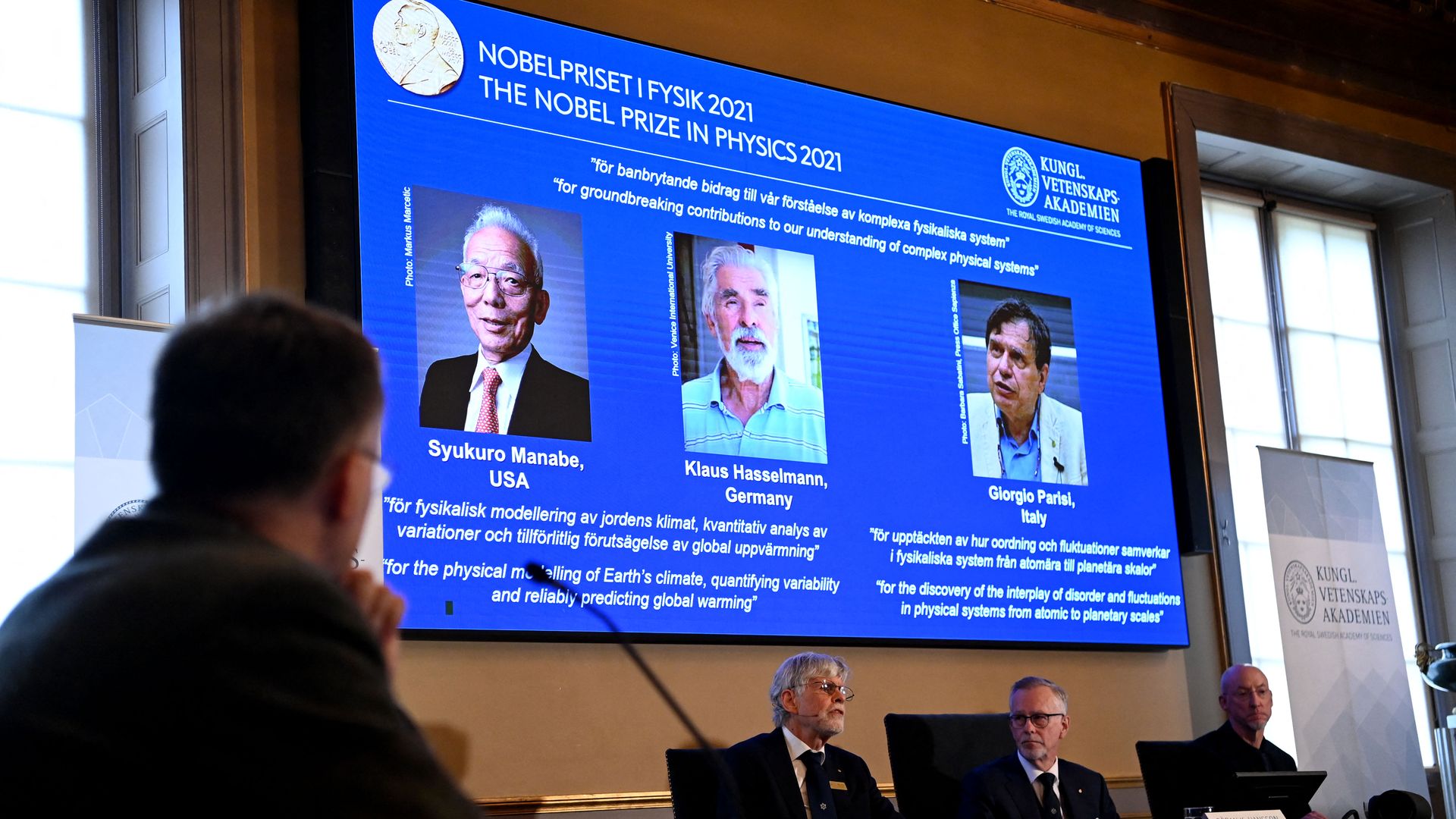
Scientists Syukuro Manabe, Klaus Hasselmann and Giorgio Parisi received the Nobel Prize in physics on Tuesday for their work in predicting global warming and the understanding of complex physical systems.
Why it matters: These researchers helped describe and predict the long-term behavior of complex systems, like the Earth's climate, which are characterized by randomness and disorder and are difficult to understand.
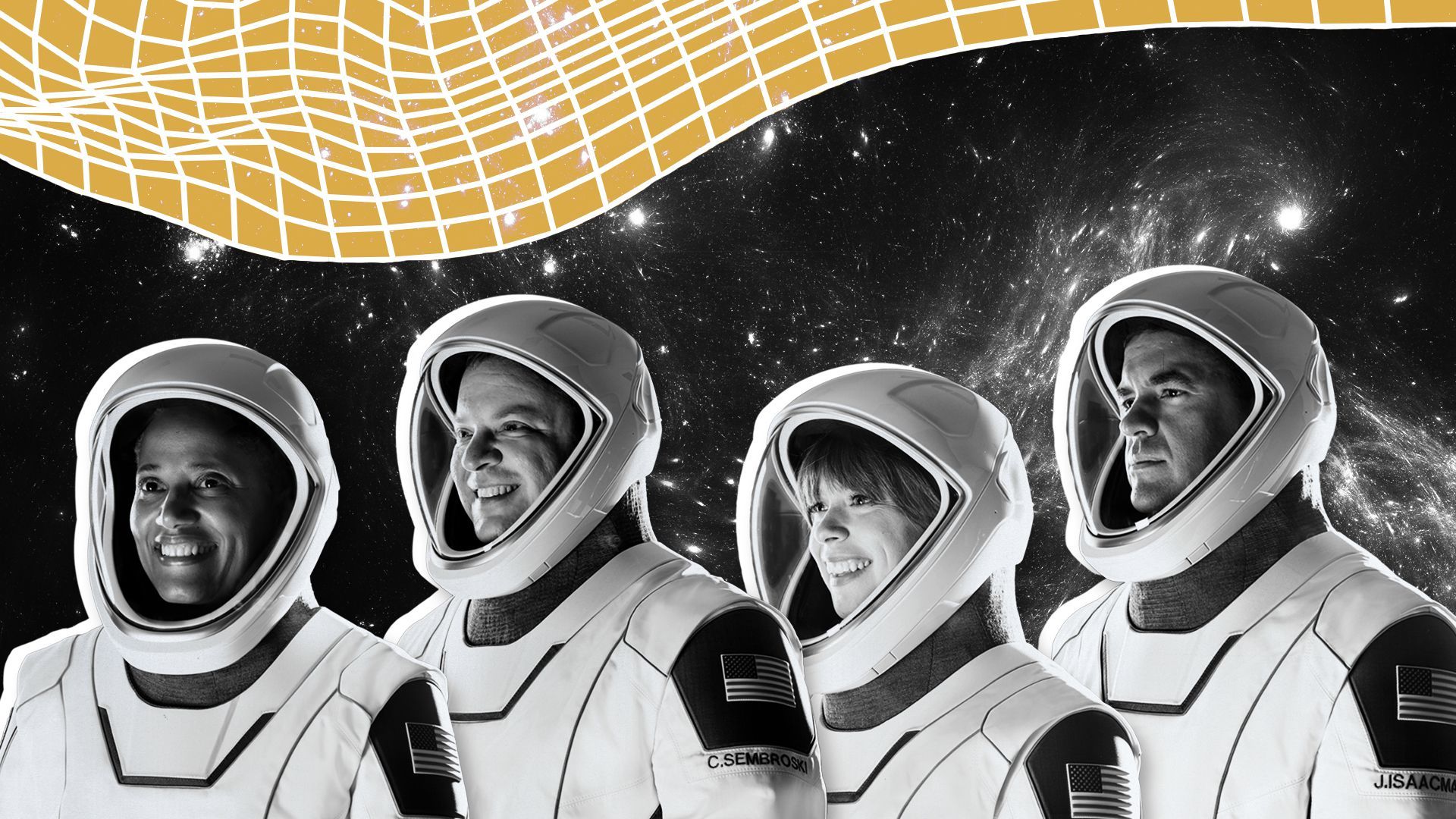
The new era of private spaceflight — heralded by the all-civilian Inspiration4 crew — is at risk of lacking the transparency of missions led byNASA and other space agencies.
Why it matters: Companies like SpaceX and Blue Origin are trying to woomore customers in the coming years to help bring about their vision for humanity in space.Bringing in new customers hinges on those people having a clear picture of the risks of space travel.
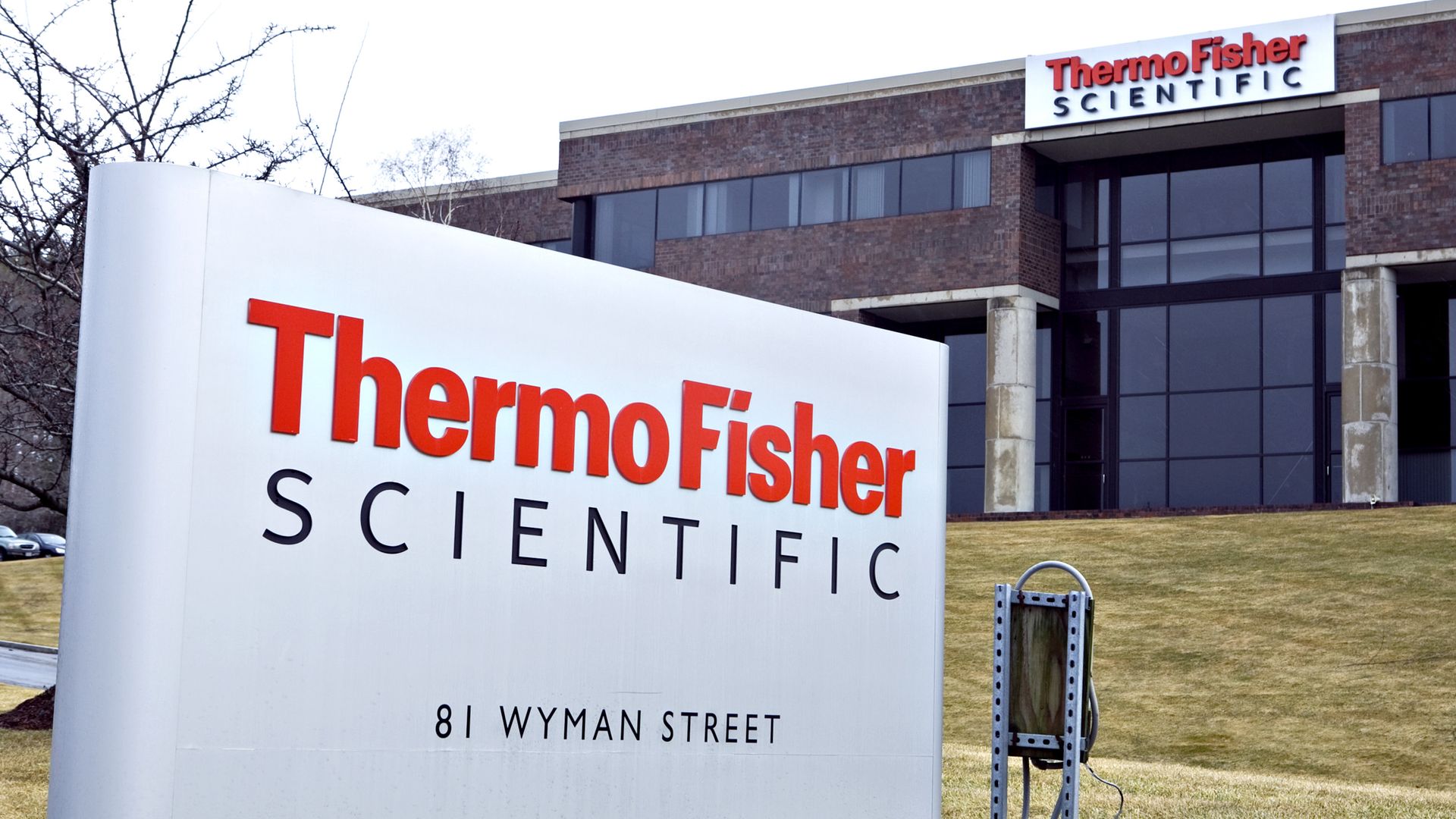
The estate of Henrietta Lacks announced a lawsuit against biotech company Thermo Fisher Scientific on Monday, alleging it exploits and profits off of stolen cellular tissue.
Why it matters: In the 1950s, Lacks was seeking treatment for cervical cancer at Johns Hopkins Hospital when white doctors harvestedher tissue in a procedure that rendered her infertile. Doctors later used the tissue to successfully clone human cells for the first time, enabling innovations in modern medicine that now include gene mapping and COVID vaccines. That progress was marred by the revelation years later that the doctors had removed Lacks' tissue without her knowledge or consent.
Climate change and population growth have led to a worldwide surge in the number of people exposed to hazardous levels of heat, according to a sweeping study that examines 13,115 cities from 1983 to 2016.
Why it matters: Extreme heat is the top weather-related killer in the U.S. each year, and studies show that as the world continues to warm in response to greenhouse gas emissions, heat exposure will become so severe that it will reduce economic output in many regions.
Actor William Shatner will be launched to space in the upcoming Blue Origin tourist spaceflight, the company announced on Monday.
Why it matters: The 90-year-old actor, best known for playing Captain Kirk in the television series "Star Trek," will become the oldest person to fly to space.
David Julius and Ardem Patapoutian were jointly awarded the Nobel Prize in Physiology or Medicine "for their discoveries of receptors for temperature and touch," the award's committee said Monday.
Driving the news: The pair's research led "to a rapid increase in our understanding of how our nervous system senses heat, cold and mechanical stimuli," per the announcement.
Tropical Cyclone Shaheen killed at least nine people as it slammed coastal areas of Oman and Iran Sunday, the BBC reports.
Of note: Shaheen is the first tropical cyclone to ever hit Oman's far north, as it triggered flash flooding and heavy rains — with some areas of the desert climate seeing over a year's worth of rain in one day, Yale Climate Connections notes.