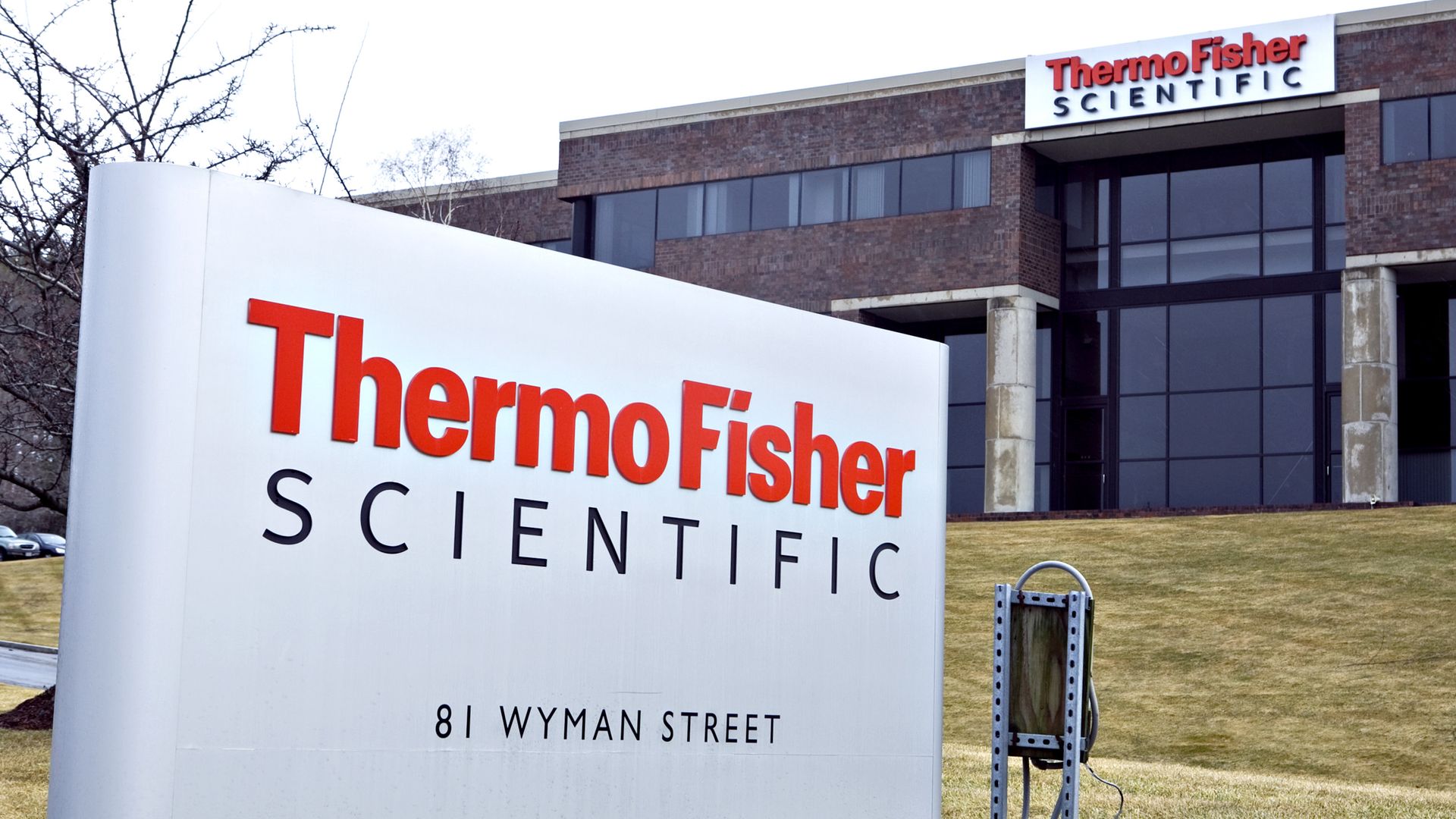
The estate of Henrietta Lacks announced a lawsuit against biotech company Thermo Fisher Scientific on Monday, alleging it exploits and profits off of stolen cellular tissue.
Why it matters: In the 1950s, Lacks was seeking treatment for cervical cancer at Johns Hopkins Hospital when white doctors harvestedher tissue in a procedure that rendered her infertile. Doctors later used the tissue to successfully clone human cells for the first time, enabling innovations in modern medicine that now include gene mapping and COVID vaccines. That progress was marred by the revelation years later that the doctors had removed Lacks' tissue without her knowledge or consent.
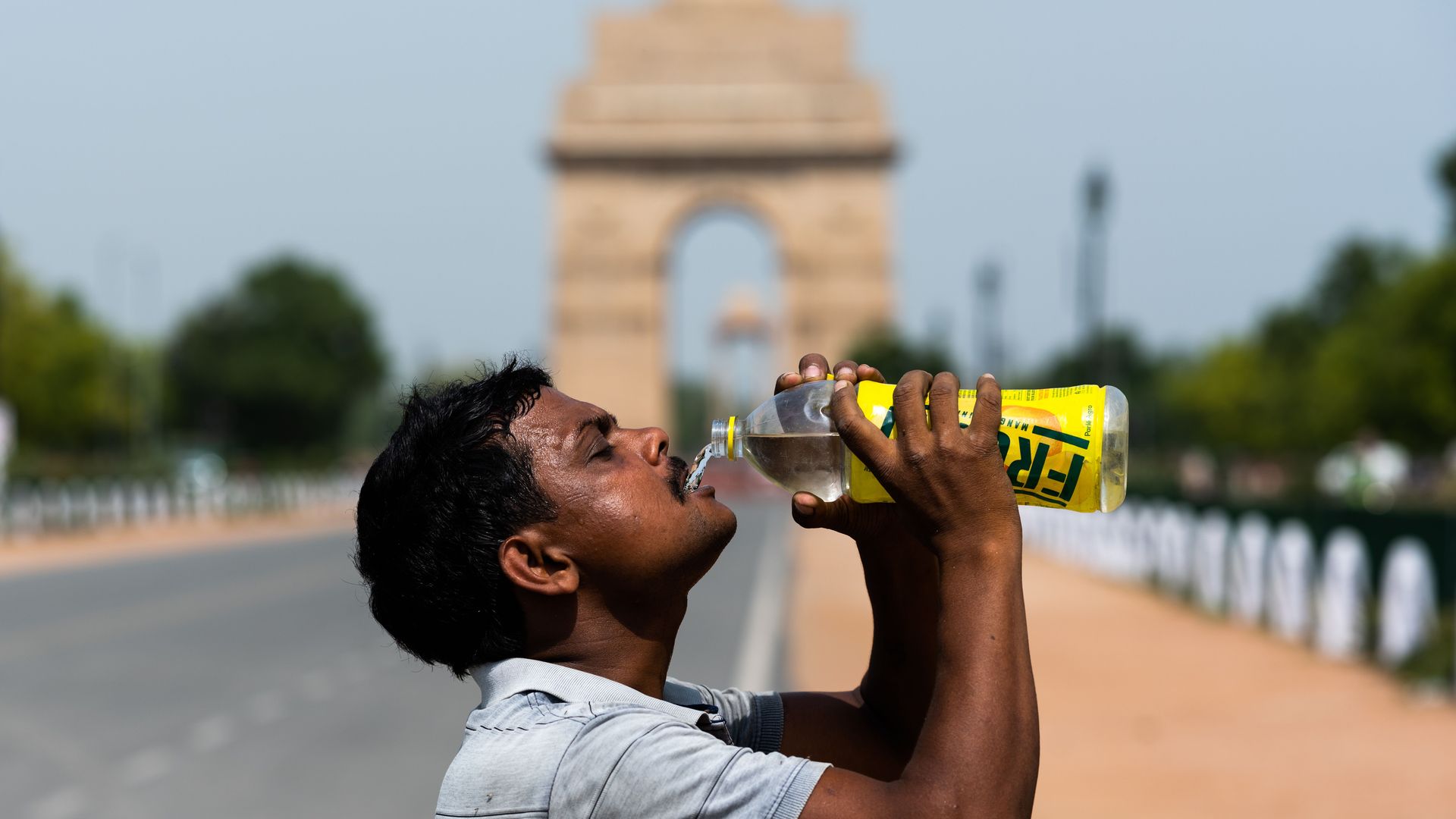
Climate change and population growth have led to a worldwide surge in the number of people exposed to hazardous levels of heat, according to a sweeping study that examines 13,115 cities from 1983 to 2016.
Why it matters: Extreme heat is the top weather-related killer in the U.S. each year, and studies show that as the world continues to warm in response to greenhouse gas emissions, heat exposure will become so severe that it will reduce economic output in many regions.
Actor William Shatner will be launched to space in the upcoming Blue Origin tourist spaceflight, the company announced on Monday.
Why it matters: The 90-year-old actor, best known for playing Captain Kirk in the television series "Star Trek," will become the oldest person to fly to space.
David Julius and Ardem Patapoutian were jointly awarded the Nobel Prize in Physiology or Medicine "for their discoveries of receptors for temperature and touch," the award's committee said Monday.
Driving the news: The pair's research led "to a rapid increase in our understanding of how our nervous system senses heat, cold and mechanical stimuli," per the announcement.
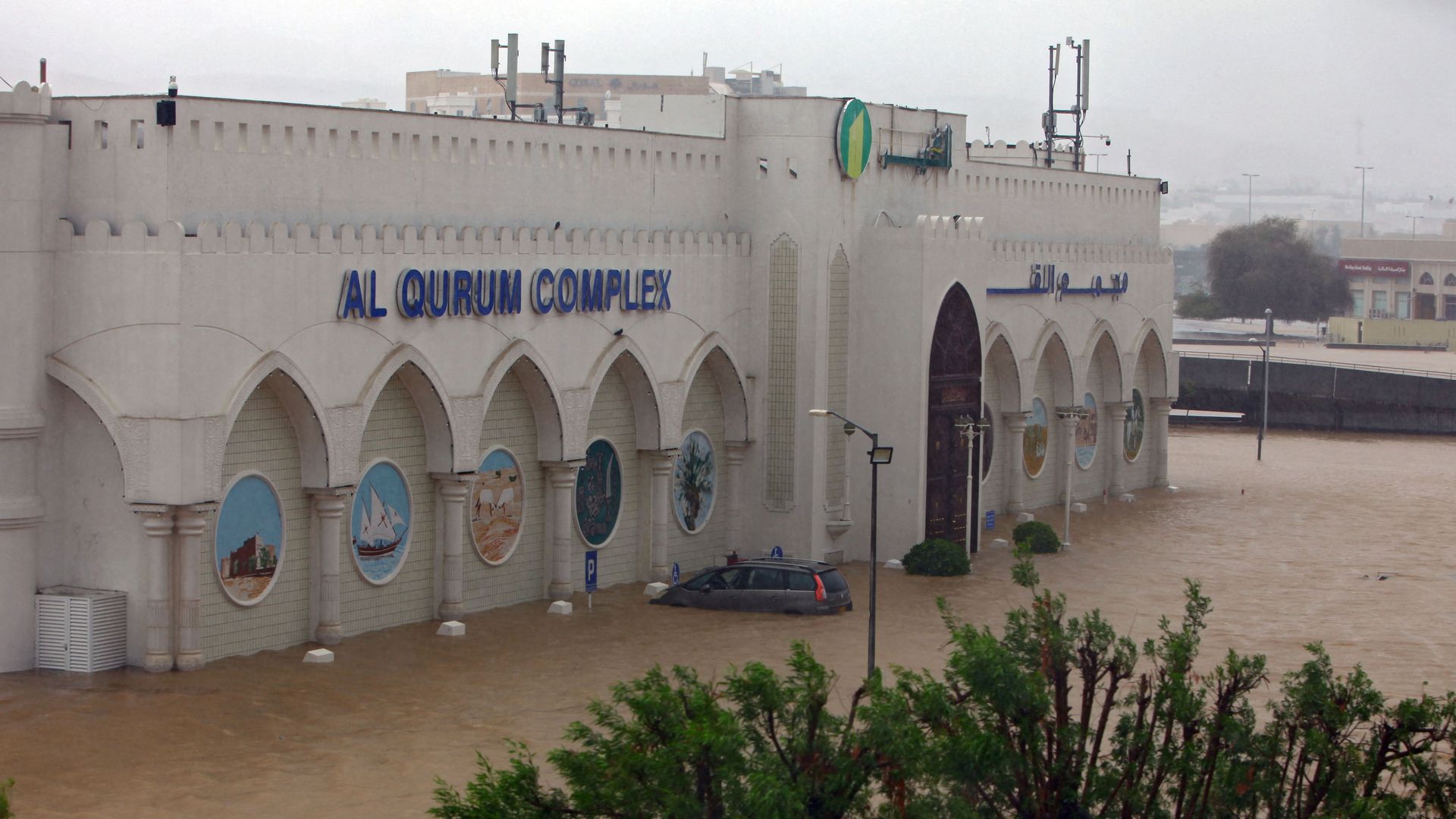
Tropical Cyclone Shaheen killed at least nine people as it slammed coastal areas of Oman and Iran Sunday, the BBC reports.
Of note: Shaheen is the first tropical cyclone to ever hit Oman's far north, as it triggered flash flooding and heavy rains — with some areas of the desert climate seeing over a year's worth of rain in one day, Yale Climate Connections notes.