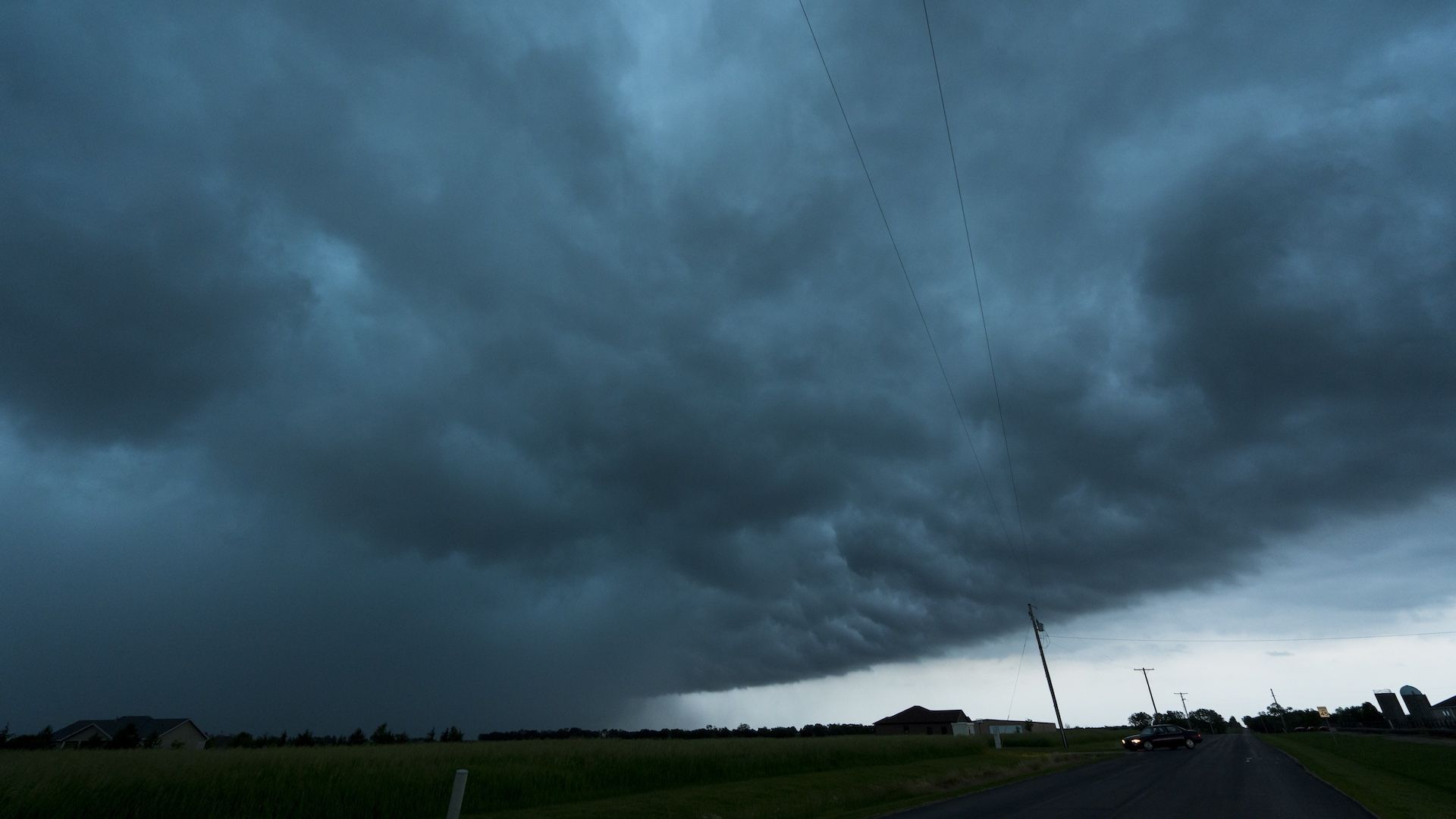
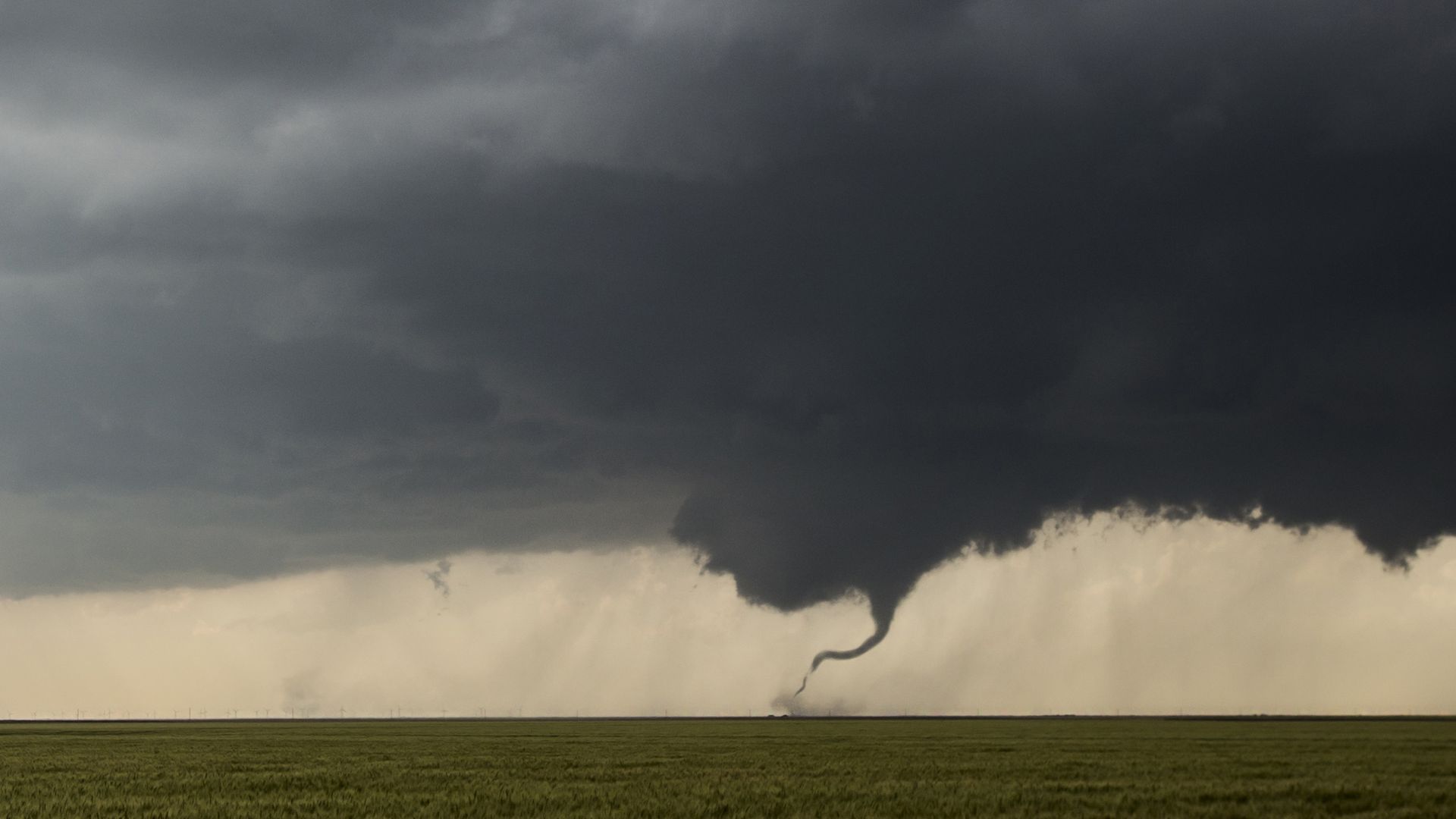
A massive EF-4 tornado touched down south of Lawrence, Kansas about 6:15 pm local time and carved a 32-mile path of destruction toward Kansas City, causing heavy damage and prompting the National Weather Service to declare a "tornado emergency" for several counties in the Kansas City metro area.
Details: The NWS reported debris from the tornado fell from the sky ahead of the storm along I-70 to the north and northeast of Edwardsville. LMH Health said 12 people were being treated in hospital in Douglas County for injuries after the tornado hit, with 1 person in surgery Tuesday night. The tornado caused Kansas City International Airport to temporarily suspend flights and send workers and travelers into shelter.
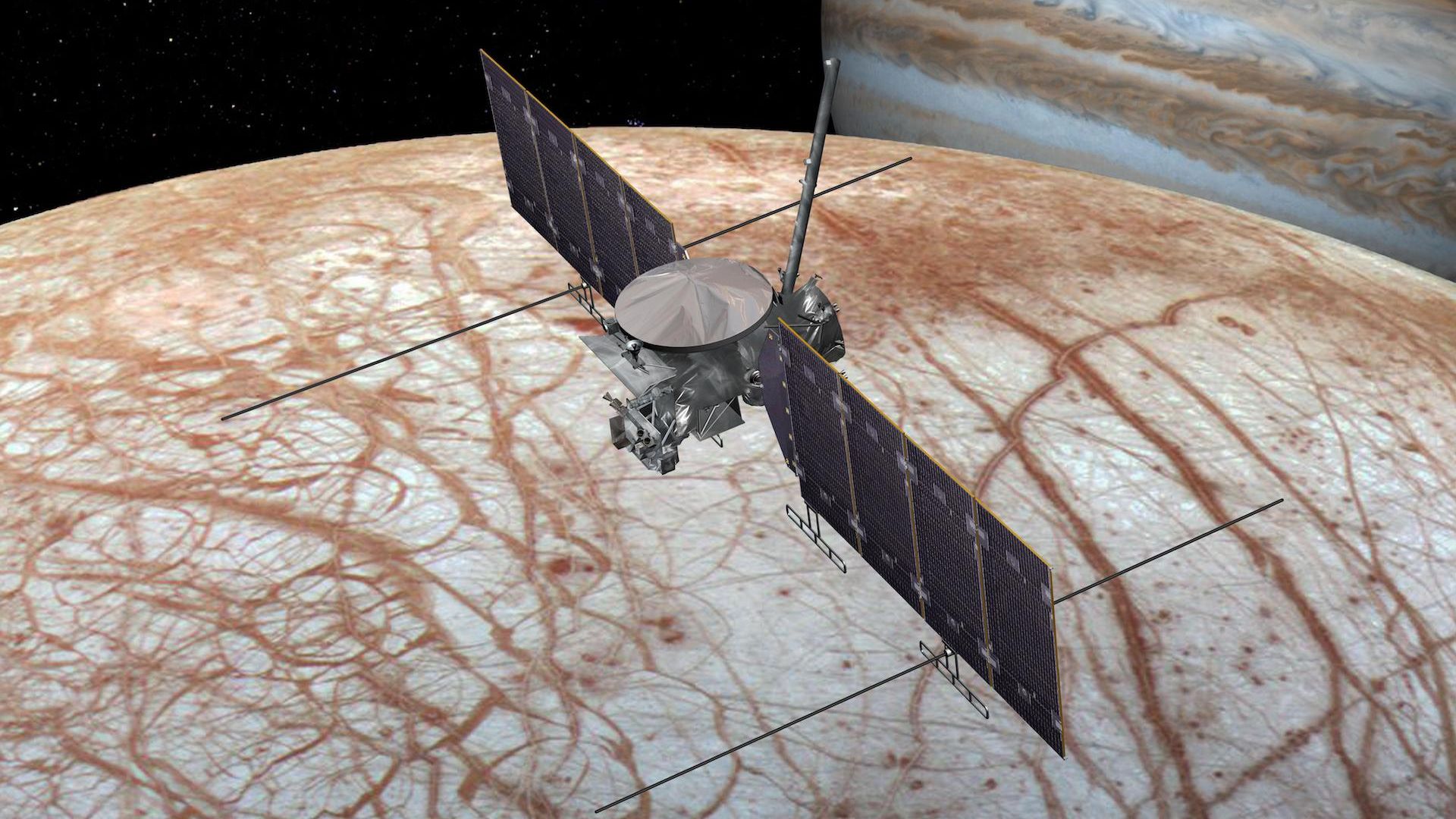
NASA's plans to send a lander and orbiter to Europa, one of Jupiter’s 79 known moons, in the 2020s are in doubt.
Why it matters: NASA hopes to launch its Europa Clipper orbiter by 2023, but a newly released NASA Office of Inspector General report suggests that the agency may not meet that goal, despite solid initial funding and congressional support.
The International Space Station (ISS) orbits Earth about every 90 minutes. This tracker, maintained by NASA, can tell you exactly when and where to look up if you want to see it streak by.
What to watch: The Spot the Station tool lets you put in your city or address to find out when you need to head outside to see the ISS fly past. The orbiting laboratory looks like a bright, unblinking plane when passing overhead.
A total of 236 people from 18 countries have visited the International Space Station (ISS) since construction began in 1998. The total number of visitors to the space station since it's been permanently crewed, which began in Nov. 2000, is 219 people from the same 18 countries.
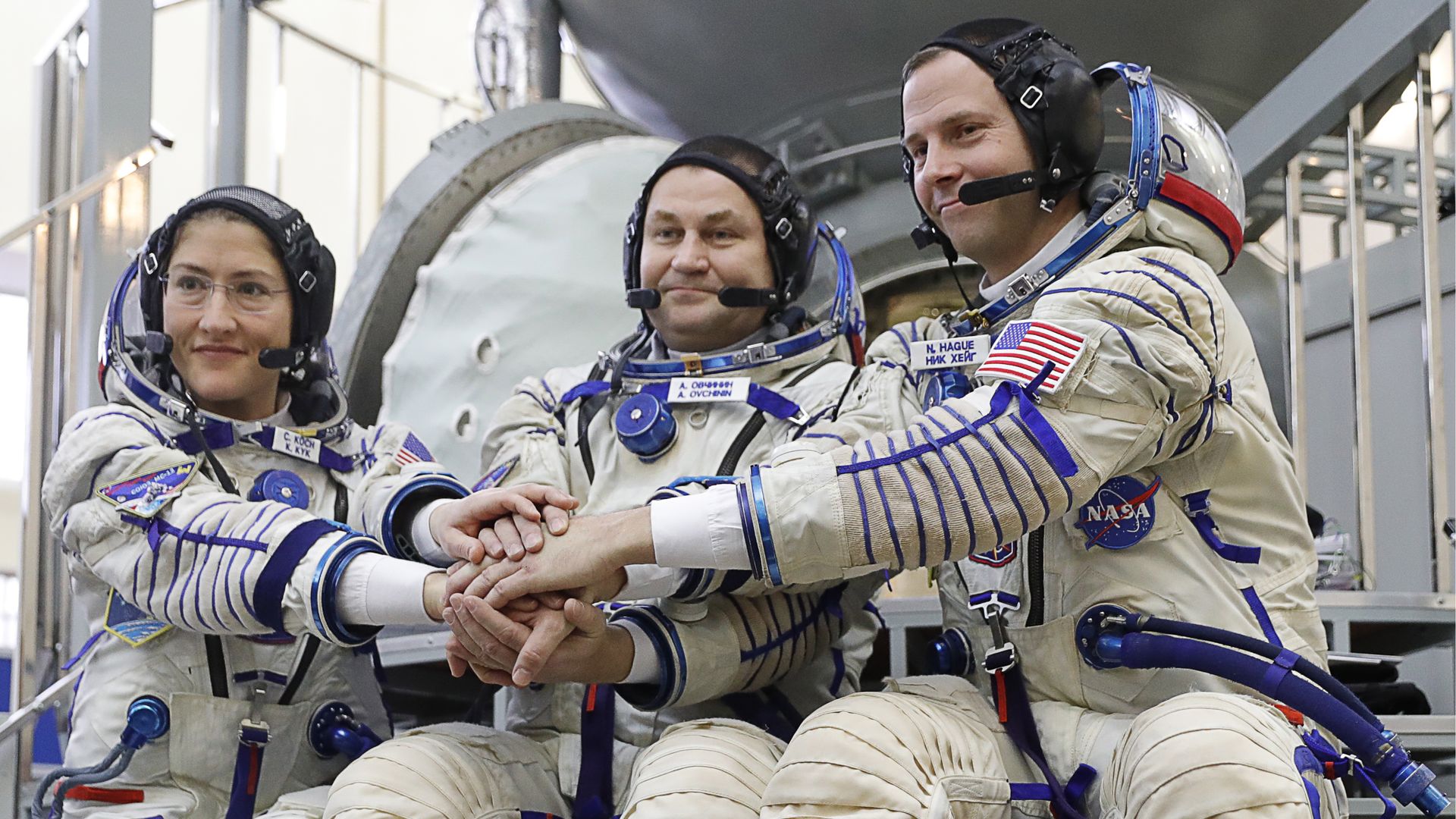
Driving the news: The current expedition, Expedition 59, is made up of six astronauts — including 3 Americans, 2 Russians and a Canadian. The expedition began in March 2019.
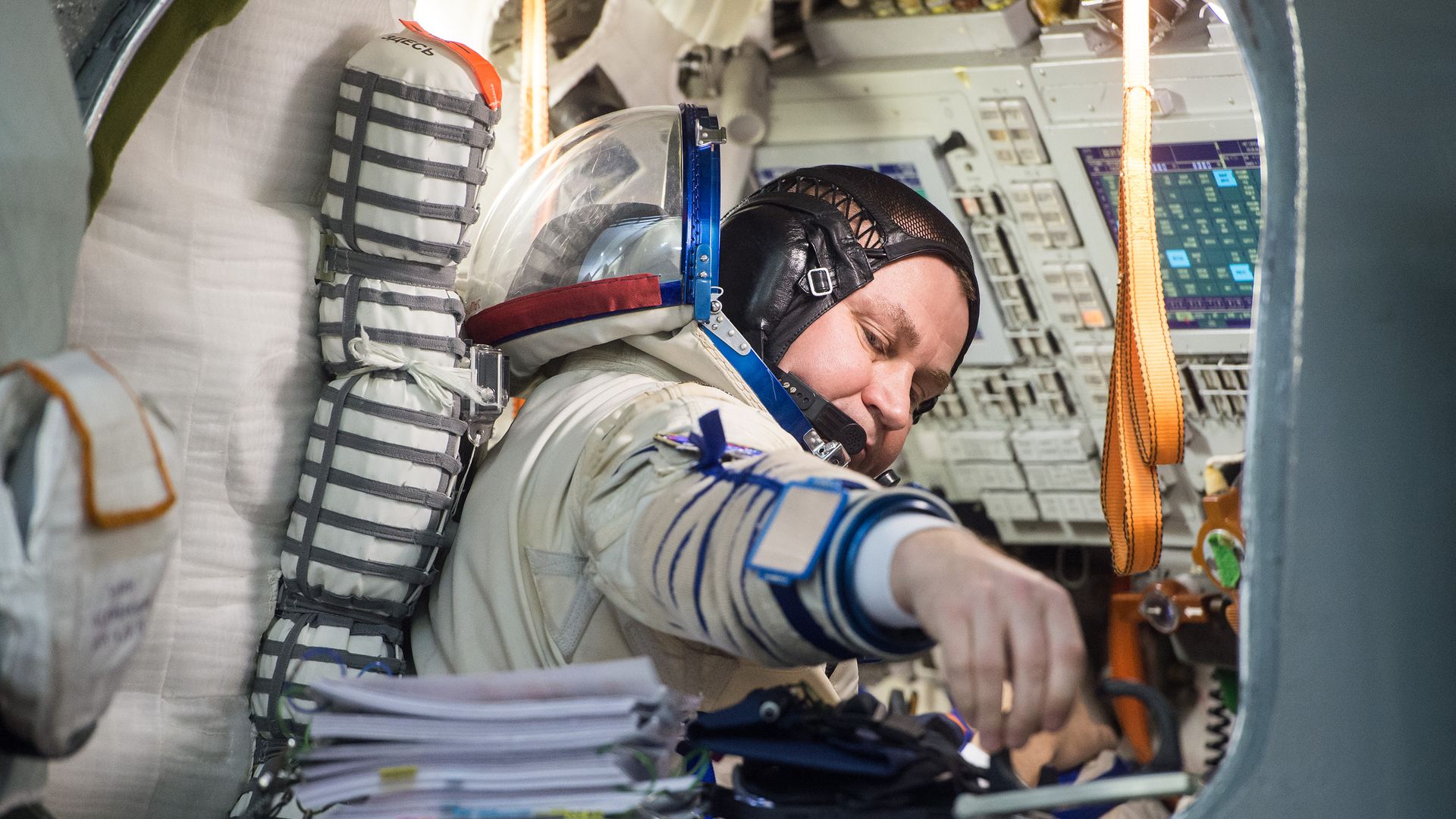
Two Russian cosmonauts, Alexey Ovchinin and Oleg Kononenko, are headed outside of the ISS for a spacewalk on Wednesday to "retrieve science experiments and conduct maintenance," per NASA. The spacewalk began at 11:44 a.m. ET and is expected to last 6.5 hours. You can watch it here.
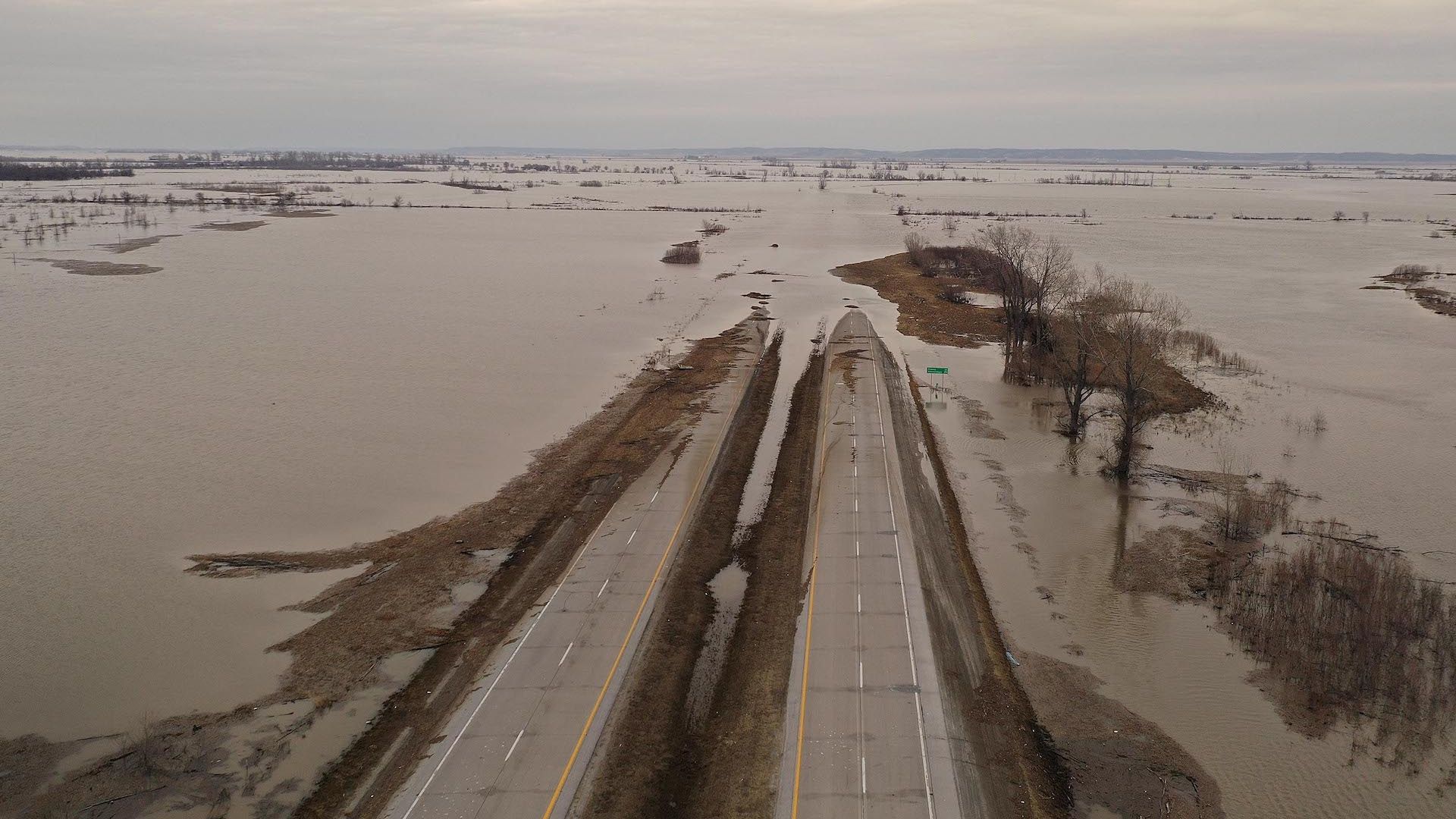
A tense situation is unfolding in Tulsa, Oklahoma, where officials are hoping that 70-year-old levees will withstand an unprecedented, prolonged test to keep back the swollen Arkansas River, which has risen to an all-time record high after weeks of heavy rain.
Why it matters: The flooding that has gripped the nation's heartland will eventually affect the price of food, as farmers cope with fields that have turned into lakes at a time of year when staple crops such as corn and wheat should be planted already. In addition, the damage from the floods, which started in the Upper Midwest earlier this year and now stretch all the way down the Mississippi River, likely exceeds $1 billion in individual states alone, with a far higher aggregate cost.
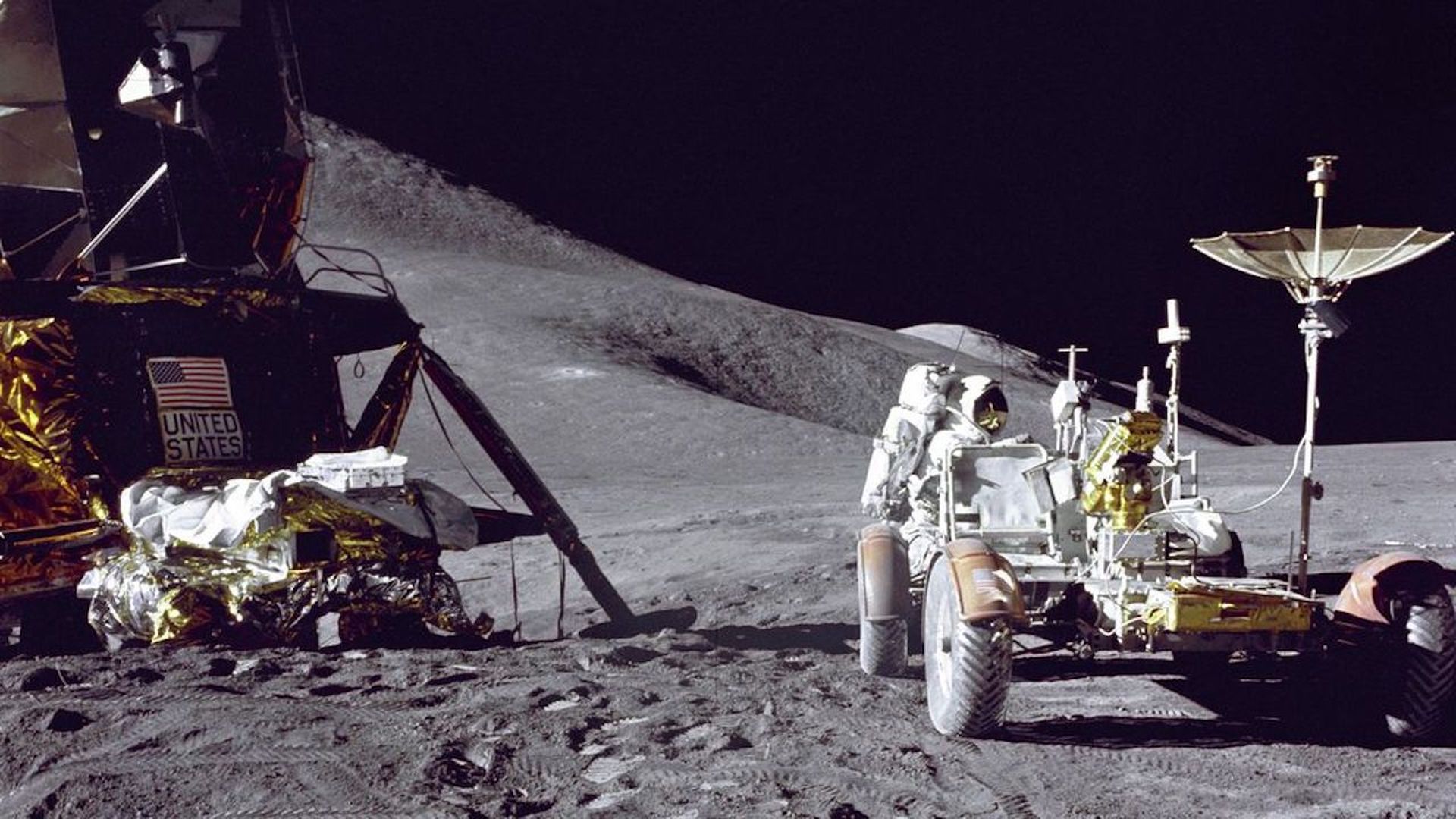
A team of scientists was awarded a cache of previously unopened Apollo-era Moon rock samples this year to turn back the clock and see exactly what kinds of materials were abundant on the Moon in its early history.
Why it matters: Researchers have long been interested in figuring out exactly what’s been going on in the interior of our Moon, and this new experiment — which is happening about 50 years after the lunar rock sample was collected — could help create a more complete picture of the history of our natural satellite.
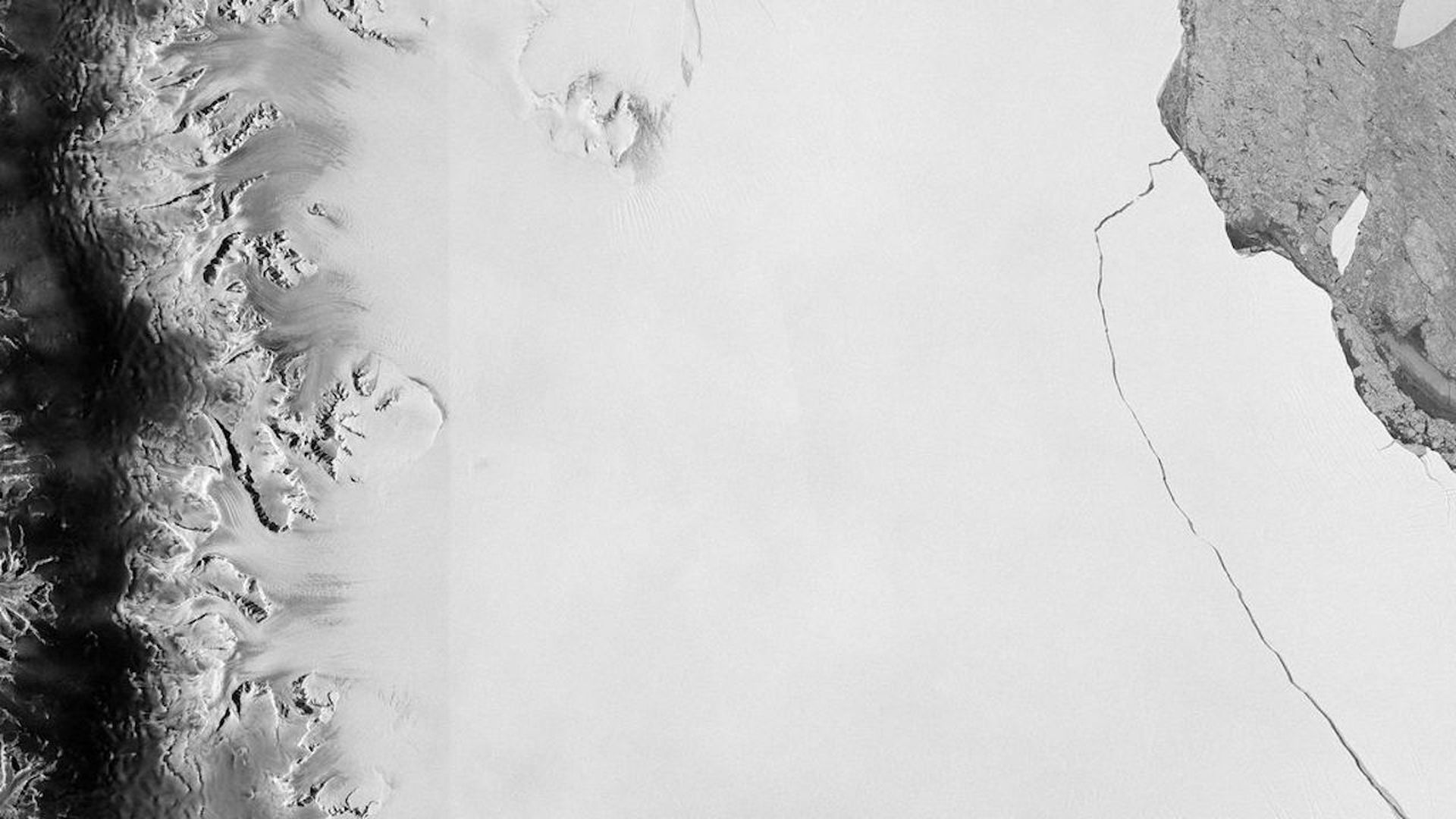
Private companies have been launching constellations of Earth-observing satellites for years, but they've been focused on beaming back images taken using visible light. That's starting to change, however, as new firms enter what's currently a niche market: synthetic aperture radar (SAR).
Details: SAR allows for data-gathering regardless of weather conditions, making it especially useful for monitoring the planet's disappearing ice sheets that are cloaked in darkness for half the year.
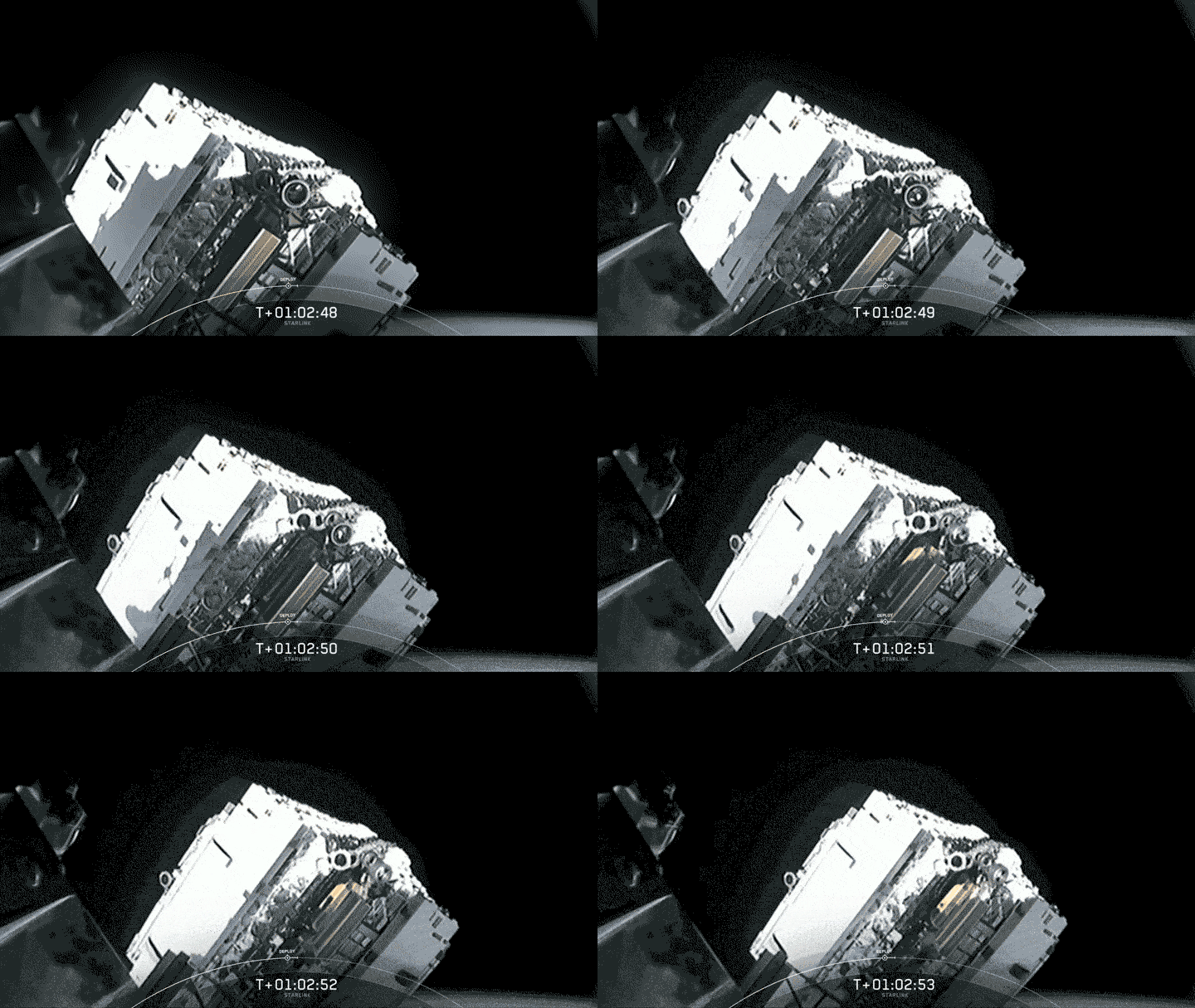
Starlink satellites deploying in orbit. Credit: SpaceX
Many skywatchers were delighted to spot a bright line of SpaceX's internet-beaming Starlink satellites pass overhead this weekend, but to astronomers, it was an ominous sign of things to come.
Why it matters: Bright satellites in the night sky can affect astronomy by getting in the way of sensitive, long exposure photos. Usually, researchers can work around these satellites by tracking their orbits and accounting for their predictable movements, but with more satellites come more complications.
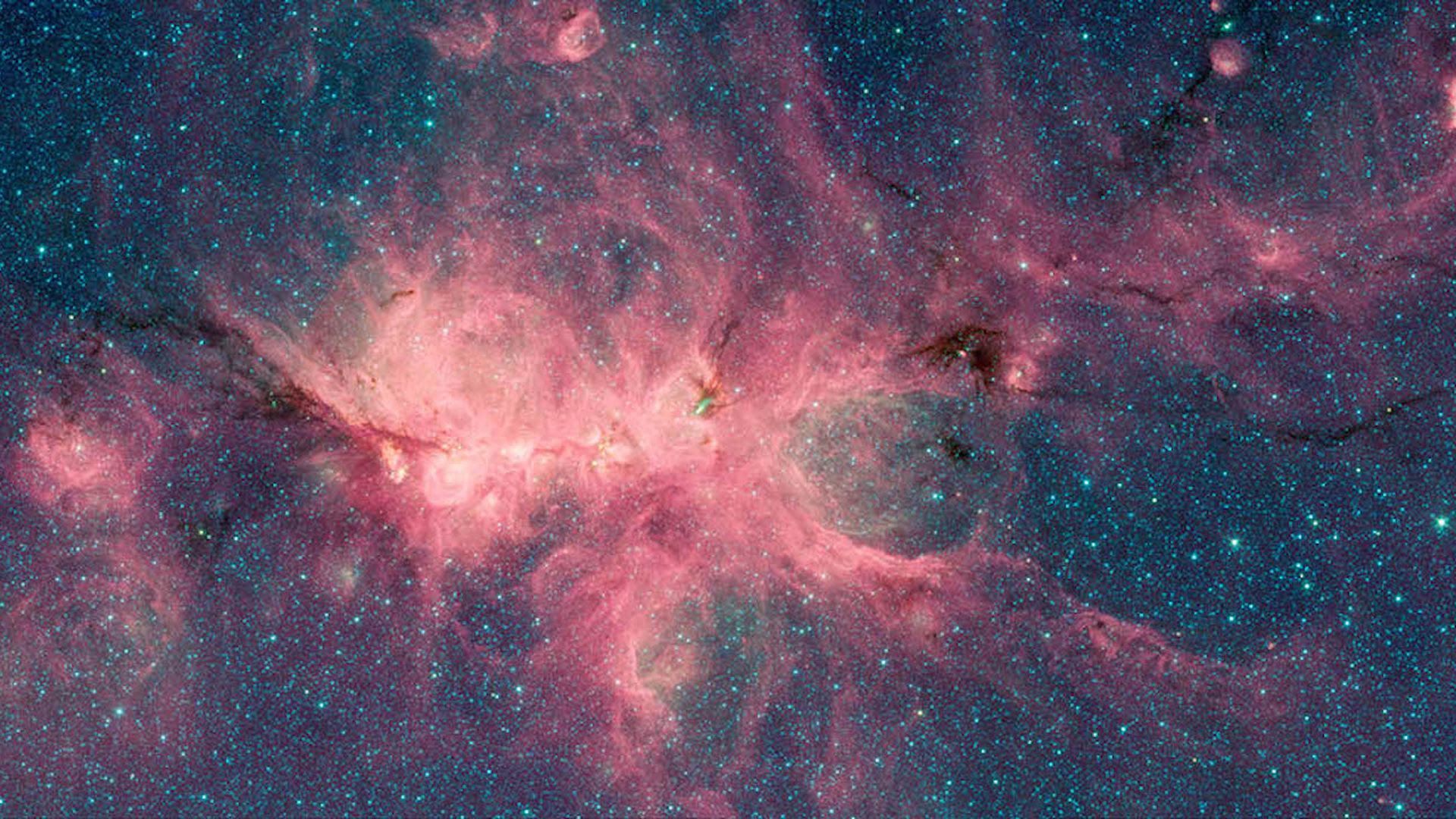
On Jan. 30, 2020, NASA will shut down the Spitzer Space Telescope, ending one of the agency's most scientifically productive space missions before the spacecraft reaches the end of its mechanical life.
Why it matters: Spitzer was designed to make the invisible visible, allowing scientists to investigate galaxies, stars and planet-forming disks. And even today, Spitzer is yielding new insights.
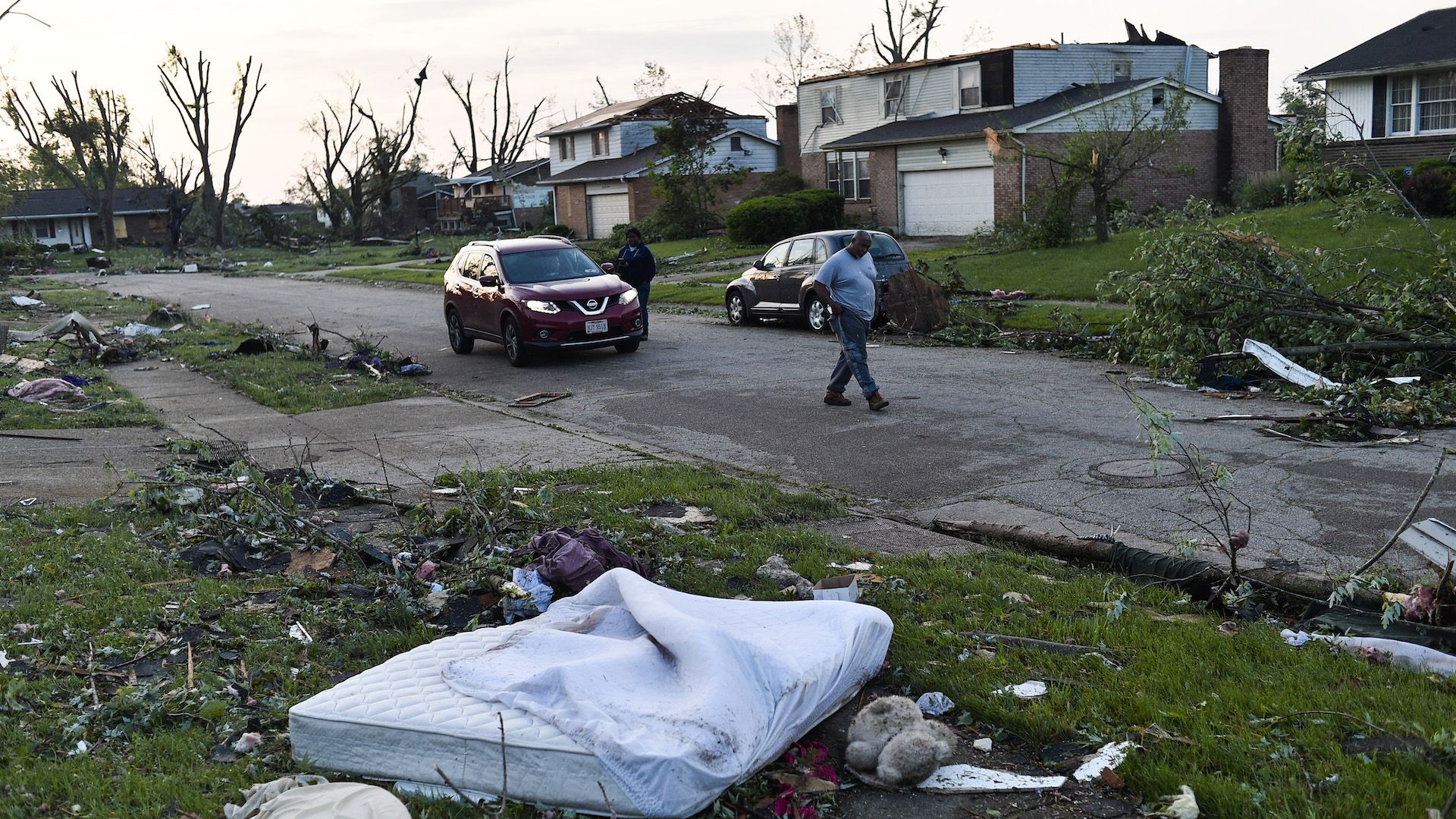
A series of tornadoes swept across Indiana and Ohio overnight, packed so tightly that one may have crossed the path carved by another, AP reports, as severe weather continues to hammer the Central U.S.
Details: A "large and dangerous" tornado struck the Dayton, Ohio, suburb of Trotwood just after 11pm Monday. At least one person was killed by the tornadoes in Celina, about 60 miles north of Dayton. The National Weather Service said it was notified about multiple tornadoes, with reports of injuries and widespread damage. Power outages affected 5 million people in Ohio, it said, in part due to widespread straight-line winds that downed trees and power lines. Flash flood warnings were also in place.