Flooding in Arkansas, Missouri and Oklahoma has caused thousands to evacuate, as recent levee breaches along the Arkansas and Mississippi Rivers create new waterways that have spread into homes and businesses.
The latest: Arkansas officials called for 160 homes in Yell County to evacuate on Friday as a levee breach brought floodwaters to over 40 feet. Three Missouri towns were told to evacuate on Thursday after a levee breached along a creek connected to the Mississippi River. Rivers in the region are at or near all-time highs after weeks of torrential rainfall.
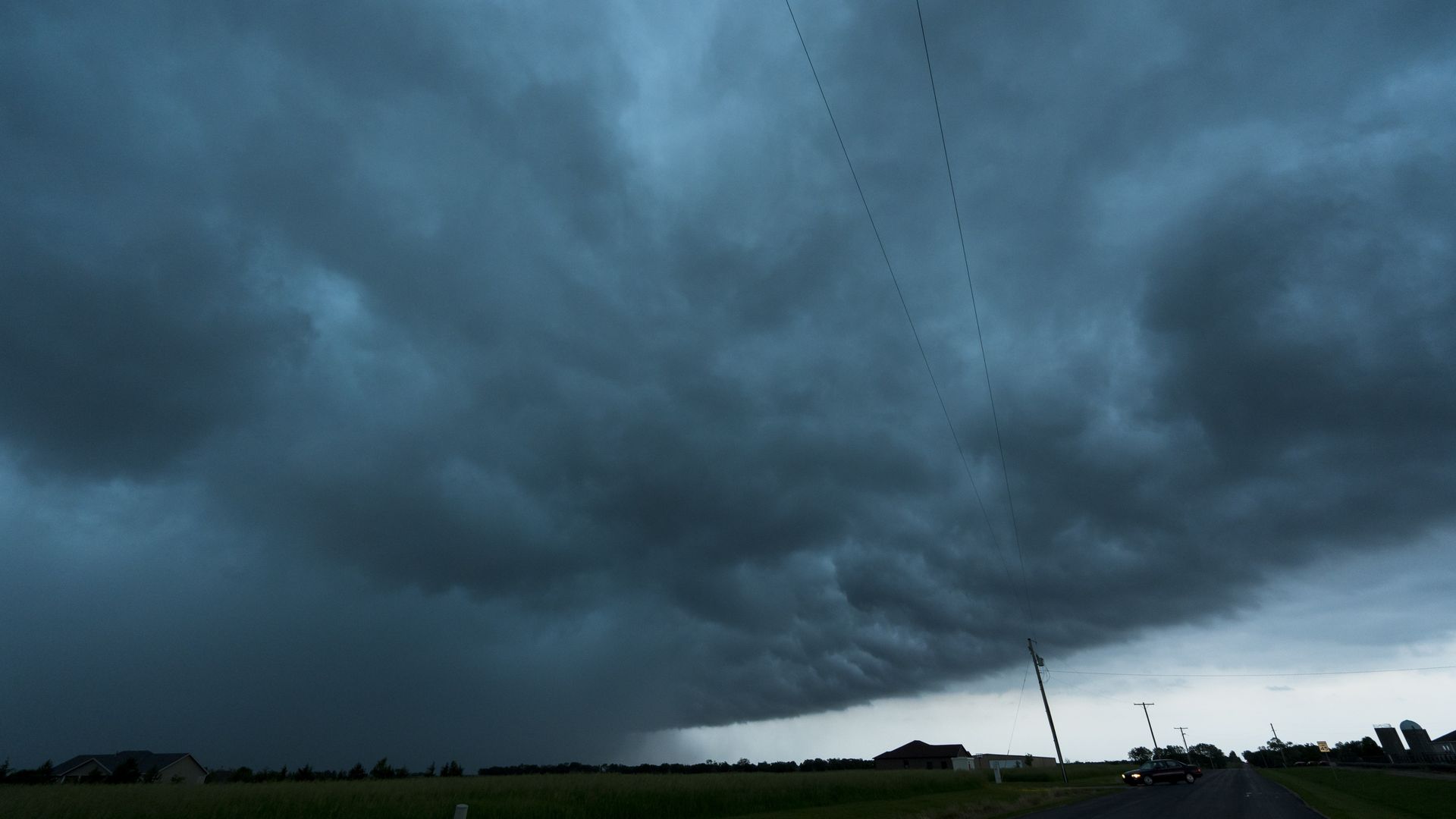
Driving the news: It's been a busy tornado season so far in 2019. In terms of the most tornadoes in a single period of time, 2019 has ranked 4th in both the 8-to-14-day and 28-to-30 day categories, per NOAA data.
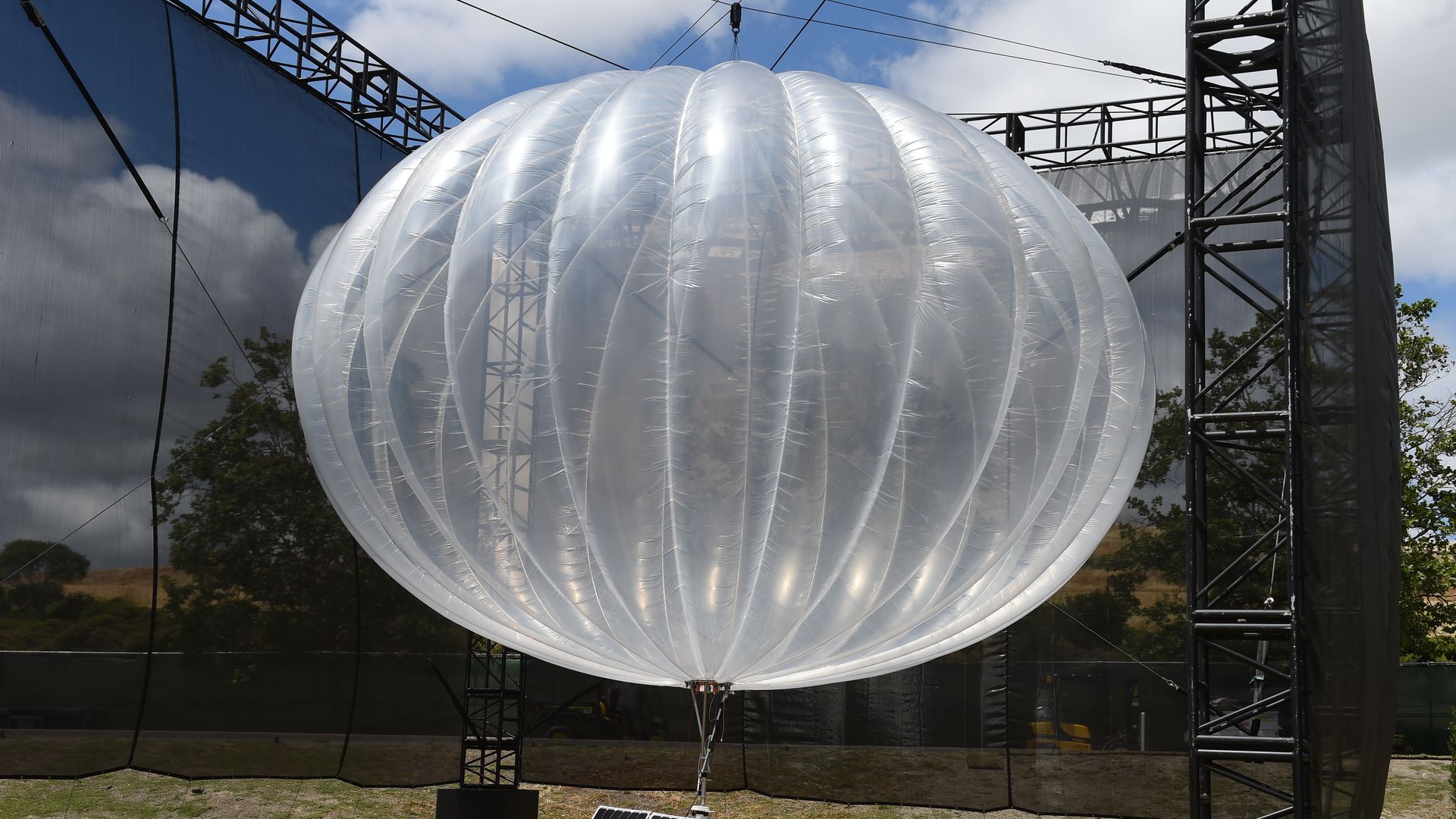
In the wake of an earthquake in Peru last weekend, Alphabet's Loon unit was able to quickly restore temporary internet access using its balloons.
The big picture: This was due, in large part, because it had already been in talks with Telefonica to bring its service to parts of the country and had offered its service in 2017 after flooding.
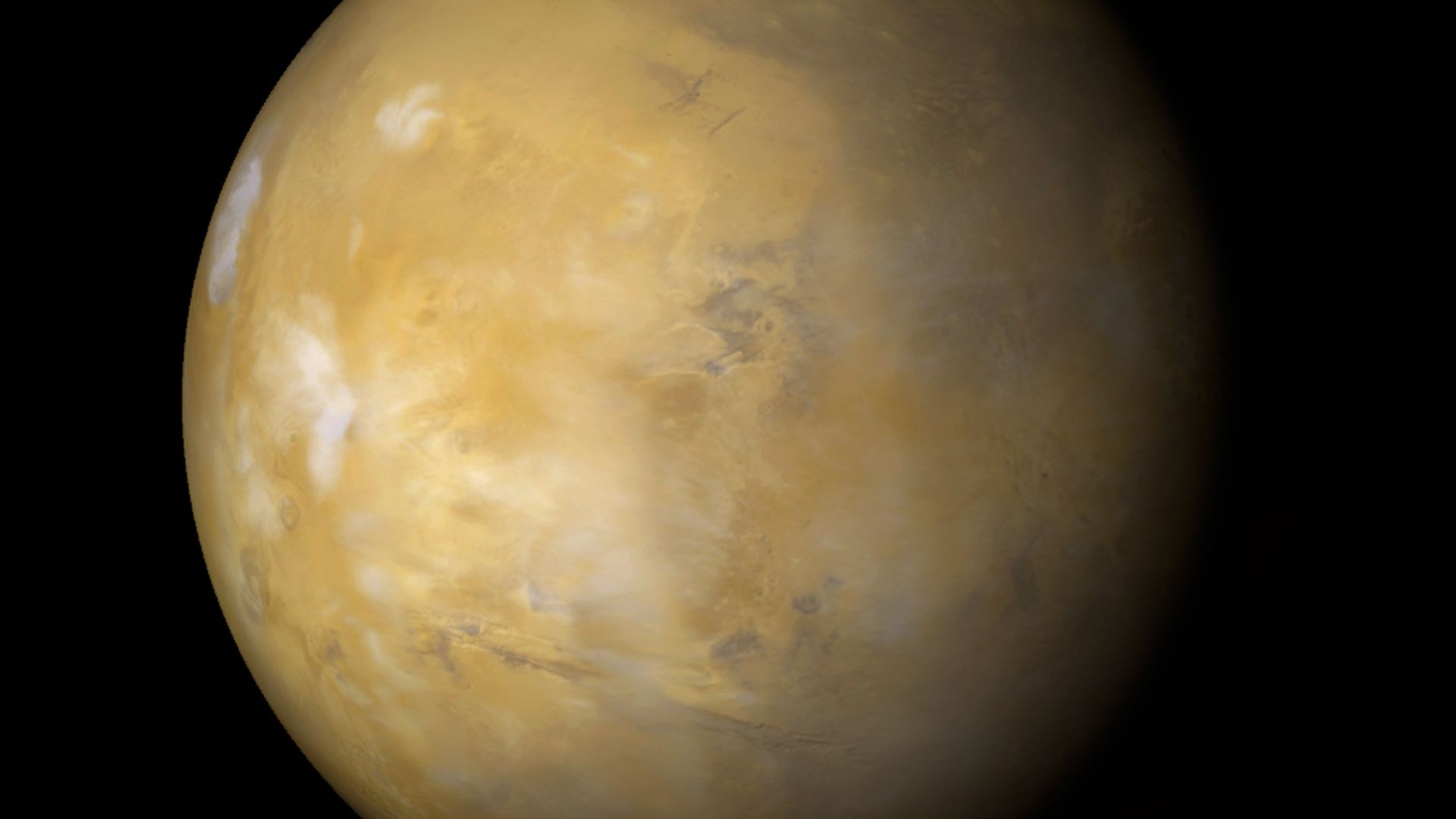
One of the things that makes Mars loom large in our imaginations is just how Earth-like the planet is. For example, Mars has clouds that at least look like those seen on Earth.
Details: According to NASA, the clouds can be found about 19 miles high and are likely composed of water ice, making them similar in concept at least to cirrus clouds here on Earth, though those are typically found at about 6 miles up.
The U.S. has been hammered by an onslaught of severe weather, as a persistent weather pattern set up a clash of seasons across the central U.S.
The state of play:Epic flooding has also been affecting the Upper Midwest, Plains, central U.S. and Mississippi River Valley this spring, with many locations seeing their highest water levels on record.
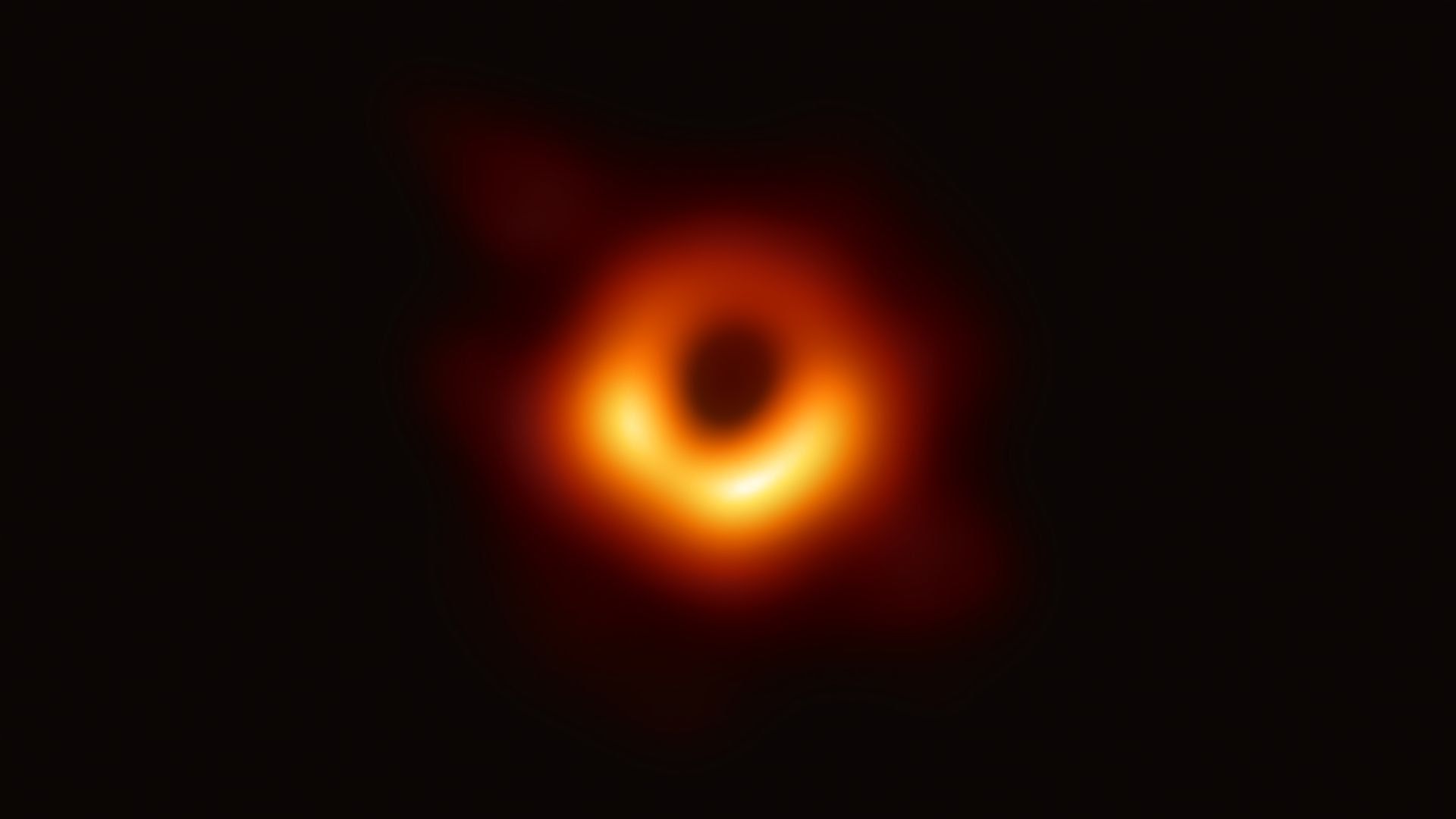
A group of scientists are trying to mimic the physics of a black hole on a tiny scale to figure out how these massive and extreme objects work in deep space.
Details: A new study in the journal Nature details the creation and testing of this laboratory-based black hole that uses sound waves sent through a quantum substance known as Bose-Einstein condensate to test the underlying physics of these objects.