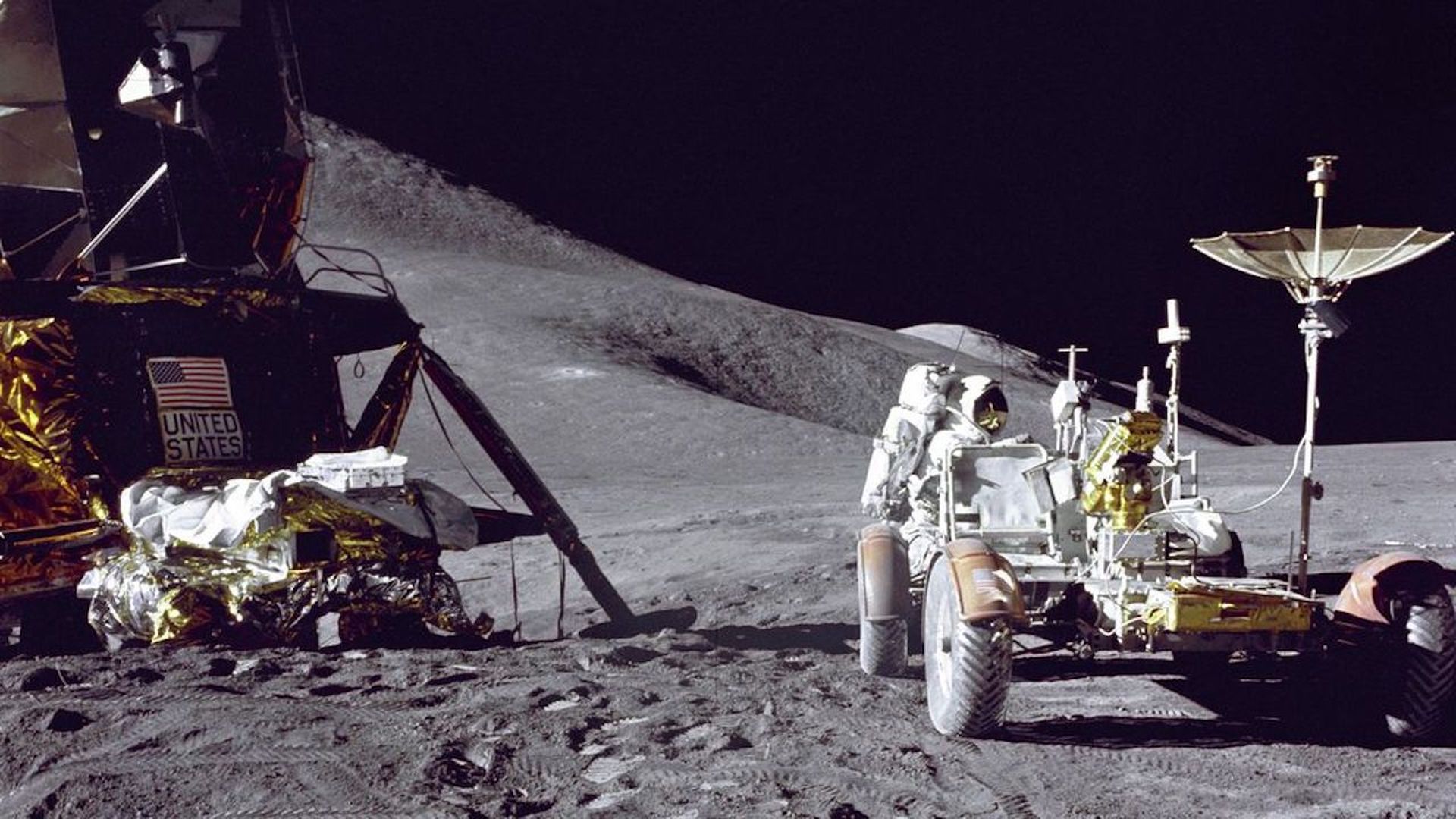
A team of scientists was awarded a cache of previously unopened Apollo-era Moon rock samples this year to turn back the clock and see exactly what kinds of materials were abundant on the Moon in its early history.
Why it matters: Researchers have long been interested in figuring out exactly what’s been going on in the interior of our Moon, and this new experiment — which is happening about 50 years after the lunar rock sample was collected — could help create a more complete picture of the history of our natural satellite.
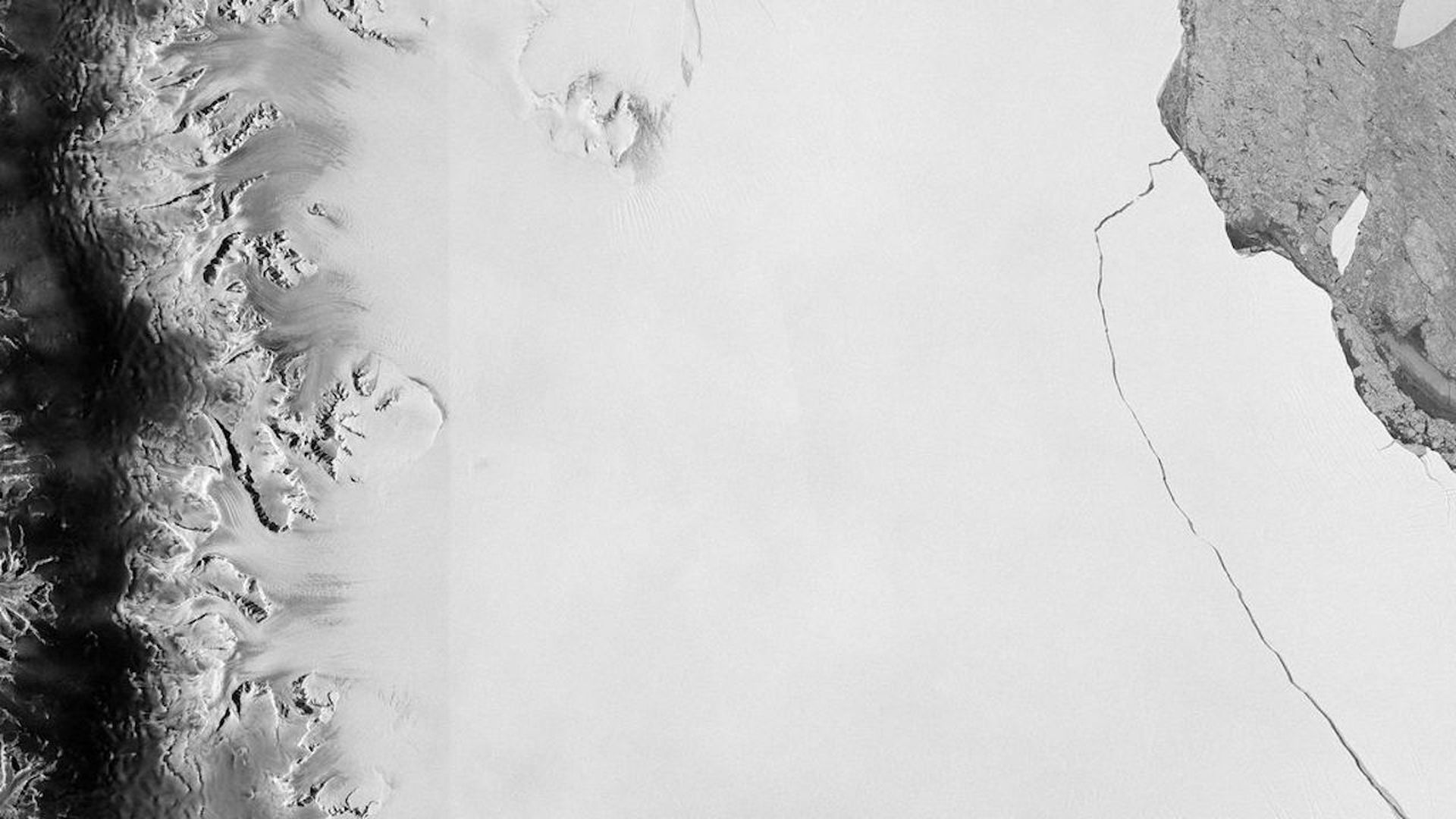
Private companies have been launching constellations of Earth-observing satellites for years, but they've been focused on beaming back images taken using visible light. That's starting to change, however, as new firms enter what's currently a niche market: synthetic aperture radar (SAR).
Details: SAR allows for data-gathering regardless of weather conditions, making it especially useful for monitoring the planet's disappearing ice sheets that are cloaked in darkness for half the year.
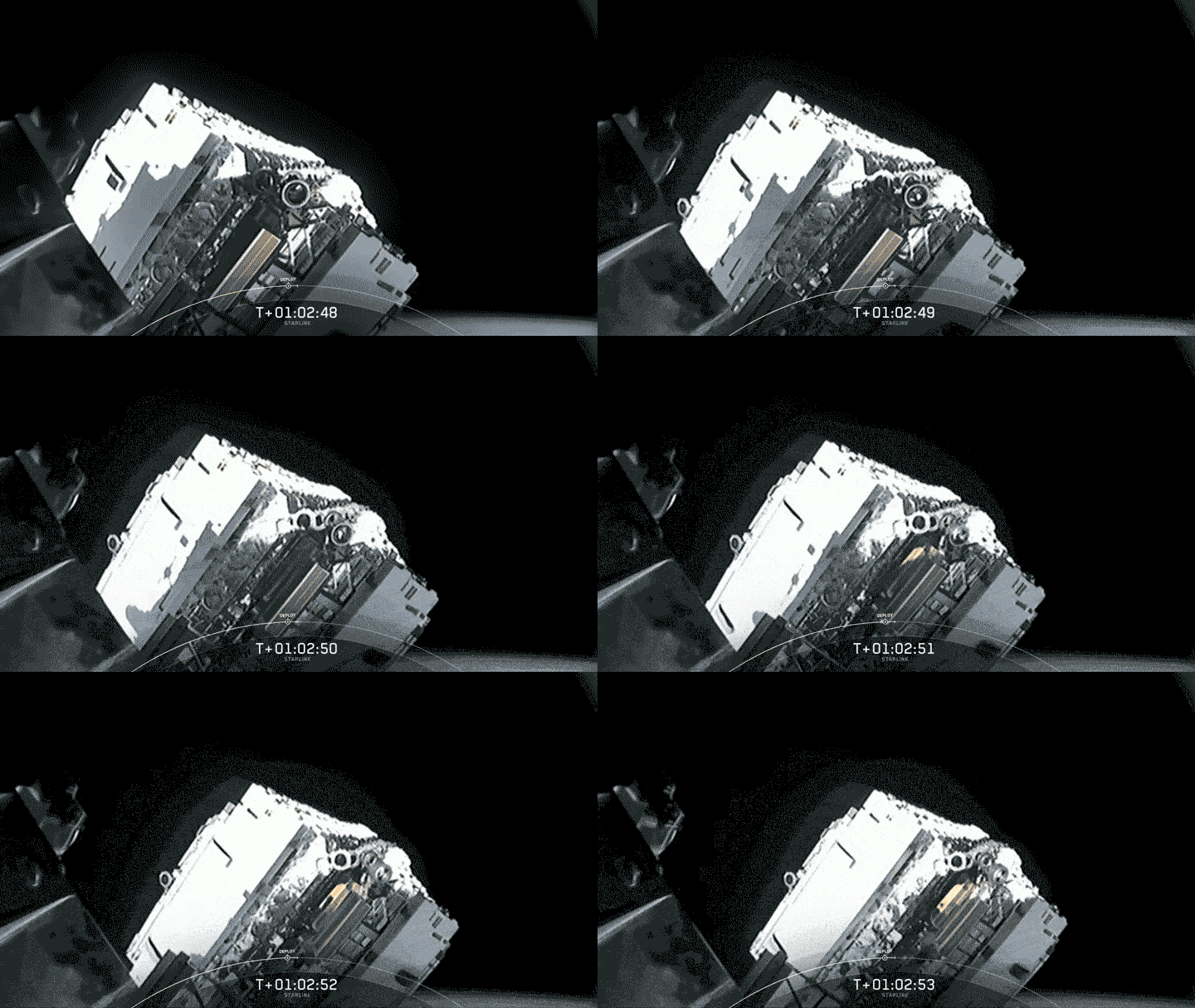
Starlink satellites deploying in orbit. Credit: SpaceX
Many skywatchers were delighted to spot a bright line of SpaceX's internet-beaming Starlink satellites pass overhead this weekend, but to astronomers, it was an ominous sign of things to come.
Why it matters: Bright satellites in the night sky can affect astronomy by getting in the way of sensitive, long exposure photos. Usually, researchers can work around these satellites by tracking their orbits and accounting for their predictable movements, but with more satellites come more complications.
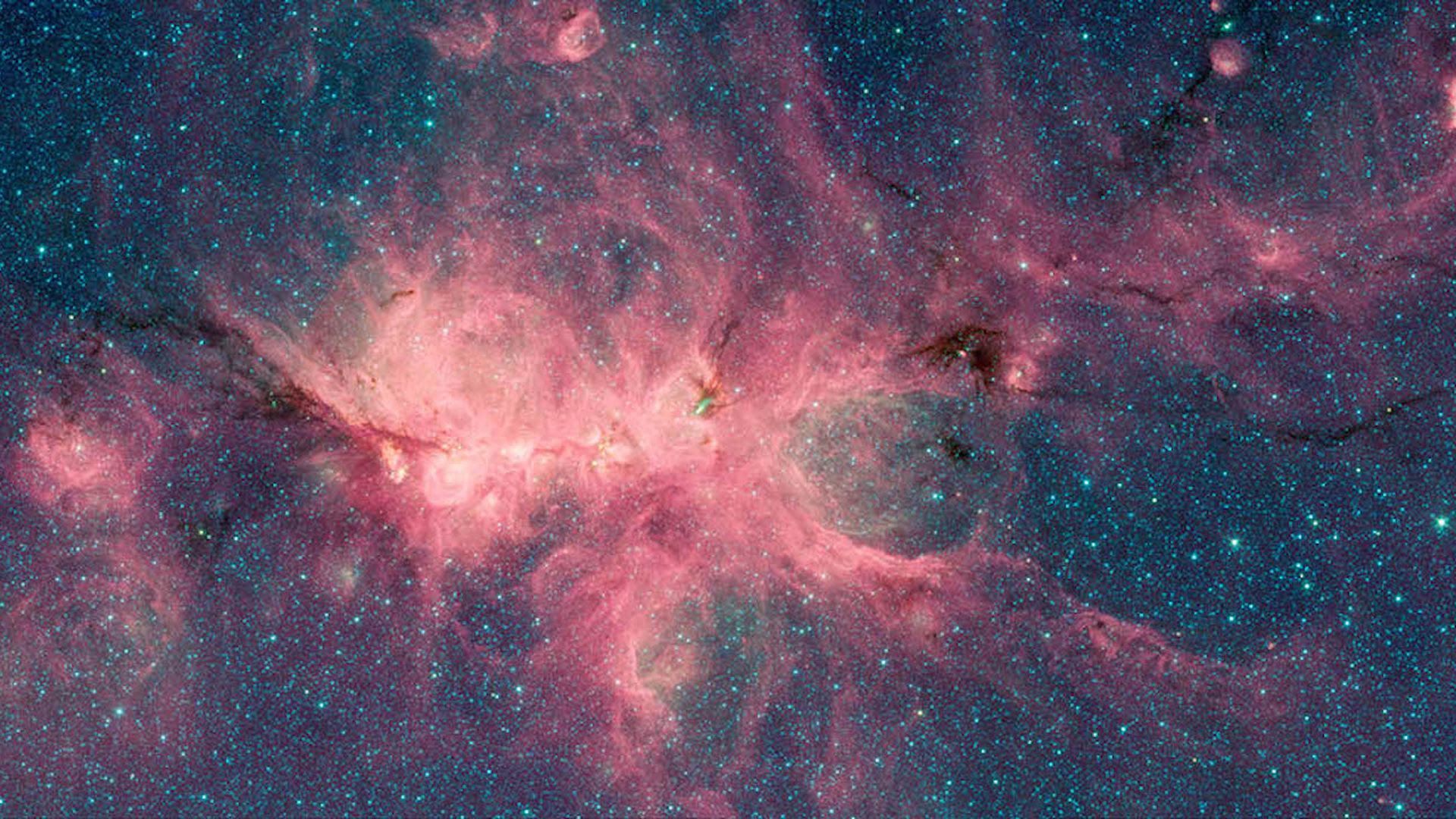
On Jan. 30, 2020, NASA will shut down the Spitzer Space Telescope, ending one of the agency's most scientifically productive space missions before the spacecraft reaches the end of its mechanical life.
Why it matters: Spitzer was designed to make the invisible visible, allowing scientists to investigate galaxies, stars and planet-forming disks. And even today, Spitzer is yielding new insights.
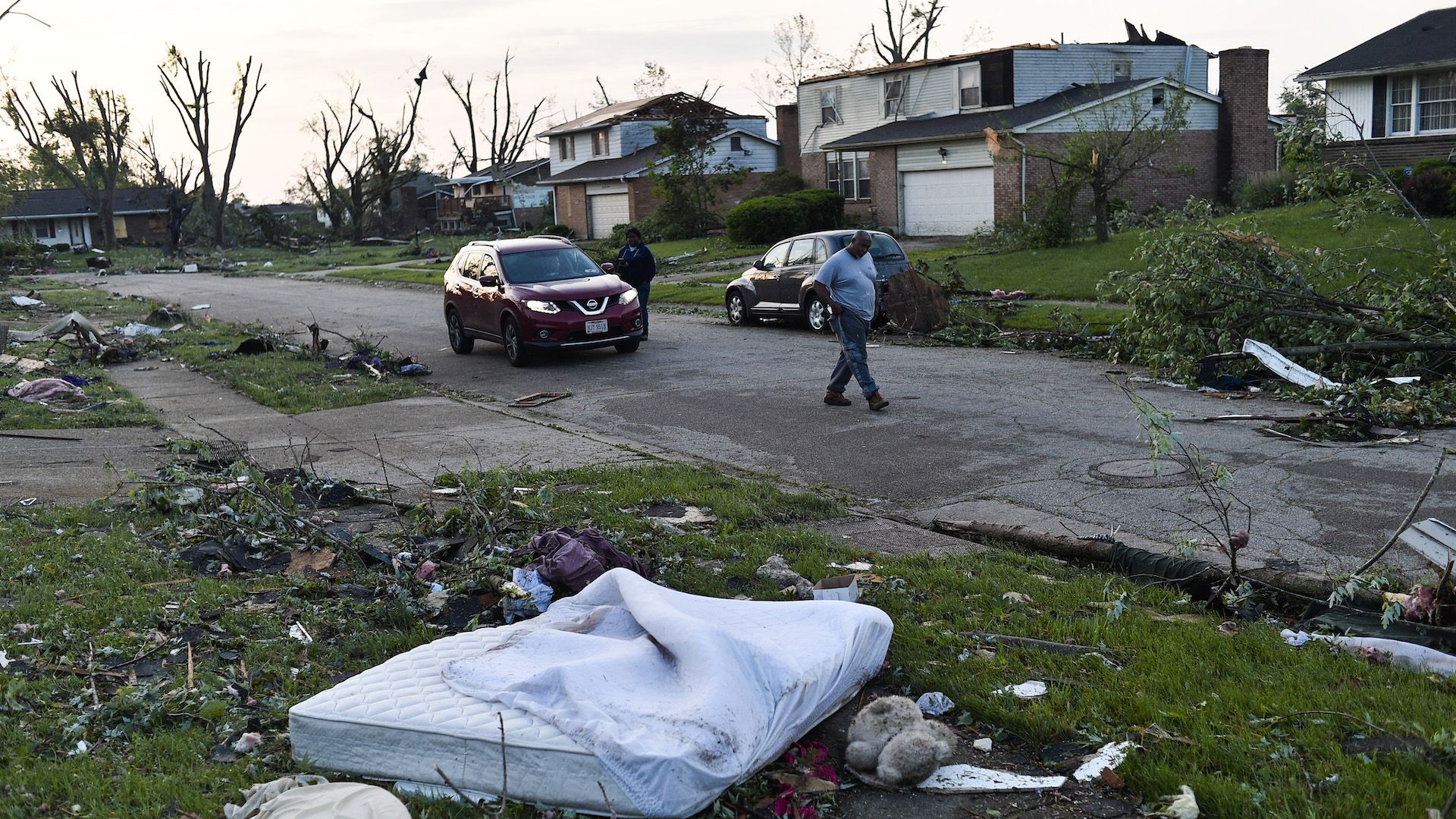
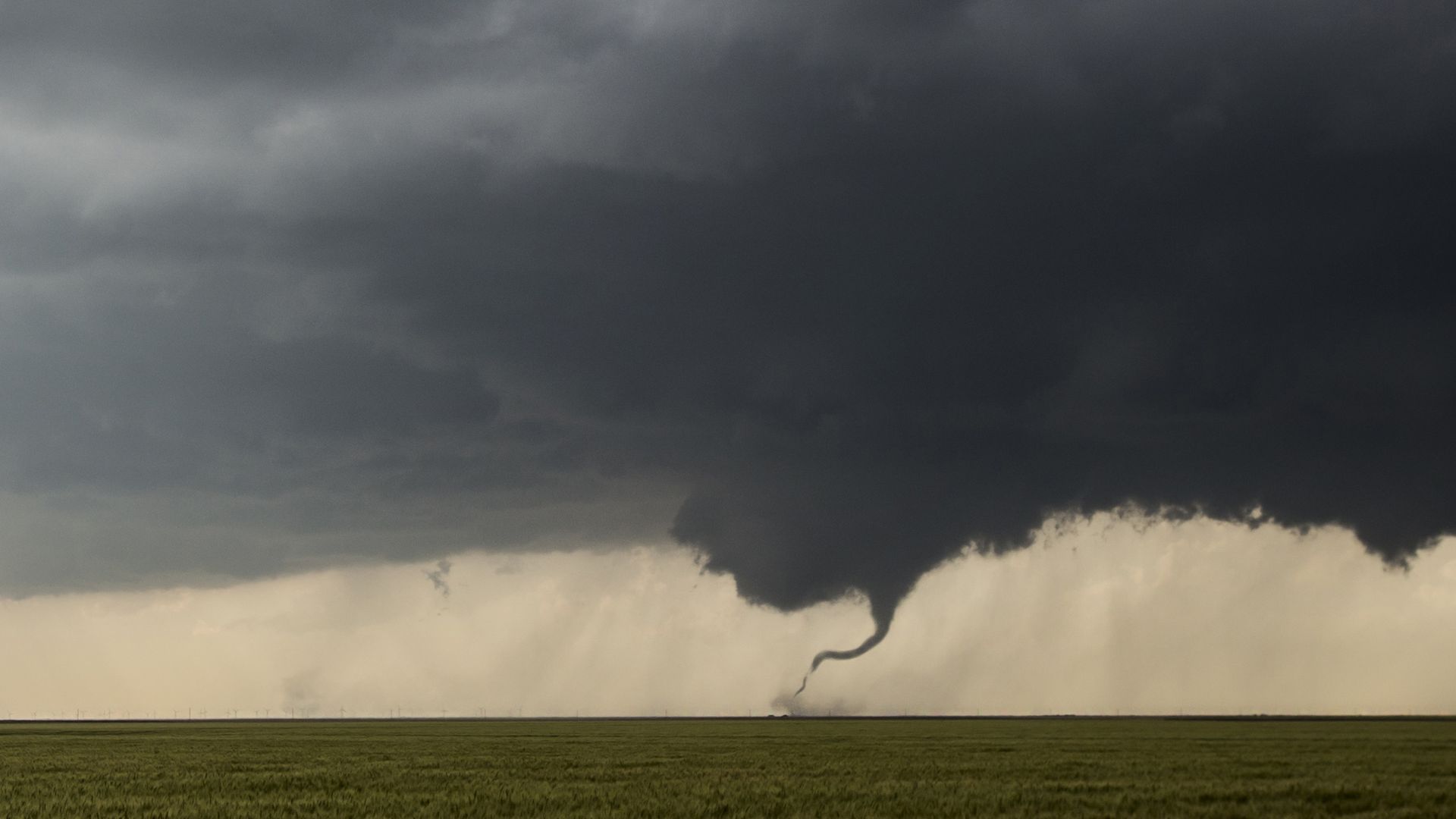
A series of tornadoes swept across Indiana and Ohio overnight, packed so tightly that one may have crossed the path carved by another, AP reports, as severe weather continues to hammer the Central U.S.
Details: A "large and dangerous" tornado struck the Dayton, Ohio, suburb of Trotwood just after 11pm Monday. At least one person was killed by the tornadoes in Celina, about 60 miles north of Dayton. The National Weather Service said it was notified about multiple tornadoes, with reports of injuries and widespread damage. Power outages affected 5 million people in Ohio, it said, in part due to widespread straight-line winds that downed trees and power lines. Flash flood warnings were also in place.
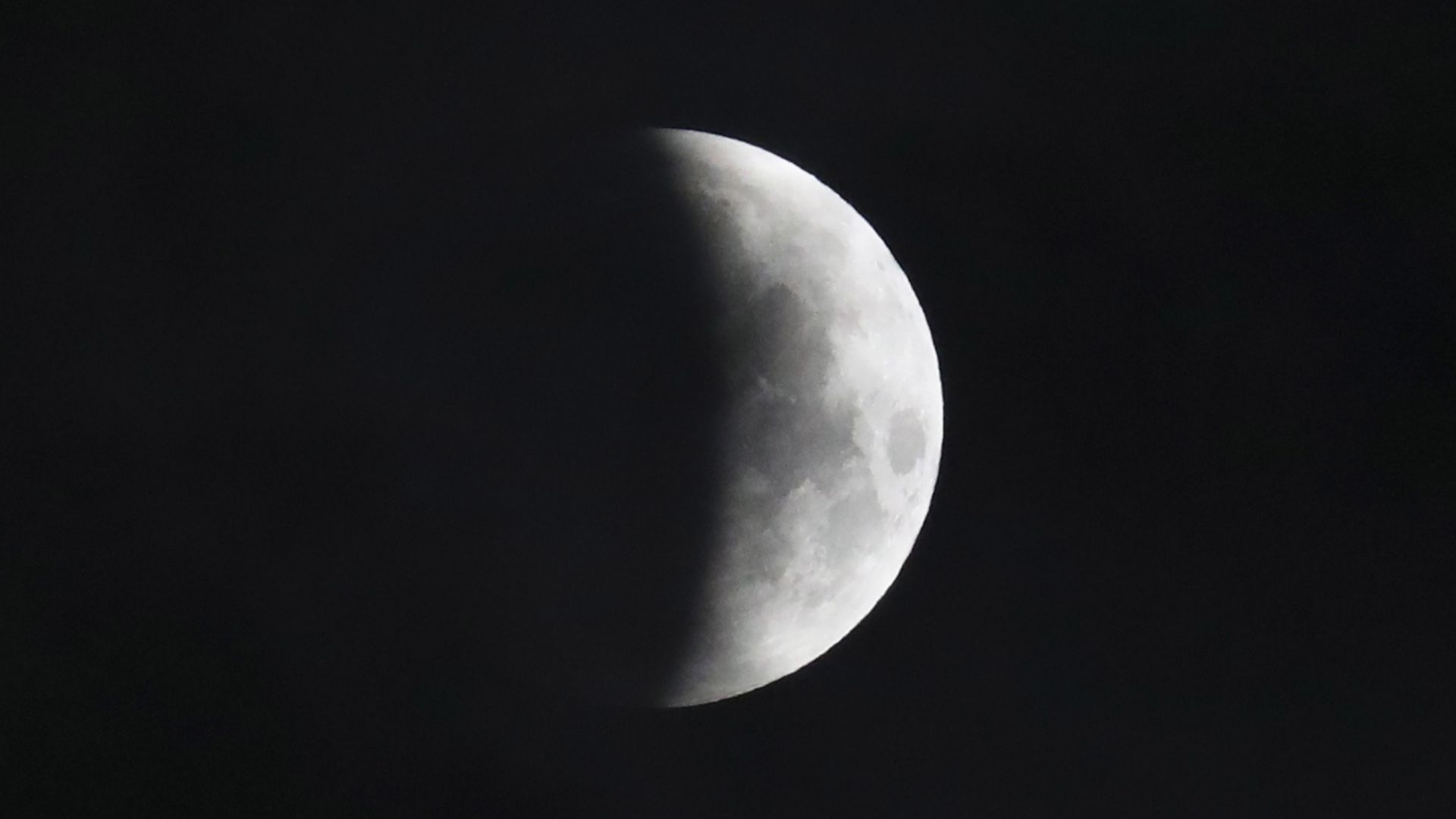
The next lunar eclipse will happen on July 16, 2019 and will be visible from South America, Europe, Asia, Africa and Australia.
Details: The upcoming lunar eclipse will be a "partial" lunar eclipse. At least two partial lunar eclipses happen per year, but total lunar eclipses are rarer. Lunar eclipses usually last a few hours, per NASA.
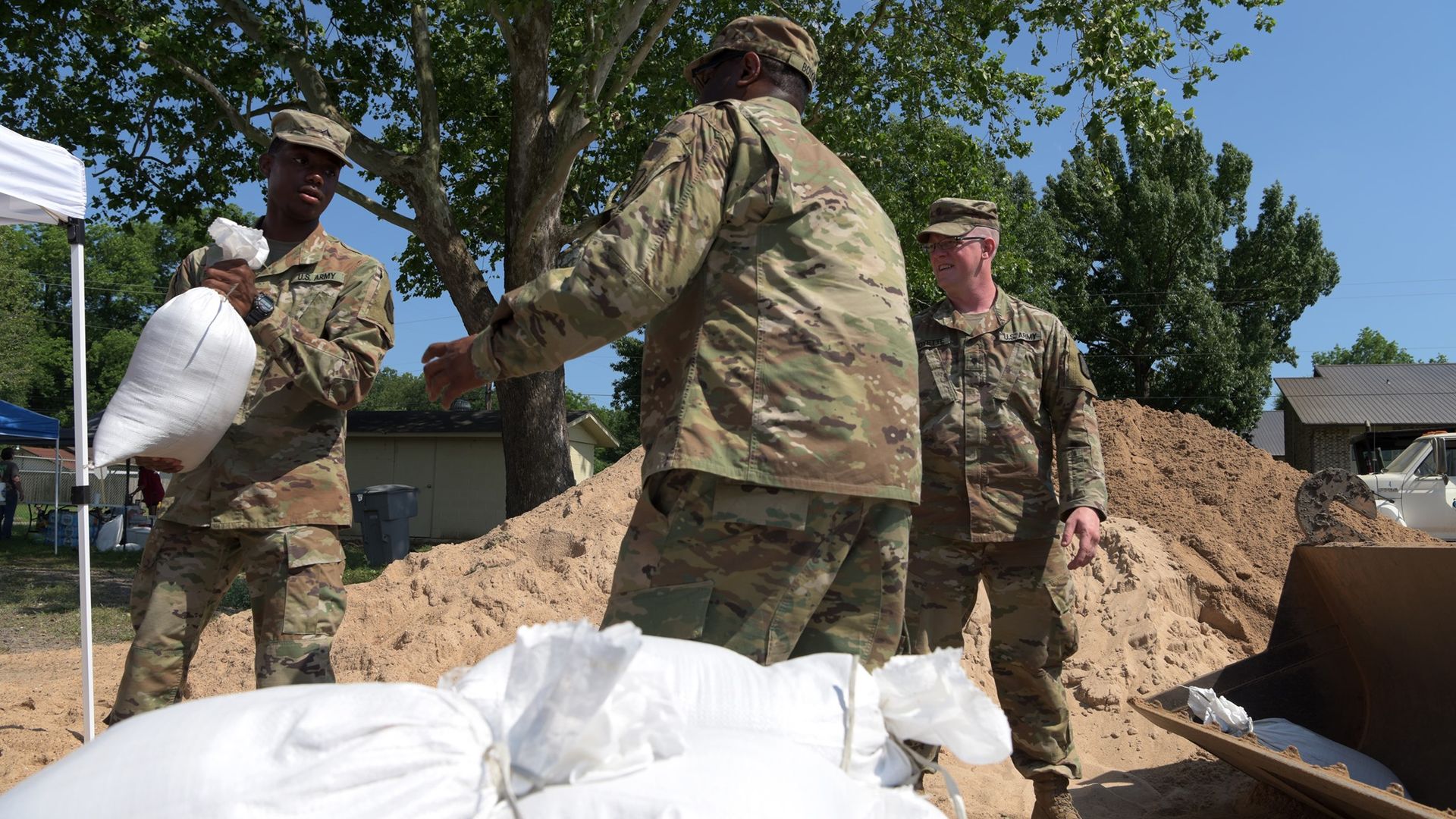
Communities in the Plains and Midwest were bracing for more severe weather Monday — with the National Weather Service warning those along the Arkansas River of a "dangerous and life threatening situation" with "near catastrophic flooding."