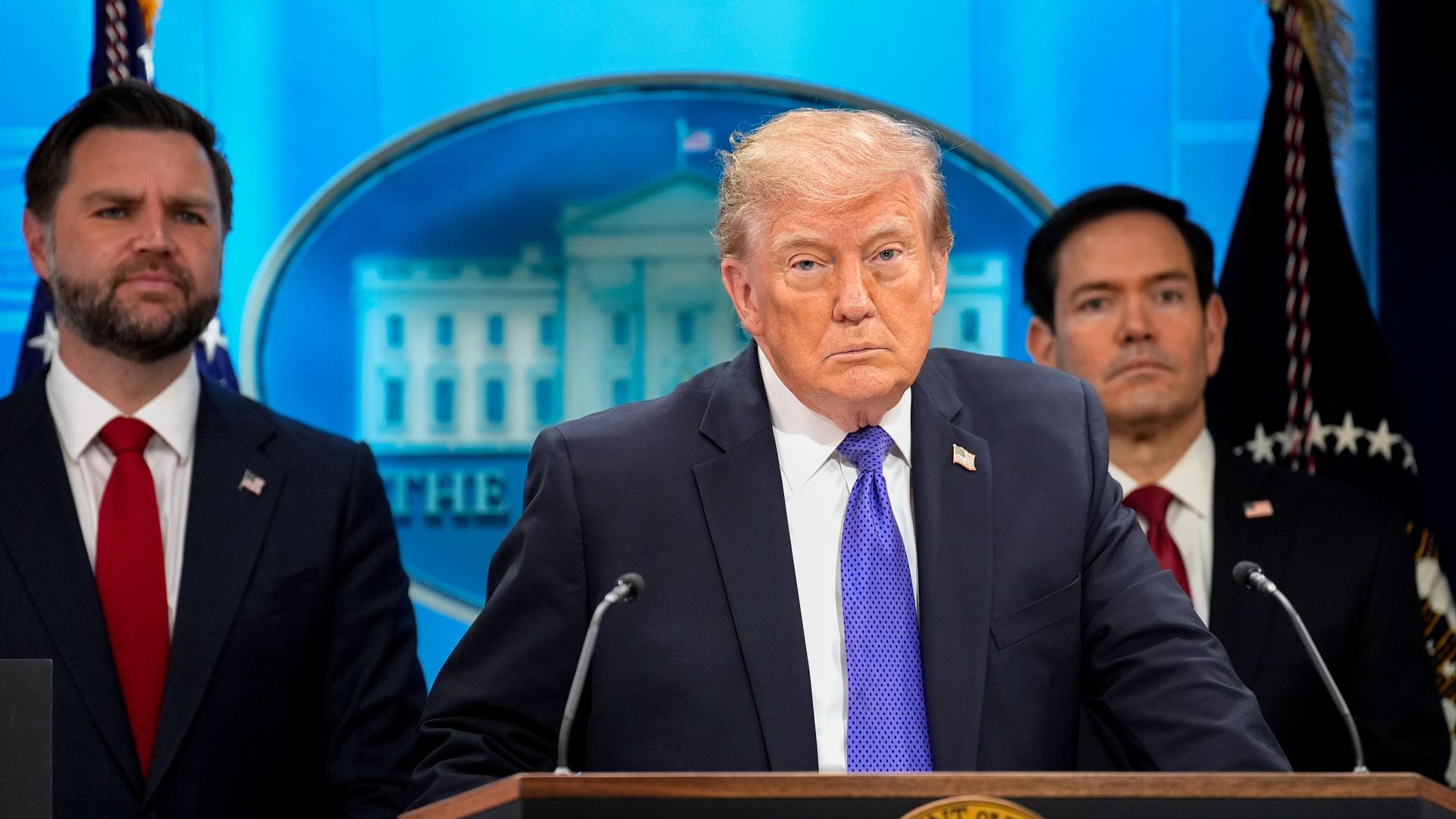
Why it matters: It represents yet another barrier to the multi-year project to build a 250-foot arch that challengers said would obstruct the line of sight between the Lincoln Memorial and Arlington National Cemetery.
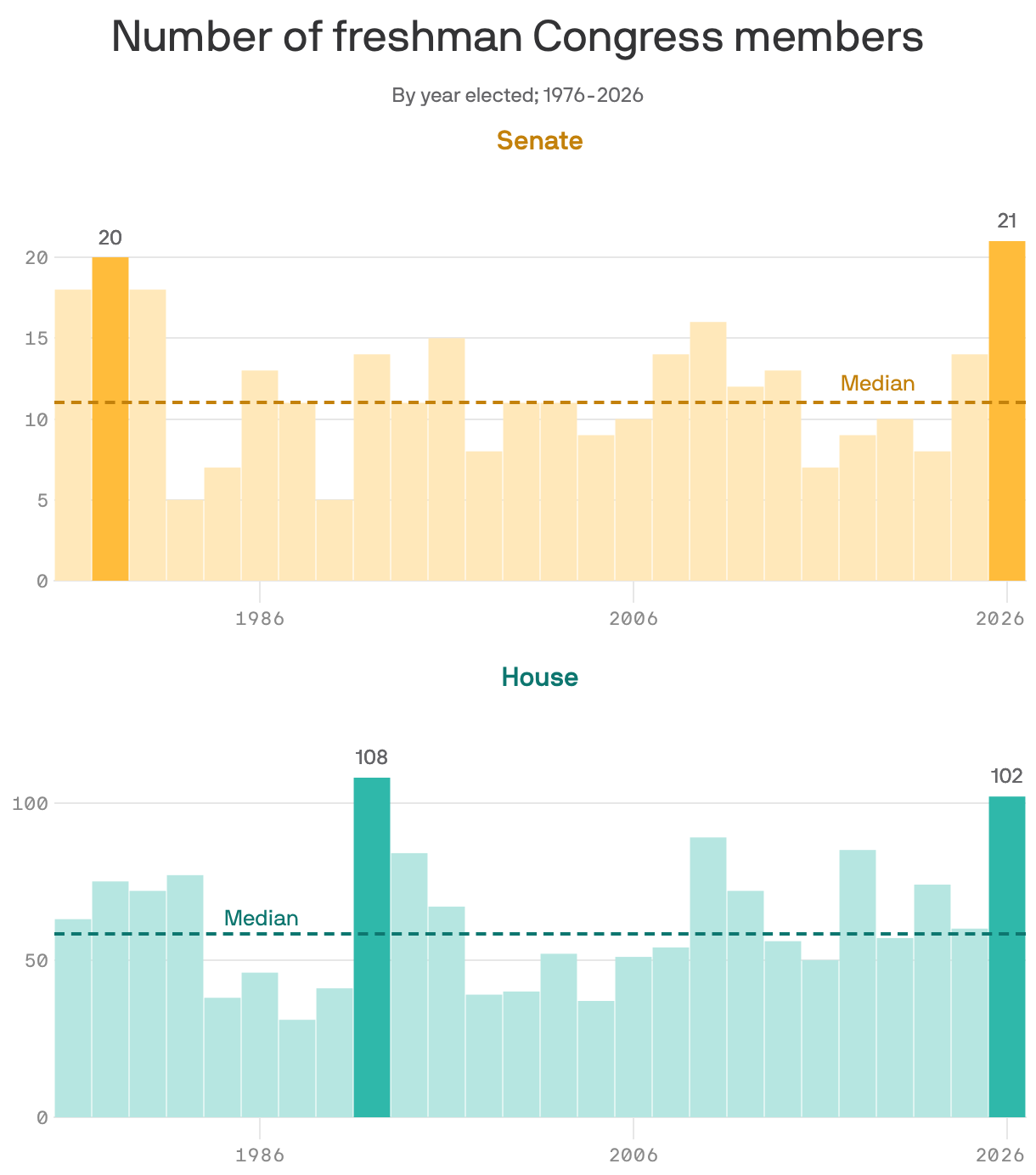
Senate data includes members who served nonconsecutive terms; House data does not. Data: House historian, U.S. Senate; Chart: Erin Davis/Axios
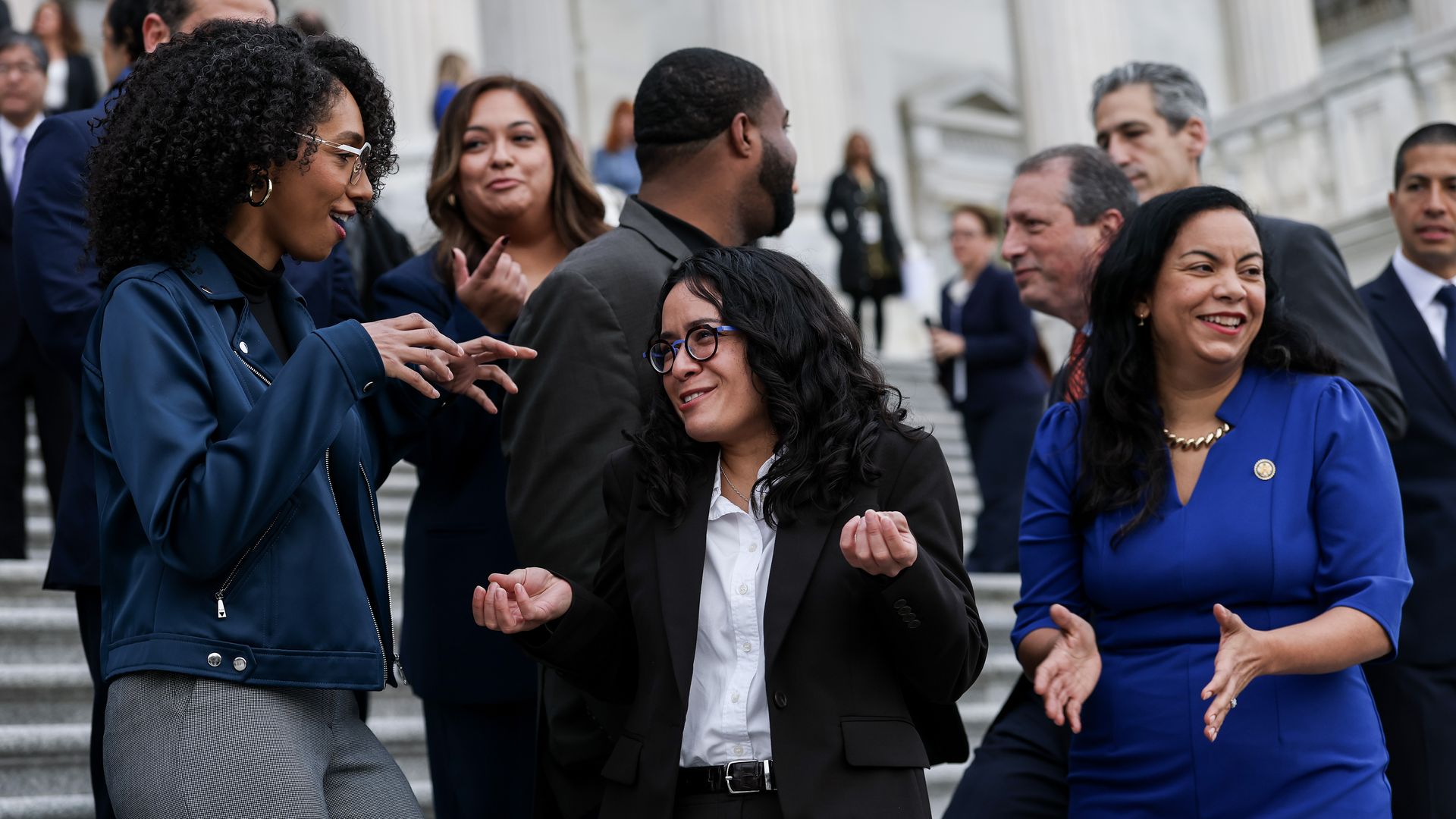
Americans want change, and they're about to get it: A perfect storm of congressional retirements, primary upsets, gerrymandering, flipped seats and lawmakers who died in office has created the biggest freshman class in decades.
Why it matters: Congress had a 14% approval rating (not a typo) when Gallup polled registered voters in October. That's its lowest pre-midterm number since 1974.
President Trump on Friday said he would block U.S. companies from building data centers overseas or impose a "tremendous tax" on them if they do.
Why it matters: Trump's push to keep AI infrastructure in the country comes just weeks after data center expansion became a midterm-election flashpoint, as voters raised concerns about the environmental and financial impacts they pose.
Speaker Mike Johnson (R-La.) is warning House Republicans that their jobs aren't over yet after so many skipped town this week that GOP leaders had to call it quits.
Why it matters: Republicans still have a month-plus left in the majority, but Johnson is struggling to get enough members to show up to make last-minute headway on the GOP's legislative agenda.
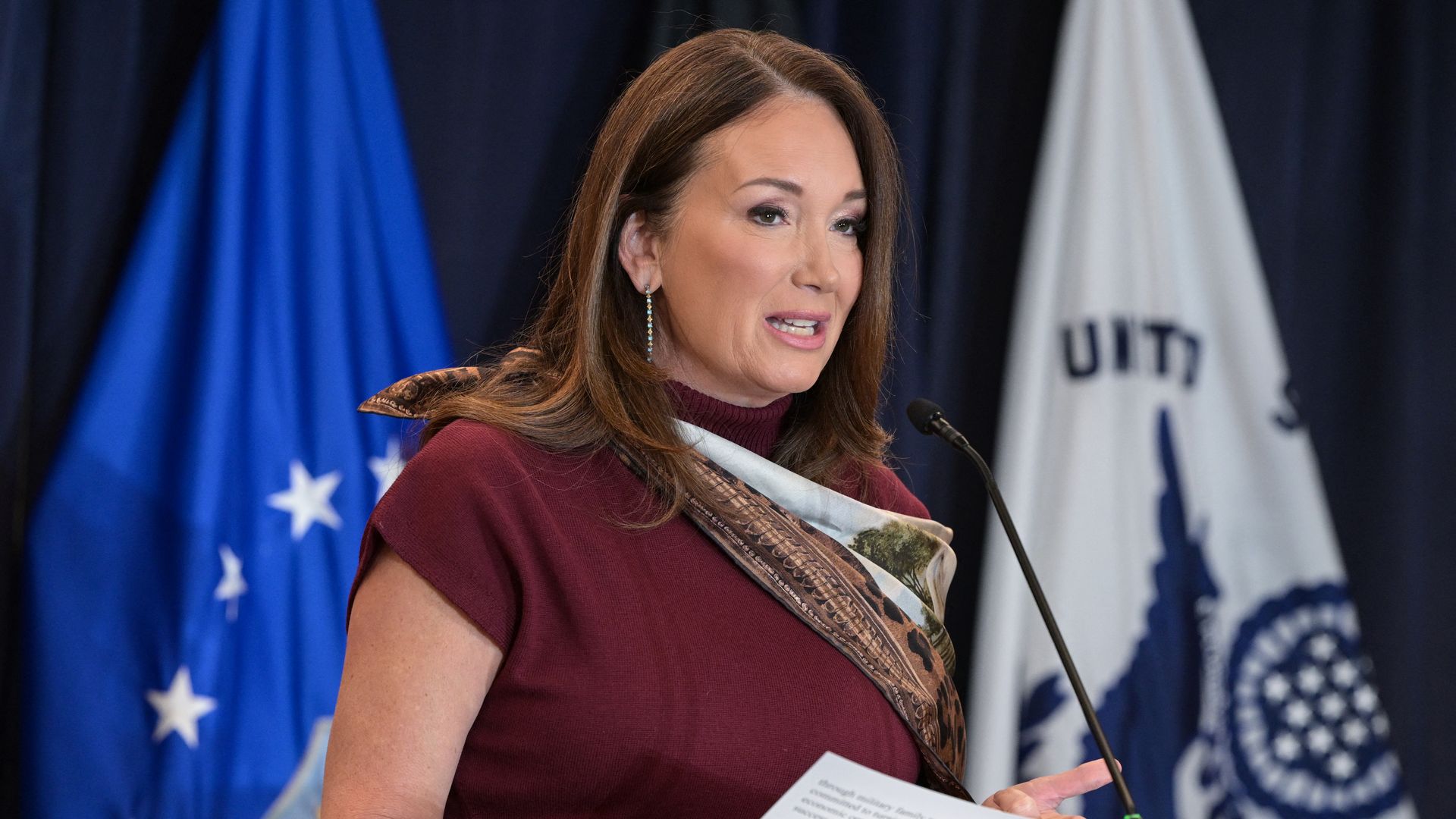
A federal judge said Thursday that Agriculture Secretary Brooke Rollins' overtly Christian messages to department employees went "too far" and put enough pressure on staff to raise a First Amendment violation.
The big picture: The Supreme Court has repeatedly weighed the boundaries of the Establishment Clause. While the judge said Rollins could express her religious beliefs with interested colleagues, she concluded the department-wide messages overstepped those boundaries by amounting to coercion.
America's religious "nones" have gained a visible foothold in Congress: Five lawmakers will claim no religious affiliation in January, up from a single member just two years ago.
Why it matters: Washington remains far more religious than the nation it represents. But the last two election cycles have put a series of cracks in that political glass ceiling.
Democrats' sweeping electoral wins jump-started prospects for Medicaid expansion in red and purple states that rejected full expansions of the program under the Affordable Care Act.
But budget realities could make newly elected Democratic governors pump the brakes.
Why it matters: The changing of the guard sets up a test of whether states can expand coverage to more low-income residents right after Republicans in Congress weakened financial incentives for doing so.
The Senate passed a sweeping, bipartisan billThursday night that'sdesigned to cut permitting timelines for energy and infrastructure projects.
Why it matters: The eyes of the entire energy industry are on this bill. If it becomes law, it could transform how America builds energy infrastructure, with major implications for everything from electricity costs to data centers.
Vector on Thursday debuted Bombard, a weapon executives said is designed for long-range strikes with the lessons of the Russia-Ukraine war in mind.
Why it matters: It's a dramatic design departure from the defense-tech company's other public offerings, which include quadcopters and drones meant for close-quarter battle.
House Republicans chose fighter Jim Jordan over the more experienced Steve Scalise to lead them after taking a midterms beatdown. Now they're facing a similar choice over who should lead them on House Oversight.
Why it matters: Whoever gets the top Republican spot on the Oversight Committee will be the first line of defense on some of the most deeply personal issues for President Trump and his inner circle.
House Democrats are largely steering clear of threats to shut the government down in December if Republicans put forward legislation that maintains funding for the war in Iran.
Why it matters: Much of the party's left flank — including some members of Congress — think it's a fight they need to pick after their midterm landslide.
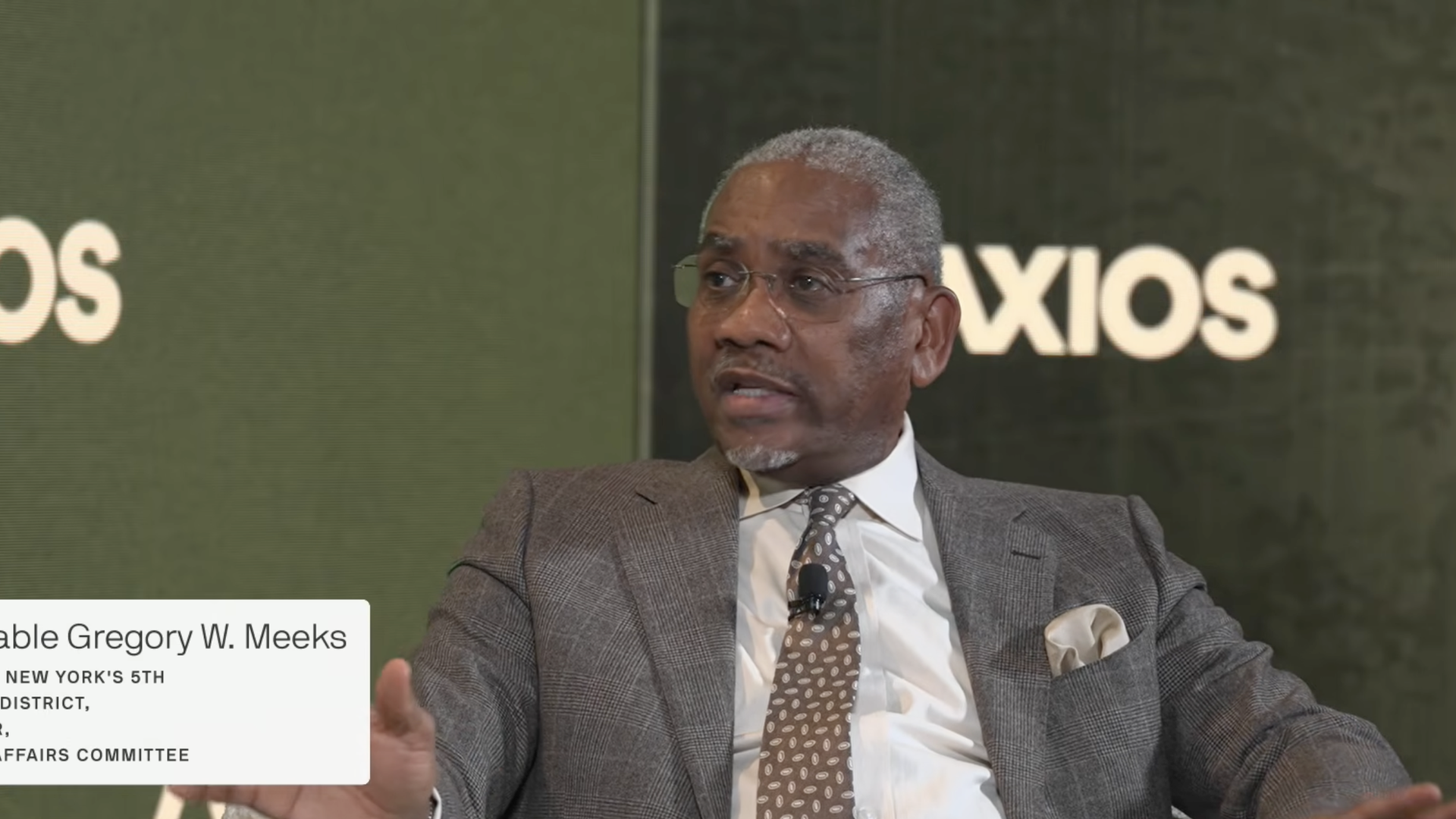
Rep. Gregory Meeks (D-N.Y.) said Thursday Congress is going to reclaim powers long ceded to the executive branch at the Axios Future of Defense summit.
Why it matters: As the top Democrat on the House Foreign Affairs Committee, Meeks is putting the Trump administration on notice that it's foreign policy decisions are going to be challenged through legislation and oversight hearings.
Companies rushing to fix AI-discovered vulnerabilities — not a coordinated wave of cyberattacks — are behind the spate of tech outages over the past week, Twenty co-founder and CEO Joe Lin said at Axios' Future of Defense Summit on Thursday.
"Conspiracy theories can be a lot of fun, but as psychologically satisfying as they sometimes may be, I don't think that's what's happening here," Lin said.
Why it matters: Internet outages are likely about to become commonplace as organizations rapidly patch software bugs that AI models identify before hackers can take advantage of them.
Boeing Defense, Space and Security chief executive Steve Parker said the company feels a "huge responsibility" in developing the next generation of military aircraft at Thursday's Future of Defense Summit.
The big picture: Despite production setbacks in recent years, Parker believes Boeing's F-47 fighter jet and other defense contracts will position the company to deliver the advanced capabilities the U.S. military needs.
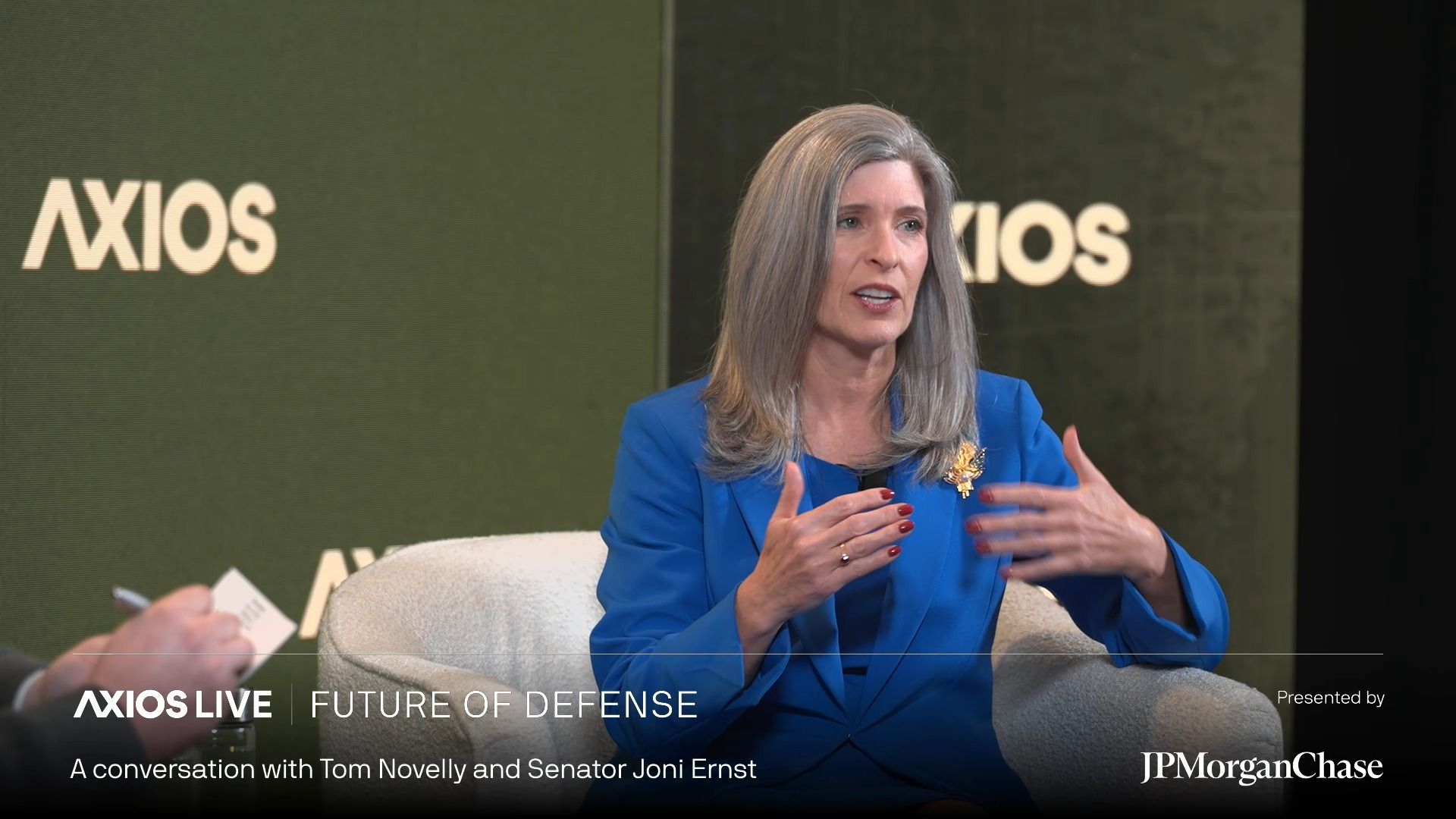
Sen. Joni Ernst (R-Iowa) said "a lot of people would be able to guess" if she regrets voting to confirm the embattled Defense Secretary Pete Hegseth, during Axios' Future of Defense Summit Thursday.
Why it matters: The retiring Iowa senator, who served in the military for more than two decades, has beennotablyskeptical of Hegseth and hasn't always been in lockstep with the Trump administration.
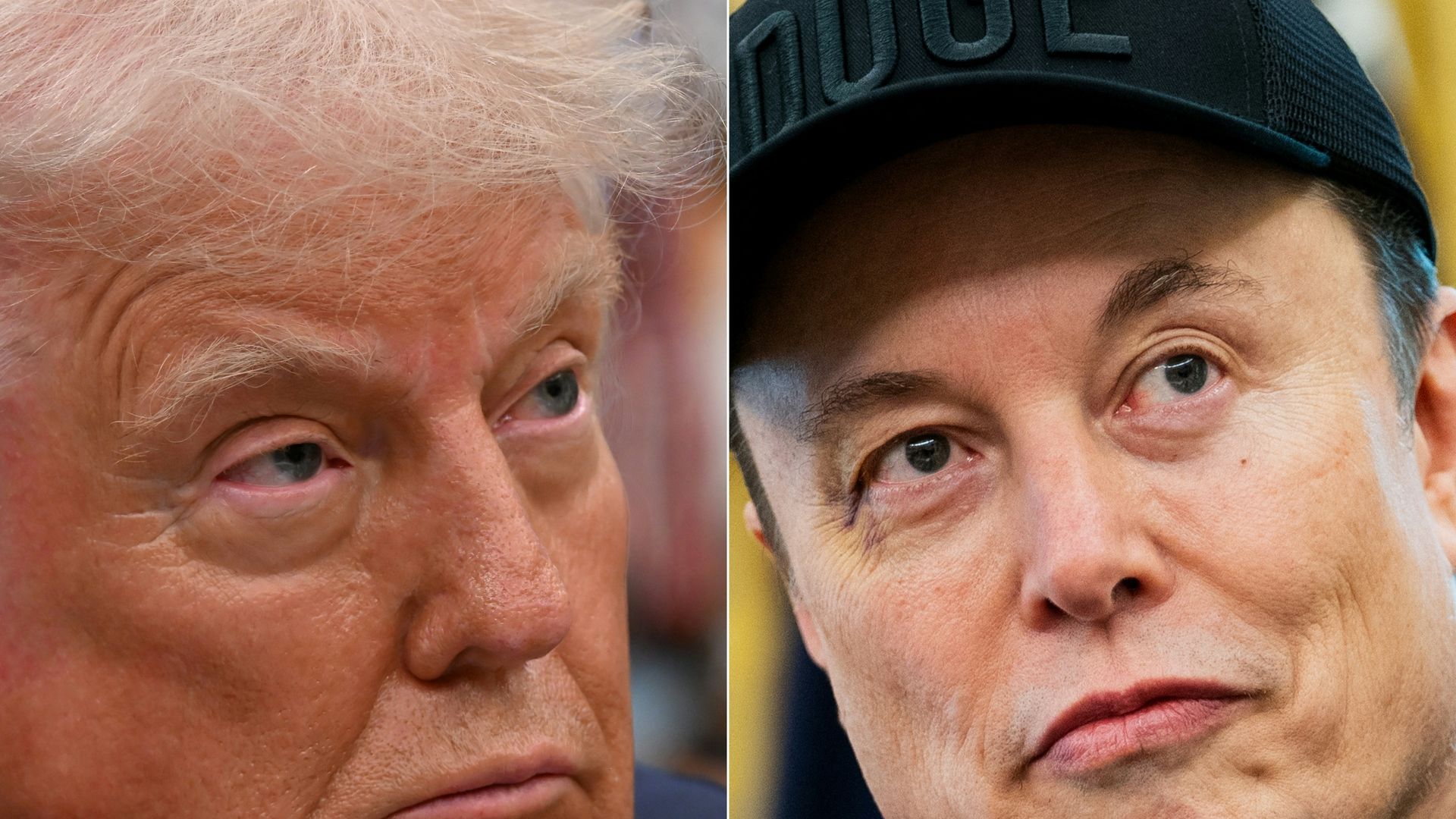
President Trump still considers Elon Musk an ally despite the world's richest man saying he's "not MAGA," the president told NBC News on Thursday.
Why it matters: Musk's latest break from Trump's political movement comes after he spent millions backing Republicans in the midterms, only to see Democrats win control of Congress and many state governments.
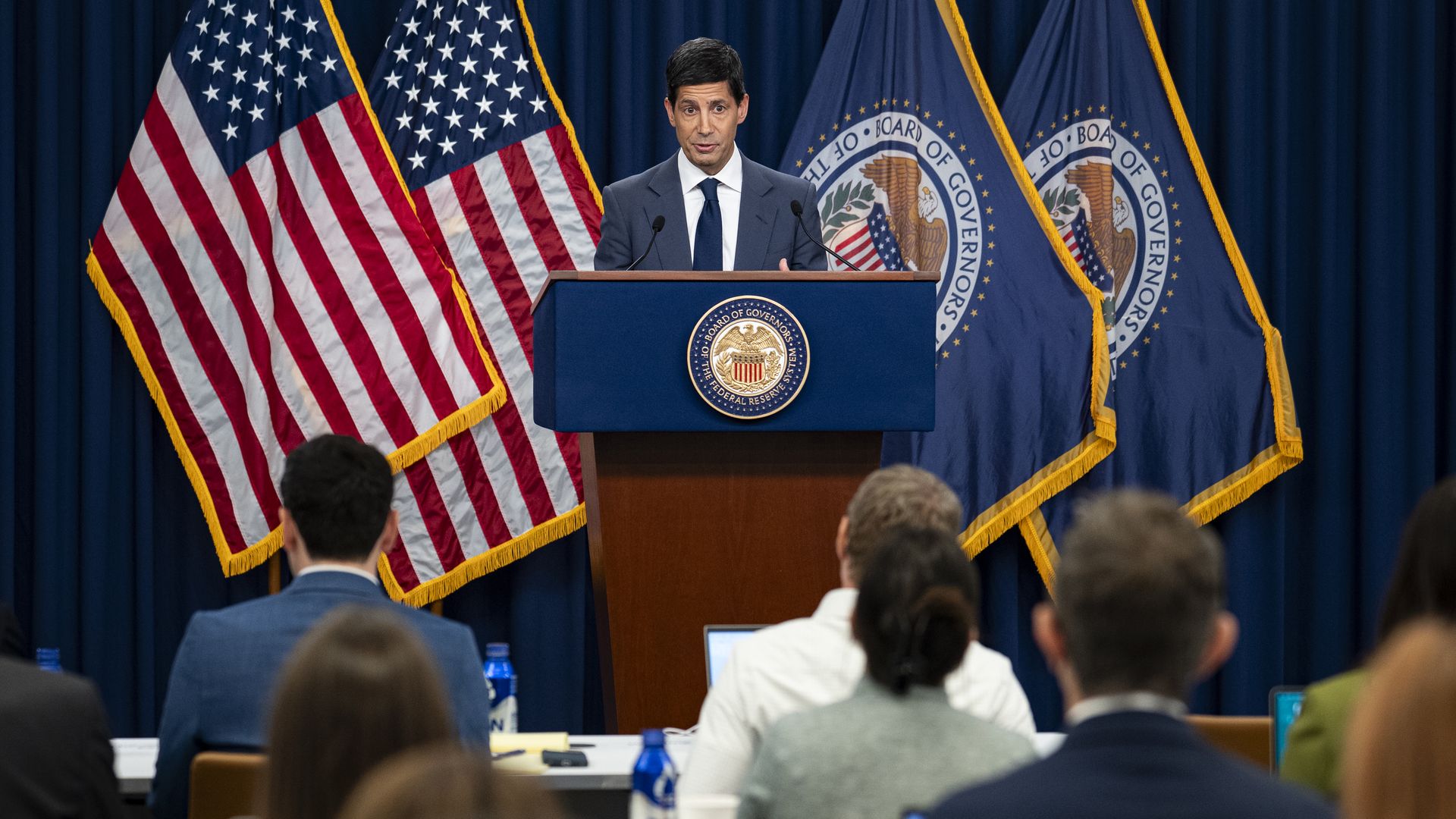
Minutes from the Federal Reserve's October meeting suggest Fed officials broadly agree on the need for higher interest rates, even as they debate how quickly to raise them.
Zoom in: "Almost all" policymakers expected further rate increases would be appropriate, broadly in line with their September projections.
You can't solve a supply-side problem with a demand-side solution. This is the year that a bipartisan majority of Congress came to grips with that reality.
The big picture: The U.S. economy has been held back this decade by inadequate supplies of housing, energy and infrastructure. There's now surprising momentum on Capitol Hill to change that.
Why it matters: The decision could have far-reaching implications for other genocide cases, including South Africa's case accusing Israel of committing genocide against Palestinians in Gaza.
The U.S., Russia and China emerged from their historic trilateral summit Thursday with a declaration on nuclear risks and energy security, but no major diplomatic breakthroughs.
The big picture: Analysts didn't anticipate major arms-control outcomes, and the declaration didn't mention the conflicts in Ukraine or Iran. Still, the spectacle alone was a stunning example of the "different course" Trump says he's charting in foreign policy.
If the sweeping Senate permitting bill becomes law, it will reflect a rare convergence of political and market forces strong enough to trump the Beltway aversion to big, bipartisan deals.
Why it matters: The bill could transform how America builds energy infrastructure, with major implications for everything from electricity costs to data centers.
Former U.S. Sen. Ben Sasse, who was told 11 months ago that he had 90 days to live, plans to keep beating the dealer: He'll be out March 9 with what he calls his final book, "Redeem the Time: The Strange Gift of Dying and the Lost Art of Living," co-written with his middle child, Alex (in photo above), who turns 23 on Thursday.
"These are days I wasn't supposed to get," Sasse, 54, told me in a phone interview.
💡 The book's big idea: "We're not just the materially richest people at any time and place in history, but we're also the time-richest people," Sasse says. "And yet, we seem pretty dang miserable. Which is weird, because we ought to be able to make conscious choices about how to invest or redeem the time."
Republican voters in four early 2028 primary states have favorable views of Israel by wide margins and have negative opinions of three leading right-wing critics of the Jewish state, according to a new poll by a national GOP consulting firm.
Why it matters: The poll challenges the notion that Republican opinion toward Israel is fracturing significantly, and points to a potential disconnect between GOP voters' attitudes and the sentiments of those who often draw the most attention online.
The big picture: The "prepper" mindset is resonating with larger slices of society — who are packing emergency bags, stocking up on water and taking inventory of non-perishables.
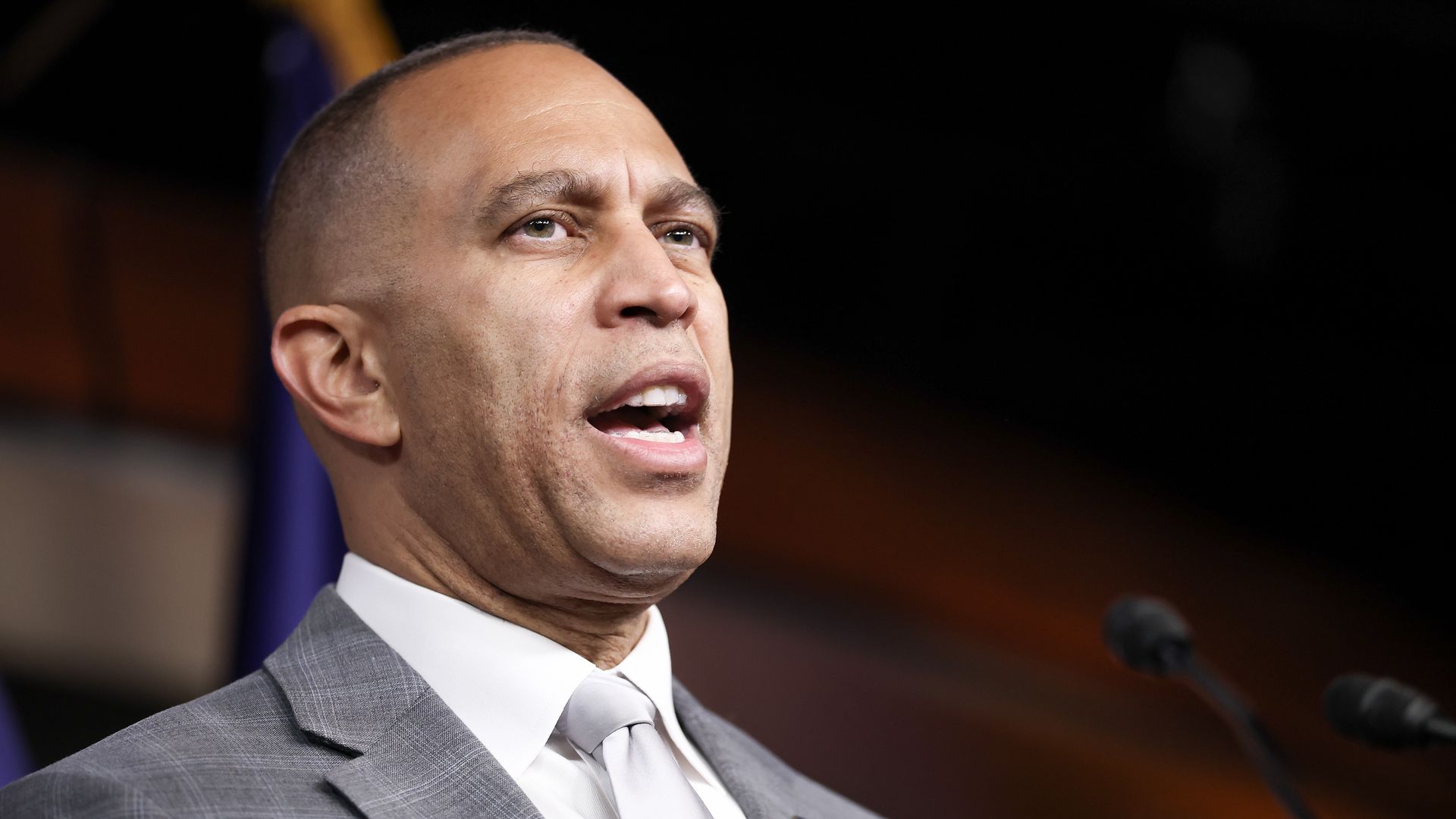
House Democrats overwhelmingly nominated Hakeem Jeffries for speaker Wednesday, leaving progressive critics with little chance of blocking his election in January.
Why it matters: House speakers have to win a majority vote of the full House, not just their own party. That means speakers are often closer to party centrists than grassroots activists.
The Senate GOP's last-ditch effort to pass a defense-heavy, $350 billion reconciliation package is dead on arrival without accompanying spending cuts, House Republicans tell Axios.
Why it matters: House Republicans have just 16 days left in session before Democrats take control in January. Many don't want to spend their final days in power adding to the national debt.
The left's campaign to whip up a groundswell of opposition to House Minority Leader Hakeem Jeffries (D-N.Y.) among his members failed in stunning fashion on Wednesday.
Why it matters: Fewer than a dozen members voted against Jeffries' nomination for speaker. That bodes well for Jeffries' ability to manage the House going forward, his allies say.