Exclusive: Tech outages a 'taste' of what AI cyberattacks could look like, Twenty CEO says

Add Axios as your preferred source to
see more of our stories on Google.
Axios screenshot
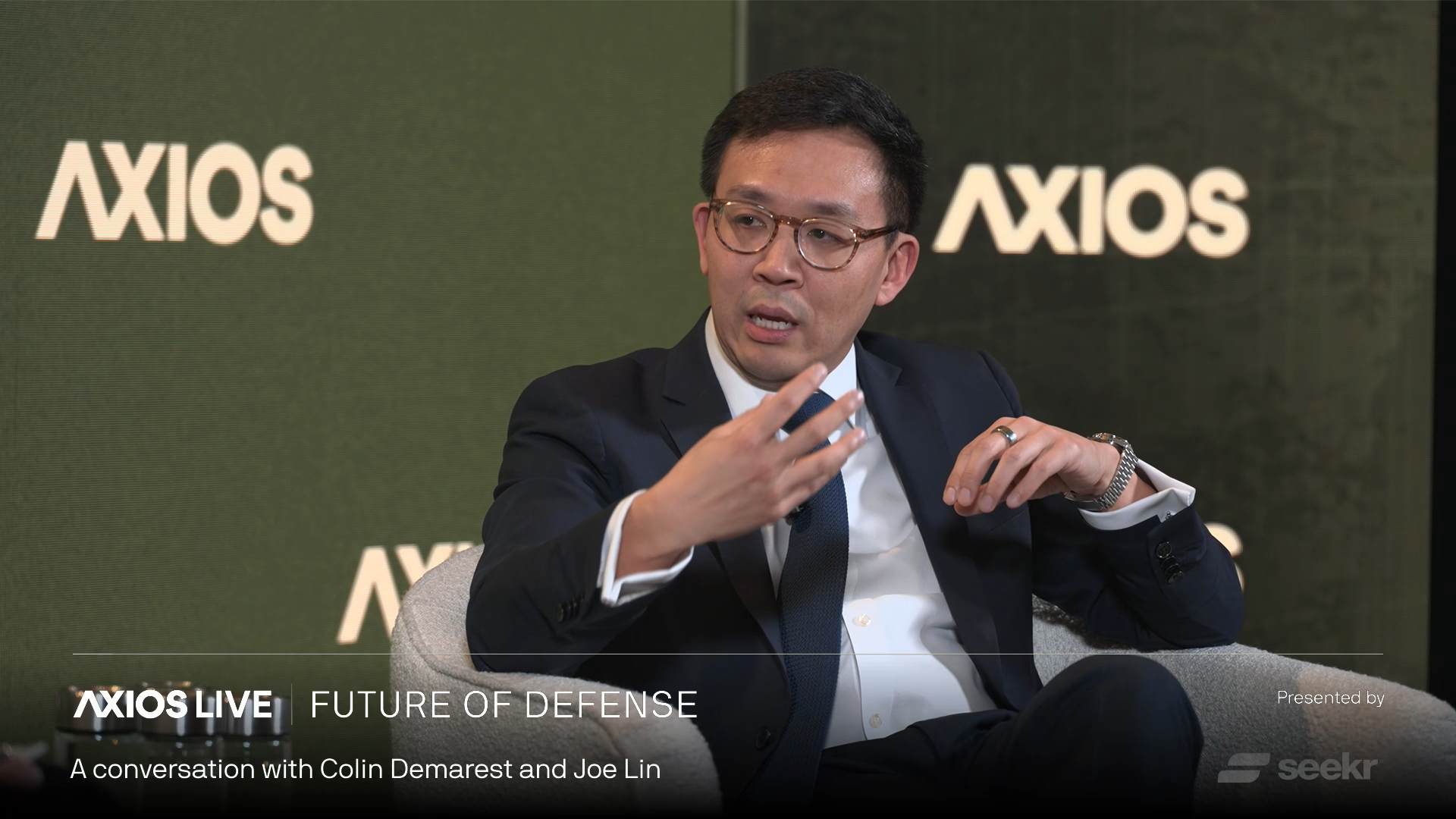
Companies rushing to fix AI-discovered vulnerabilities — not a coordinated wave of cyberattacks — are behind the spate of tech outages over the past week, Twenty co-founder and CEO Joe Lin said at Axios' Future of Defense Summit on Thursday.
- "Conspiracy theories can be a lot of fun, but as psychologically satisfying as they sometimes may be, I don't think that's what's happening here," Lin said.
Why it matters: Internet outages are likely about to become commonplace as organizations rapidly patch software bugs that AI models identify before hackers can take advantage of them.
What they're saying: "What we have here are simply a confluence of events where the speed with which we are discovering new vulnerabilities is colliding with our ability to address them," Lin said in an interview with Axios' Colin Demarest.
- Lin later added that the recent IT outages "are starting to give people a taste of just how vulnerable we are collectively as a country."
Catch up quick: Microsoft, Apple, JPMorgan Chase, United, Workday, the Federal Aviation Administration and the National Security Agency each faced outages over the last week.
- Many of them said that their outages were tied to software updates.
- Accounts that are likely fueled by bots have amplified conspiracy theories and spread fears online, adding to growing concern about AI-enabled cyber threats, as Axios previously reported.
By the numbers: 2026 has already seen more than 100,000 confirmed vulnerabilities as of last week — more than double the 48,000 found last year, according to data from VulnCheck.
Threat level: Lin, whose company is a U.S. defense contractor, said the wave of outages shows what cyberattacks on U.S. critical infrastructure could look like.
- "We keep spending more and more on cyber defense and cybersecurity year over year, yet we keep getting [more] cyber insecure over time," Lin said.
- At the same time, Lin said that foreign adversaries have gotten better at leveraging capabilities like AI to conduct operations at "industrial scale."
The big picture: The threat landscape is coming as the U.S. government is talking more openly about the need to bolster its own offensive cyber operations, Lin said.
- Earlier this year, the administration made waves when it alluded to potential cyber operations to possibly disrupt Venezuela's power grid during its operations to capture Nicolás Maduro.
- "We're starting to see a sea change on this front, which I think is a good thing," Lin said. "It's high time for us to be talking much more publicly about offensive cyber."
What to watch: Lin said the Trump administration has been talking more publicly about the need for offensive cyber operations, driving greater participation from the industry in these conversations.
Go deeper: Cyber warfare startup Twenty is now worth $1 billion
