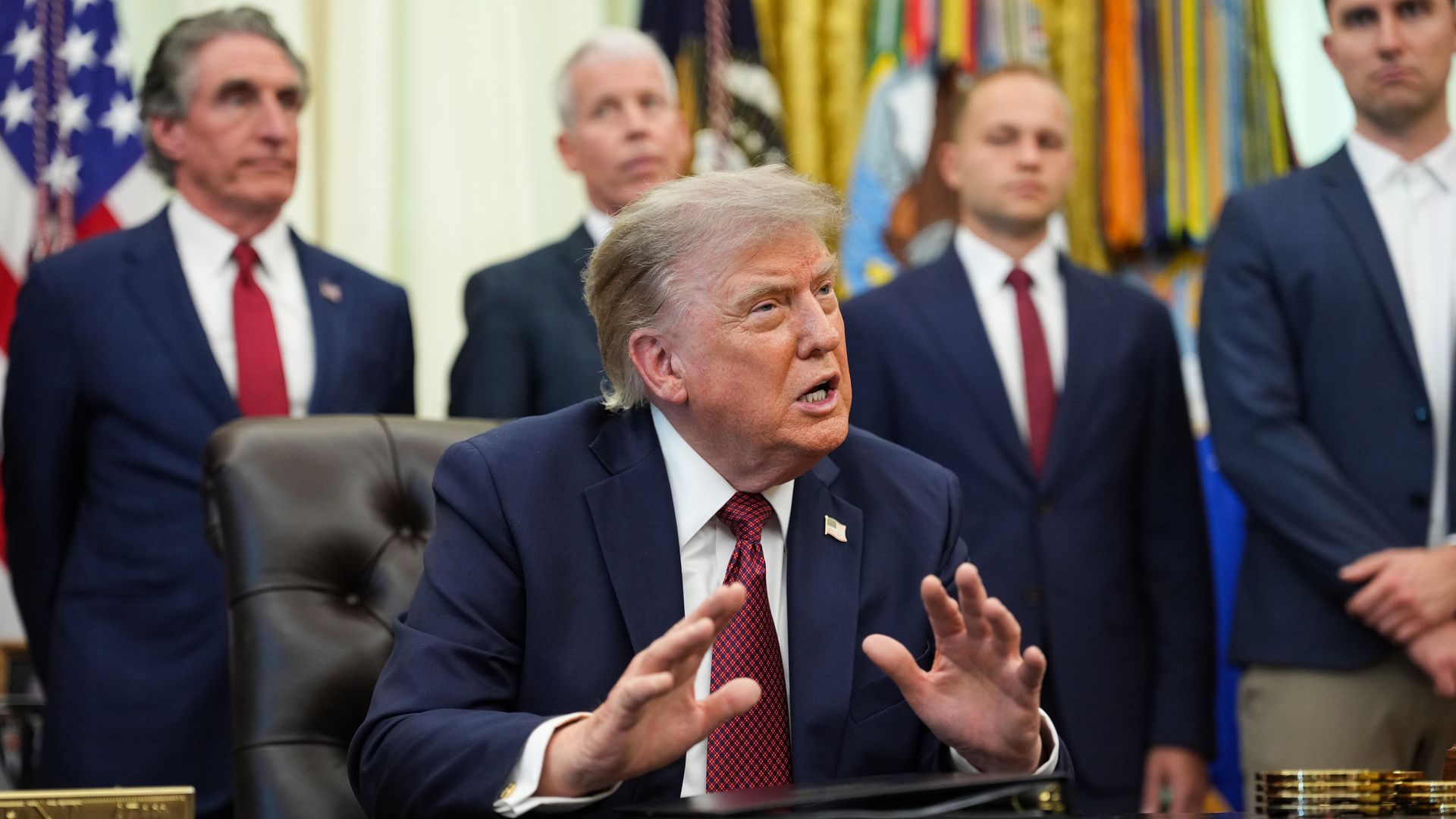
President Trump directed the U.S. military not to conduct new strikes in Iran on Friday, breaking a nearly two-week streak of daily attacks, two sources with knowledge of the decision said.
Why it matters: The president's directive came after he approved daily strikes over the previous 13 days. It is unclear if Trump's order on Friday was a one-off or whether the lull will continue.
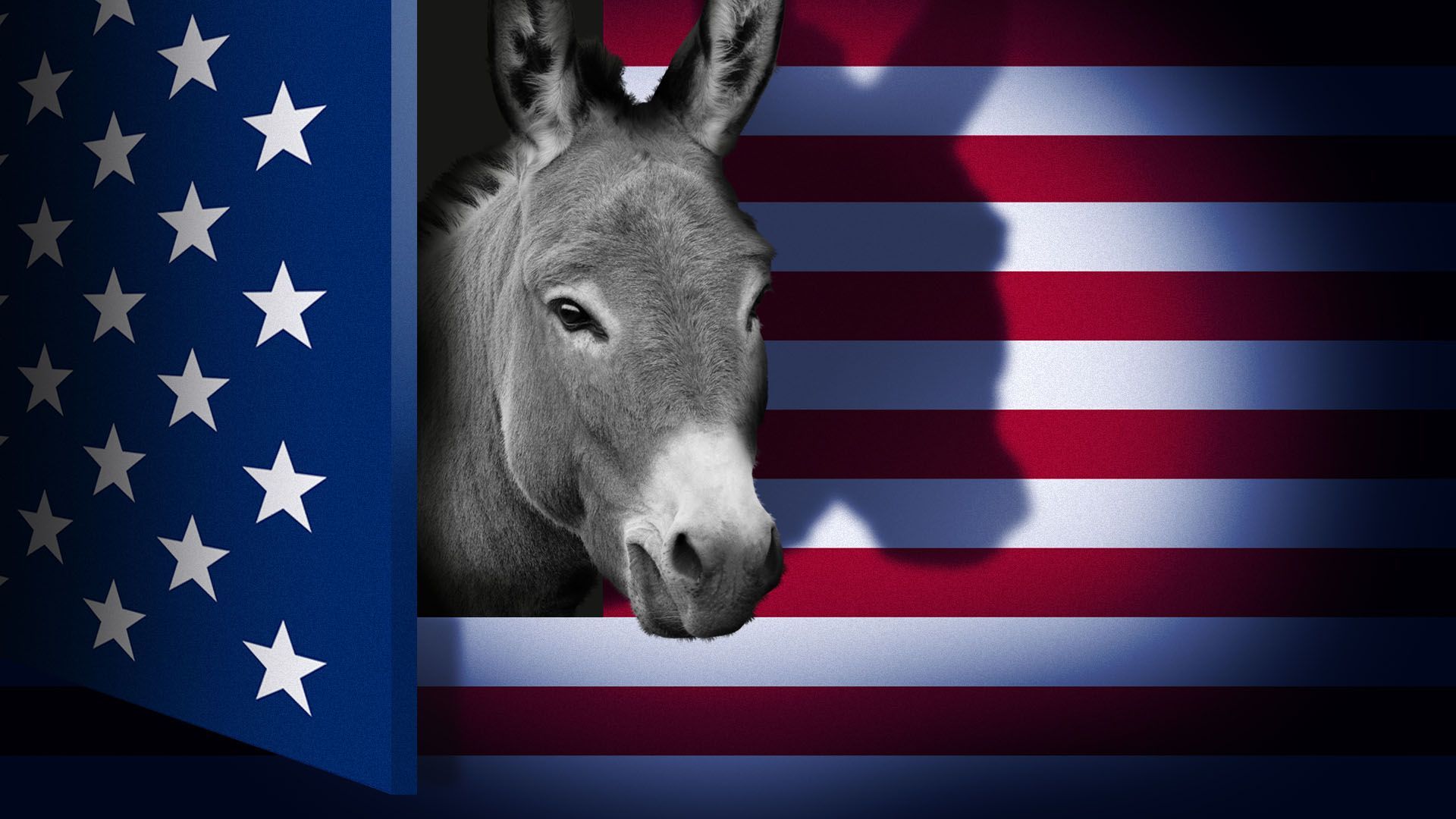
Democrats selected former Maine Senate President Troy Jackson on Saturday to challenge Republican Sen. Susan Collins this fall after Graham Platner's embattled campaign ended.
Why it matters: Jackson's selection is another win for the left flank of the Democratic party, which lined up behind another progressive candidate as their best shot at flipping one of the most important seats to win back Senate control.
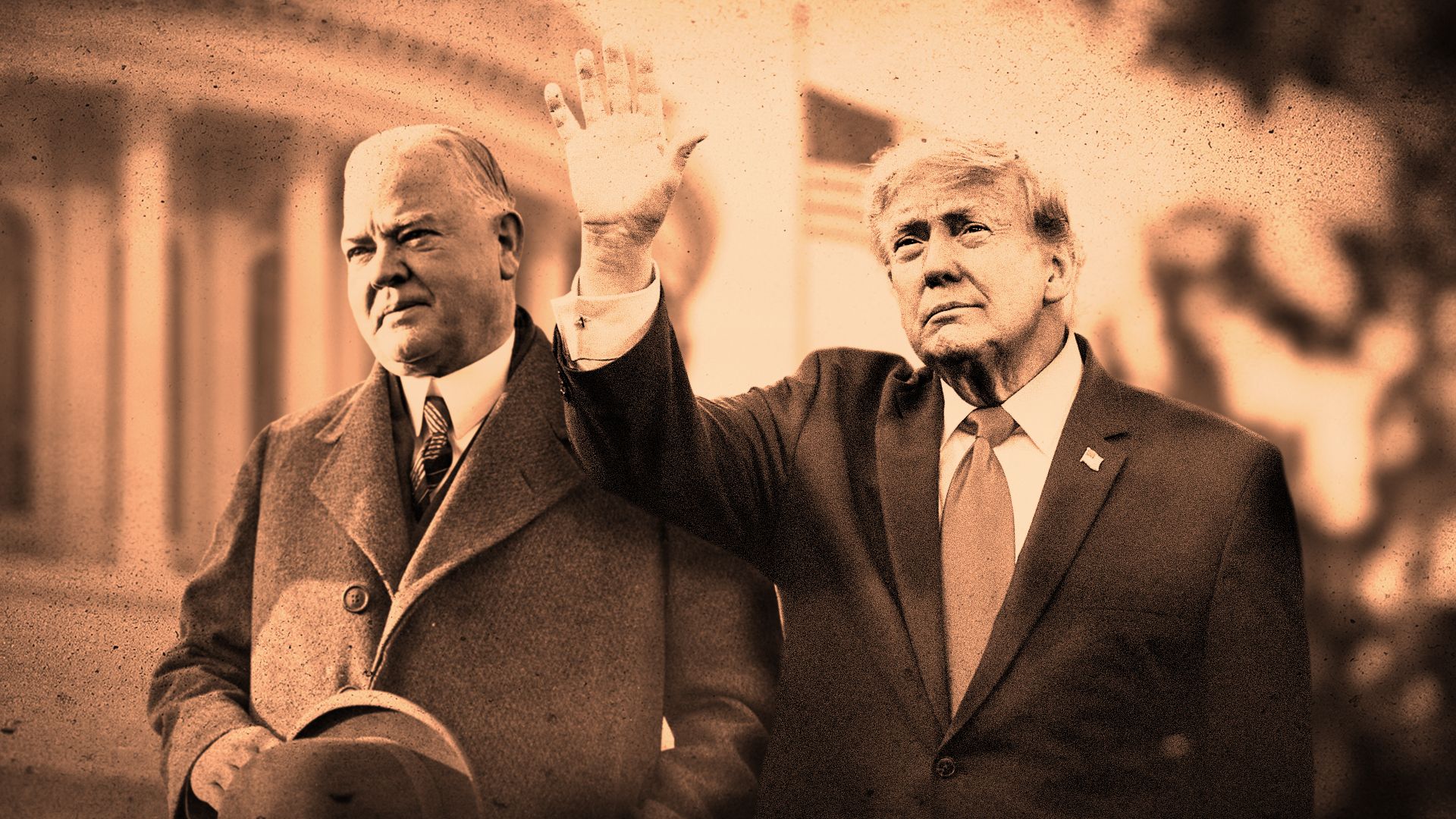
Why it matters: Smoot was long thought to be moot — widely considered a failure and, possibly, an exacerbating factor in the Great Depression.
Trump has repeatedly said that he doesn't want to be associated with Hoover, who presided over the country during that economic collapse and has forever been associated with it.
"The irony just writes itself in some sense," Douglas Irwin, an economics professor at Dartmouth and author of "Clashing over Commerce: A history of U.S. trade policy," tells Axios.
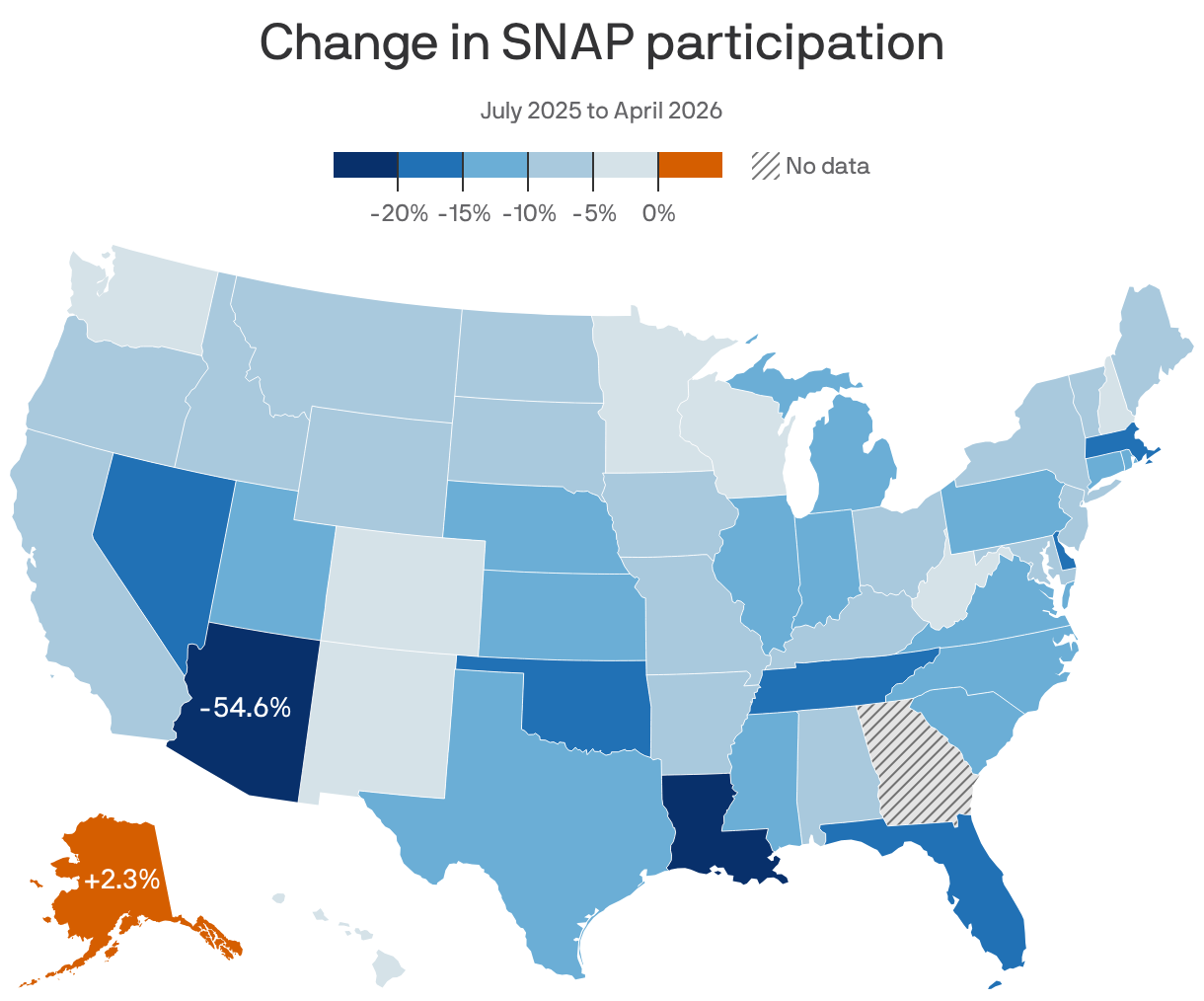
American food assistance has been rocked by a regulatory earthquake while millions have been dropped from one of the nation's premier safety net programs, tightening the strain on food banks and state agencies.
The big picture: As the Supplemental Nutrition Assistance Program (SNAP) continues to undergo a historic remolding, food banks say they're staring down a gap they can't fill.
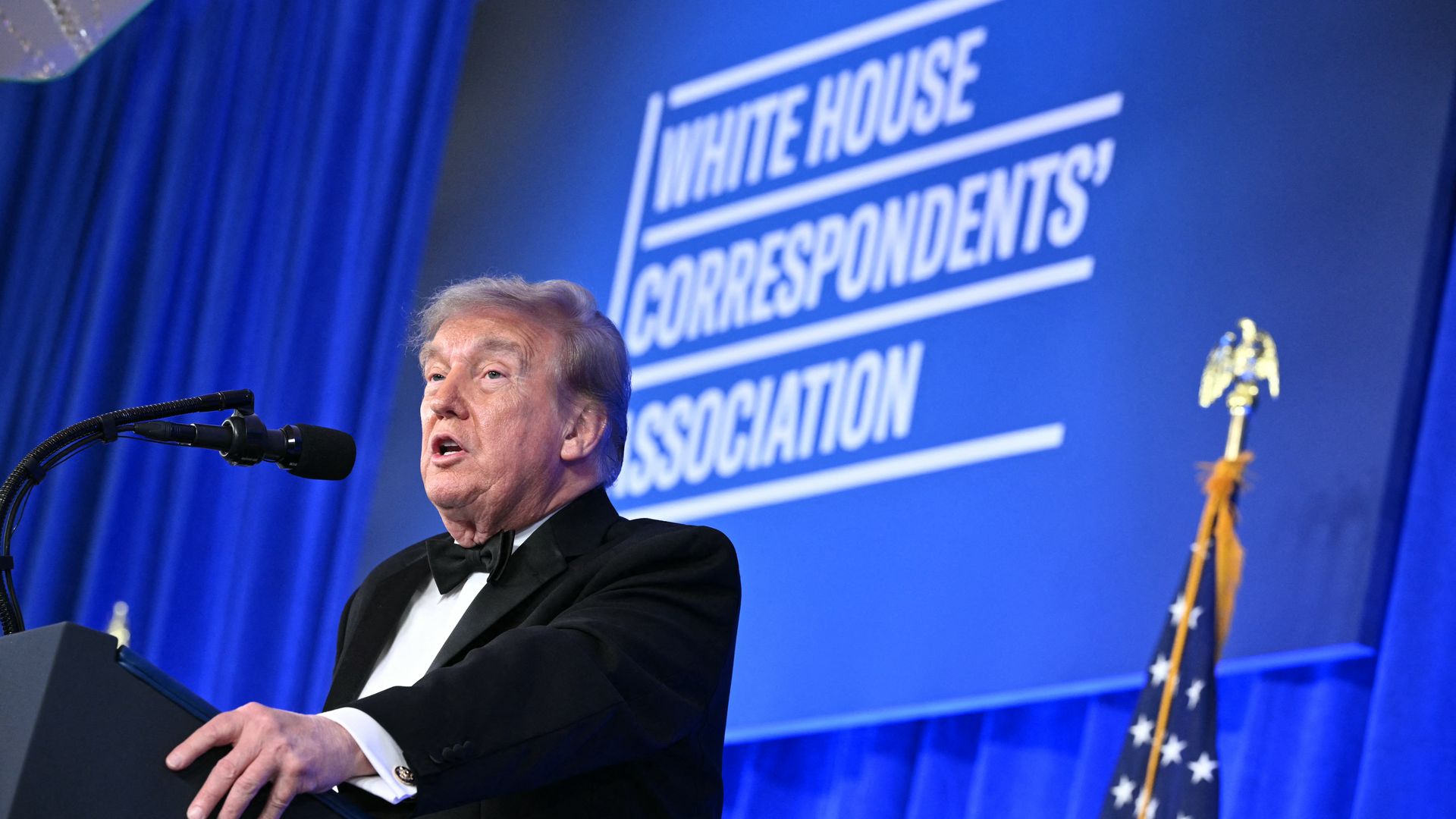
The big picture: The president opened with jokes to the hundreds of assembled journalists and even made a little fun of himself, in a speech that started light — before descending into a litany of familiar complaints about reporters and prominent Democrats.
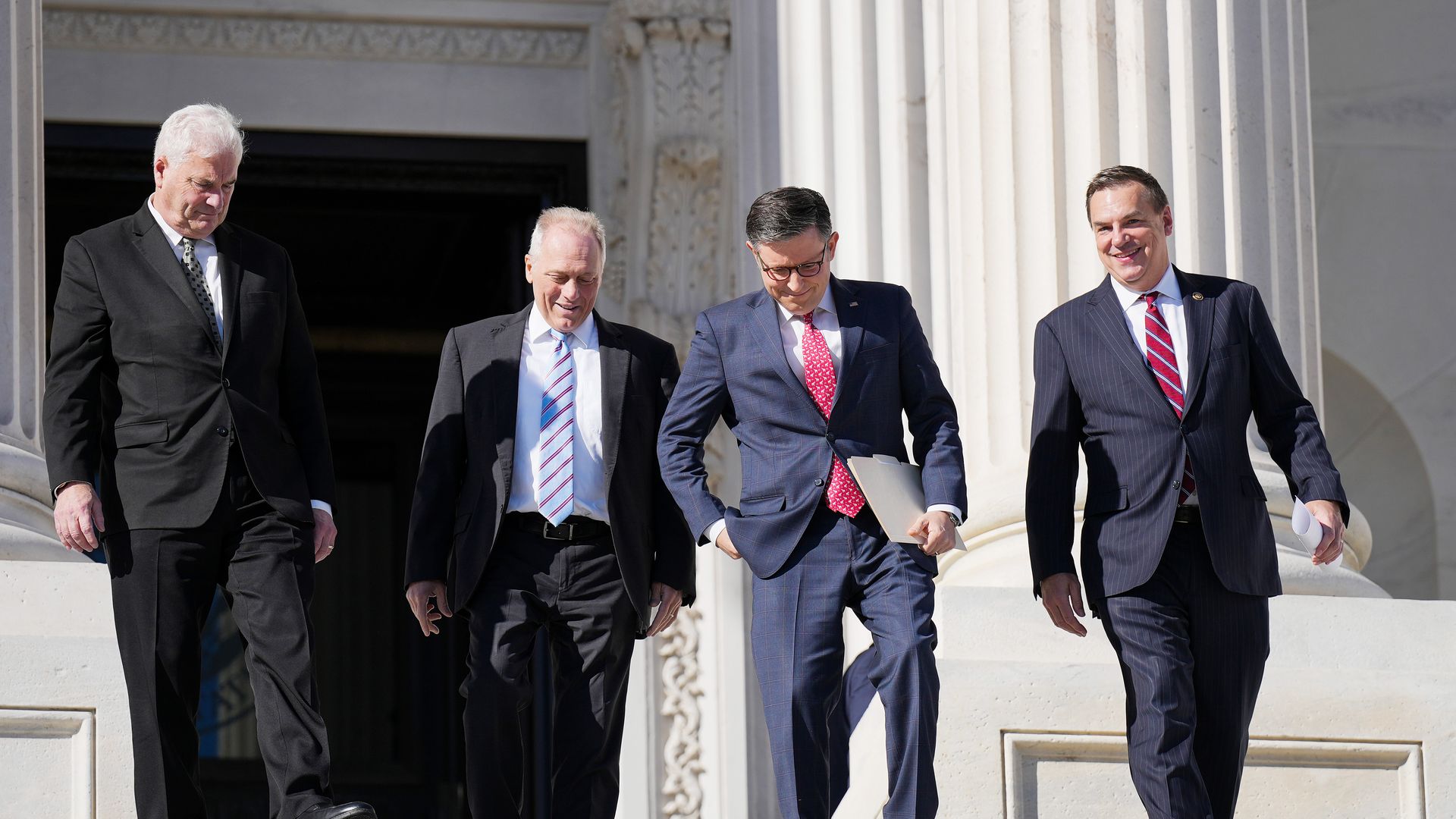
House Republicans' strategy for keeping the speaker's gavel and their leadership suites next year hinges on being anywhere but Washington this summer.
Why it matters: The Senate is in for another two weeks, but Speaker Mike Johnson and his leadership team are crisscrossing the country during the House's five-week August recess like German or Norwegian World Cup fans: no town too small, no state too far away.
The U.S. and U.K. are planning to convene a high-level meeting in London next week that will focus on a potential international coalition to protect maritime shipping in the Strait of Hormuz, two European diplomats and two other sources with knowledge told Axios.
Why it matters: The reopening of the strait for commercial shipping is a key element of any U.S. exit strategy from the war with Iran and of efforts to stabilize global energy markets.
South Carolina has been preliminarily tapped to hold the first Democratic presidential primary of 2028, as a key panel of party leaders picked the Palmetto State over Nevada on Friday after a contentious, racially fraught debate.
Why it matters: It's a coup for Black leaders who argued the party's most loyal voters — represented by South Carolina's large Black population — deserved to have the first chance to weigh in on who should be Democrats' next presidential nominee.
President Trump will meet Israeli Prime Minister Benjamin Netanyahu at the White House on Tuesday, the Israeli Prime Minister's office said in a statement.
Why it matters: Netanyahu has met with Trump in the Oval Office six times since Trump returned to office a year-and-a-half ago — more than any other world leader. But Netanyahu is deeply unpopular in Washington these days, among Democrats, Trump's close circle and the MAGA base.
The wars in Iran and Ukraine show how the drone tech revolution makes it easier — and cheaper — to interrupt energy supplies by striking refineries and oil tankers.
Why it matters: It's an important reason why oil traded at $100 per barrel this week and gasoline and diesel fuel are so expensive these days.
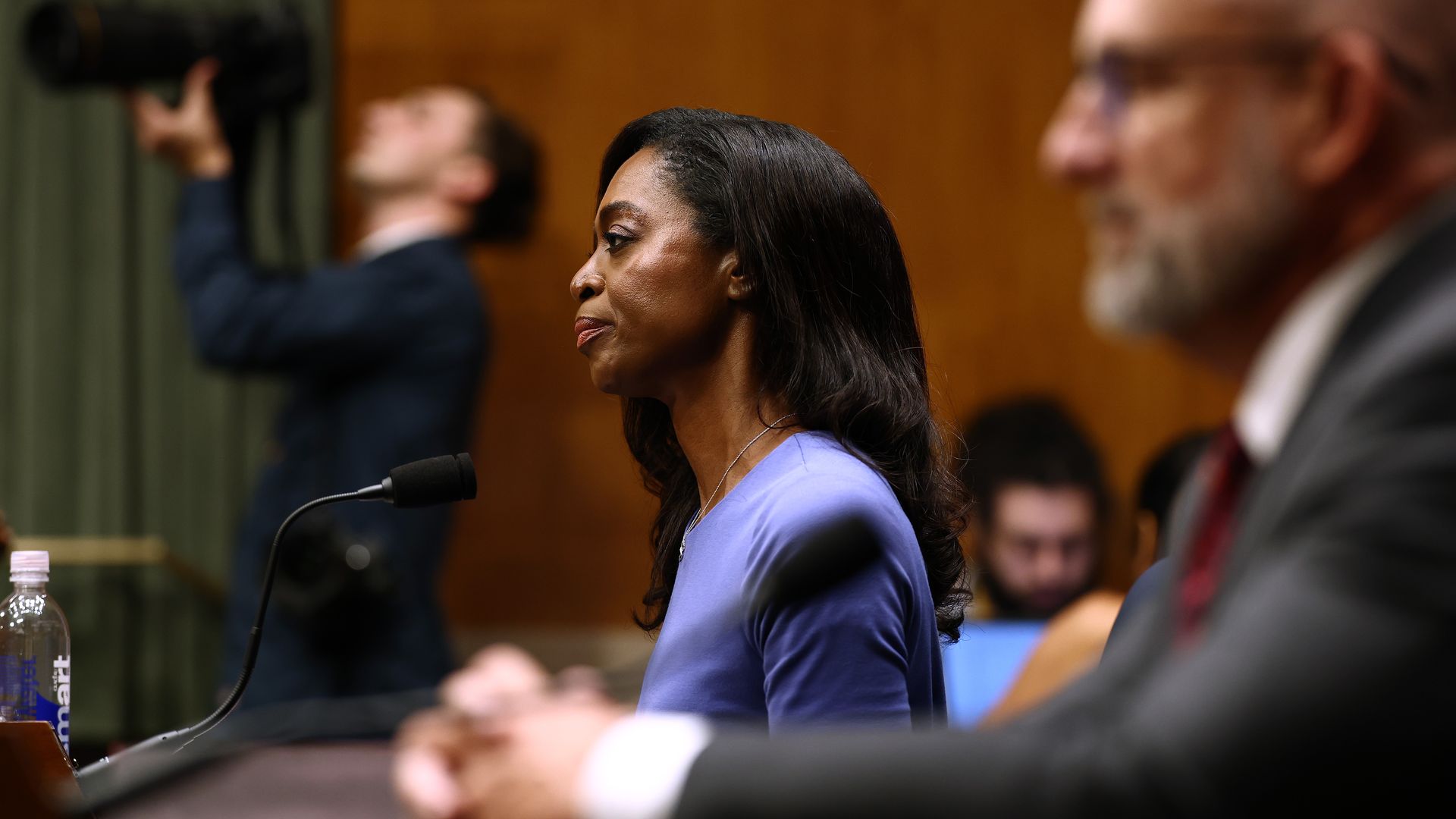
The Trump administration'sbacklog of high-level health appointments isn't getting any smaller after the Senate health committee postponed votes yesterday on the Centers for Disease Control and Prevention director nominee and a divisive pick for an assistant health secretary post.
Why it matters: CDC nomineeErica Schwartz probably will have enough Republican votes to be approved after committee Chair Bill Cassidy (R-La.) said he'll support her — he just couldn't get enough GOP senators to show up yesterday.
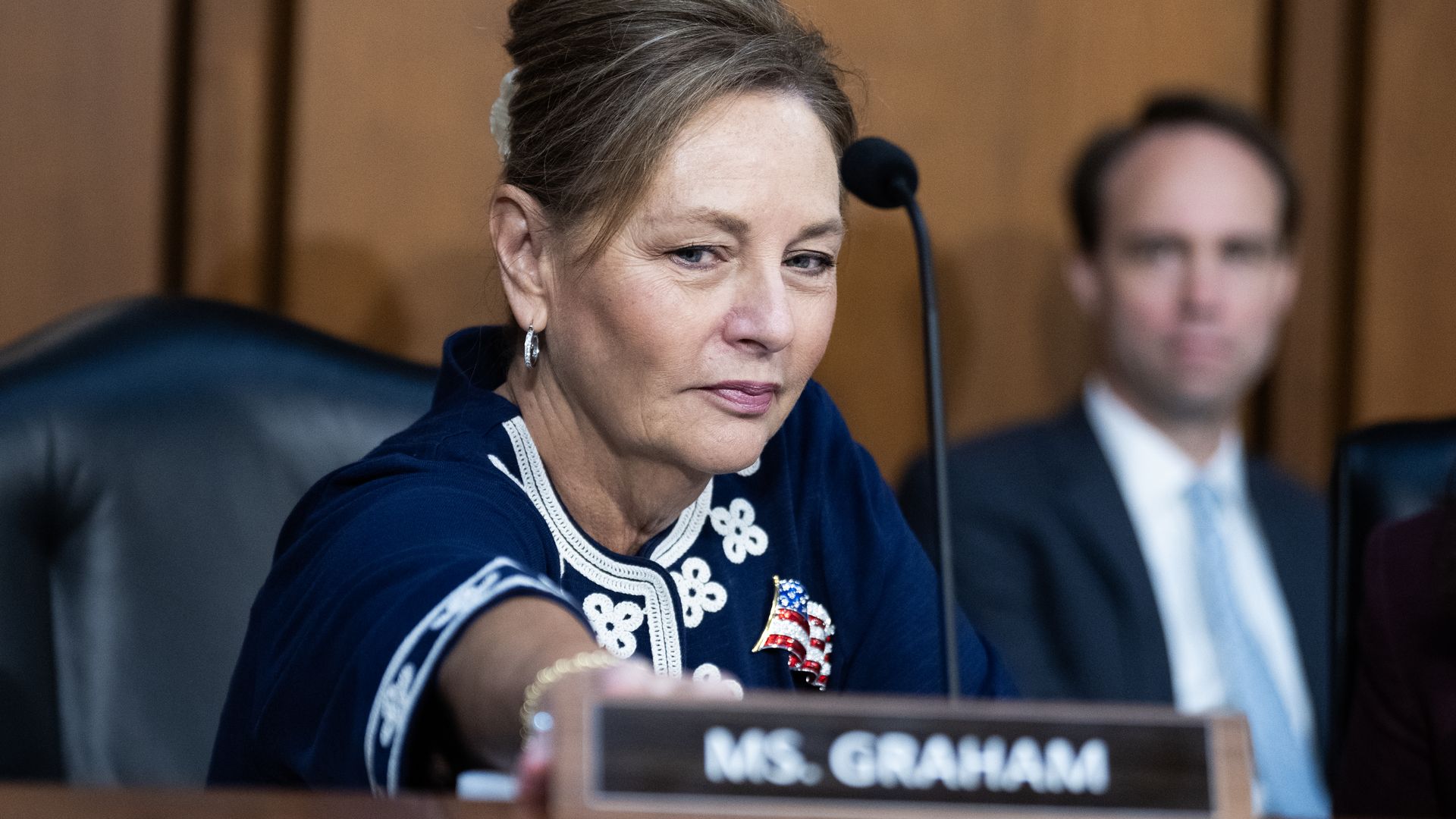
She has President Trump's endorsement and is a sympathetic figure after the death of her brother, Sen. Lindsey Graham. As Graham's temporary replacement, she's a symbol of the political brand he built over more than two decades in the Senate.
Driving the news: Even so, Darline Graham faces an uphill battle to win a full Senate term in November, Republicans in D.C. and her home state of South Carolina tell Axios.