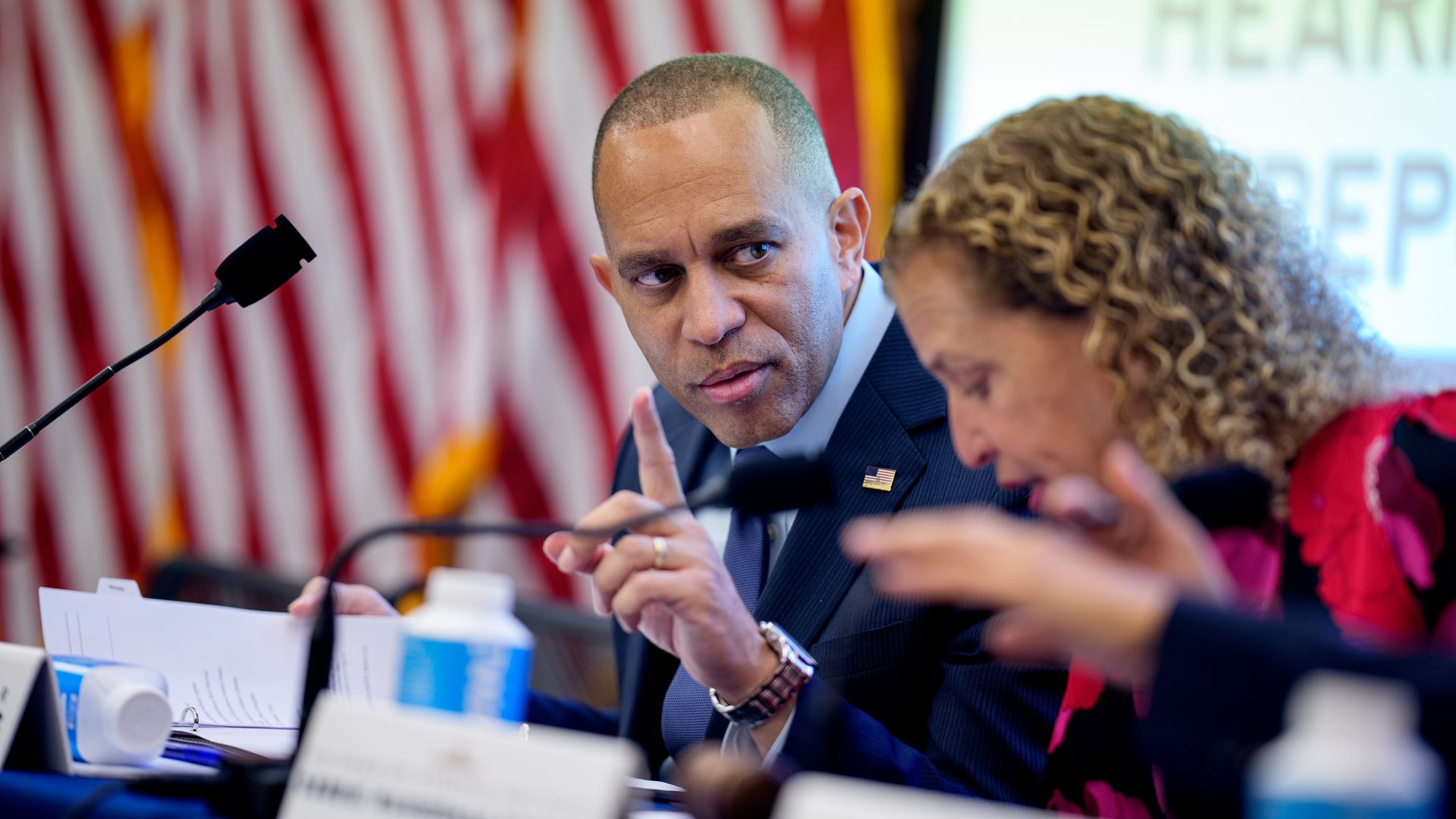
House Minority Leader Hakeem Jeffries (D-N.Y.) said Tuesday he has not yet decided whether to support Rep. Debbie Wasserman Schultz's (D-Fla.) reelection amid anger over her decision to run in a majority-minority district.
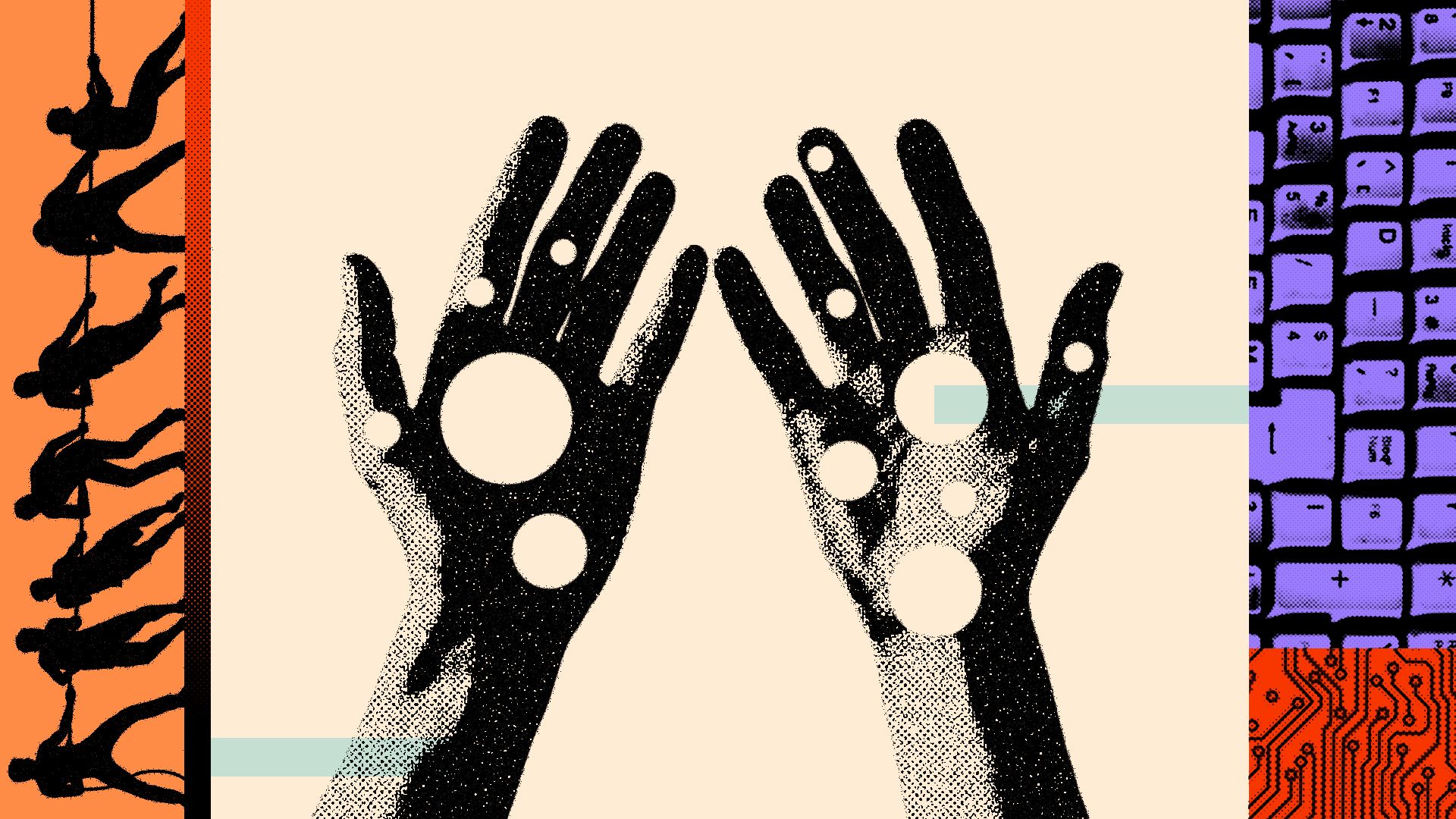
A bipartisan group of lawmakers introduced a bill that would give visual artists legal protection against commercial AI-generated imitations of their work without permission.
Why it matters: There currently isn't a legal framework that protects a creator's style. Copyright laws protect registered works, but not someone's likeness.
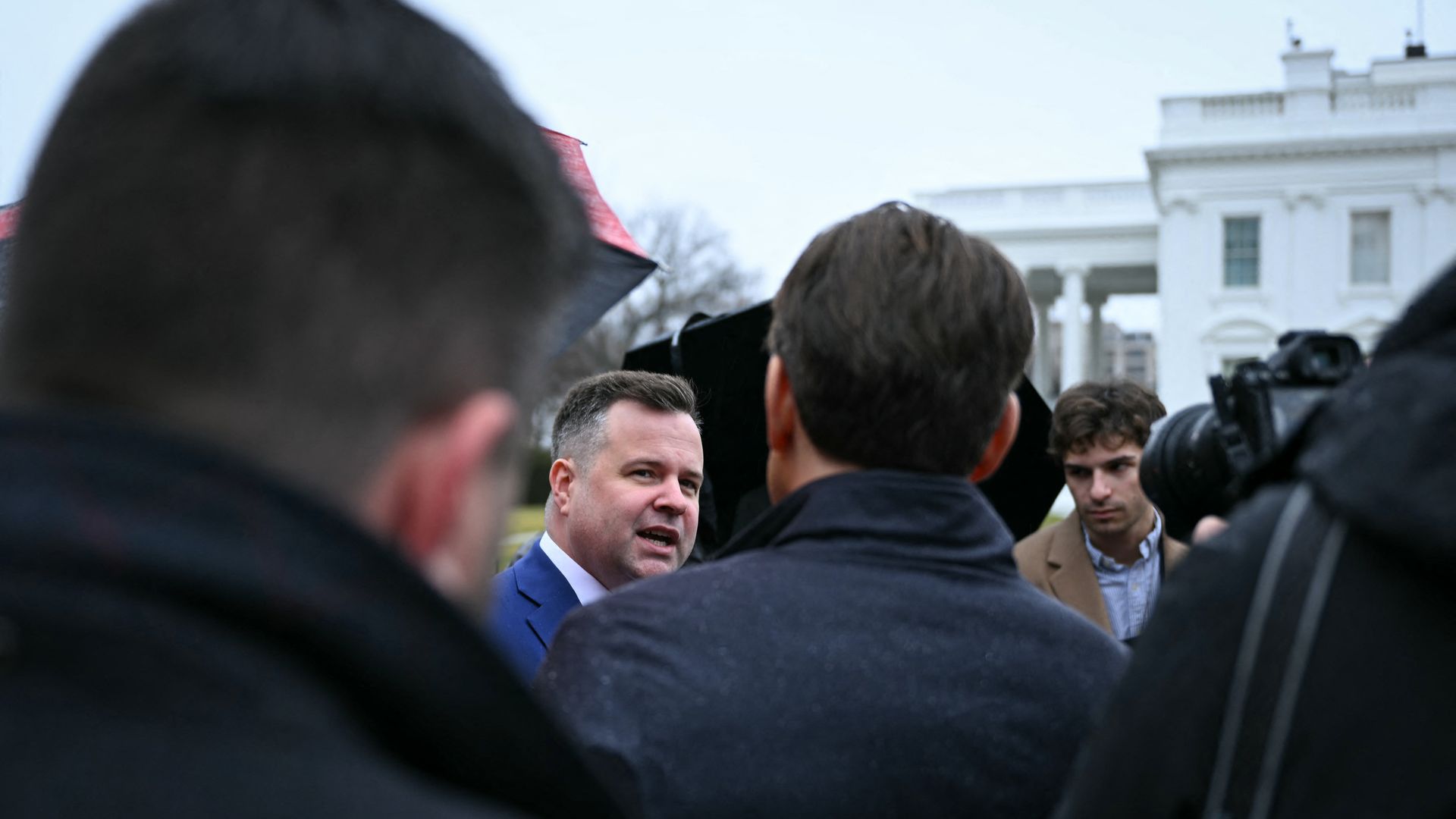
President Trump on Tuesday picked Federal Housing Finance Agency Director Bill Pulte to lead the U.S. intelligence community, elevating a MAGA loyalist to one of the government's most powerful national security posts.
Why it matters: President Trump's decision to install Pulte atop the nation's intelligence network gives the MAGA enforcer wide-ranging access to vast amounts of data the government collects.
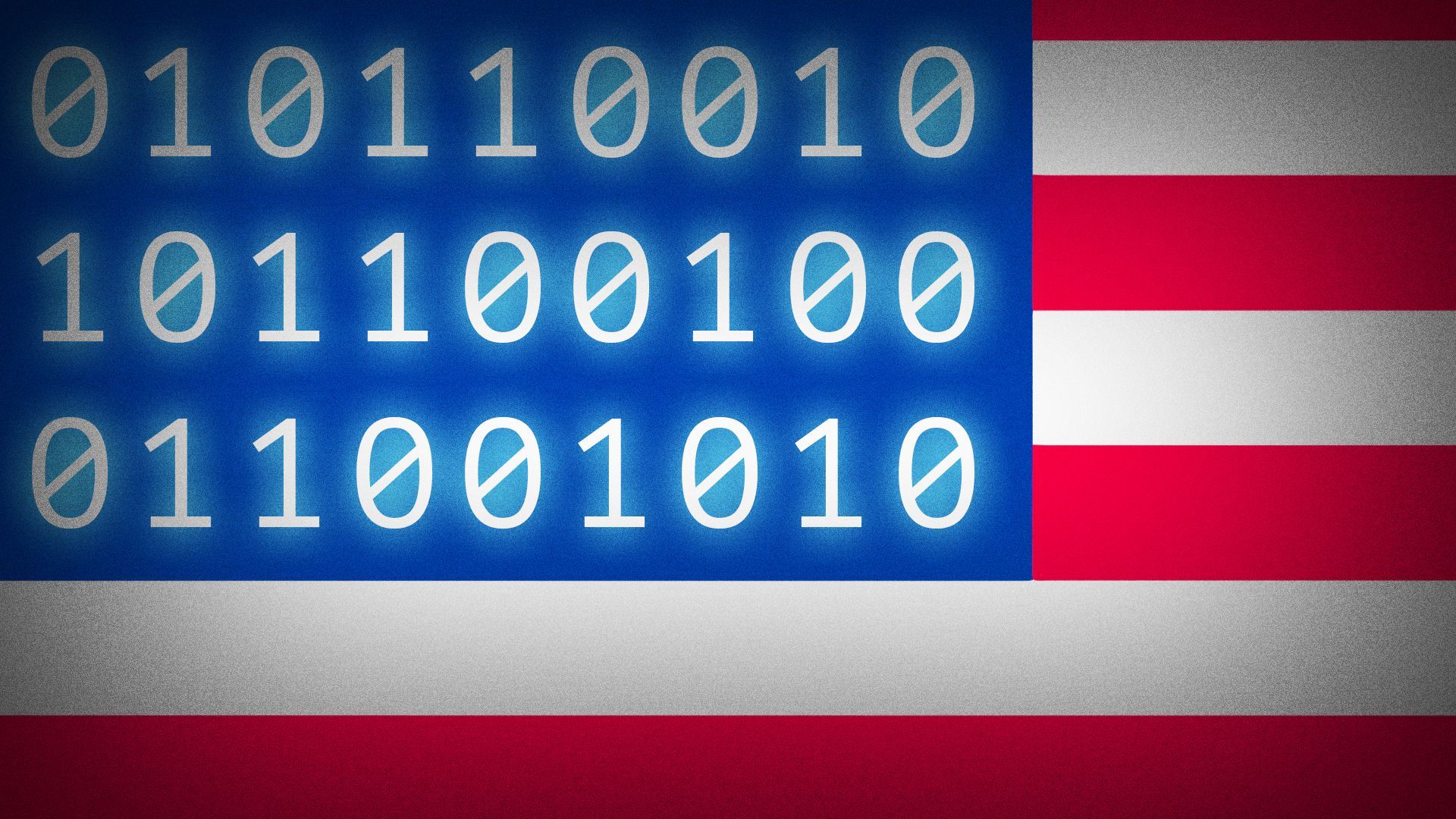
President Trump signed a narrowed executive order on artificial intelligence and cybersecurity Tuesday.
Why it matters: The new order lets the White House kick the can down the road while it considers new rules for cutting-edge AI models and what to do about AI's advanced cybersecurity capabilities.
President Trump tapped Bill Pulte, his unusually prominent Federal Housing Finance Agency director, as the new acting director of national intelligence.
The big picture: Pulte will split time between overseeing Fannie Mae and Freddie Mac and holding a massively important position for the country's national security — an extraordinary dynamic even against the backdrop of other officials wearing multiple hats.
The retail trading crowd has found a new buzzworthy stock: IBM.
Yes, your father's "Big Blue" IBM.
Driving the news: Shares of IBM exploded in recent days, posting their best two-day showing in records stretching back to the early 1970s.
Why it matters: IBM's surge shows how individual investors have become a market force, by coordinating purchases, touting positions on social media and boosting buying power with borrowed money, or margin.
Analysts are starting to wonder if the world needs less oil than they thought it did when the Iran war started.
Why it matters: Decades ago, a global oil shock triggered permanent changes to the structure of the global economy, and signs are now emerging that it's happening again.
A new bid to fix the process for resolving surprise billing disputes may not make a dent in the massive backlog of cases.
Why it matters: Providers and insurers have been sparring over how to settle claims for out-of-network services almost from the moment Congress protected privately insured patients from getting stuck with huge, unexpected costs.
The battle for the soul of the Democratic Party is on the ballot Tuesday, with at least a half-dozen primaries across the country testing which wing of the party has the most juice heading into the 2026 midterms.
Why it matters: Progressive and moderateDemocrats have been locked in a fierce debate over how to rebuild the party's brand since its candidates lost to Donald Trump for a second time in 2024.
This is the chart that White House economic officials want you to see: A closely watched industry survey suggests a long U.S. manufacturing slump is giving way to a factory rebound.
Why it matters: By this measure, the manufacturing recession is over. Activity across the sector expanded for a fifth straight month in May after spending much of the last two years in contraction territory.
Democrats have been caught in the bind Senate Minority Leader Chuck Schumer (D-N.Y.) sought to avoid when he backed Gov. Janet Mills over Graham Platner in the Maine Senate race.
Why it matters: Democrats must now support an untested and largely unvetted outsider as he faces intense media scrutiny over his relationship with women in a must-win race.