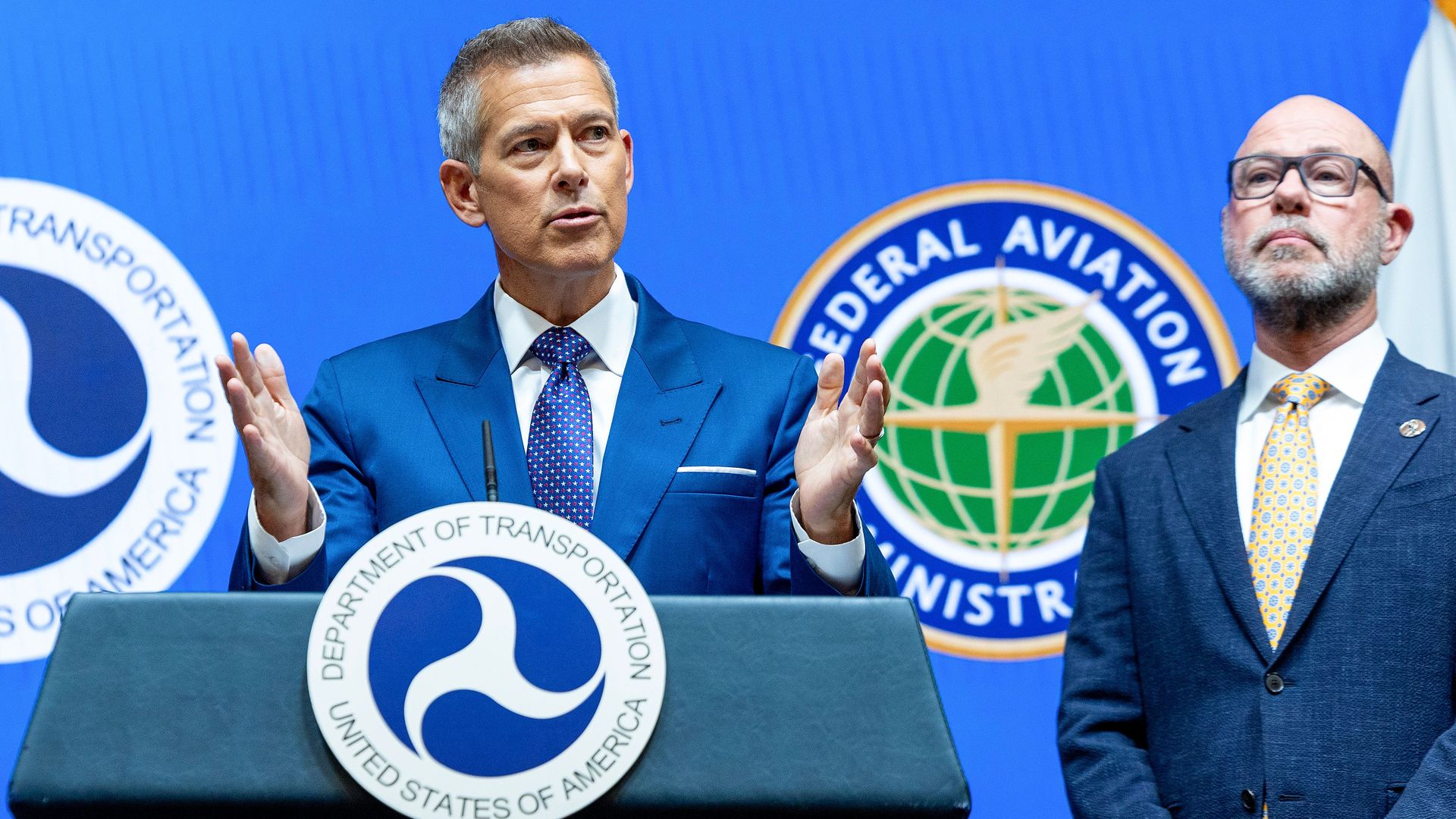
Air travelers faced more flight delays and cancellations on Tuesday and Transportation Secretary Sean Duffy warned if the record-long government shutdown doesn't end soon, "we're not going to get to Thanksgiving."
The big picture: The Senate passed a bill Monday to reopen government and Duffy urged the House to follow suit as a Federal Aviation Administration mandate forced airlines to cut 6% of flights at 40 major airports on Tuesday. That number is set to hit 10% on Friday.
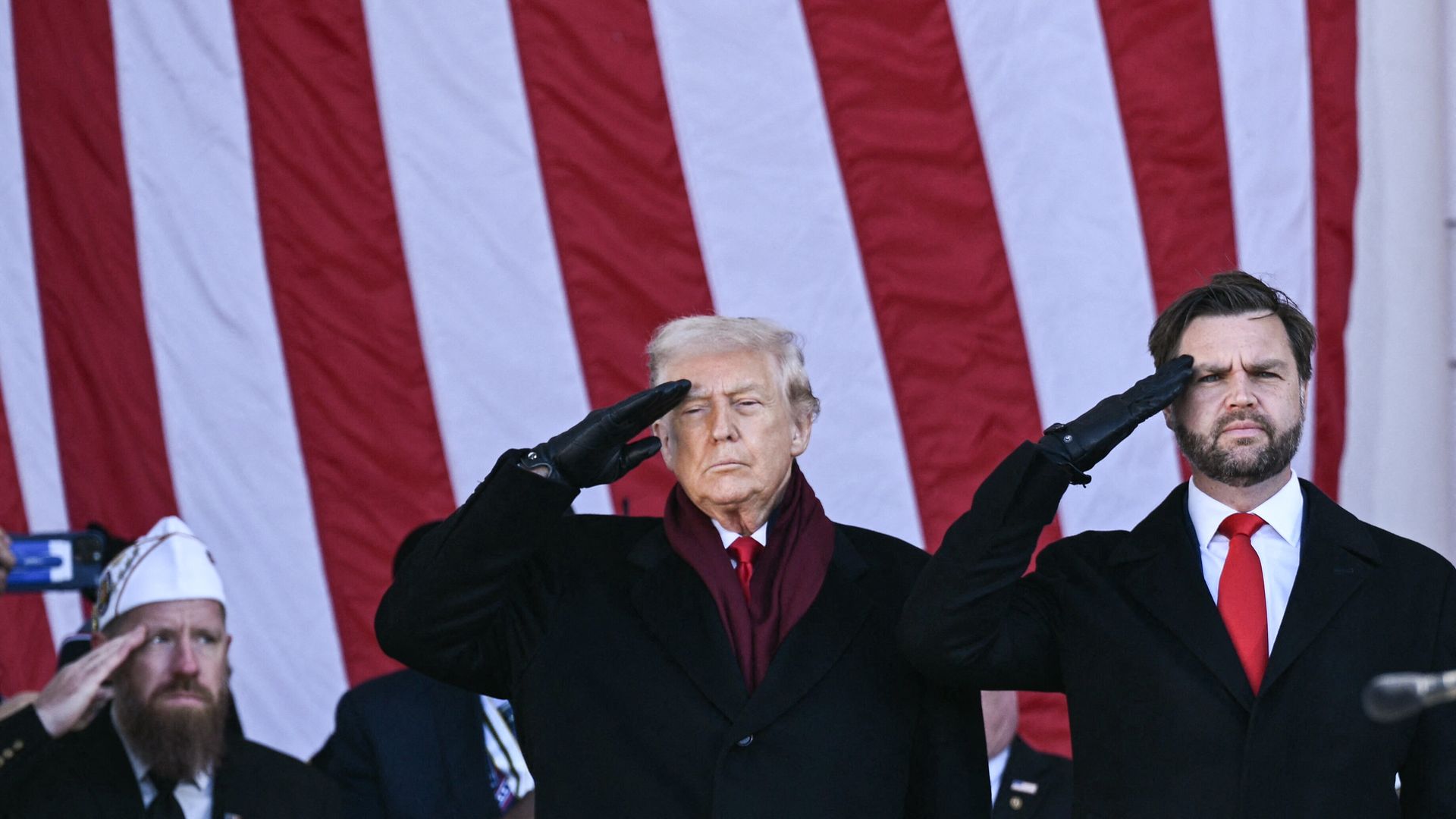
President Trump lashed out at the Biden administration and political correctnesswhile commemorating U.S. veterans on Tuesday.
The big picture: On the first Veterans Day of his second term, the president used his Arlington National Cemetery speechto tout his policies and highlight American military strength.
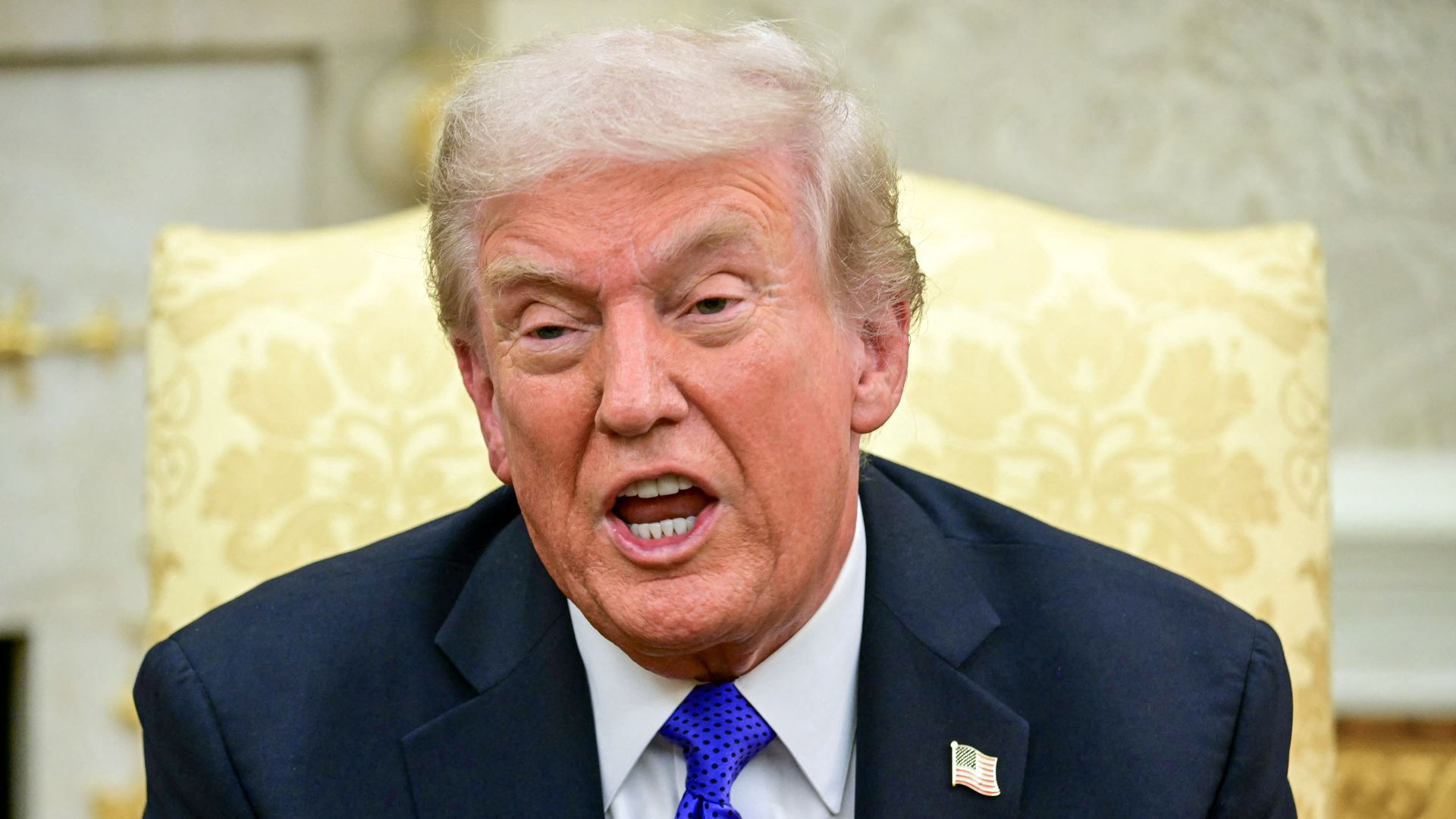
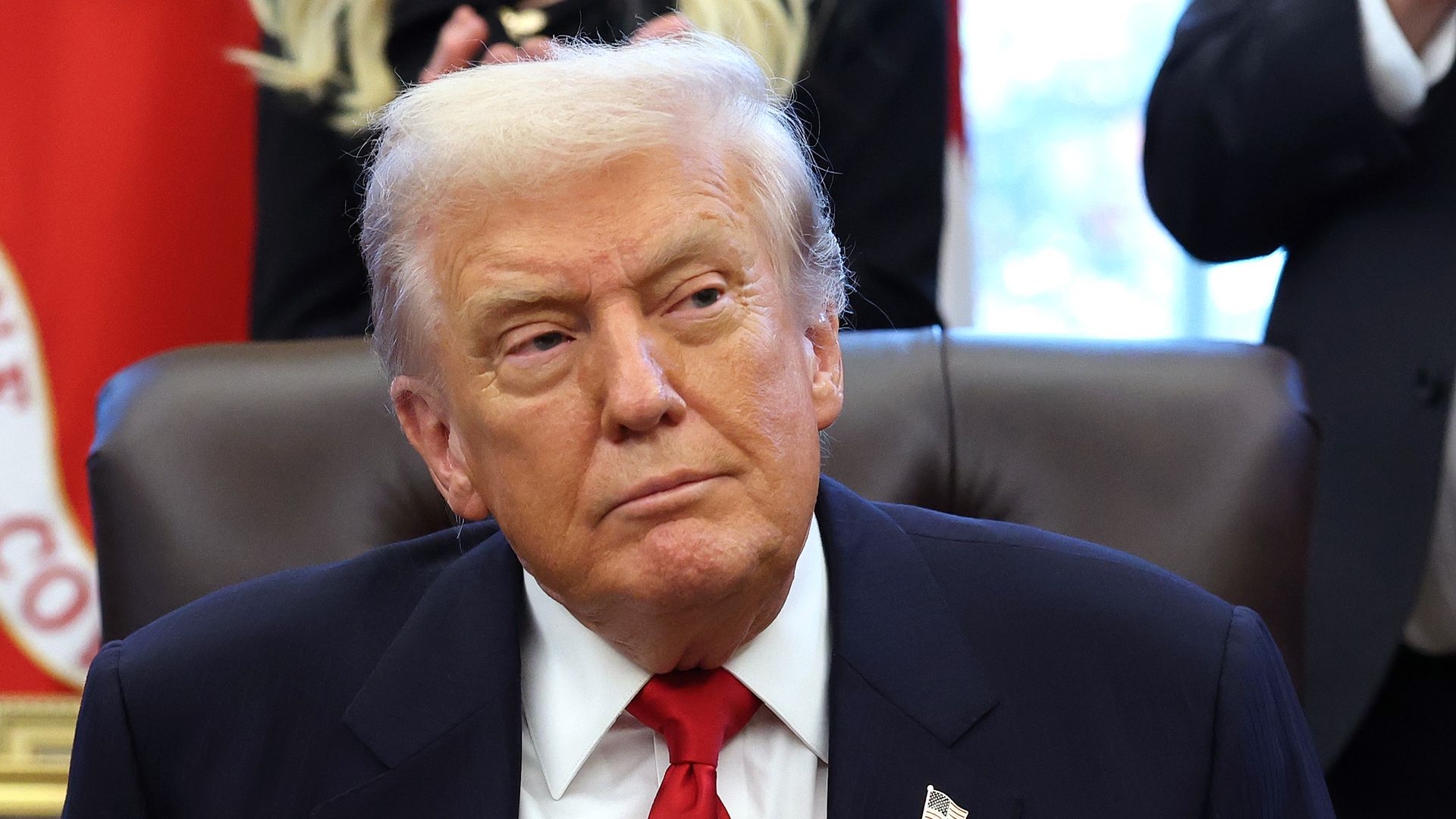
President Trump on Tuesday claimed the U.S. would be on the hook for $3 trillion in refunds and lost investments if the administration loses the pending tariffs case at the Supreme Court.
Why it matters: Trump is trying to ramp up the pressure on the court to preserve the centerpiece of his economic policy.
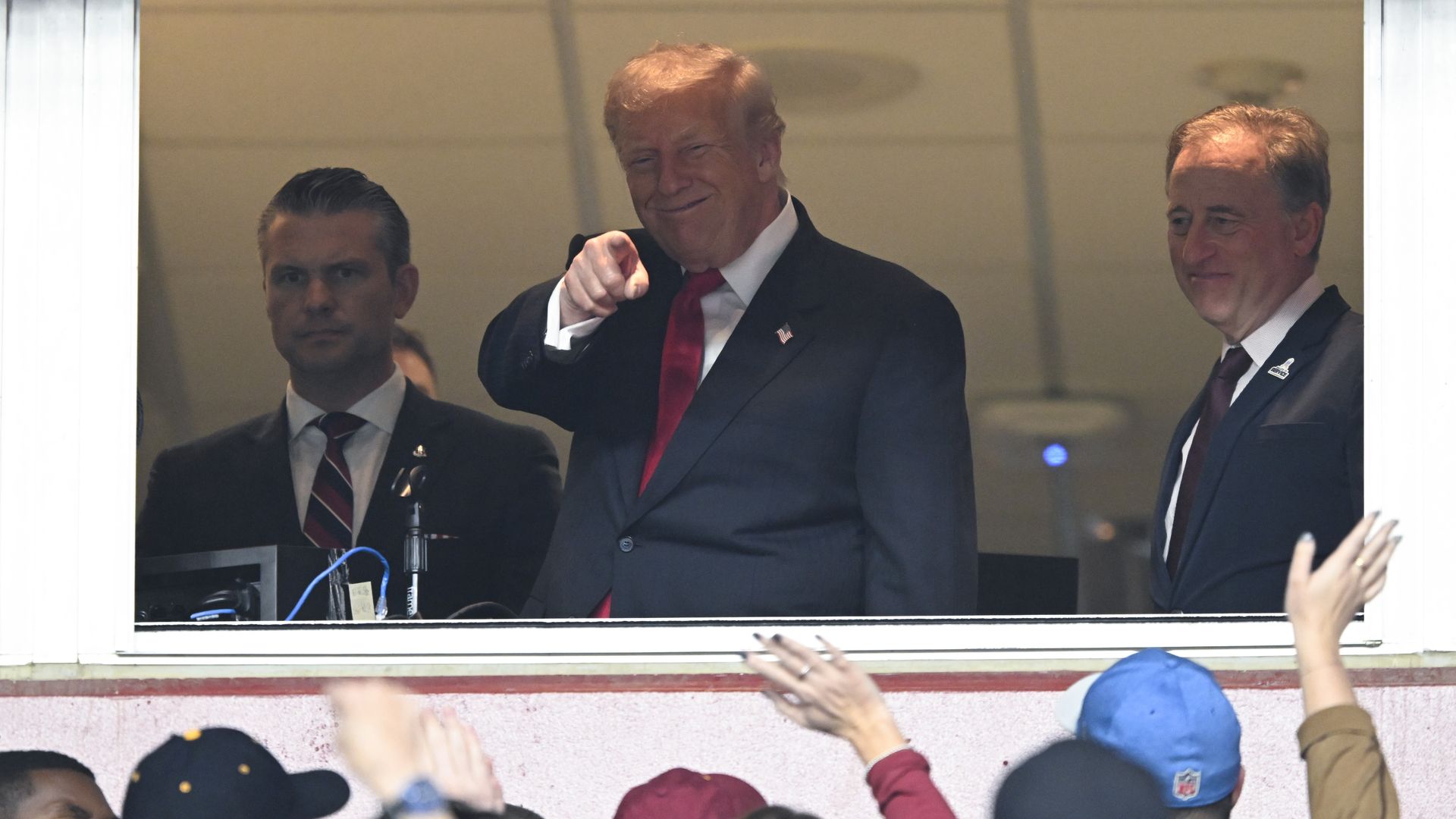
MAGA finally feels like it's winning again after a dramatic weekend of news, easing (but not ending) one of its nastiest internal fights since the start of President Trump's second term.
Why it matters: The right was in a seemingly irreversible spiral last week over Israel and cancel culture. But MAGA was overjoyed by Trump's pardons of 77 people accused of 2020 election interference, Democrats folding on the government shutdown and a shakeup at the BBC.
Voters in California approved a measure to redraw the state's congressional map in a move that could help Democrats flip multiple GOP seats and regain control of the U.S. House next year.
The big picture: California's decision adds momentum to nationwide redistricting efforts as both parties race to reshape Congress ahead of the 2026 midterm elections.
President Trump's first 296 days of his second term, while precedent-shattering, are producing a lot more one-off, giveth-or-taketh-away deals than actual new U.S. laws.
Why it matters: It's the Santa and Grinch presidency, in which almost every day reveals a new promise to give something of financial value to a nation, group or individual — or take it away. But rarely do these transactions cement new laws.
This reality reflects Trump's improvisational and dealmaking impulses. But it also means that a lot of what he does will be easily reversible.
The last few days show the pattern: Trump, increasingly vocal about affordability after the Democratic romp in Tuesday's elections, called for two actions — tariff rebate checks and 50-year mortgages.
Both were in-the-moment ideas, tossed out by the president on social media, that don't require new laws.
Zoom in: On Truth Social on Saturday afternoon, Trump floated the idea of a 50-year mortgage to improve housing affordability. Bill Pulte, the powerful director of the Federal Housing Finance Agency (FHFA), then tweeted: "Thanks to President Trump, we are indeed working on The 50 year Mortgage — a complete game changer." Rep. Marjorie Taylor Greene (R-Ga.) argued on X that the idea would "ultimately reward the banks, mortgage lenders and home builders while people pay far more in interest over time."
Then on Truth Social on Sunday morning, Trump said: "A dividend of at least $2000 a person (not including high income people!) will be paid to everyone." (An idea he's floated on and off since July, without any concrete plans.)
In a real-time reflection of Trump improv, Treasury Secretary Scott Bessent told George Stephanopoulos shortly thereafter on "This Week": "I haven't spoken to the president about this yet ... [T]he $2,000 dividend could come in lots of forms ... [I]t could be just the tax decreases that we are seeing on the president's agenda." (Trump later clarified that it would, in fact, be a direct payment to people.)
Herein lies the downside to Trump's approach: Anything not codified by law can be easily undone by the courts — or by Democrats when they win back the White House.
The intrigue: These measures can also be undone by Trump himself, if the winds shift the right way. Auto companies, for instance, now get a partial refund for the tariffs that Trump imposed on the industry.
Another case in point: Trump has pushed for lower prescription drug prices — not by seeking legislation, but by directly pressuring pharmaceutical companies, including last week's Oval Office announcement that they'll reduce the price of GLP-1 weight loss drugs.
He has attacked health insurance companies in recent days and over the weekend called for Americans to receive cash directly with which to buy health insurance.
But he hasn't engaged in negotiations with congressional Democrats over extending Affordable Care Act subsidies that currently help millions afford insurance — the core of the shutdown fight.
The bottom line: Almost all of Trump's astonishing expansions of precedent-stretching presidential power flow not from law, or even congressional approval. It's just Trump doing what he wants ... to whoever he wants ... when he wants.
Axios' Tal Axelrod, Ben Berkowitz, Courtenay Brown and Neil Irwin contributed reporting.
Correction: This version removes an outdated GovTrack tally that was from Trump's first term, not this term.
The operators of Camp Mystic are facing three separate lawsuits from families of some of the 27 people who died during Texas' catastrophic July floods.
The big picture: Over 130 people died in the July 4 floods across Central Texas, including 25 campers and two counselors at the private Camp Mystic Christian girls' camp, who've become known as "Heaven's 27."
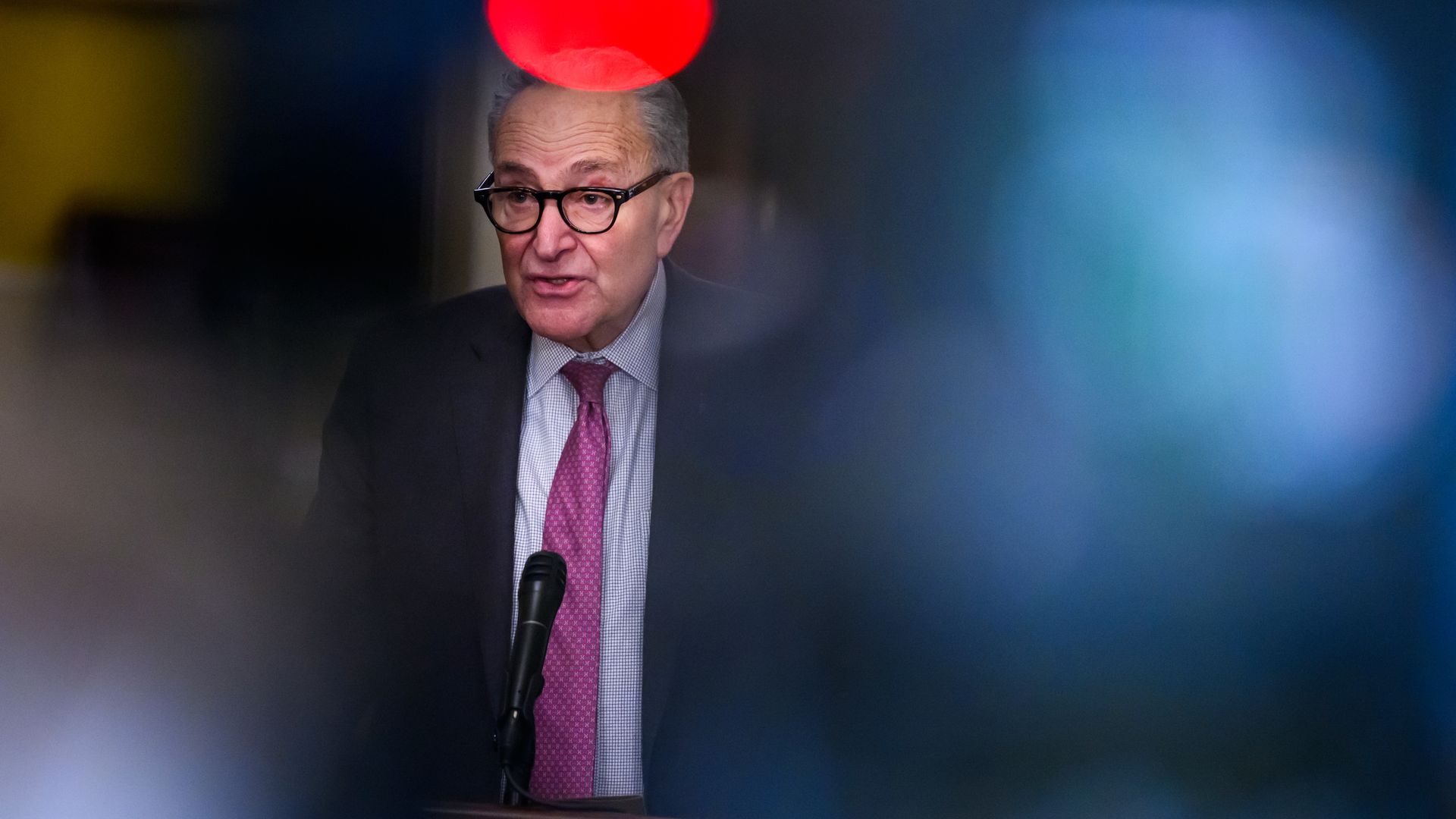
A growing list of House Democrats and liberal grassroots groups is calling for Senate Minority Leader Chuck Schumer (D-N.Y.) to step down from leadership after failing to stop a group of his senators from voting to reopen the government.
Why it matters: It's the culmination of a year's worth of anger towards the Senate leader, who many younger, more pugilistic Democrats say is ill-suited to lead in the Trump era.
President Trump criticized the Supplemental Nutrition Assistance Program known as SNAP in an interview with Fox News' Laura Ingraham Monday night.
Why it matters: SNAP, a decades old anti-poverty program, is in the spotlight as the White House fights in court to avoid paying full benefits during the government shutdown.
The Senate officially passed a bipartisan package Monday night to end the record-long government shutdown.
Why it matters: After 40 days, eight Democrats broke with their party in support of a bipartisan deal to reopen the government, fund key agencies, undo federal layoffs and hold a vote on extending ACA enhanced subsidies.
As the federal food assistance cutoff strains food banks, neighbors are feeding neighbors with a network of front yard aid.
The big picture: The abrupt halt to full federal benefits anditssubsequent chaos has forced families to choosebetween paying bills and putting food on the table.But with aid in limbo, community goodwill is providing a homemade lifeline.
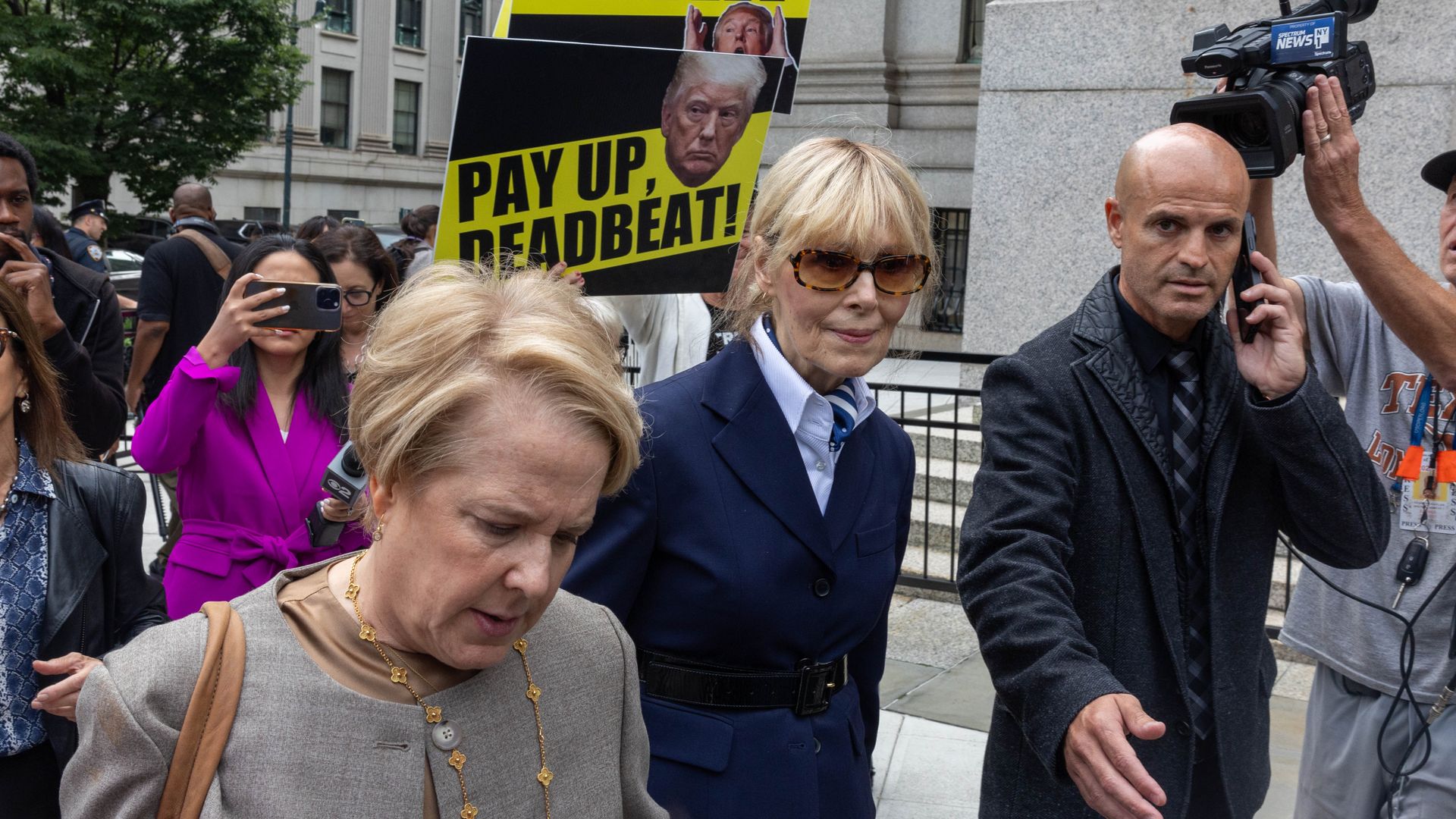
President Trump on Monday petitioned the Supreme Court to review the $5 million civil verdict that found him liable for sexually abusing and defaming writer E. Jean Carroll.
The big picture: Trump has repeatedly fought the ruling, claiming that multiple lawsuits against him are politically motivated — but this marks the first time the case has made its way to the Supreme Court.
A private call of House Democrats devolved into a furious vent session Monday afternoon as lawmakers fumed about a group of Senate centrists cutting a deal with Republicans to end the shutdown.
Why it matters: Over a dozen House Democrats spoke on the call, with the vast majority slamming the deal, sources told Axios — a volume that reflects deep outrage between the two chambers.
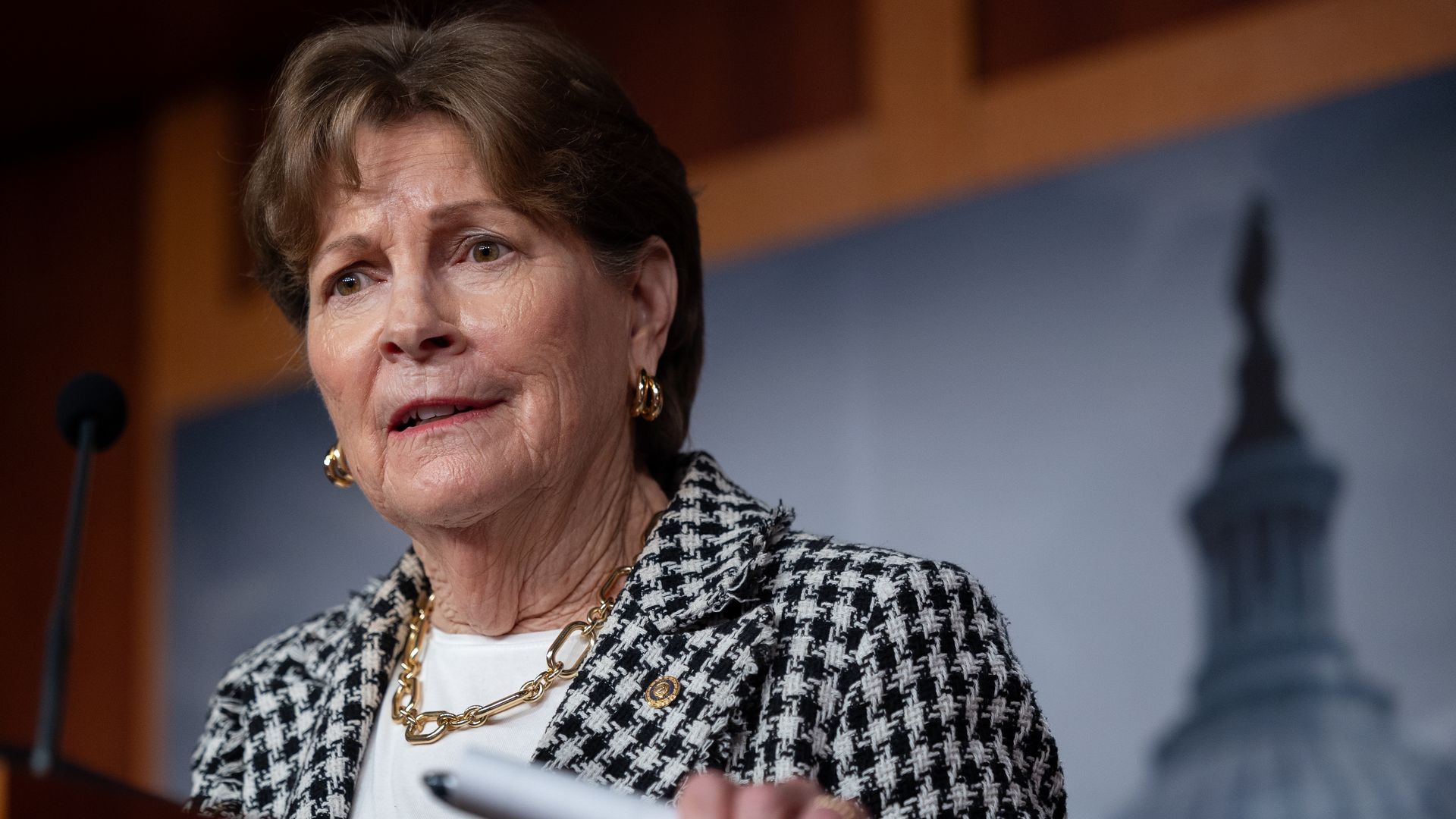
Sen. Jeanne Shaheen (D-N.H.) is open to income caps on Affordable Care Act premium tax credits and looking into potential "fraud" in the program that's set to expire at the end of the year, she told reporters on Monday.
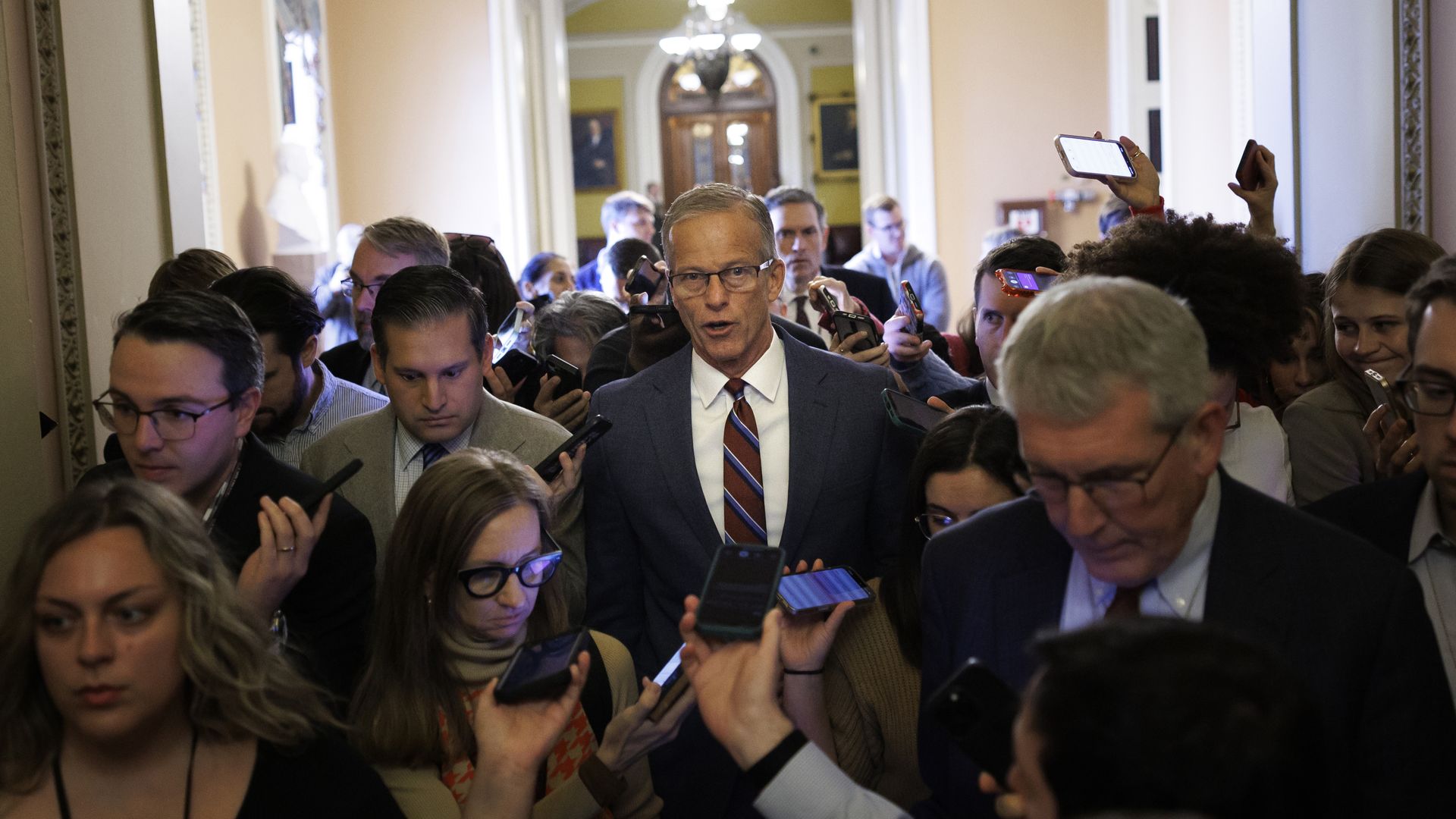
Why it matters: Senate Majority Leader John Thune (R-S.D.) promised Democrats a vote on health care by mid-December as part of a deal to start the process of reopening the government.